Inexpensive Protein Foods: How to Compare Costs
Protein cost makes sense only in a serving you can actually eat, prepare, and store; comparing price per 20 grams puts different foods on equal footing. In the June 2026 numbers below, dried pinto beans came in lowest at $0.33 per 20 g, followed by eggs at $0.57. Calculate the price using edible protein, not package size alone.
Affordable Protein Foods Worth Comparing
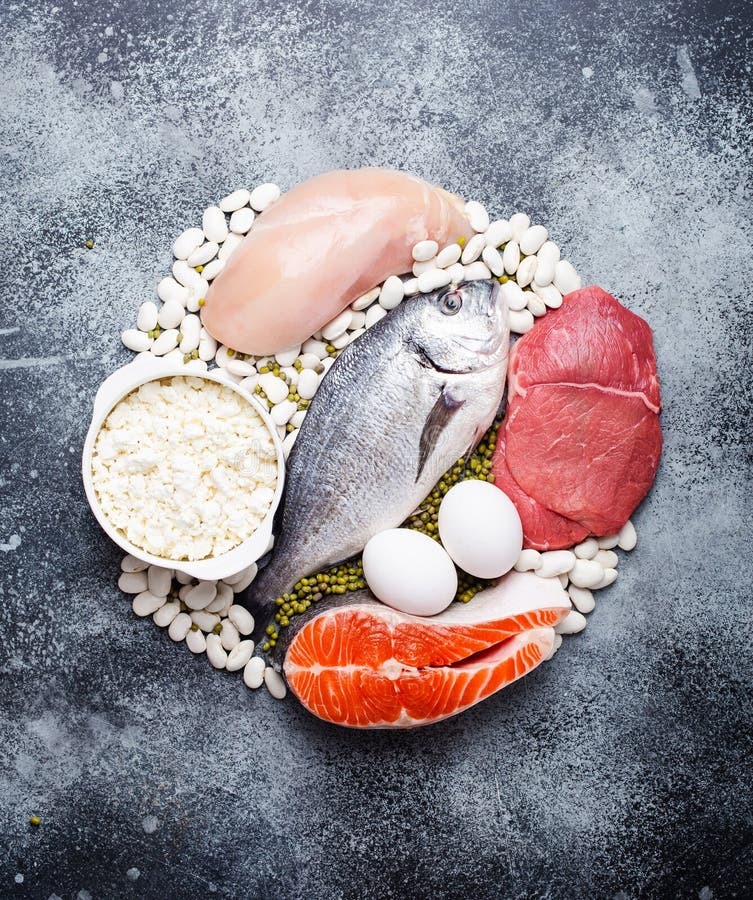
Affordable protein choices include beans, lentils, eggs, dairy, soy foods, canned fish and poultry. They differ in prep time, in the meals they suit, and in how much of the purchase you end up eating.
Eggs suit a daily breakfast cook. Dried lentils work in soups and grain bowls; canned fish keeps on the shelf and needs no cooking.
| Food category | Examples to compare | What to check | What could change the choice |
|---|---|---|---|
| Beans and lentils | Dried or canned beans, dried lentils | Price and protein in the same form: dry, cooked or drained | Cooking time, edible amount, leftovers |
| Eggs | Cartons of eggs | Price per dozen and protein for the eggs you buy | Breakfast habits, local prices |
| Dairy | Plain or Greek yogurt, cottage cheese | Protein per container and price | Formulation, dairy tolerance, refrigeration |
| Soy foods | Tofu, edamame | Price and total protein per package | Flavor, preparation, soy restrictions |
| Canned fish | Tuna and other canned fish | Protein per serving, price, drained weight | Fish species, taste |
| Poultry | Chicken breast and other cuts | Price per pound and usable meat | Bones, trimming, cooking and storage |
Peanuts, peanut butter and seeds add protein too, but their calories and typical serving sizes give them a different role. White flour can even look cheap in a crude ranking while doing a very different job in a meal.
How to Compare the Cost of Protein
Divide the package price by its total grams of protein, then multiply by 20. That gives you the price of 20 g of protein, whatever the package size.
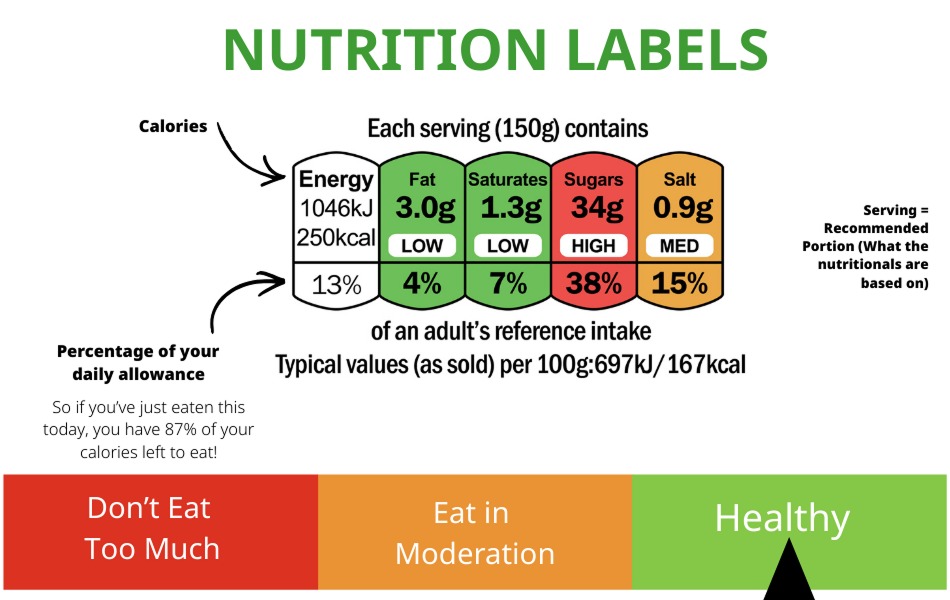
On a Nutrition Facts label, multiply protein per serving by servings per container to get the package total. Use that figure if the product lists total package protein.
Protein in the package (g) = protein per serving (g) × servings per container.
Cost per gram of protein = package price ($) ÷ total package protein (g).
Cost per 20 g protein = package price ($) × 20 ÷ total package protein (g).
Take two made-up products. Food A costs $2.40 and holds 40 grams of protein, which is $1.20 per 20 grams. Food B costs $3.00 and holds 60 grams, which is $1.00 per 20 grams. Food B costs 60 cents more at checkout, but its protein is 20 cents cheaper per 20 g.
Twenty grams is a calculation unit, not a portion size or a protein target. The FDA's Nutrition Facts label guidance also notes that a serving size reflects how much people typically eat, not an amount you should eat.
A Reddit contributor compared the cost of 100 grams of protein from tofu, mackerel, pork, and eggs.
I made a post a while ago (can't find it now) about how I calculate food costs based on obtaining 100 grams of protein. Based on that formula, tofu is now as expensive as most cuts of meat (other than beef and fresh/frozen seafood).
Tofu is now $1.99 a block. Doesn't sound bad; except a block only has 40 grams of protein ($4.98 per 100g). A can of mackerel is $3.29 and has 70 grams of protein ($4.70). For pork chops it's $4.17 to get 100 grams of protein. Eggs are back down in price and cost about $3.50 per 100g of protein.
I thought about going pescetarian but at this point it's cheaper for me to eat meat than soy, as I'd have too much difficulty getting adequate plant protein within a controlled calorie budget without soy.
I like beans/rice/veggies/etc but my protein needs are too high for them to be staple proteins and stay under a certain amount of calories.
The same food can be a bargain at one set of local prices and a poor deal at another. Protein cost, meat portions and lean-cut choice get a separate look in the lean-meats guide.
What if the label gives no protein amount?Wait until you find nutrition information for that product and food form. Without a protein figure, you can't calculate a cost per protein.
Protein Cost Comparison: Four Foods on the Same Scale
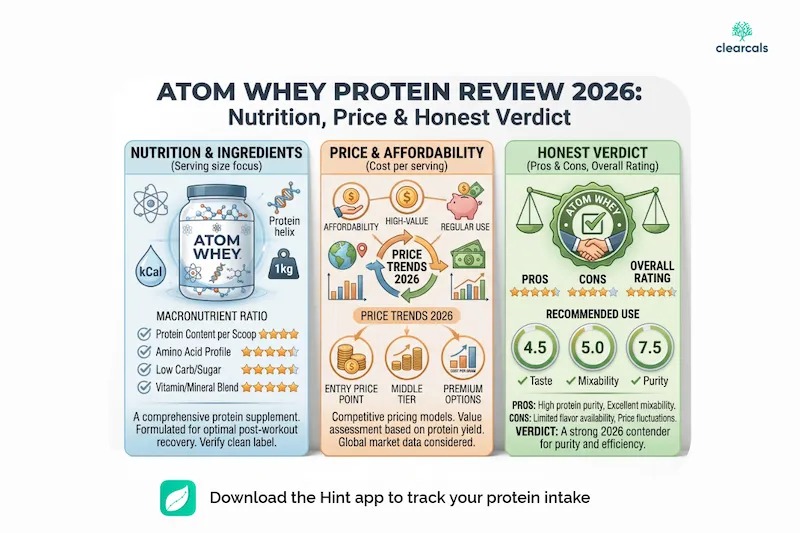
A dated comparison shows how the numbers behave across real food categories. In a June 2026 analysis, ProteinBenchmark combined U.S. Bureau of Labor Statistics price inputs with USDA food composition data to estimate the cost of crude protein in several common groceries.
These are the publisher's own estimates. The third column converts its published cost per 100 grams of protein to the 20-gram unit used here.
| Food | June 2026 estimated cost per 100 g protein | Calculated cost per 20 g protein | Meal consideration |
|---|---|---|---|
| Dried pinto beans | $1.67 | $0.33 | Dry-food preparation and cooked yield |
| Eggs | $2.84 | $0.57 | Number of eggs needed for 20 g |
| Whole milk | $3.56 | $0.71 | Volume, calories, dairy suitability |
| Boneless chicken breast | $4.10 | $0.82 | Cooking requirements, food form |
Dried pinto beans have the lowest estimated cost per 20 grams of protein of the four. They also take more prep than eggs or chicken.
For an official illustration of price movement, the BLS U.S. City-average price for large Grade A eggs was $2.141 per dozen in June 2026 and $2.272 in September 2026.
National averages and dated comparisons give you a starting point. Your store may charge a different amount, and a sale can reverse the order.
A gram count also doesn't measure how much protein any one person's muscles absorb or use, since amino-acid makeup and digestibility vary between foods.
Why Dry, Canned, and Cooked Food Costs Are Easy to Misread
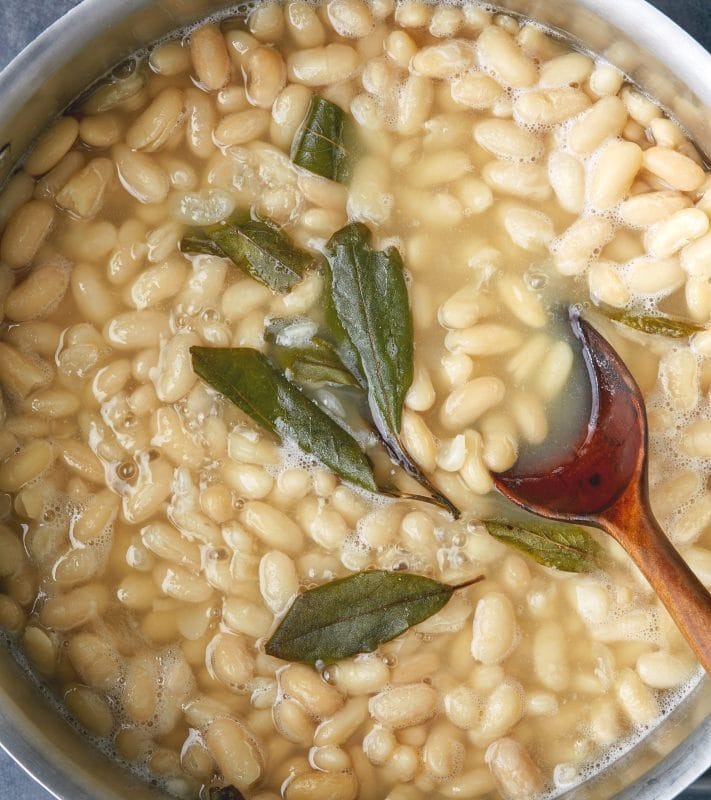
Water, draining and inedible parts change how much of what you buy you actually eat. The price, the weight and the nutrition data must all describe the same form of the food.
Dried lentils absorb water as they cook. The cooked batch weighs more, but you paid for the dry weight. Pairing a price per 100 grams of dried lentils with protein data per 100 grams cooked mixes two different bases.
Canned beans come with liquid you drain off. Canned fish has a drained weight that differs from the total contents. Poultry sold with bones holds less meat than the purchase weight suggests. The USDA Food Buying Guide gives purchased amounts and edible yields, and the right conversion depends on the food and how you prepare it.
When a nutrition reference gives grams of protein per 100 grams of edible food, calculate total edible protein (g) as edible weight (g) × protein per 100 g edible food (g) ÷ 100. Use that total in the cost formula above. The edible weight and the nutrition reference must describe the same prepared or drained form.
Preparation time belongs in the calculation too. A Reddit contributor soaked an entire bag of lentils but ran out of time to finish the job.
Disclaimer. I am not vegan however I do eat a fair amount of vegetarian food. I am posting this here rather than other food subs because I feel like there are probably more people in here experienced with what to do with sprouted lentils.
I soaked a whole bag of lentils the other day intending to make the lentil version of Burmese tofu with half of it and just pan frying the rest in a little bit of oil and spices till they crisped up - which is a popular Indian snack. However life got away from me and the lentils have now started sprouting. So now I need ideas of ways to use this whole bags worth of soaked/just barely started to sprout lentils.
I'm open to anything that I can make in quantity and freeze as I'm cooking for a household of one. I would prefer it to be something I can do quickly as I'll have about an hour to deal with them tonight and then after that I'm not going to have time to do anything with them until Thursday because I'm going to be gone all day tomorrow.
I have all the usual basic pantry items and a very well stocked spice drawer and would be willing to buy one or two additional cheap ingredients to make this work. I'm open to just about any sort of cuisine.
Cook only as much as your week and household can handle, not the whole bargain bag at once.
Choosing Between Beans, Dairy, Soy, Fish, and Meat
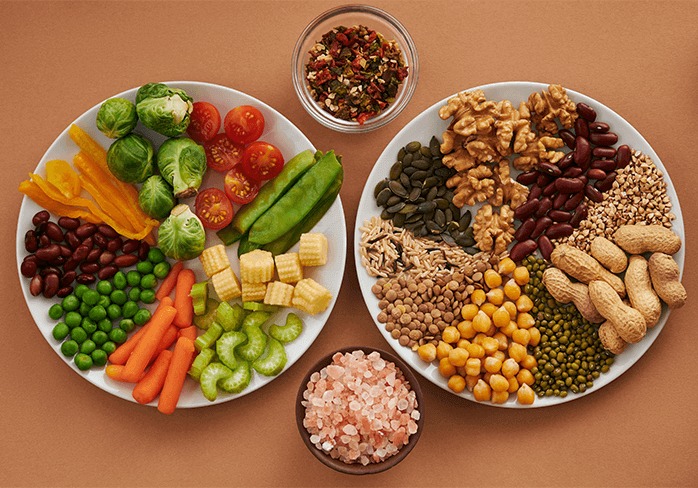
Foods with similar protein costs suit very different diets. Beans and lentils work for plant-based meals, and tofu and edamame add soy options. Eggs, dairy, fish and poultry widen the choices for people who eat them. To compare black beans, lentils and tofu on protein cost, start with how to calculate black bean protein per portion.
If you avoid dairy, compare lentils and tofu and skip yogurt and cottage cheese. A soy allergy changes the list again. If you dislike beans, lentils may work better, though swapping ingredients also changes the other nutrients in the meal.
Check the fish species first. The FDA and EPA advice about eating fish is aimed at people who are or might become pregnant, people who are breastfeeding, and children ages 1 to 11. It sorts fish into choices by mercury, so if you are in one of those groups, use the species-specific guidance when you eat fish regularly.
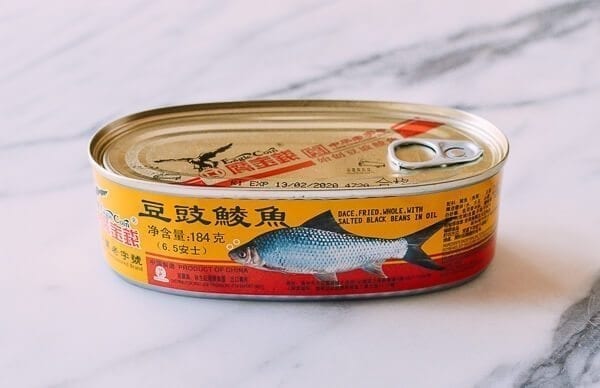
A source that looks cheap per gram can carry different calories, fiber, fat or other nutrients than the food it replaces. Protein price shouldn't be the only factor in what you buy.
Cheap Protein You Will Use and Enjoy
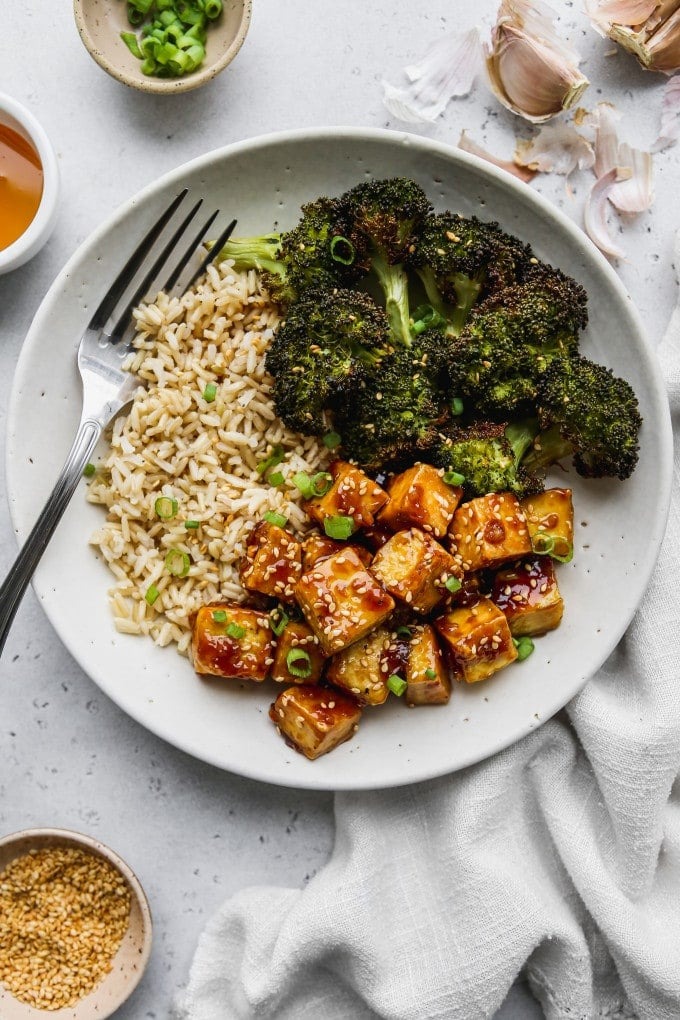
A low protein cost doesn't help if the food becomes a meal you dread or a package that sits uneaten. Flavor, texture and prep work belong in the decision.
The lowest price is no bargain when the food goes uneaten. A Reddit contributor described repeatedly trying—and disliking—tofu.
Possibly counterintuitive. With meat prices the way they are, I want to use tofu options as a protein but I can never get around the flavor. I've prepared savory tofu marinades, stir fry, several breaded and frying methods, and that silken chocolate pudding tofu. No matter which firmness I use, the light, fermented bean-ey flavor turns me off every time. I dont mind textures and I dont need it to taste like meat. Maybe my preparation methods are incorrect, or its a flavor you grow to be accustomed with.
Im poor, so I still eat it if unhappily, but any meal I make that I dont enjoy feels like a waste. But I love preparing food and finding alternatives, so I dont want to give up until ive exhausted every option. Give me your favorite recipe and tips on preparation! All cuisines welcome, short or long recipes.
A new preparation can make a cheap food work, especially if you enjoy cooking. After repeated failures, switching to another ingredient is the better budget move. Don't build your groceries around a food you keep disliking.
When Bulk Buying and Clearance Discounts Stop Saving Money
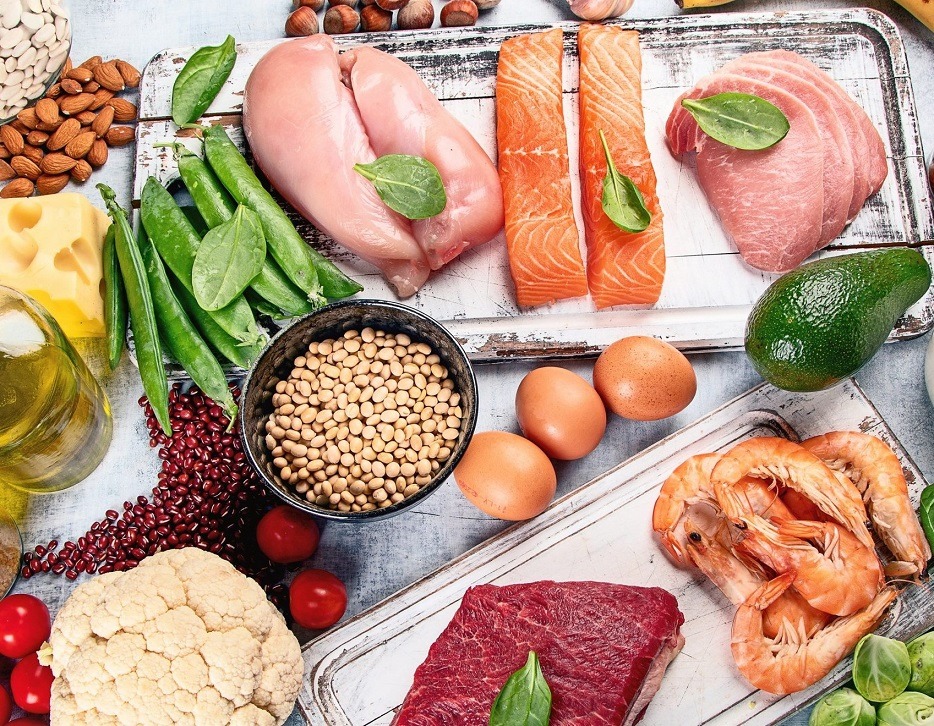
A discounted large package saves money only if you can use and store it. Tight freezer space, an unrealistic cooking schedule or food thrown out before use can wipe out the lower unit price. Pick a quantity you can handle and check the FoodSafety.gov cold food storage charts. Freezing doesn't make spoiled food safe.
Your Grocery-Store Protein Check
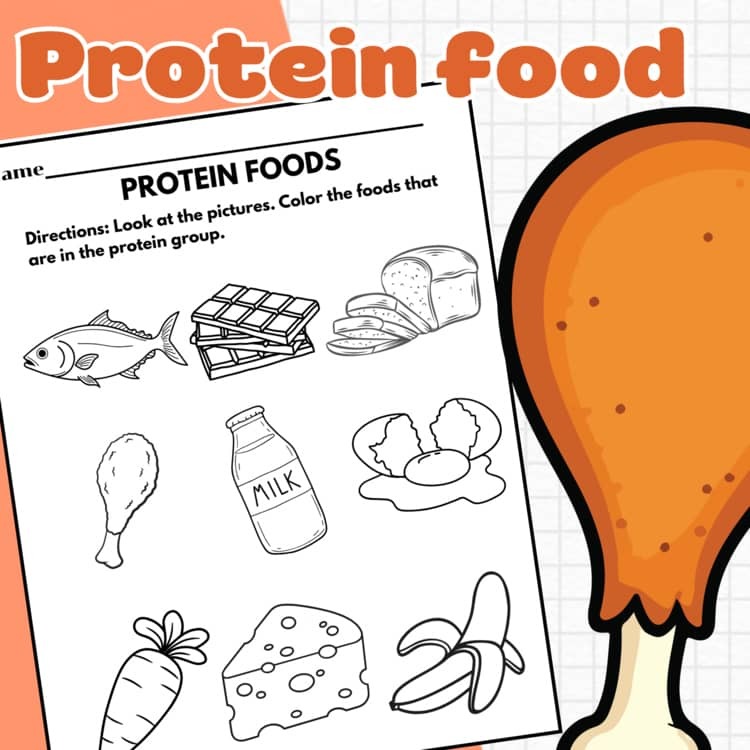
Pick two to four foods you would buy. In the worksheet, enter the local shelf price and date, the total package protein, and any prepared or edible-weight adjustment.
| Food and form | Local price and date | Total protein to calculate | Cost per 20 g | Check before comparing |
|---|---|---|---|---|
| Eggs, carton | Your price / date | Protein per egg × number of eggs | Your result | Eggs in the carton, egg size |
| Dried lentils, bag | Your price / date | Protein per dry-label serving × servings in bag | Your result | Dry-food basis, batch size you can cook |
| Tofu, package | Your price / date | Protein per serving × servings in package | Your result | Specific product, how you will prepare it |
Round the cost per 20 grams to two decimal places so small price differences show.