
How Much Protein Is in Black Beans? Cooked, Dry, and Canned Amounts
Plain cooked black beans provide about 15 grams of protein per cup, or 7 to 8 grams per half cup. Dry and canned beans vary by product and serving size, so check the label or database entry and work out the portion you actually eat.
How Much Protein Is in Black Beans?
One cup of plain, unsalted boiled black beans weighs about 172 grams. The cooked figures in the table use that weight.
| Black bean preparation | Amount | Protein | Calories |
|---|---|---|---|
| Cooked, boiled without salt | Half cup, 86 g | About 7 to 8 g | 114 |
| Cooked, boiled without salt | 1 cup, 172 g | About 15 g | 227 |
| Cooked, boiled without salt | 100 g | 8.86 g | 132 |
| Dry, uncooked | 100 g | 21.6 g | 341 |
The gram-based figures come from the historical USDA National Nutrient Database, Standard Reference 28. Half the cooked cup works out to 7.6 grams of protein, and the NIH Office of Dietary Supplements uses a rounded half-cup figure of about 7 grams.
How tightly you pack a measuring cup changes its weight. Use 172 g as the benchmark when you compare a scooped cup with a weighed serving.
The same cooked cup also has about 15 grams of fiber.
Why Dry and Cooked Black Beans Show Different Protein Numbers
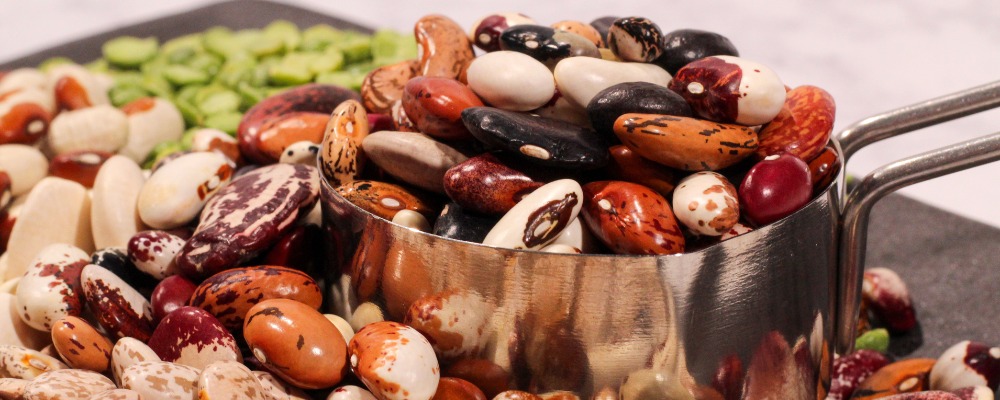
Dry black beans carry more protein per 100 grams because cooked beans absorb water. As the beans hydrate, each 100 grams holds more water and less of the original bean. These entries describe different food states, so they don't give a fixed cooked yield or nutrient-retention rate for your batch. Check whether they're for the beans as sold or after preparation before you log them if a dry-bean package lists values.
How Much Protein Is in Canned Black Beans?
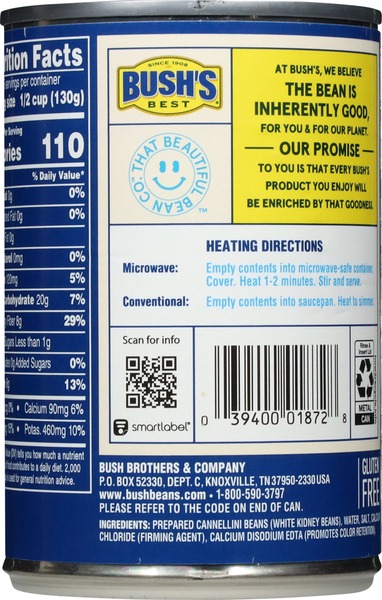
A USDA-based canned entry reported by Verywell Fit lists 7.3 grams of protein and 109 calories in a half cup weighing 120 grams. The Nutrition Facts panel on your can gives the exact amount for your product.
The cooked half cup in the first table weighs 86 grams, while this canned half cup weighs 120 grams. A cup measures volume, so compare gram weights when you apply the protein figures.
| Package information | What it tells you | How to use it |
|---|---|---|
| Serving size | The amount all the label's numbers refer to | Check it first |
| Servings per container | Roughly how many servings the package holds | Compare what you eat with the whole package |
| Protein | Grams of protein per serving | Multiply by the servings you eat |
| Drained weight or preparation notes, if listed | The edible or prepared weight | Compare portions by food weight |
The first three items are standard Nutrition Facts information. Drained weight and preparation directions, when given, appear elsewhere on the package. The FDA Nutrition Facts guide explains the rest of the label.
Eating half the can means eating half its listed servings, which can differ from half a cup.
Beans packed in liquid weigh differently from drained beans. When the package gives a drained or prepared basis, use it to match the figures to your portion.
Why Two Black Bean Labels Can Disagree (Even per Calorie)
Water absorbed during cooking changes the protein per 100 grams. Protein per 100 calories is a separate measure, and the difference matters when two labels disagree.
One r/veganfitness poster hit this exact problem and had already ruled out the water explanation.
Before you reply: No, the difference is not that canned beans have added water/expanded, but this is the only explanation I've seen people give online. These dry black beans have 13g of protein per 130 calories, and yet, these canned black beans have 8g of protein per 120 calories. What gives?
I am not saying protein per cup, or protein per oz... I am saying protein per calorie. "More bean per bean" is not the cause. "More bean" should be more calories and "less bean" should be less calories. But these labels both say similar calorie amounts (130 vs 120) and wildly different protein amounts. So something happens to the protein specifically. Where does the protein in dry beans go? Do all cooked beans lose that much protein?
Here are the poster's numbers per 100 calories:
- Dry-bean label: 13 g protein ÷ 130 calories × 100 = 10.0 g protein per 100 calories.
- Canned-bean label: 8 g protein ÷ 120 calories × 100 = about 6.7 g protein per 100 calories.
These numbers come from the poster's own labels; without the actual products, the cause stays open.
Water adds weight without adding protein or calories, so hydration alone can't change the protein-to-calorie ratio.
For comparison, the USDA dry-bean entry works out to about 6.3 grams of protein per 100 calories, and its boiled-bean entry to about 6.7. These come from two separate records, not from one batch measured before and after cooking.
To find out why two labels disagree, put both on the same basis, per 100 g or per 100 calories. Then compare the product, preparation, ingredients, serving weight, calories and rounding. If a gap remains, you need the original product details.
How to Count Protein in the Portion You Eat
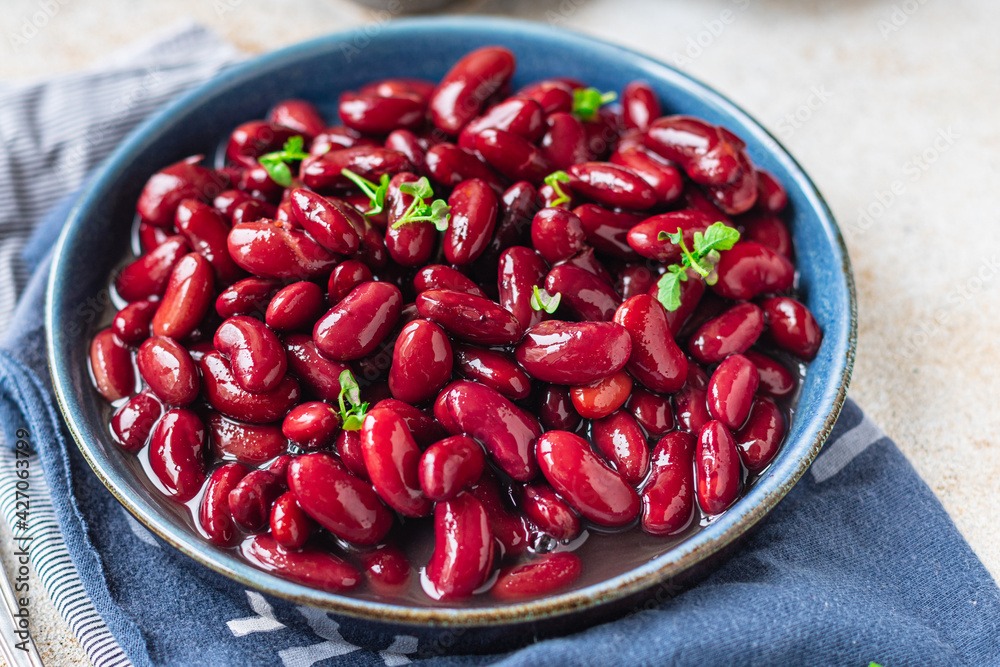
For plain cooked black beans, weigh the edible portion. The USDA cooked value gives 8.86 grams of protein for each 100 grams of beans.
Estimated protein (g) = cooked edible weight (g) × 8.86 ÷ 100.
For example, 150 grams of plain cooked beans contains an estimated 150 × 8.86 ÷ 100 = 13.29 grams of protein, or about 13.3 grams.
A homemade pot adds a second measurement, because the cooked weight differs from the dry weight you started with. Make sure each food-log entry matches the state of the quantity you record.
For a mixed or homemade batch:
- Record the ingredients: Weigh the dry beans and note anything you add.
- Record the cooked yield: Weigh the finished pot.
- Find your serving: Weigh the cooked amount you eat, or work out what fraction of the pot it is.
- Calculate the protein: Use a cooked-food reference or the recipe's ingredient totals for that portion.
Eat a quarter of the pot and you get a quarter of its total protein. Added ingredients, retained cooking liquid and the final cooked yield change how closely a generic bean entry matches your meal.
Dry, Soaked, and Cooked Beans Are Not the Same Thing
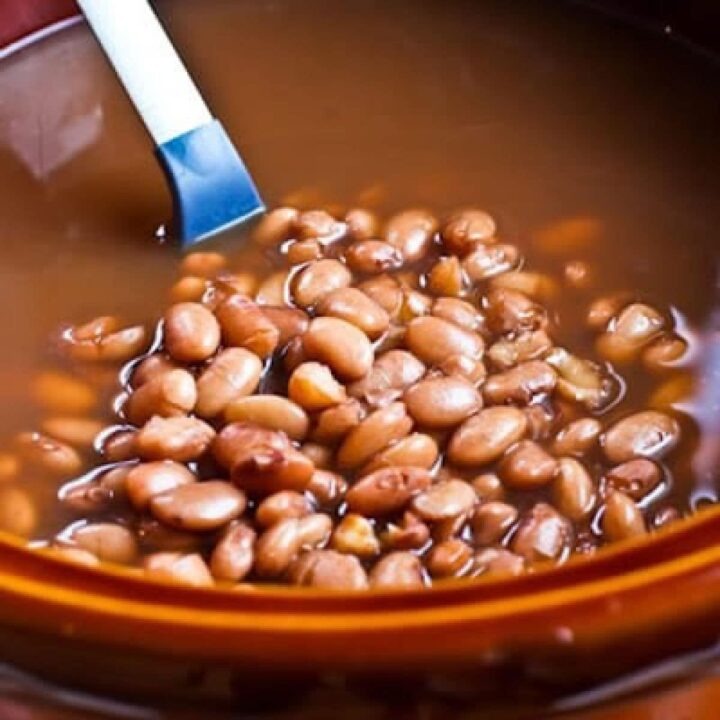
Soaking hydrates dried black beans. Cooking is a separate step that makes properly prepared beans ready to eat. Canned beans are already cooked.
One r/vegetarianrecipes poster mixed up the two:
My guess is no one here is as ignorant as me but I had some dried black beans, soaked them overnight and thought that, like dried lentils and some other beans, that soaking made them equivalent to canned in terms of being ready to eat. So I added them to my salad (they were a bit crunchy)... 3 hours later I was in agony and couldn't leave the toilet for the next 2 hours. Intense. I've had a bit of discomfort after beans before but this was waaaaaaaayyyyy beyond that. So anyway, hopefully you guys aren't as dumb as me but if you are!
Colorado State University Extension's Cooking Dry Beans guidance treats soaking as optional and says it can shorten cooking time. Even the quick-soak method requires cooking afterward.
On the stovetop, the university gives a general range of one to three hours, depending on conditions, and says to cook until the beans are tender. Follow your package's instructions and check tenderness before serving.
What Black Bean Protein Means for a Meal
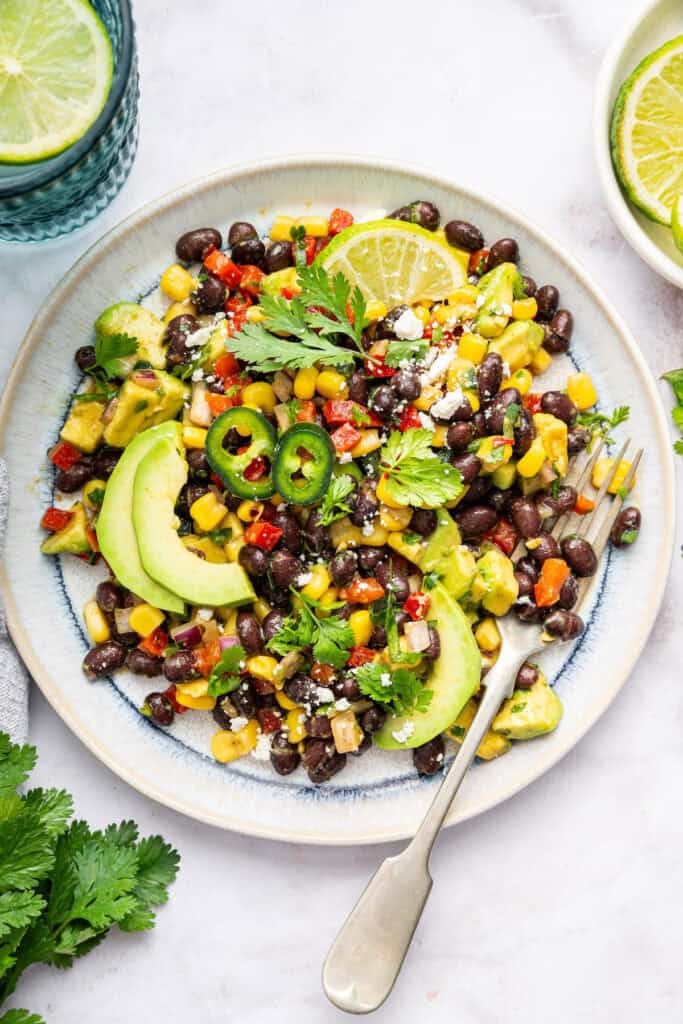
Black beans give you plant protein along with fiber. To compare legumes, plant-based iron, and meal portions, see vegetarian sources of iron by serving. For a cost comparison of black beans, lentils, eggs, and tofu, see affordable protein foods compared by serving.
Protein quantity and protein quality are different things. Quality depends on amino acid makeup and digestibility. A 2018 Nutrients study by Nosworthy and colleagues assessed processed beans using amino acid analysis along with laboratory and animal-model methods.
Compare cooked weight with cooked weight before judging how black beans fit your meal. For a side-by-side look at the protein, fiber, and cooked serving weights of black beans and soybeans, read the raw-versus-boiled soybean nutrition table.