
Plant Food Nutrition: Find Facts About Beans, Vegetables, Fruits, and More
Choose the guide for the exact food and question: nutrition facts, a comparison, or safe preparation. Match its food form and serving size to yours. If the food has a specific preparation hazard or health-condition exception, follow its dedicated safety guidance first.
Find the plant-food answer you need: nutrition, comparison, or preparation
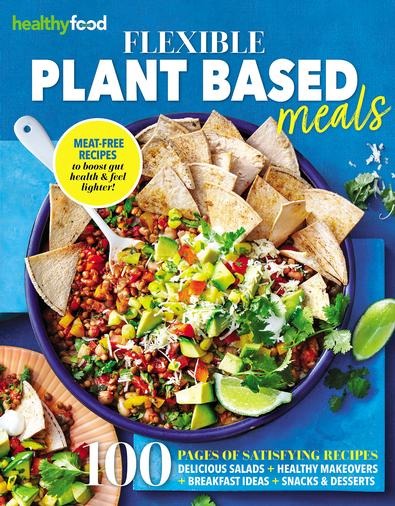
You have black beans in the pantry and want to know their protein content. A pumpkin on the counter raises a different question: can you eat it uncooked? The right place to start depends on the food and the information you need.
The links below take you to the corresponding food collection on this page.
| Question | What matters | Collection to browse |
|---|---|---|
| Nutrition facts | Named food, edible portion and amount | Beans and legumes, including black-bean protein |
| Food comparison | Matched foods, quantities and preparation states | Vegetables, roots and shoots, including broccoli versus cauliflower |
| Preparation or safety | Raw or prepared form, and any specific hazard | Enoki mushrooms or bamboo shoots and pumpkin |
For berry polyphenols, white-peach calories, mulberry identification or melon names, go to fruits and berries. There are 14 named-food topics across these four collections, including one culinary mushroom entry.
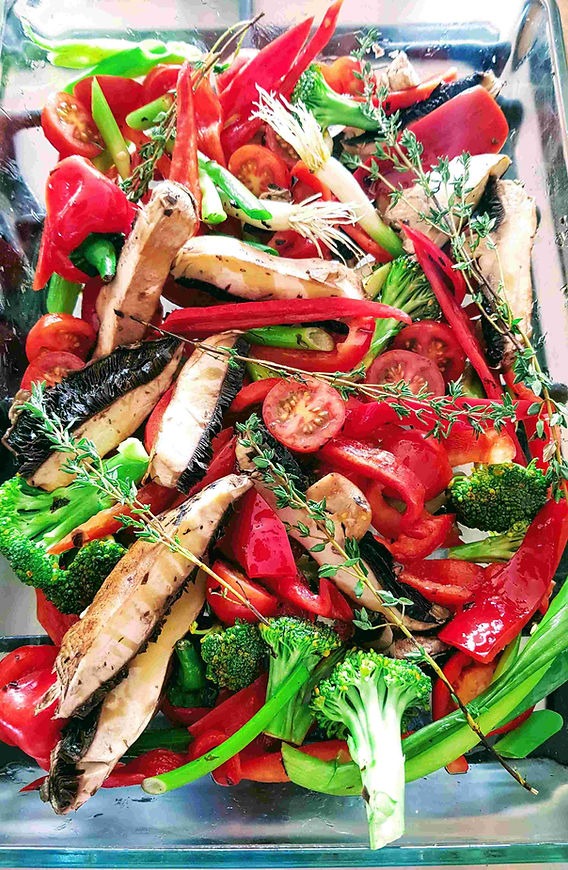
The collection covers individual foods and their characteristics. Planning an entire vegetarian or vegan diet involves a broader set of dietary questions.
Beans and legumes: choose by nutrition, digestion, or a specific condition
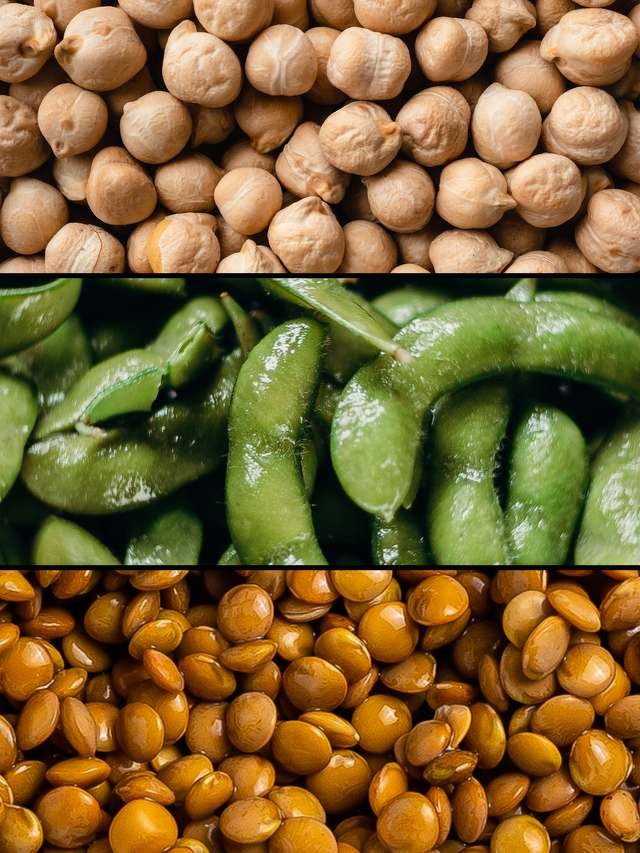
Black-bean protein, lentil-related gas and fava-bean safety call for different kinds of evidence.
| Food | Named-food topic | Question it addresses |
|---|---|---|
| Lentils | Lentils and Gas | Digestion, gas and preparation context |
| Fava or broad beans | Fava Bean Nutrition | Nutrition facts and a condition-specific warning |
| Green beans | Green Bean Nutrition | Food-specific nutrient information |
| Soybeans | Soybean Nutrition | Nutrients in soybeans |
| Black beans | Black Bean Protein | Protein amount for a defined portion and food form |
Beans contain carbohydrates and fibers that intestinal bacteria can ferment. Raffinose is one contributor to gas. A 2011 report of three bean-feeding studies found variation in participants' reports of flatulence; it did not establish a single adaptation timetable for everyone who eats lentils.
Someone using drained canned beans has a different preparation routine from someone cooking dried beans. That convenience choice and an individual's digestive comfort are separate parts of the decision.
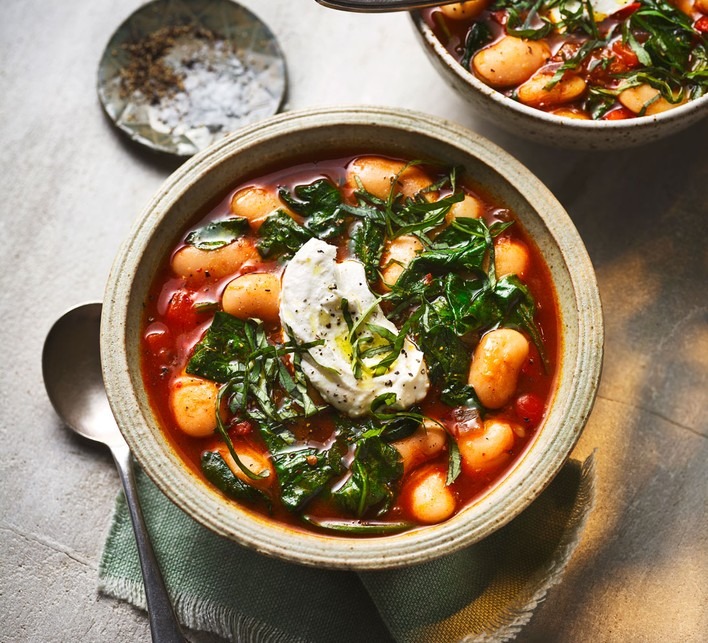
Fava beans carry a specific exception. In people with glucose-6-phosphate dehydrogenase (G6PD) deficiency, eating them can trigger hemolysis, or the breakdown of red blood cells. MedlinePlus Genetics documents this risk. People with the condition need appropriate clinical guidance about fava beans.
Vegetables, roots, and shoots: food form and edible preparation matter
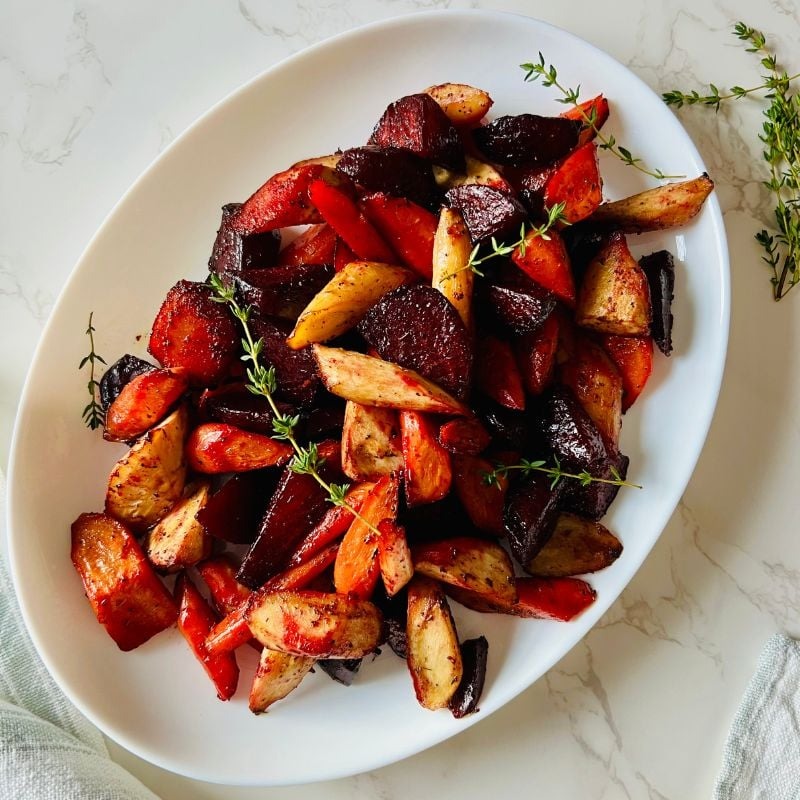
For vegetables and roots, the useful answer often turns on the part of the food being discussed and whether it is raw, cooked or commercially prepared.
- Bamboo Shoot Nutrition: Nutrition information for bamboo shoots, with a preparation distinction between fresh unprocessed shoots and prepared products.
- Broccoli vs. Cauliflower: A comparison of these two vegetables using equivalent food amounts and states.
- Can You Eat Pumpkin Raw?: An edibility question about uncooked pumpkin and the relevant edible portion.
- Jicama Nutrition and Benefits: A named-root nutrition question tied to the edible portion.
Raw broccoli and steamed cauliflower differ in both the food being compared and its preparation.
Fresh, unprocessed bamboo shoots contain cyanogenic glycosides and require appropriate processing before eating. Food Standards Australia New Zealand describes this hazard and its treatment in fresh shoots.
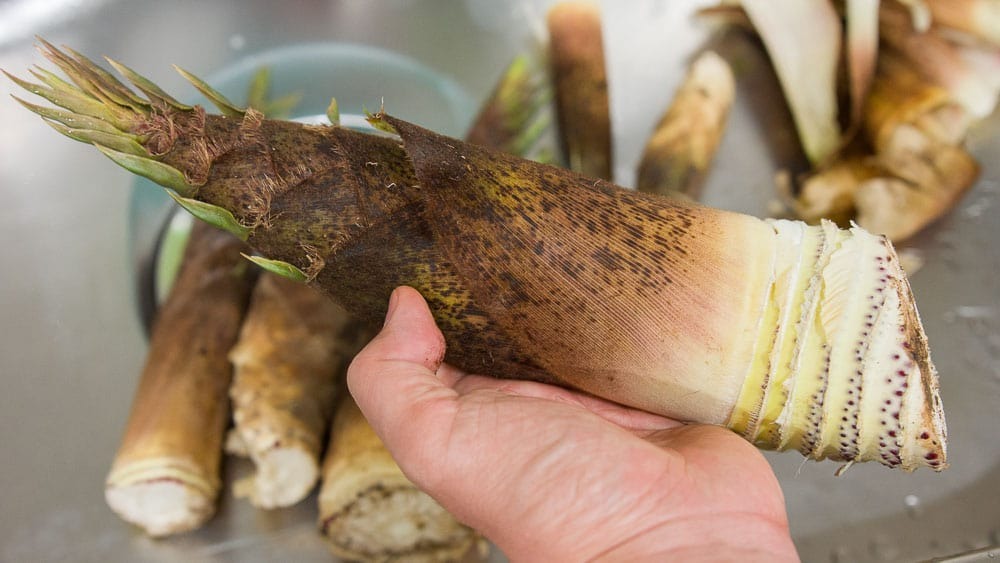
Packaged, processed bamboo shoots have a different preparation history from fresh shoots.
Fruits and berries: distinguish a food, a nutrient claim, and a comparison
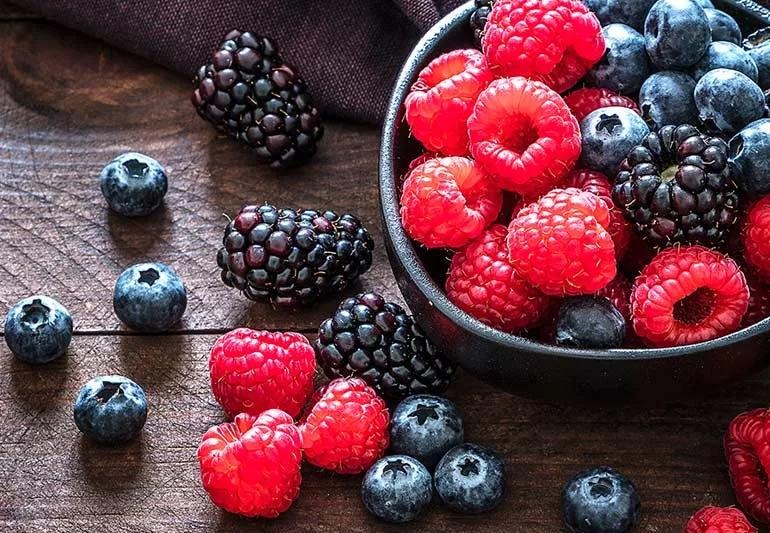
Some fruit questions require identification; others need a measured amount or a comparison between named foods.
| Food | Named-food topic | Reader's question |
|---|---|---|
| Berries | Berries With High Polyphenols | Which named berries can be compared on a specified polyphenol measure? |
| Mulberries | Mulberry Nutrition | What is a mulberry? |
| White peaches | White Peach Calories | How much energy is in a defined edible amount? |
| Muskmelon and cantaloupe | Muskmelon vs. Cantaloupe | How do the names and fruit classifications relate? |
A polyphenol comparison needs the named berries, a defined measure and the fruit's form. Even a measured difference in polyphenols would not establish that eating a particular berry prevents or treats disease.
For white peaches, a calorie figure needs an edible quantity and a matching food record. “Per serving” becomes a meaningful basis only when the serving's size is identified.
The mulberry entry addresses fruit identity, while the muskmelon and cantaloupe entry addresses naming and classification.
The culinary exception: enoki mushrooms are fungi, not plants
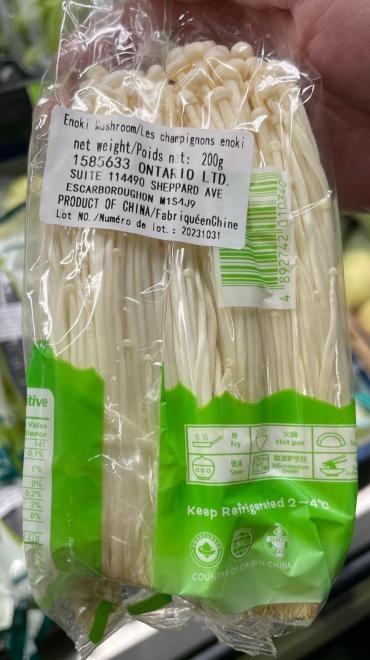
The Enoki Mushroom Nutrition and Safety topic belongs here for culinary convenience; fungi form a biological kingdom separate from plants. The CDC's enoki guidance documents Listeria outbreaks and advises cooking enoki thoroughly while keeping raw enoki apart from foods served uncooked. CDC also advises pregnant people, adults aged 65 or older, and people with weakened immune systems to avoid raw enoki. A May 2026 FDA recall concerned specific enoki products following positive testing; for a potentially affected package, compare its brand and lot information with the applicable FDA recall notice.
Compare plant-food nutrition fairly: match the food form, amount and source
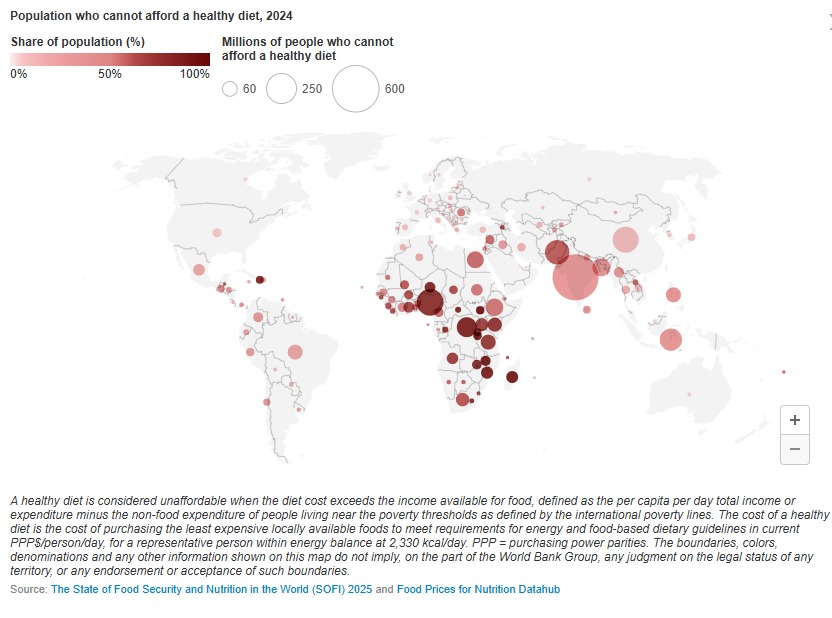
A reliable nutrient comparison begins with two records that describe compatible food forms and quantities. One entry may list protein per 100 grams of cooked beans, while a package label gives values per serving. Those numbers need a common basis before they can be compared.
Dry lentils and cooked lentils are different food states. Equal weights of each represent different amounts of water and food material.
| Record field | Identify | Why it matters |
|---|---|---|
| Food identity | Exact food, variety or product | Prevents comparing unlike items under a shared name |
| Preparation state | Raw, cooked, dry, canned or drained | Separates materially different food forms |
| Quantity basis | Per 100 g or per labeled serving | Supplies a common amount for comparison |
| Nutrient and unit | Protein in grams, energy in calories or another named nutrient | Keeps measurements in compatible units |
| Record provenance | FoodData Central dataset and specific food record | Identifies where the value originated |
USDA FoodData Central distinguishes Foundation Foods, which include analytical food-composition data; the Food and Nutrient Database for Dietary Studies (FNDDS), designed for dietary-survey applications; and Branded Foods, which include manufacturer-associated product information. The dataset category gives context for a number before it is used in a comparison.
For example, a protein value for cooked, drained canned black beans cannot be set directly against an equal weight of dry soybeans without addressing their food states. A white-peach calorie figure per serving also needs the serving's verified mass before comparison with a per-100-g record.
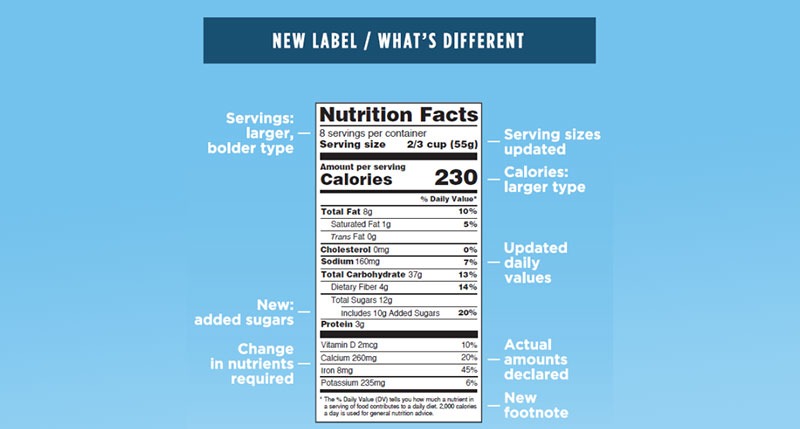
A blank nutrient entry is not a measured zero.
USDA FoodData Central's downloadable-data inventory lists October 2026 releases for Foundation Foods and Branded Foods.
Choose the guide for the exact food and question, then match its food form and serving size to yours. When a specific preparation hazard or health-condition exception applies, follow that food's safety guidance first. The next step is to use the matching named-food topic.
Explore this topic
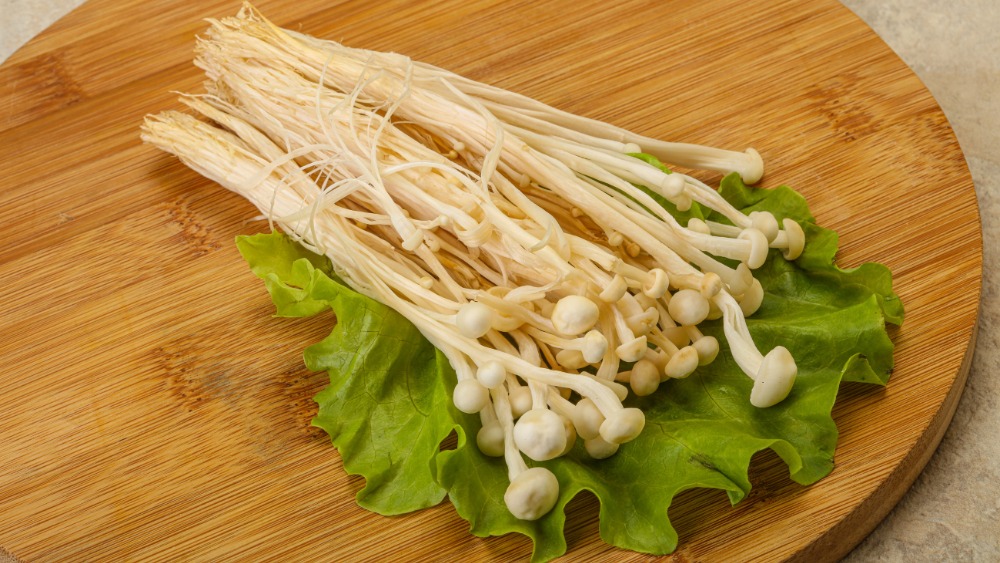
Enoki Mushroom Benefits: Nutrition, Evidence, and Food Safety
Explore enoki mushroom nutrition per 100 g, what health studies actually tested, why thorough cooking matters, and how to check US recalls by product and lot.
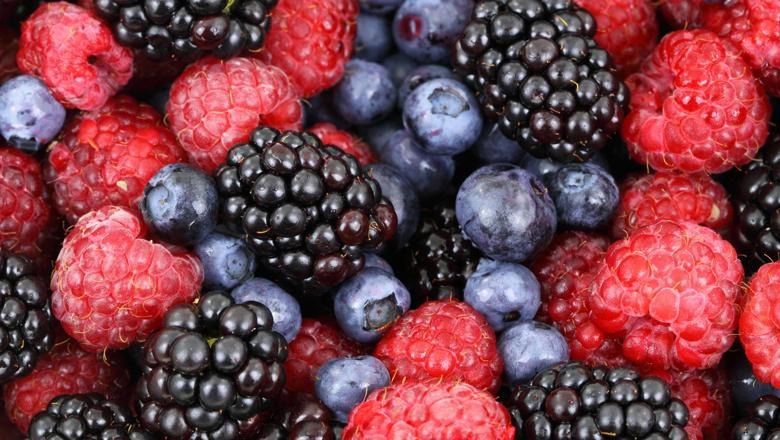
Which Berries Are High in Polyphenols? What the Numbers Mean
Compare six berries by source-reported polyphenols per 100 g, learn why measurements differ, and choose between fresh, frozen, and specialty fruit.
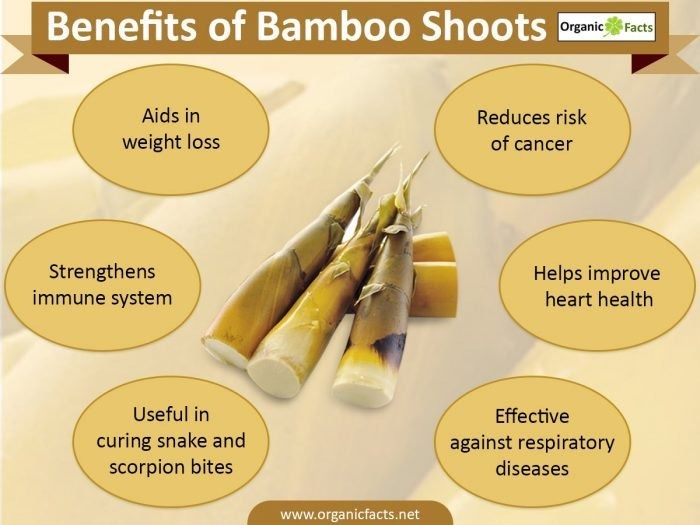
Bamboo Shoots Nutrition: Calories, Nutrients, and Safe Preparation
Compare bamboo-shoot calories, protein, fiber, potassium, and sodium across raw, boiled, and canned forms, plus fresh-shoot safety and label checks.
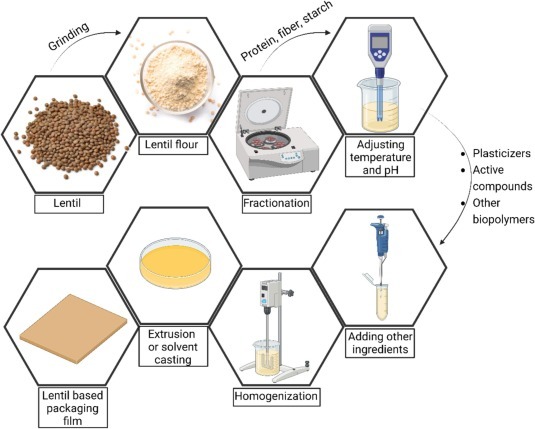
Do Lentils Cause Gas? Why It Happens and What to Try
Lentils can cause gas. Compare portion sizes, soaking, canned brine, and soup preparation, plus signs that digestive symptoms deserve medical attention.
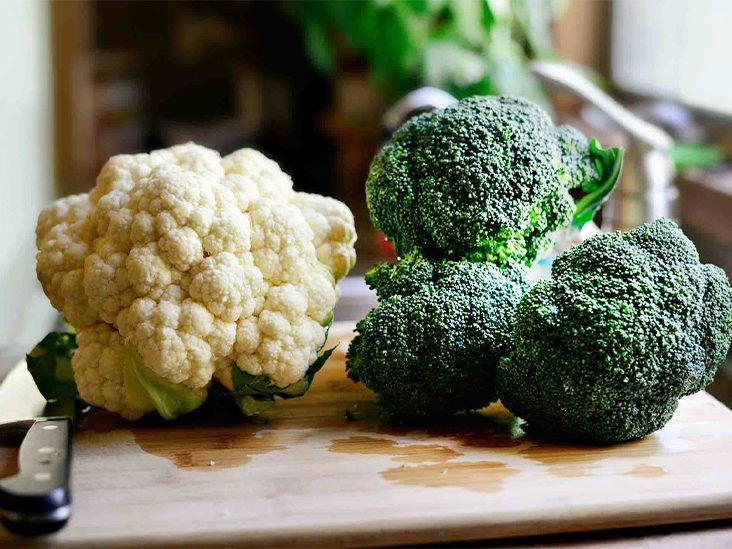
Broccoli vs. Cauliflower: Which Is More Nutritious?
Compare broccoli and cauliflower per 100 g, with vitamin, fiber and calorie figures, cooking differences, and guidance for choosing what fits your meals.
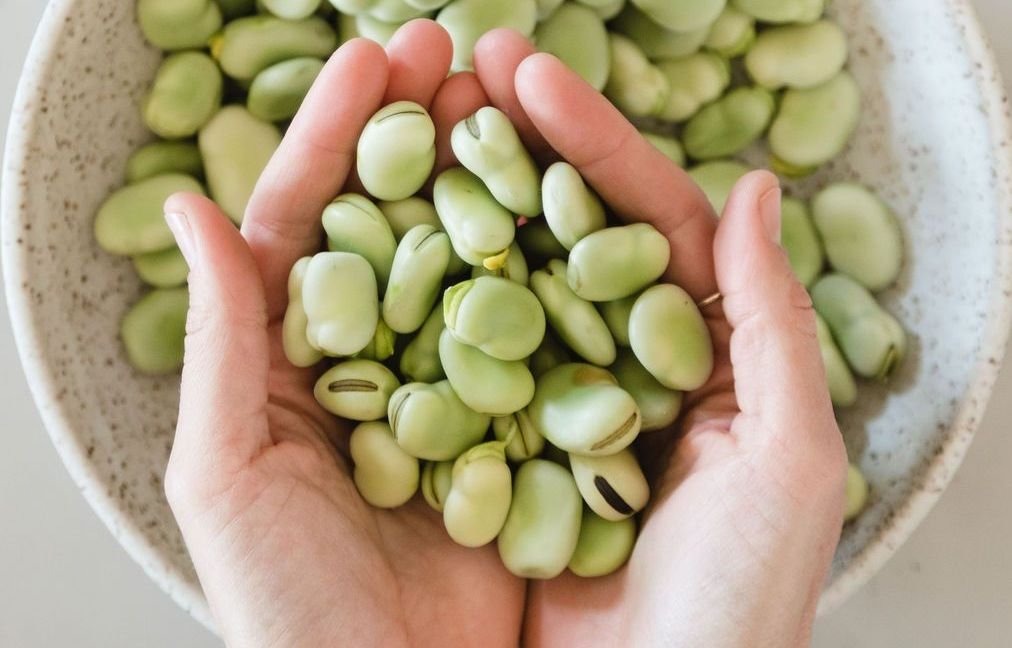
Fava Bean Nutrition: Broad Beans, Portions, and Preparation
Compare cooked, fresh, and dried fava bean nutrition, understand protein and folate per serving, and learn key G6PD and medication-related precautions.
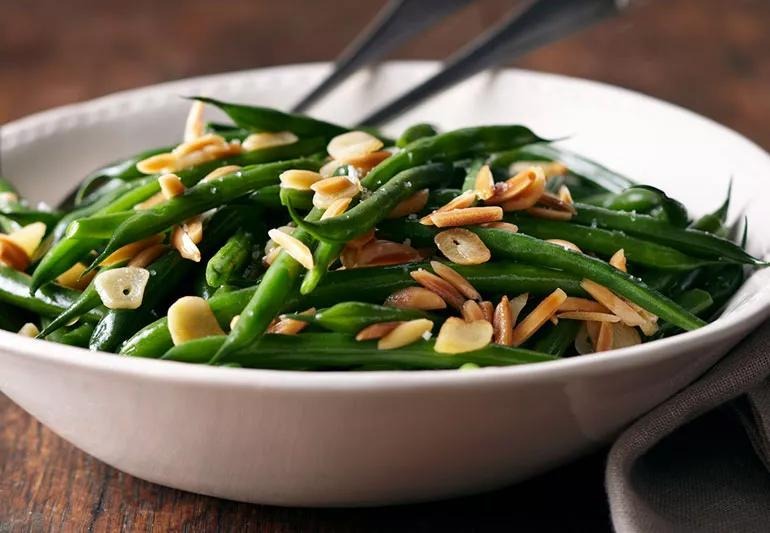
Green Bean Nutrition: Calories, Fiber, Protein, and Preparation
See green bean calories, fiber, and protein by real serving size, plus why USDA values differ and what fresh, frozen, canned, and added ingredients change.
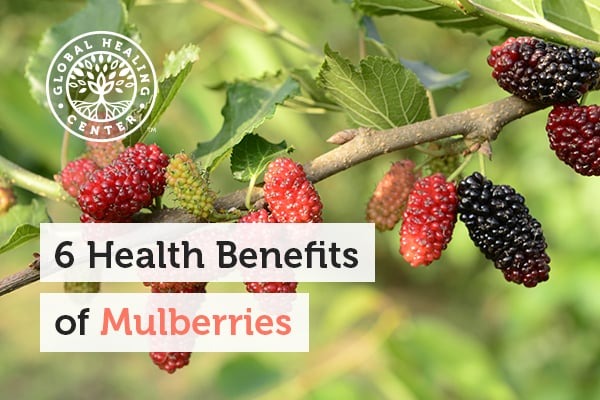
What Is a Mulberry? Types, Taste, Nutrition, and Uses
Mulberries grow on trees, and ripe colors vary by species. Compare raw-fruit nutrition, ripeness clues, handling steps, and fresh or preserved uses.
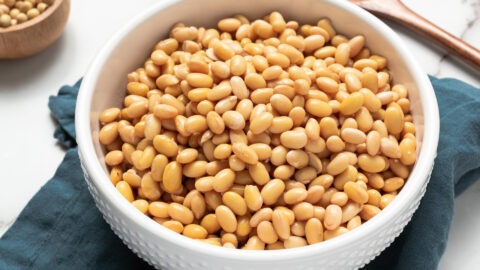
Soybean Nutrition: Protein, Fat, and Raw vs. Cooked Portions
Compare dry and boiled mature soybean nutrition per 100 g. Learn which USDA food entry to use and how to calculate calories and protein for your portion.
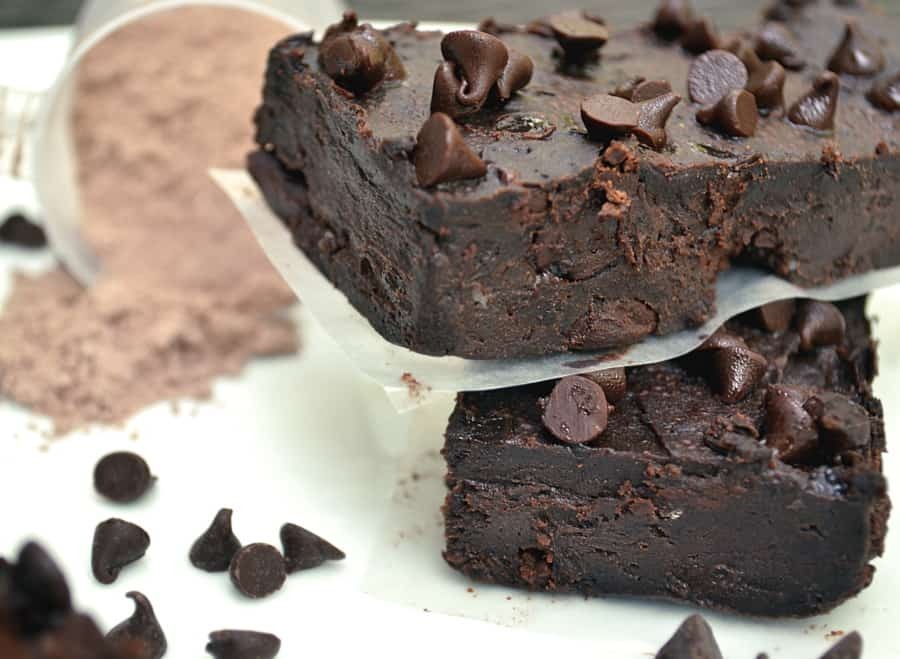
How Much Protein Is in Black Beans? Cooked, Dry, and Canned Amounts
How much protein is in black beans? See cooked, dry and canned serving amounts, compare nutrition labels, and calculate protein in the portion you eat.
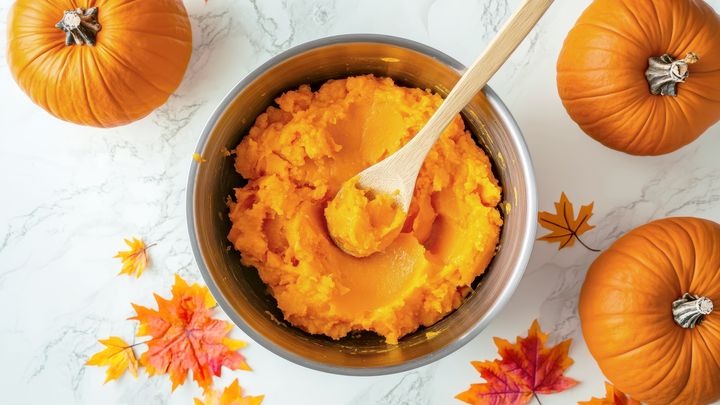
Can You Eat Pumpkin Raw? When It's Safe and When to Skip It
Can you eat pumpkin raw? Learn which pumpkins are suitable, how to prepare the flesh, why strong bitterness matters, and how to handle leftovers safely.
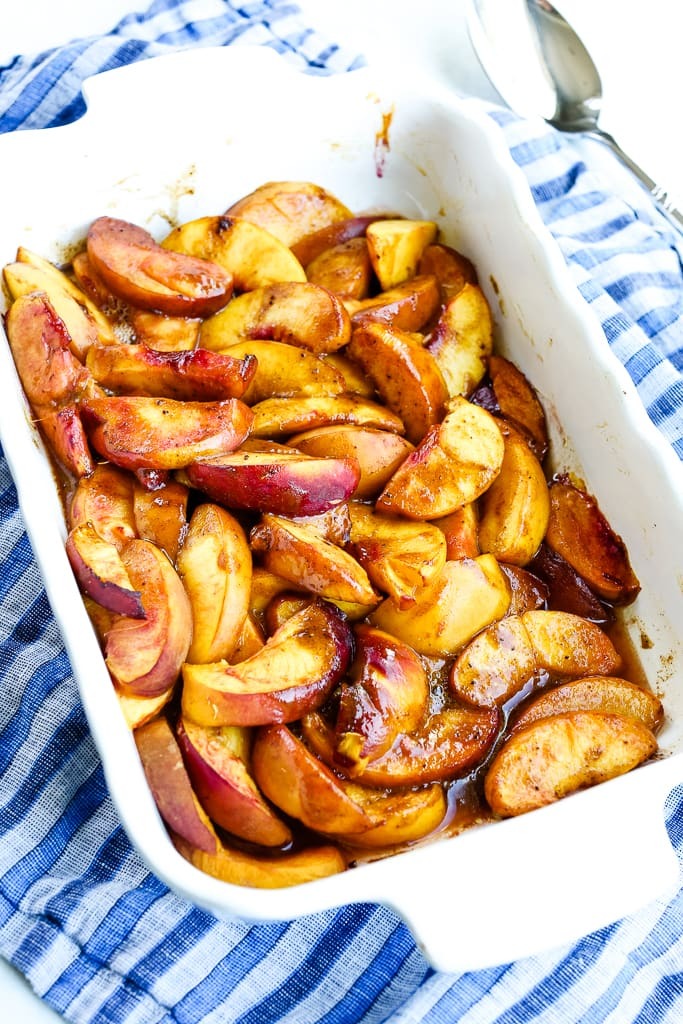
How Many Calories Are in a White Peach? Portions and Nutrition
A medium white peach is listed at 60 Calories. Calculate weighed portions using a white-peach reference and compare source-specific calorie values.
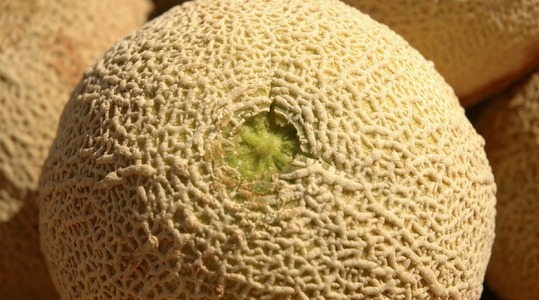
Muskmelon vs. Cantaloupe: What the Names Mean and How the Types Differ
Muskmelon and cantaloupe often mean the same US melon. Compare Western, Eastern, and European types, rind clues, ripeness, and nutrition portions.
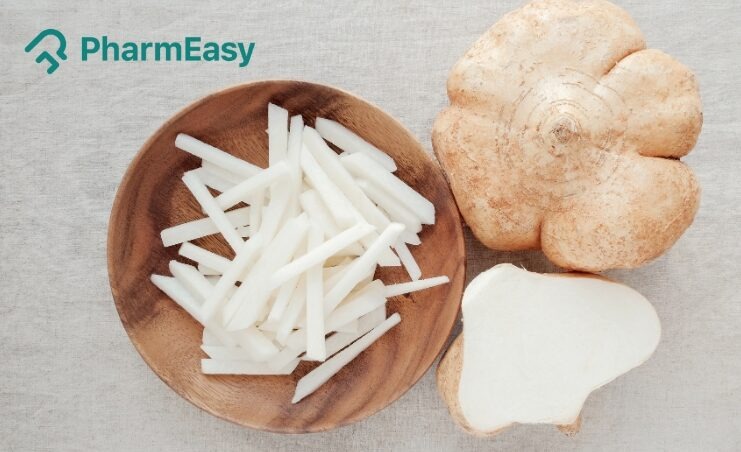
Is Jicama Healthy for You? Nutrition, Benefits, and How to Eat It
Is jicama healthy? Compare its raw calories, fiber, and vitamin C; learn which parts are edible, how to store it, and why cooking keeps it crisp.