
Muskmelon vs. Cantaloupe: What the Names Mean and How the Types Differ
In the typical US grocery store, cantaloupe is the netted melon also called muskmelon. Growers, seed sellers, and specialty markets sometimes use the names for more specific horticultural or commercial types.
Are muskmelon and cantaloupe the same thing?
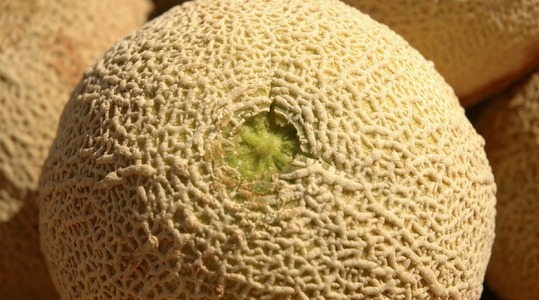
The familiar cantaloupe has rough tan netting on the outside and orange flesh inside. In everyday American use, cantaloupe and muskmelon often name this same cultivated form of Cucumis melo, though horticultural labels can be more specific.
Purdue University Extension lists muskmelon as another name for cantaloupe in its consumer food guide. Differences only show up once you get into cultivars and horticultural groups. Some sources stretch muskmelon to cover other Cucumis melo melons, honeydew included.
Why the names differ: American netted melons and European cantaloupes
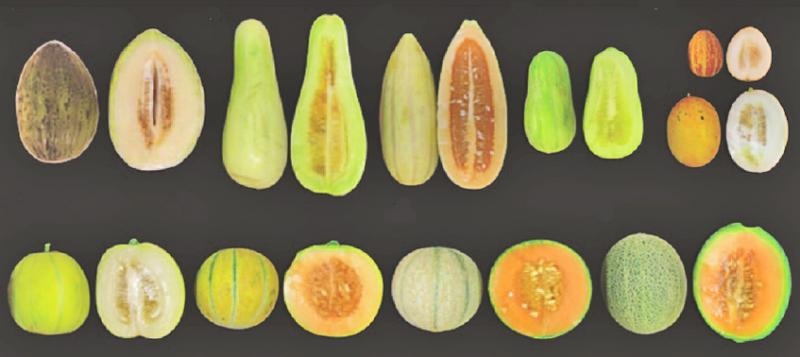
The American netted cantaloupe belongs to the Reticulatus Group of Cucumis melo. Traditional European cantaloupes fall in the Cantalupensis Group. Both are the same species in the cucurbit family.
American types develop a raised, corky network across the rind; traditional European types, Charentais-style melons included, have smoother, sometimes gray-green skin with pronounced ribs. Their flesh can be orange too.
Those group names describe cultivated forms, while everyday labels follow regional and commercial habits. Horticultural references classify some varieties differently, and Iowa State University Extension explains the naming and growing distinctions in more detail.
How the main types look side by side
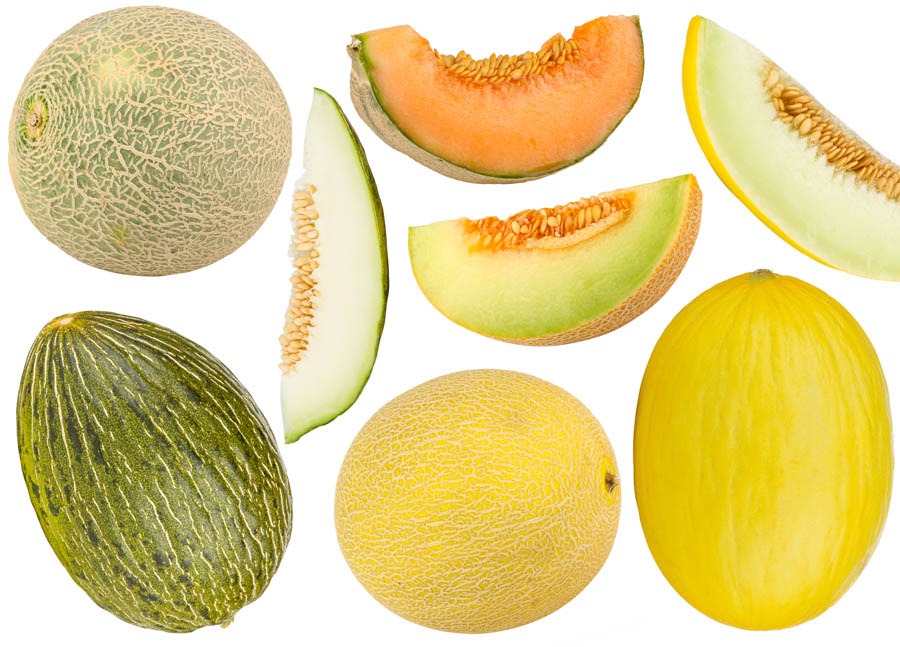
In the US, muskmelons also come in Western and Eastern commercial types, and the rind tells them apart.
| Type | Representative rind and shape | Market detail |
|---|---|---|
| Western US shipper, commonly sold as cantaloupe | Round, with dense, fairly uniform netting and shallow grooves | Target weight: 2 to 4 lb; orange flesh |
| Eastern US muskmelon type | Round to oval, with deeper grooves and less-uniform netting | Typical weight: 5 to 8 lb; orange to salmon flesh |
| Traditional European cantaloupe | Smoother, ribbed, or gray-green; can look unlike the usual American netted melon | Includes Charentais-style examples; no weight given |
The weights come from the commercial categories in Seminis's melon-type guide. Tell a market type apart by netting, grooves, and overall shape together.
Tuscan melons don't fit the split. Seminis describes types with prominent netting and deep grooves together.
What a store sign or seed packet tells you
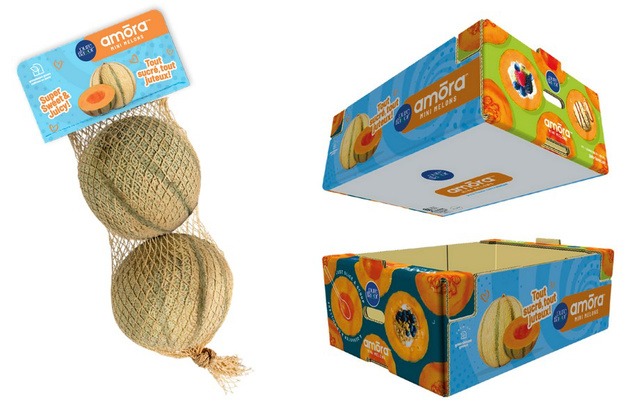
Store signs use the broad regional name. A seed packet may list both “muskmelon” and “cantaloupe” for the same type. The cultivar name tells you the expected rind, size, and harvest traits, so if you need to know exactly what you have, look for it on the packet, produce tag, or supplier listing.
Do they taste different or ripen differently?
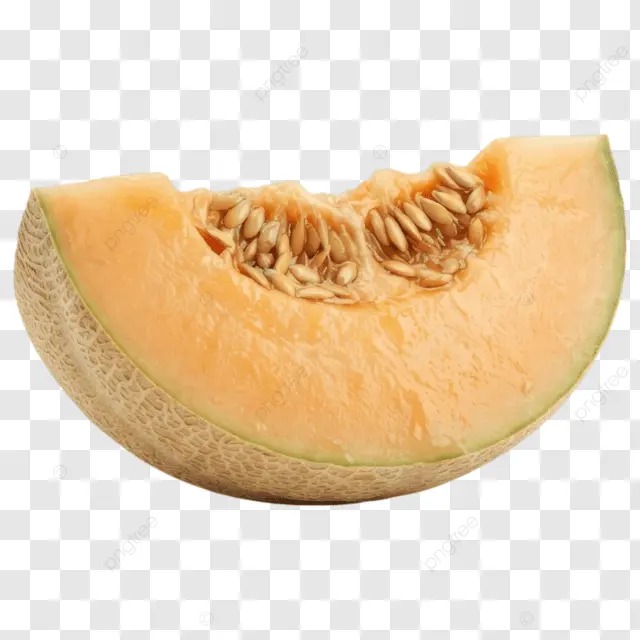
A melon labeled muskmelon is not predictably sweeter than one labeled cantaloupe. Cultivar and maturity shape flavor.
For a netted cantaloupe in an American grocery store, Purdue's consumer guidance comes down to three checks: a melon fragrance, a cream or yellowish undertone beneath the raised netting, and no significant bruising or visible damage. Fragrance and looks don't guarantee sweetness. A home grower on Reddit ran into exactly that:
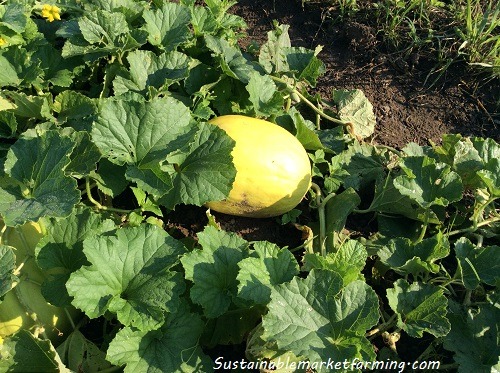
I picked two this year in exactly this way. The first fell off the vine and the second I lifted it to see if it was done and it snapped right off.
Both of them were completely tan and were VERY fragrant. Cut into it and it filled the room kind of fragrance. Super juicy, but the flesh was kinda bland? Maybe I was just expecting more since the smell was so strong, but I was surprised the flavor wasn't much stronger than a store bought melon.
Do you think I should've done something different or is this pretty common?
Stem separation depends on the variety. Traditional slip-type muskmelons detach readily at maturity. Seminis describes some long-shelf-life cantaloupes as no-slip: growers cut or clip them from the vine, leaving a small piece of stem.
For homegrown melons, use the harvest guidance for the named cultivar.
Is muskmelon or cantaloupe more nutritious?
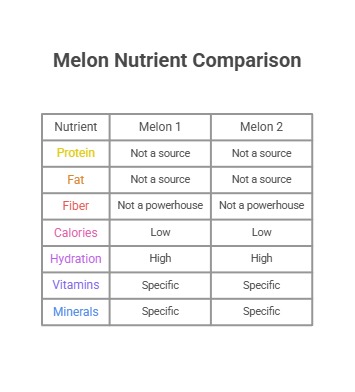
If both names mean the American cantaloupe, comparing their nutrition means comparing one food under two labels. Calorie figures still vary between sources because the servings differ. The white-peach calorie guide shows the same effect with another fruit.
| Source | Food and serving | Edible weight | Calories |
|---|---|---|---|
| Purdue Extension | Cantaloupe, 1 cup melon balls | 177 g | 60 kcal |
| Healthline | Cantaloupe, 1 cup diced | 156 g | 53 kcal |
| Healthline | Honeydew, 1 cup | 170 g | 61 kcal |
The first two entries are different portions of cantaloupe. The third is honeydew, another melon within Cucumis melo. A fair comparison between varieties uses named foods and equal edible weights, so compare 100 g portions and their identified records in USDA FoodData Central.
Before you cut a melon
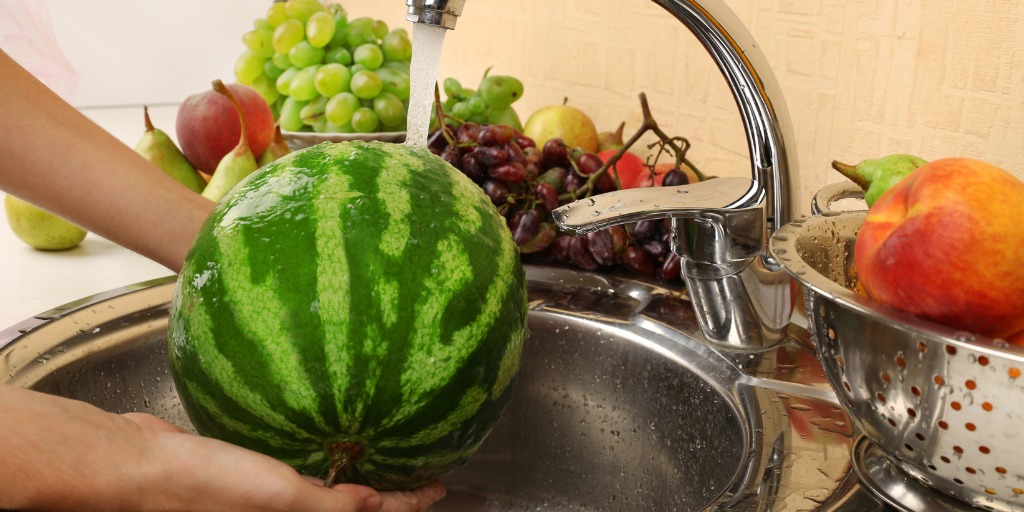
Clean a netted rind before you cut it. The US Food and Drug Administration advises washing fresh produce under running water, scrubbing firm melon rinds with a clean produce brush, and keeping preparation tools and surfaces clean. Do not use soap or detergent on fresh produce.
If an unfamiliar volunteer cucurbit from your garden is intensely bitter and you can't identify it, stop tasting it.