
Green Bean Nutrition: Calories, Fiber, Protein, and Preparation
Boiled green beans have 35 calories, 3.2 g of fiber, and 1.9 g of protein per 100 g. Fresh and frozen green beans are both workable choices; canned beans need a look at the sodium figure. Portion, preparation, and added ingredients change these numbers, so match the figure to what is on your plate.
Green beans look simple enough on a plate. Yet one nutrition database lists 31 calories per 100 grams, another lists 40, and a cup of cooked beans comes with a third number.
This article covers the green snap bean: the tender, edible pod also called a string bean; mature dried bean seeds have their own nutritional profiles. The numbers here are for green pods sold fresh, frozen, or canned.
Green Bean Nutrition Facts: 100 Grams and a Cooked Cup
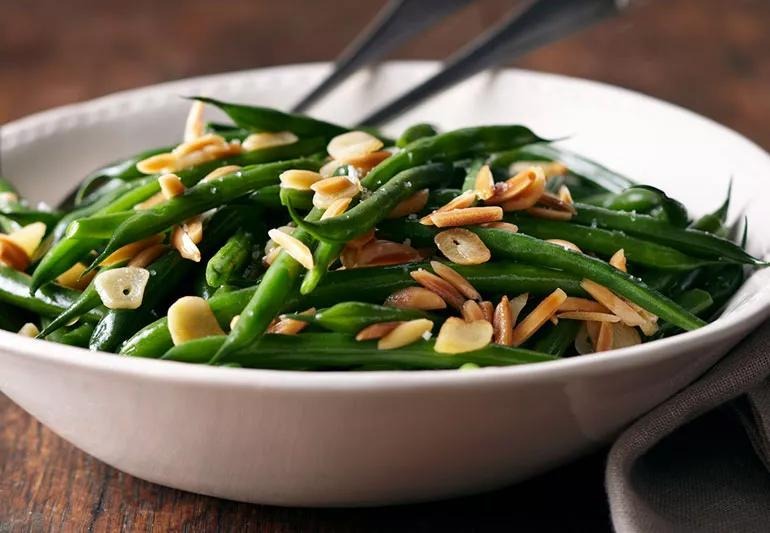
Plain green beans are low in calories, with some fiber and a little protein. Green beans, broccoli, and cauliflower are easier to compare after reading the broccoli-versus-cauliflower nutrient table.
These figures come from USDA SR Legacy records for green snap beans. Raw and boiled are separate entries. The cup row scales the boiled entry to 125 g.
| Green bean preparation | Serving weight | Calories | Protein | Carbohydrates | Fiber |
|---|---|---|---|---|---|
| Raw green snap beans | 100 g | 31 kcal | 1.8 g | 7.0 g | 2.7 g |
| Boiled, drained, no salt | 100 g | 35 kcal | 1.9 g | 7.88 g | 3.2 g |
| Boiled, drained, no salt, defined cup | 125 g | ~44 kcal | ~2.4 g | ~9.9 g* | ~4.0 g |
*The 125 g carbohydrate value is calculated from the per-100-g figure. Nutrient values are rounded. USDA SR Legacy food records 169961 (raw) and 169141 (boiled); numbers reproduced through USDA-derived data views.
These weights are for the beans you eat. The 125-gram cup belongs to the cooked entry, and a cup of whole fresh pods or finely cut beans can weigh a different amount.
The raw record is available through USDA FoodData Central.
Why Do Green Bean Calories Differ Between Sources?
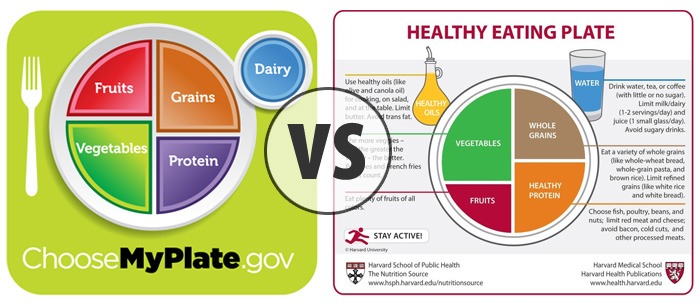
Two entries can describe raw green beans and still report different calories. Both USDA SR Legacy and the Food and Nutrient Database for Dietary Studies (FNDDS) have raw green bean entries.
| Database | Food description | Calories per 100 g |
|---|---|---|
| USDA SR Legacy, record 169961 | Raw green snap beans | 31 kcal |
| USDA FNDDS, record 2709769 | Raw green beans | 40 kcal |
| USDA SR Legacy, record 169141 | Boiled, drained, without salt | 35 kcal |
The first two rows are raw green beans from separate USDA data products. The third row is beans that were boiled and drained.
USDA FoodData Central combines several data products, including SR Legacy, FNDDS, Foundation Foods, and Branded Foods, each with its own collection and derivation methods. The FoodData Central documentation explains the differences. A food-tracking app may draw from one dataset and a website from another, and abbreviated food descriptions can hide which is which.
When you compare values, check the database name and the full food description: raw, boiled and drained, or cooked with other ingredients. A record number, when listed, makes the source easy to identify.
Do Green Beans Have Fiber and Protein?
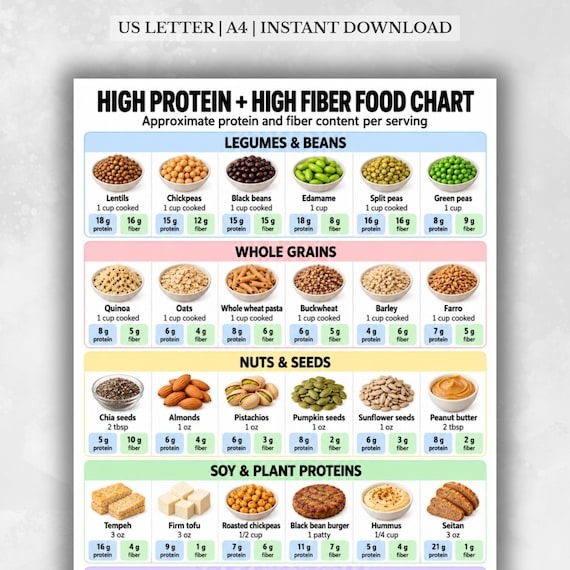
Yes, though the protein is modest. The 125-gram boiled serving has about 4 grams of fiber, roughly 14% of the FDA's 28-gram Daily Value for dietary fiber, and about 2.4 grams of protein.
How to Measure a Serving Without Guessing
A cup measure works fine for rice or soup. Long green bean pods are another matter: whole beans stick above the rim, chopped beans settle one way, and French-cut beans settle another. A kitchen scale removes the problem.
- Weigh the beans you're counting, in grams, in the state the nutrition entry describes (raw or boiled).
- Divide that weight by 100.
- Multiply by the per-100-gram amount listed for the nutrient.
Take 125 grams of plain boiled, drained green beans. The USDA SR Legacy entry gives 35 calories per 100 grams, so 125 ÷ 100 × 35 = 43.75 kcal, or about 44 calories.
Without a scale, pick a reference serving that matches your bean form and cut as closely as you can.
An r/AskCulinary cook described the point at which they stop measuring:
I’ve been diligently counting my calories the last year+ at this point, but where I draw the line is on a lot of veggies. If you’re a little off on your oil, those calories can add up quickly. If you’re off a little on your veggies, you just had some more veggies.
I do however recommend some easy serving size/portion control measures. Personally, I got a 1 Tbsp, 2 Tbsp, and 4 Tbsp measure. That 4 Tbsp is just a condiment cup, and makes measuring cups easy since it’s 0.25 cups. If I was a baker that cared about consistency, I’d get a scale, but since I’m just trying to know what I eat, I’m good not being 6 Sigma accurate with it.
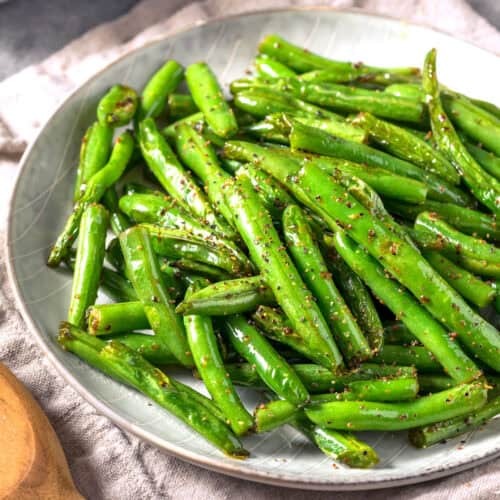
Fresh, Frozen, or Canned Green Beans: What Changes?
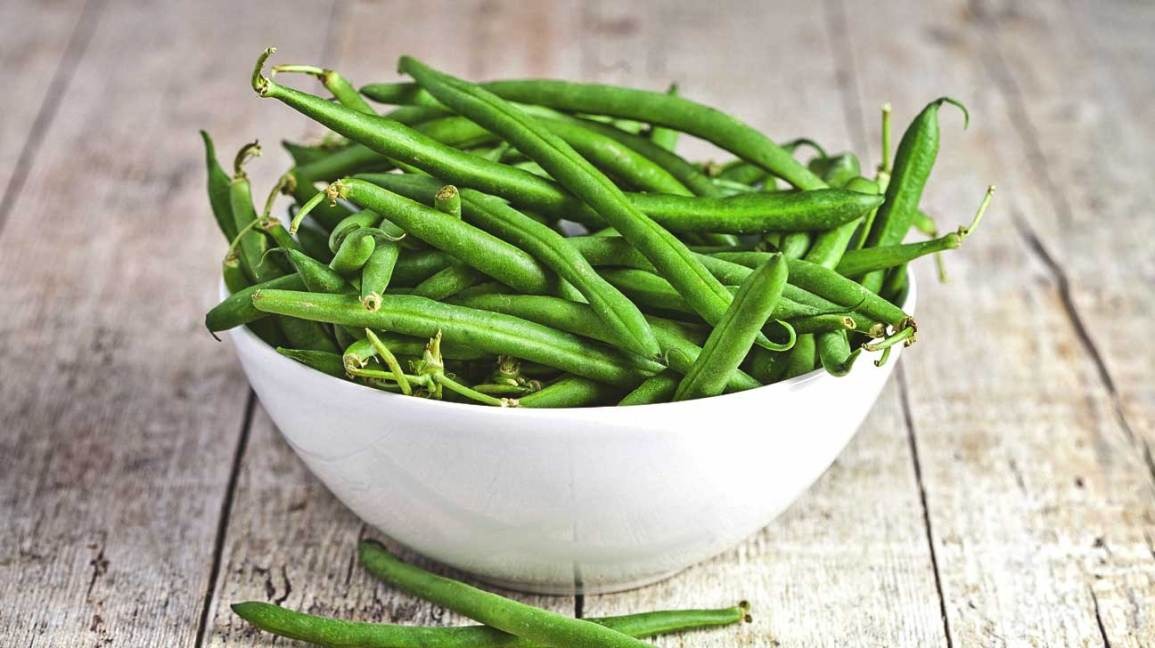
Fresh, frozen, and canned green beans all fit into everyday meals. They differ in preparation, texture, nutrient retention, and the salt or ingredients added during processing.
| Form | What it offers | Main consideration |
|---|---|---|
| Fresh | Whole or trimmed pods, with full control over preparation | Texture depends on how you cook them, and storage time affects quality |
| Frozen | Convenient storage, practical for cooked dishes | Texture can differ from fresh |
| Canned | Ready to use and shelf-stable | Sodium varies by product and by whether you drain the beans |
Fresh vs frozen: what the studies found
Two 2015 studies by Bouzari and colleagues examined eight types of produce, including green beans. Vitamin levels were often similar in refrigerated fresh and frozen samples, and some measurements favored frozen. In related work on minerals, fiber, and phenolic compounds, many comparisons showed no statistically significant differences. A separate 2015 study of green beans, asparagus, and zucchini looked at how industrial freezing and cooking affect phytochemicals.
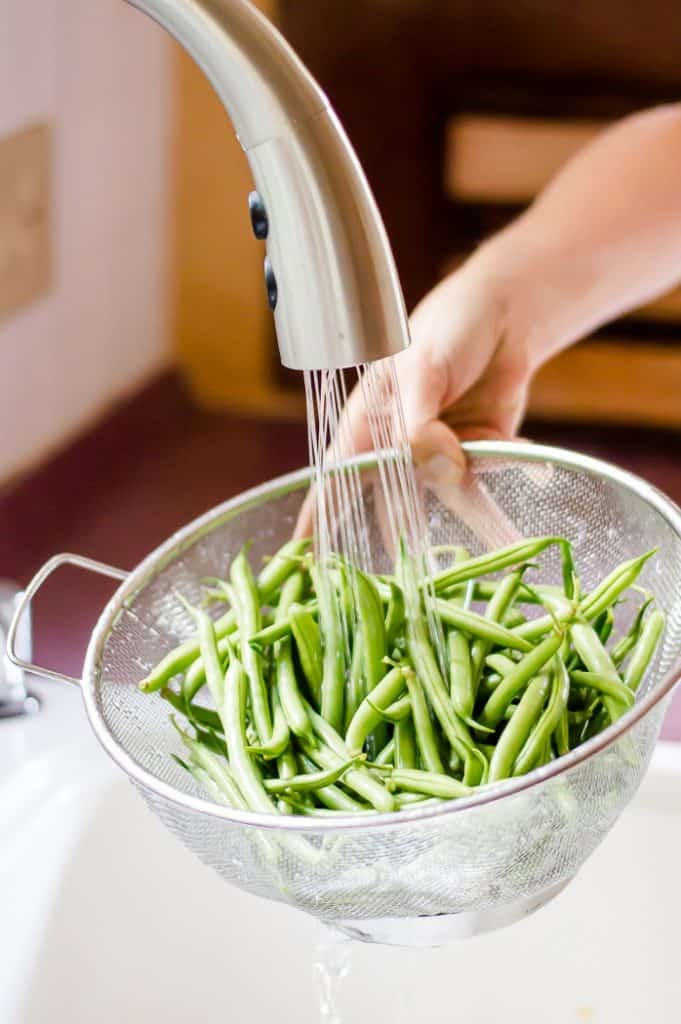
Texture can be the deciding factor
Nutrition isn't the only reason to pick one form. Frozen beans that cook up tough make a convenient ingredient frustrating.
One r/EatCheapAndHealthy poster described this problem with frozen green beans and broccoli:
These are cheap at my store and keep well until I need them so they're convenient but compared to fresh produce they always stay kind of hard and rubbery. Is there a good way to cook them to be very soft?
Edit: I'm looking for advice, if someone has a recipe that works. Thanks! I currently cook them the same as I'd cook fresh veggies, then longer and longer and it doesn't help. Concrete suggestions would be great!
Edit 2: Thanks all for your comments. What I'm hearing from a lot of people is that some kind of two-step process is needed to get them soft. The trick in general is to start by sauteeing, steaming, microwaving, etc with little to no added water, and then doing a second, new step of sauteeing, roasting, browning in butter/oil, boiling, maybe with added salt or baking soda ... more variety in step 2 is possible, but way more complex than just "cook longer". To get them cooked but not really soft, just the first step is sufficient.
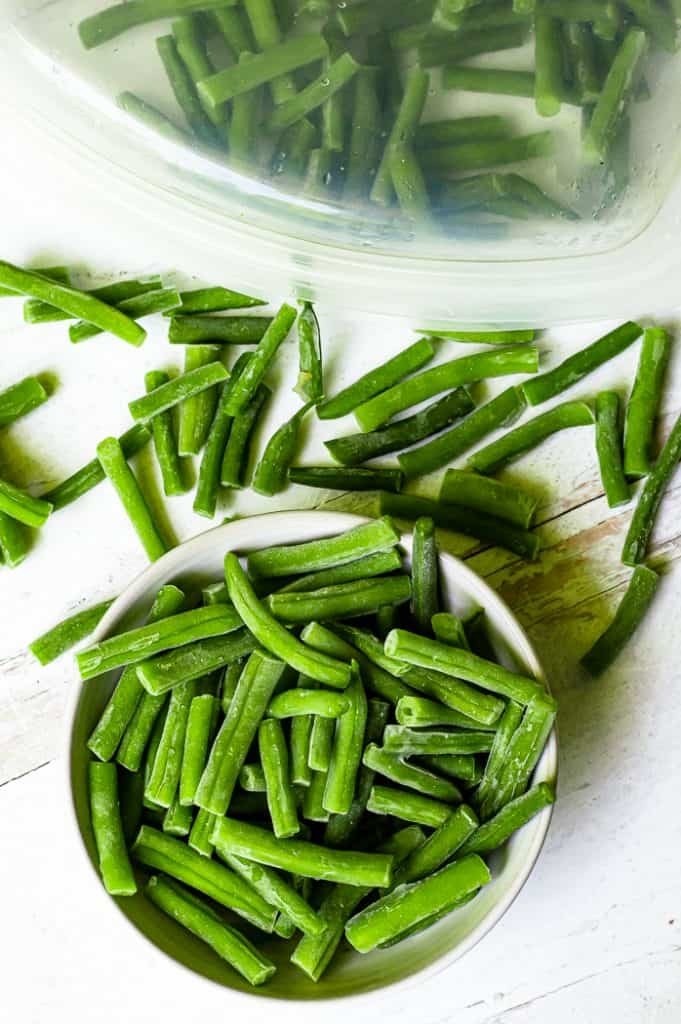
What matters with canned green beans
Regular and no-salt-added packs can differ a lot in sodium, and the numbers depend on the particular can and its serving size. USDA SR Legacy record 169143, regular-pack canned green snap beans with the solids drained, lists 268 mg sodium per 100 grams.
The American Heart Association recommends lower-sodium or no-added-salt options. Draining or rinsing canned vegetables is another way to cut sodium. Compare the sodium on Nutrition Facts labels using the same serving size. The FDA's Daily Value for sodium on those labels is 2,300 mg.
How Butter, Oil, Dressings, and Casseroles Change Nutrition
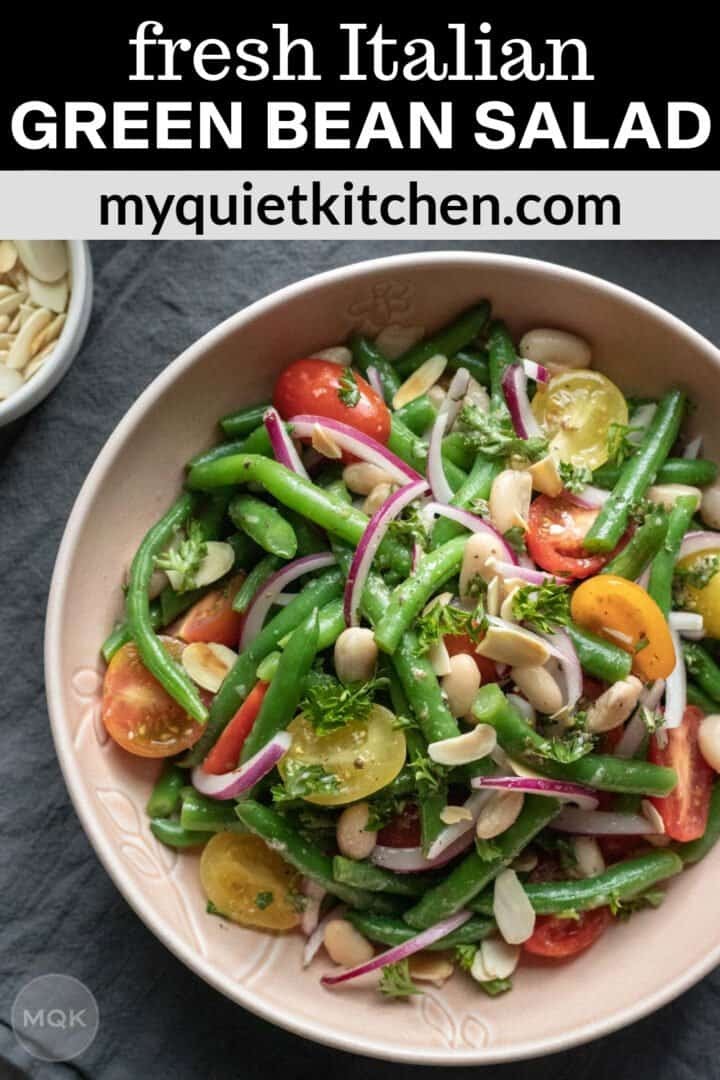
A plain-green-bean entry gives the nutrients in the beans alone. Once you add butter, oil, dressing, condensed soup, or other ingredients, the finished dish has its own nutrition numbers.
A steamed side and a buttered one can look the same size and still differ in calories. Harvard's dining menus show the gap.
Harvard's dining menus list a four-ounce steamed green-bean dish at 35 calories, with 3.1 grams of fiber and 2.1 grams of protein. A separate four-ounce buttered green-bean recipe lists 109 calories and 8 grams of fat, including 5.2 grams of saturated fat.
Oil adds fat and calories; dressings contribute their own ingredients, while salt and salty sauces raise sodium. A casserole of beans, soup, and other foods needs its full recipe to get numbers.
One r/Cooking commenter serves canned green beans in an unusual way:
My family thinks I'm a monster but I enjoy them chilled as a low cal snack with Italian salad dressing on them.
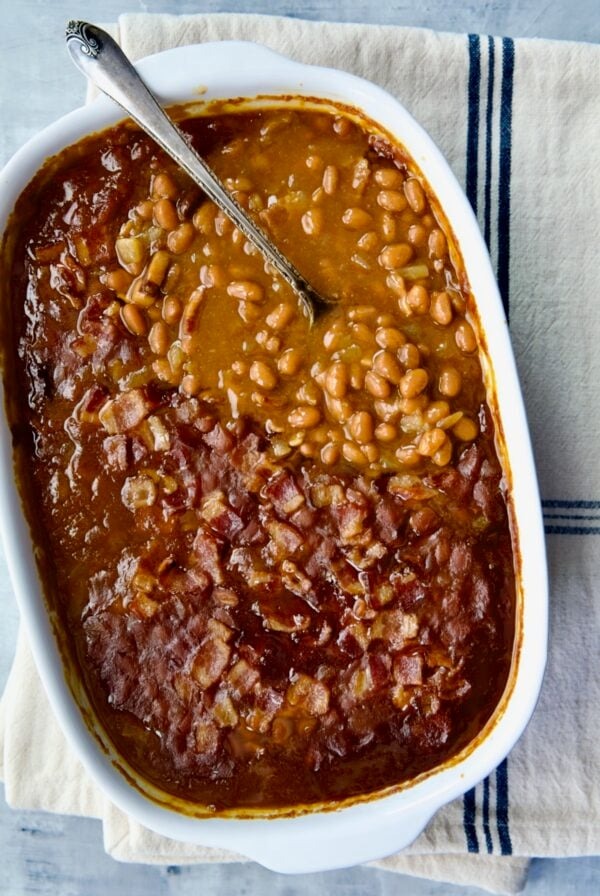
For a prepared dish, add up each ingredient and its amount, or use the nutrition information for the matching packaged or restaurant recipe.
Vitamin K in Green Beans and Warfarin
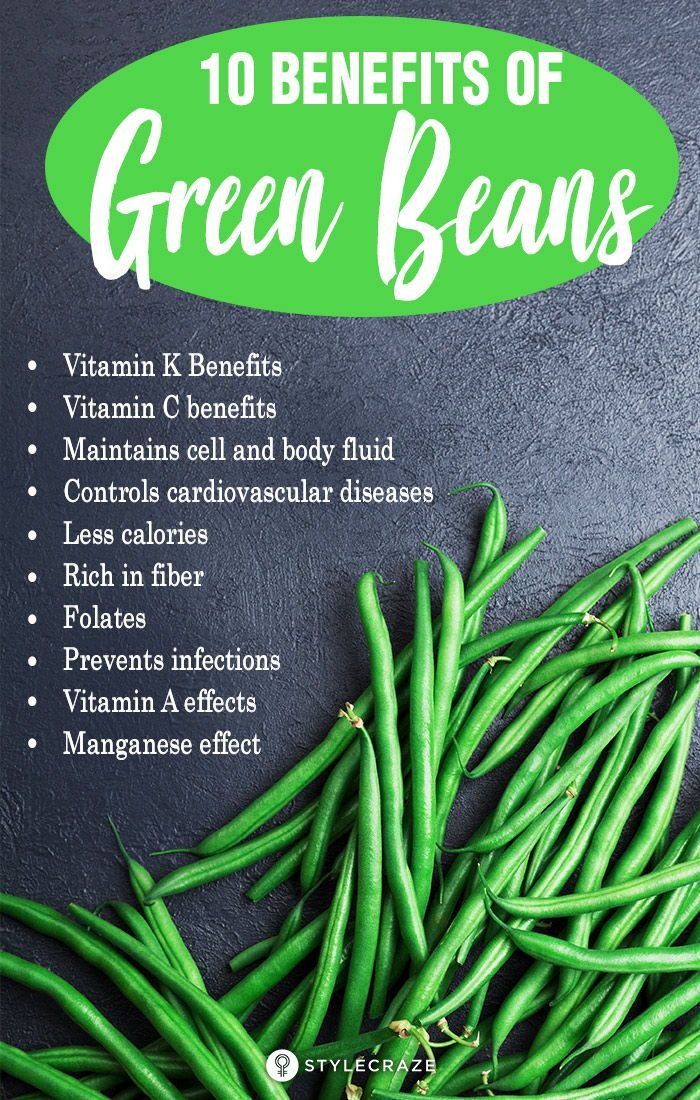
Green beans contain fiber and micronutrients including vitamin K, vitamin C, and folate. Vitamin K takes part in normal blood clotting, so large changes in intake matter if you take warfarin. MedlinePlus guidance calls for consistent vitamin K intake and for talking to your prescribing care team before making major dietary changes.