
Broccoli vs. Cauliflower: Which Is More Nutritious?
On a 100 g raw-weight comparison, broccoli contains more vitamins C and K; cauliflower has slightly fewer calories and carbohydrates. Neither is healthier across the board, so pick the one you'll actually eat, or cook both.
Broccoli vs. cauliflower nutrition: the same 100 g compared
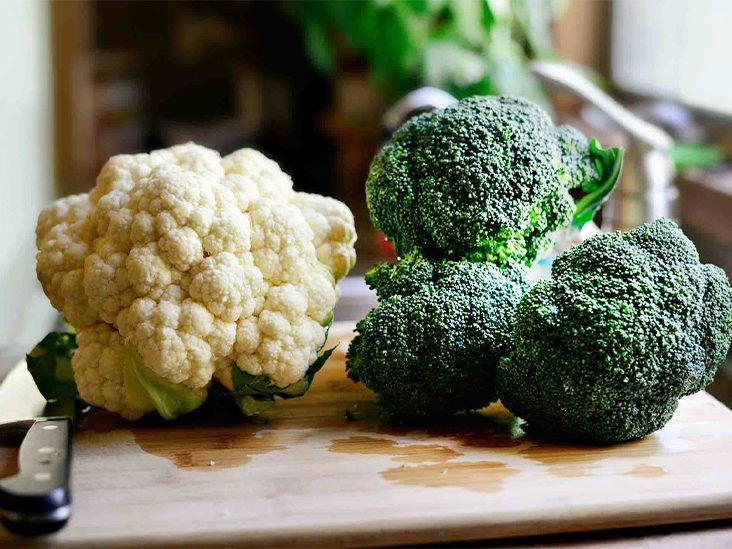
Compare portions of equal weight. The figures below are for 100 grams (about 3.5 ounces) of raw, edible broccoli and cauliflower from USDA FoodData Central, SR Legacy.
| Nutrient per 100 g raw | Broccoli | Cauliflower |
|---|---|---|
| Calories | 34 kcal | 25 kcal |
| Protein | 2.82 g | 1.92 g |
| Total carbohydrate | 6.64 g | 4.97 g |
| Dietary fiber | 2.60 g | 2.00 g |
| Total fat | 0.37 g | 0.28 g |
| Vitamin C | 89.2 mg | 48.2 mg |
| Vitamin K | About 102 mcg | 15.5 mcg |
| Folate | About 63 mcg | About 57 mcg |
| Potassium | 316 mg | 299 mg |
| Calcium | 47 mg | 22 mg |
| Choline | About 19 mg | About 44 mg |
Source records: raw broccoli, SR Legacy FDC 170379; raw cauliflower, SR Legacy FDC 169986.
The gaps in calories, fiber and protein are small at 100 grams. Vitamin C and vitamin K differ far more, and cauliflower leads in choline.
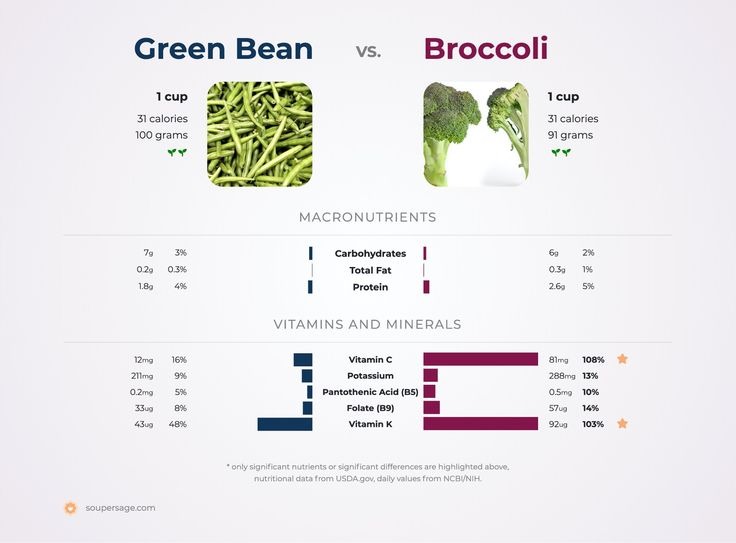
A cup changes the math because the two vegetables weigh different amounts per cup. One published comparison uses 91 grams for a cup of raw broccoli and 107 grams for a cup of raw cauliflower, which gives 31 versus 27 calories. That answers a separate question from the table above.
The FDA's raw-vegetable reference uses a medium broccoli stalk weighing 148 grams and one-sixth of a medium cauliflower head weighing 99 grams. These amounts suit labeling, but they aren't equal portions. Broccoli, cauliflower, and green beans can be compared by a consistent serving in the green-bean nutrition reference.
Whatever you compare, use the same edible weight and preparation state.
Which nutrient differences matter in a serving?
Broccoli's clearest advantages are vitamins C and K. In 100 grams it gives you 89.2 milligrams of vitamin C against 48.2 from cauliflower. The FDA Daily Value guidance sets vitamin C at 90 milligrams, so the broccoli portion covers roughly all of it and cauliflower a little over half. Vitamin C supports collagen production and normal antioxidant functions.
The vitamin K gap is wider: about 102 micrograms in broccoli versus 15.5 in cauliflower, against a 120-microgram Daily Value. Vitamin K supports normal blood clotting and bone processes.
Fiber is closer. Broccoli's 2.6 grams are about 9% of the 28-gram Daily Value, and cauliflower's 2 grams about 7%. Broccoli has 0.90 gram more protein, but neither is a major protein food.
Cauliflower leads on choline, with about 44 milligrams per 100 grams against about 19 in broccoli. That 25-milligram gap equals about 5% of the 550-milligram Daily Value.
Calories, carbohydrates, and choosing for the meal
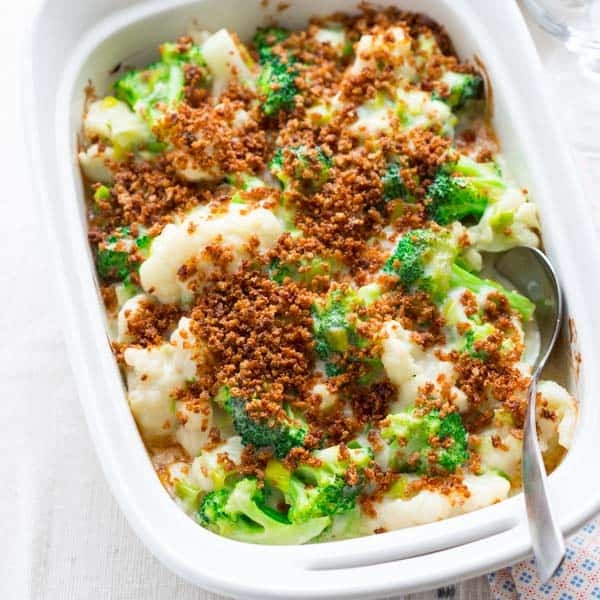
Cauliflower is lower in calories and total carbohydrates: nine calories and 1.67 grams less per 100 grams raw. For a plain vegetable side, that calorie gap is small. Using cauliflower as rice is a separate choice that comes down to flavor, texture and the other ingredients in the dish.
| Meal priority | Pick | Why |
|---|---|---|
| More vitamins C and K | Broccoli | 89.2 mg vitamin C and about 102 mcg vitamin K per 100 g |
| Slightly fewer calories or total carbs | Cauliflower | 25 kcal and 4.97 g carbohydrate per 100 g |
| A simple vegetable side | Either | Go with how you like to cook and eat it |
| A rice-style substitute | Riced cauliflower | Texture and flavor differ from rice (see the Reddit posts below) |
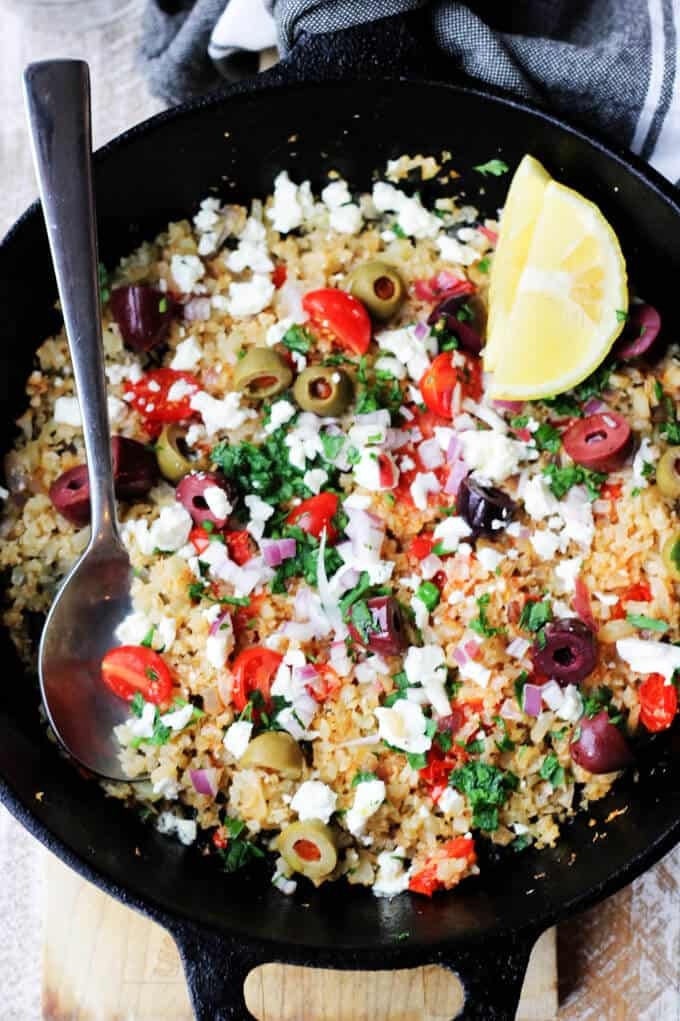
The table describes the raw vegetable, not a finished dish. A packaged cauliflower pizza crust can include flour, cheese, oil and other ingredients, so read the ingredient list and use the Nutrition Facts label's calories and total carbohydrates for the serving you plan to eat.
How cooking changes broccoli and cauliflower
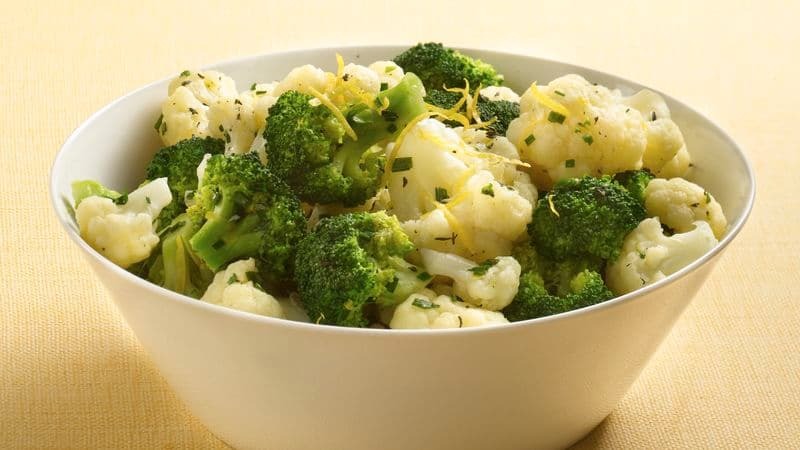
Steaming held up better than boiling in both studies below. Cooking changes how much of certain nutrients and plant compounds you end up with, depending on temperature, water contact and time.
In a 2009 experiment, Yuan and colleagues compared broccoli that was steamed, microwaved, boiled, stir-fried, or stir-fried and then boiled. Steaming caused the smallest loss of total glucosinolates, and the other methods lost more vitamin C and chlorophyll. The details are in the 2009 broccoli cooking study.
A 2019 cauliflower study by Eun-Sun Hwang compared raw, steamed and boiled samples. For several measured compounds, including glucosinolates, polyphenols and flavonoids, the concentrations followed the order raw, steamed, then boiled.
Water content matters too. A concentration measured per 100 grams shifts when a food gains or loses water, and that isn't the same as the total amount of a nutrient left in the whole portion. Don't treat the raw table as a cooked-food conversion.
Cooking also changes texture. An r/whole30 contributor struggled to make cauliflower rice that was not watery or bland:
Hi all. So my fiancé and I love rice, we frequently have it for dinner when not on a Whole 30. I have tried to make cauliflower rice with less than stellar results. It’s always watery and flavorless. Does anyone have any tips or tricks that make it taste good? I know it won’t taste exactly like rice but it’d be nice to have with a stir fry or something similar.
Broccoli or cauliflower for the meals you cook?
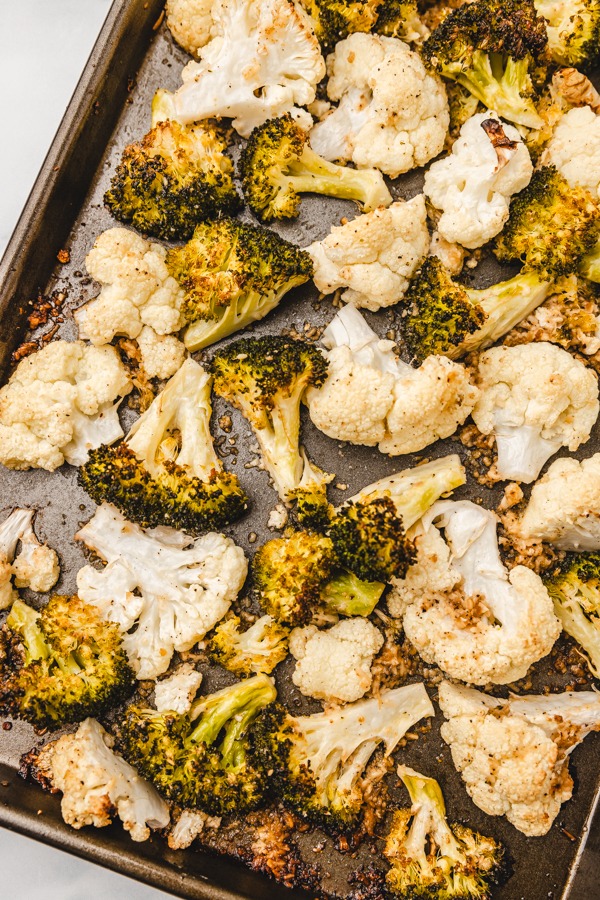
Broccoli works as a steamed or roasted side; cauliflower can be roasted too, or turned into mash or rice-shaped pieces. A good nutrition label doesn't help if you can't stand the dish.
After a friend repeatedly praised cauliflower rice, an r/loseit contributor tried a pack from Costco. Their verdict:
My best friend has been raving about cauliflower rice and how it's revolutionary and tastes so much like regular rice. We saw some cauliflower rice in our local Costco and she pretty much strong armed me into buying a pack of cauliflower rice to try and see for myself. She kept hounding me about the damned cauliflower rice and if I had tried it yet.
I told her that it's alright and of course, she got a little offended that I am not absolutely in love with it. It took all my willpower not to say what I really feel about it to her face.
So, this is how I really feel about it: ITS ABSOLUTELY DISGUSTING!!!! I have never hated any food as much in my life. It smelled like farts, and had the weirdest texture. I couldn't eat more than two spoonfuls. I tried it again today because I feel like I judged it too harshly, and I stand corrected- it was more effing disgusting than the first time. I feel like people who claim to like it are pranking others.
How could you like something so vile? I never want to hear about cauliflower imitation foods- no, I will not try cauliflower pizza or cauliflower chicken wings. No, thank you.
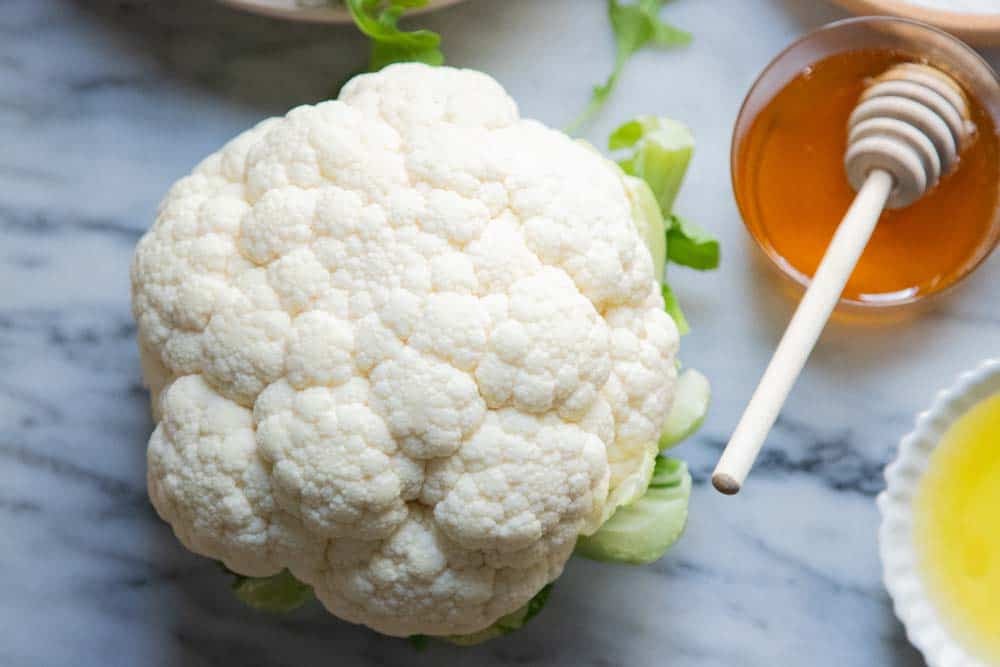
That's one person's verdict on riced cauliflower. Whole florets are a different eating experience, and any rice substitute has a texture that differs from rice.
Digestion, vitamin K, and important exceptions
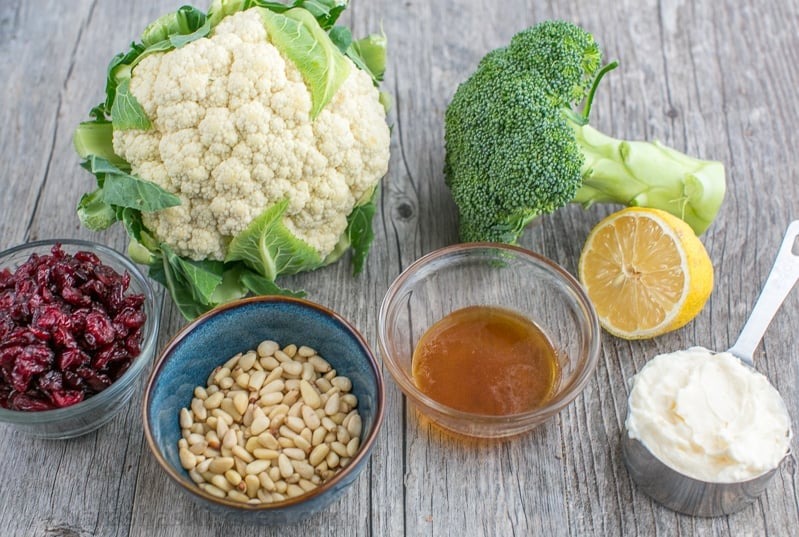
If you take warfarin, the vitamin K gap between broccoli and cauliflower matters. The NIH Office of Dietary Supplements advises keeping your vitamin K intake consistent while on the medication. Talk to your prescribing clinician before a big change. Cutting out broccoli entirely isn't the standard rule.
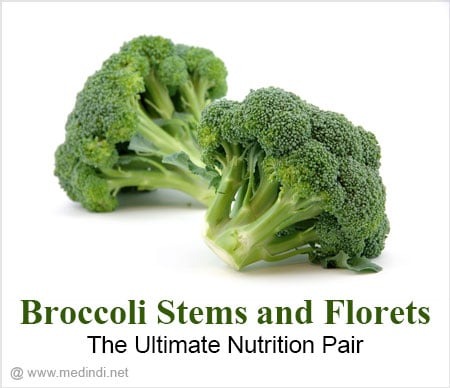
Some people get bloating or discomfort from cruciferous vegetables, especially in larger portions. Monash University research separates the FODMAP content of broccoli heads and stalks, and its retesting found a larger low-FODMAP serving for cauliflower than previously indicated. What counts is the part of the vegetable, the portion and how you respond.
Significant or persistent abdominal pain needs medical assessment.
Broccoli and cauliflower both contain glucosinolates, which can form biologically active compounds including isothiocyanates during preparation, chewing and digestion. The National Cancer Institute describes mixed findings from human studies of cruciferous vegetables and cancer risk.
Why nutrition tables sometimes disagree
USDA FoodData Central includes several food-data types, including SR Legacy, Foundation Foods and FNDDS. One broccoli record reports 34 calories per 100 grams while another reports 39. When two tables disagree, look up the named record and its units.