
Do Lentils Cause Gas? Why It Happens and What to Try
Lentils can cause gas. A smaller serving, along with a look at the rest of the meal, is a practical place to start. Drain and rinse canned lentils; soaking dried ones is optional. If the gas is persistent, changes suddenly, or comes with other symptoms, check the warning signs at the end.
Why lentils can make you gassy
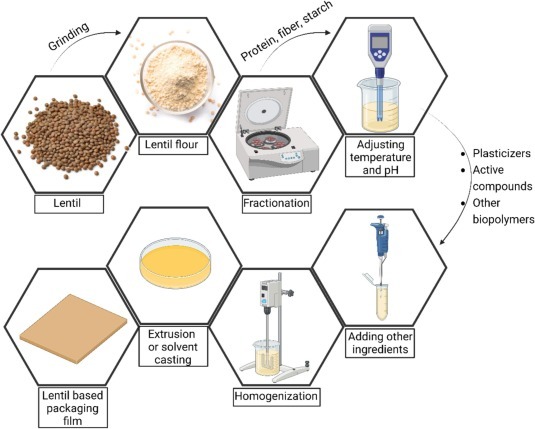
Lentils contain carbohydrates that human digestive enzymes can't fully break down; some of them reach the large intestine, where bacteria ferment them and produce gas. That fermentation is a normal part of digestion.
One group of these carbohydrates is galacto-oligosaccharides, or GOS. Raffinose is one example. Lentils also supply fiber, which changes digestion, particularly when you suddenly eat a lot more of it.
The National Institute of Diabetes and Digestive and Kidney Diseases lists lentils and other legumes among foods whose carbohydrates can increase intestinal gas.

Flatulence means passing intestinal gas. Bloating is a feeling of fullness or swelling, and distension is visible enlargement of the abdomen.
After a generous bowl of lentils, some people simply pass more gas and feel fine, while others feel overly full after a smaller meal. Both the amount you eat and your own digestive sensitivity play a part.
What to change first: your portion and the rest of the meal

Lentil soup and dal often contain onion or garlic, which supply fructans, another fermentable carbohydrate. These ingredients can cause symptoms on their own. For a look at the whole bowl, see the lentil-soup calorie guide.
| Situation | What to try | What it tells you |
|---|---|---|
| A generous serving of lentils | Eat a smaller serving with familiar sides | Whether quantity changes how you react |
| Soup with onions or garlic | Check the whole ingredient list | Whether other fermentable carbohydrates are involved |
| Several new high-fiber foods at once | Change one thing at a time | Whether the overall diet change is the cause |
| Lentils you like but hesitate to eat | Start with a cheap adjustment to the meal | Whether you can keep eating them without buying extra products |

I have a huge amount of dry lentils in my pantry but have been struggling to eat them because they (and most beans tbh) hurt my stomach pretty badly every time I eat them. I have read anecdotally online that this could be because of the way I'm cooking them? Are there ways to cook/recipes that make them easier on the stomach? Would mashing them make a difference, or preparing them a certain way?
I've also read that soaking overnight could help, has anyone done that before and noticed it makes a difference?
Right now the way I've been avoiding wasting them is only eating them for dinner late at night when I know I don't have plans so that I can just sleep through the stomach pains lol. Which is not great, so really hoping maybe there's another solution.
I know there's also meds like bean-o but those seem kind of expensive and I'm trying to avoid buying anything new. But if that's the only thing and it works maybe I will.
Soaking, canned lentils, and cooking water: what changes?

You can cook dried lentils without presoaking if you follow the cooking instructions. Soaking is optional and changes some fermentable carbohydrates.
| Preparation | What changes | What to do |
|---|---|---|
| Dried lentils, cooked directly | Presoaking isn't required | Rinse and follow package directions |
| Dried lentils, soaked first | Some measured α-GOS is reduced | Discard the soaking liquid before cooking |
| Canned lentils | Water-soluble GOS moves into the brine | Drain and rinse; don't reuse the brine |
| Lentil soup or dal | The cooking liquid stays in the dish | Balance the texture you want against how much liquid you keep |
| Red, brown, or green lentils | Cooking behavior and texture differ | Pick the type that suits the dish |
Monash University's FODMAP guidance says water-soluble GOS can leach into the liquid around canned legumes. In soup that liquid stays in the dish, so the finding shows no measured GOS reduction there.

In a 2019 study by Njoumi and colleagues, soaking reduced measured lentil α-GOS by approximately 10% under the tested conditions. That figure describes the carbohydrate content of the lentils, not a measured drop in how much gas people pass.
Cleveland Clinic says red lentils soften quickly in dishes such as dal, while green and brown lentils tend to hold their shape. Those differences matter for texture. No reliable evidence ranks the colors by how much gas they cause.
Made a giant pot of lentil soup? You don't have to eat it all

A big batch can be convenient until you feel obliged to eat it at every meal.
#EDIT: OMG I am a silly fool. Why didn't I think of freezing it? It literally never occured to me 💀💀💀💀 Thank you Reddit. I was being silly and tunnelvisioned 💀💀 I appreciate yall so much.
So, as I said: I made a ton of lentil soup.
I don't want it going bad before I can finish it, so I'm trying to have it for every meal (or at least have a little bit of it with every meal).
But I've realized that it's probably gonna beat tf out of my intestines.
But I don't want it going to waste.....
Last night I thought about giving some away to a neighbor today, but it looks quite horrid now that it's cold. I would feel embarrassed to serve it.
So, I'm sitting here like :/ because giving away some of it was one idea of mine but ughhh 😖😖😖 I just cant give my dear neighbor something so unpresentable 💀...
Thus, I'm cursed to eat it all 😅 and to do what I can to help my stomach through it.
Do you have any suggestions? 😅 how can I spare my stomach a little?

Divide leftover soup into shallow, meal-sized containers and refrigerate or freeze it within two hours of cooking, or within one hour if it has been exposed to temperatures above 90°F (32°C). That is FoodSafety.gov's general advice for chilling perishable food. It lets you save the rest for later instead of eating one batch in back-to-back oversized meals.
Will your body get used to lentils?
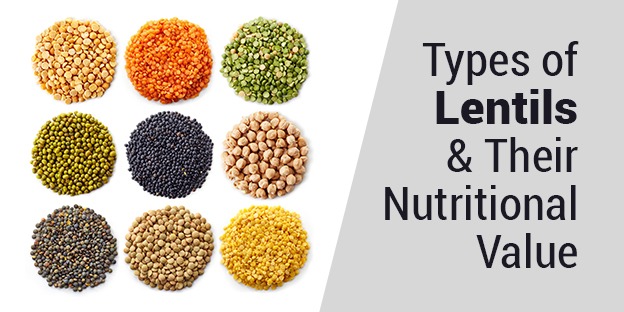
Some people get more comfortable with legumes after introducing them gradually. Others keep having symptoms, and there is no set timetable for adapting.
MedlinePlus recommends adding legumes gradually. This applies most after a sudden shift toward more lentils and other high-fiber foods.
In a 2022 eight-week randomized trial of 30 adults at metabolic risk, gastrointestinal symptoms were generally none to mild during a green-lentil meal program.
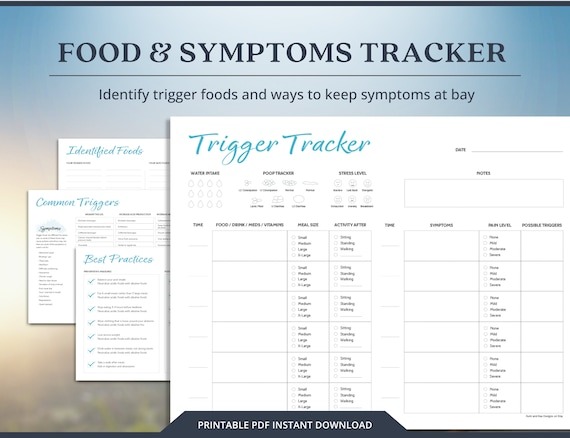
To spot a pattern in your own meals, keep a simple record: the approximate lentil portion, whether the lentils were dried or canned, other significant ingredients, and the symptoms that followed. Compare similar meals rather than one unusually large or heavily seasoned serving.
What about blending, spices, and digestive enzymes?

Pureeing changes texture. Cumin, ginger, asafoetida, and kombu add flavor, but none is an established way to prevent gas from lentils. A small 2007 trial of alpha-galactosidase had eight volunteers eating cooked beans, so its findings say little about lentil meals. If ongoing discomfort has you considering an enzyme product, ask a clinician or pharmacist first.
When lentil gas needs medical attention

Some gas after lentils is ordinary fermentation. The NIDDK guidance on gas symptoms lists these problems as worth discussing with a doctor:
- Abdominal pain: Especially discomfort beyond your usual mild gas.
- Diarrhea or constipation: Changes in bowel habits that come with the gas.
- Unexplained weight loss: A reason to get digestive complaints checked.
- Persistent or suddenly different symptoms: Gas that lasts or abruptly changes.

IBS and other digestive conditions can change how you react to fermentable carbohydrates. Timing after a lentil meal can't establish a diagnosis, and a restrictive low-FODMAP plan for a diagnosed condition belongs with a clinician or dietitian. Bring your meal-and-symptom record to that visit.