
Soybean Nutrition: Protein, Fat, and Raw vs. Cooked Portions
Raw, dry, and cooked soybeans need different nutrition entries; the relevant one matches the form and weight you measured. Per 100 g, mature soybeans boiled without salt contain about 172 calories and 18.21 g protein; dry mature soybeans contain about 446 calories and 36.49 g protein. Water explains most of the gap. For any other soybean product, use its own entry or label.
Soybean nutrition per 100 grams: raw versus boiled
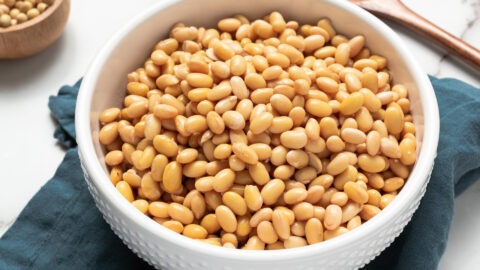
The table compares two USDA FoodData Central SR Legacy entries: raw mature soybeans, FDC 174270, and mature soybeans boiled without salt, FDC 174271.
| Nutrient per 100 g | Mature raw/dry soybeans | Mature boiled soybeans, no salt |
|---|---|---|
| Calories | 446 kcal | 172 kcal |
| Protein | 36.49 g | 18.21 g |
| Total fat | 19.94 g | 8.97 g |
| Carbohydrate, by difference | 30.16 g | 8.36 g |
| Dietary fiber | 9.30 g | 6.00 g |
| Water | 8.54 g | 62.55 g |
The entries describe different preparations, not a before-and-after measurement of one batch.
USDA's carbohydrate-by-difference figure already includes fiber, so adding the two rows would count fiber twice.
Why dry and boiled soybeans have such different numbers
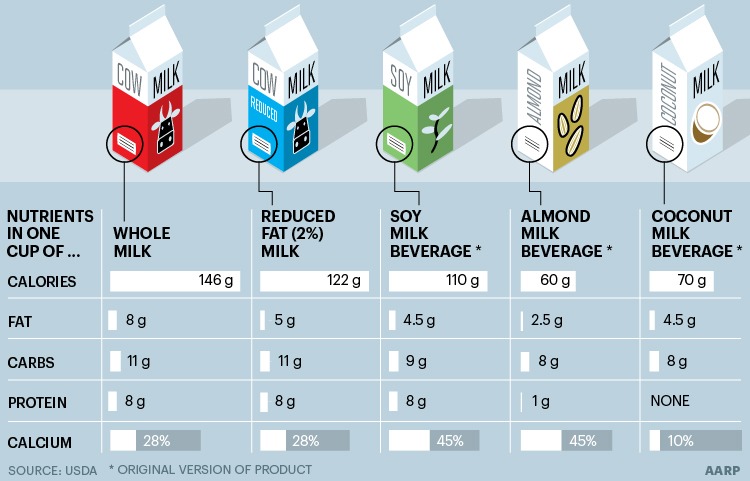
Boiled soybeans hold far more water by weight. In the USDA entries above, water makes up most of the boiled portion and less than one-tenth of the dry one, so 100 g of boiled beans contains less bean than 100 g of dry. Picture two 100 g bowls: the dry beans carry 8.54 g of water, the boiled beans 62.55 g.
Protein per 100 g follows water content for dry soybeans, boiled soybeans and cooked black beans alike. For the black bean version, see why black bean protein differs by preparation.
A reader comparing FoodData Central's dry and boiled entries ran into exactly this confusion:
I can't understand fdc data about boiled and raw soybeans: There seems to be a VERY different ratio of carb/fat, but boiling can't affect the ratios, if it does, which nutritional profile should a consumer use when buying RAW soybeans (mature seed) that they INTEND to boil?
Please help correct this surely wrong reasoning I've been following:
[...]
Please ignore the "without salt" it doesn't matter to me for this issue right now. If do carb difference/fat you will get ~1 in boiled, ~1.5 raw. What explains this difference?
The only relevant difference here is raw/boiled, that of course will affect among other things the water content. If a human eats raw soaked soybeans, would their nutritional profile be very similar to the raw one?
To work out what a specific batch keeps after cooking, you'd need its dry weight, its cooked weight and lab analyses. Some components also end up in the cooking liquid.
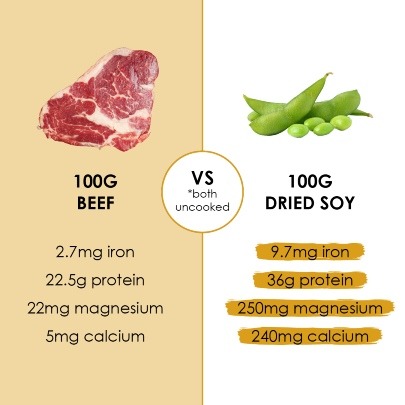
Which soybean nutrition entry matches the food you have?
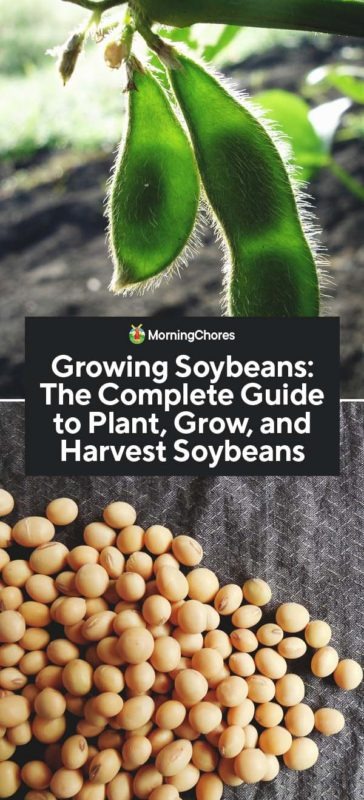
Mature dried beans, immature green edamame and processed soy foods all have different compositions.
| Food on your plate or scale | Record or label to use |
|---|---|
| Whole mature beans, dry | USDA FDC 174270, raw mature soybeans |
| Whole mature beans, boiled without salt | USDA FDC 174271, boiled mature soybeans |
| Edamame | An entry for immature green soybeans |
| Roasted or seasoned soybeans | The matching processed-food entry or package label |
| Canned soybeans with other ingredients | The product's Nutrition Facts label or a matching prepared-food entry |
| Tofu, soy milk or soy chunks | A separate record for that specific soy product |
A food app that just says "soybeans" doesn't tell you whether the numbers are for dry or boiled beans. Open the full entry before you log it.
FoodData Central includes several data types, including SR Legacy and FNDDS. Two entries that are both called cooked soybeans can come from different datasets and describe different foods. For soybeans as a plant protein and iron source, see the vegetarian iron source guide.
Soybean calories and protein per cup or measured portion
The boiled, unsalted mature-soybean entry includes a household cup equivalent, but grams give a clearer basis for a bowl on a kitchen scale.
| Boiled mature soybeans, no salt | Weight | Calories | Protein |
|---|---|---|---|
| 100 g | 100 g | 172 kcal | 18.21 g |
| ½ cup | 86 g | About 148 kcal | About 15.7 g |
| 1 cup | 172 g | About 296 kcal | About 31.3 g |
For a weighed portion, multiply the per-100-g value by the weight in grams divided by 100. For 172 g, the multiplier is 1.72: 172 kcal × 1.72 ≈ 296 kcal; 18.21 g × 1.72 ≈ 31.3 g protein.
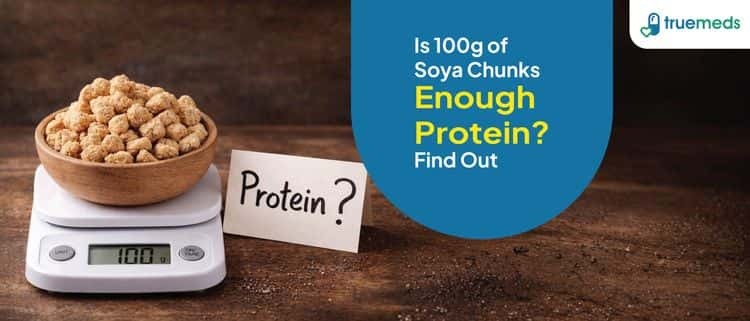
For home-cooked beans, log the weight of the prepared portion. Count any added dressing or oil separately. The 172 g cup belongs to this cooked soybean entry; other soy forms weigh differently per cup.
Protein and fat in soybeans
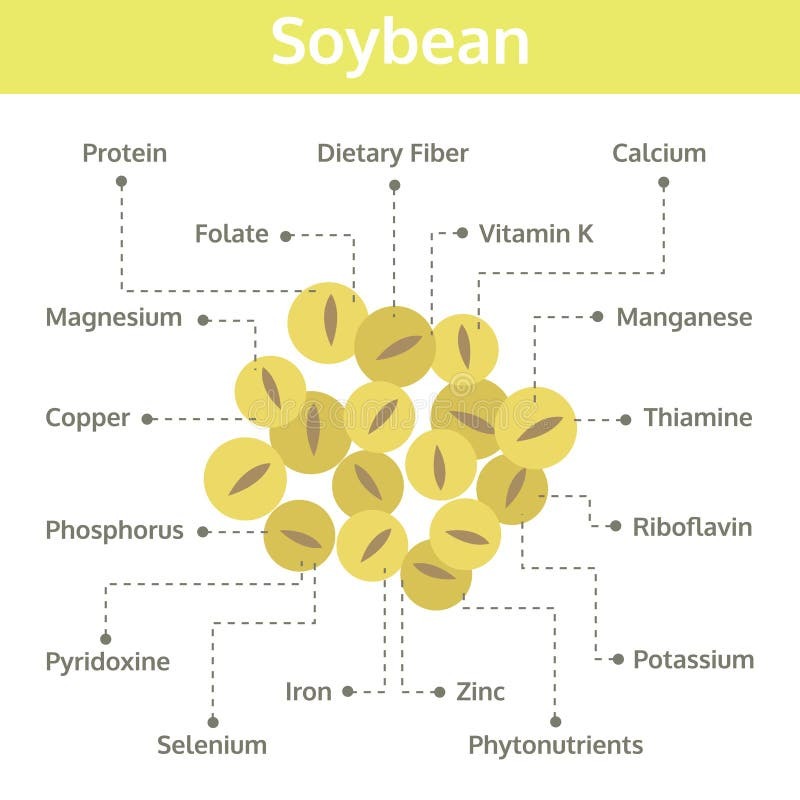
Soy protein contains all nine essential amino acids, so mature soybeans are a useful plant protein source; most of the fat in the boiled entry is unsaturated, both mono- and polyunsaturated.
What soaking and boiling change besides water
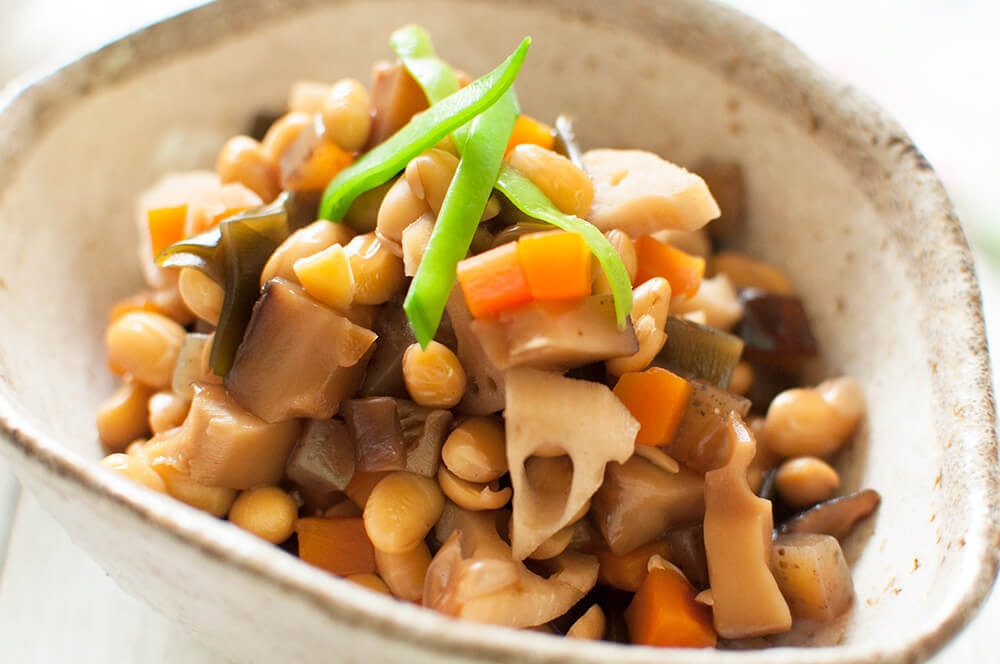
Soaking hydrates dried soybeans, and boiling changes their texture and biochemistry. Soaked beans can look fully swollen and still be hard.
A lengthy soak and simmer left one home cook with the same problem:
Hi, complete beginner with cooking dried beans.
I soaked the beans for over 12h then put in the fridge for another day. I simmered them for 90 min but forgot to dehull and split in half! So I did that and cooked some more then left overnight in the pan covered with a tea towel.
I don't think I know how soft or hard they should be. They're not like canned kidney beans you can squish with your fingers. They snap when you break them, kinda like a peanut. They look fully hydrated now, not wrinkly.
Do I just cook them on a simmer until they're soft?

Heat changes naturally occurring soybean compounds, including protease inhibitors, and processing alters how accessible the protein is during digestion.
In a 2021 study by Ketnawa and Ogawa, soaked, boiled and fermented soybeans gave different results in simulated digestion. The study used a lab model of digestion, so it can't tell you how much protein people absorb.
Preparation and soy allergy
Cook mature soybeans before eating them. The "raw" entry only gives the dry composition.
Heat reduces the activity of compounds linked to undercooked legumes, and the European Food Safety Authority has warned about lectins in undercooked pulses.
A home fermenter left soybeans soaking far longer than planned:
So I went to soak soybeans overnight and accidentally forgot them and have now soaked them for like 3 weeks. They smell and look okay. Do you guys think I'm good to cook them and inoculate to make miso or shoyu out of them?
The poster later said they discarded the batch. When beans have soaked that long, smell and appearance won't tell you whether they're safe.
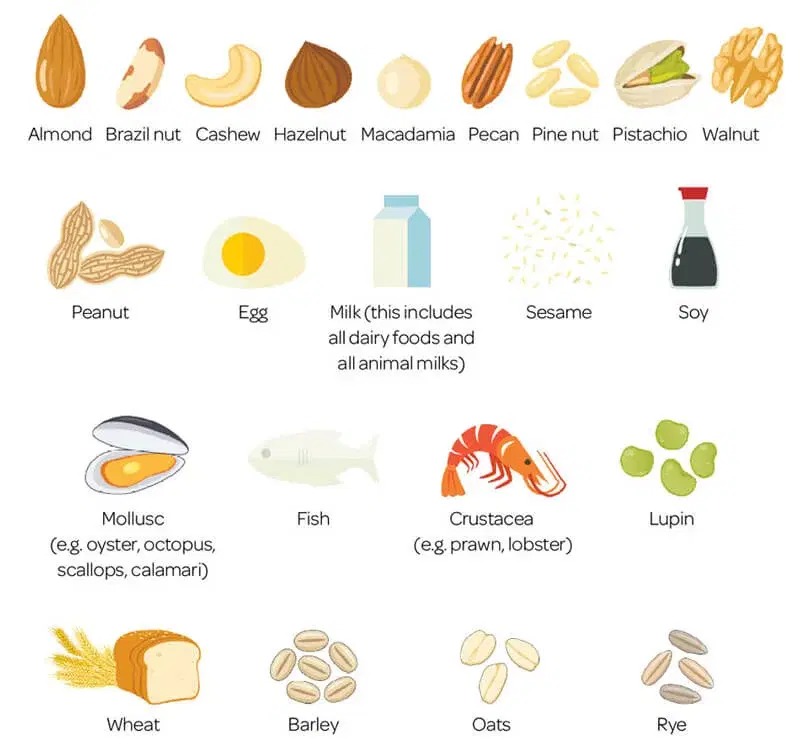
Soybeans are one of the nine major food allergens recognized by the US Food and Drug Administration. Check the ingredient and allergen information on packaged foods. If you have a soy allergy, follow your doctor's guidance.