
Can You Eat Pumpkin Raw? When It's Safe and When to Skip It
Raw pumpkin is edible when it's fresh, sound, sold or known as an edible variety, and washed and cut cleanly. Raw flesh is firm and sometimes stringy, so cooking usually tastes better and lowers the germ risk. Don't eat a pumpkin that is unusually bitter, spoiled, treated, or carved and displayed. Cooking won't make a very bitter, toxic squash safe.
Which pumpkins are fine to eat raw
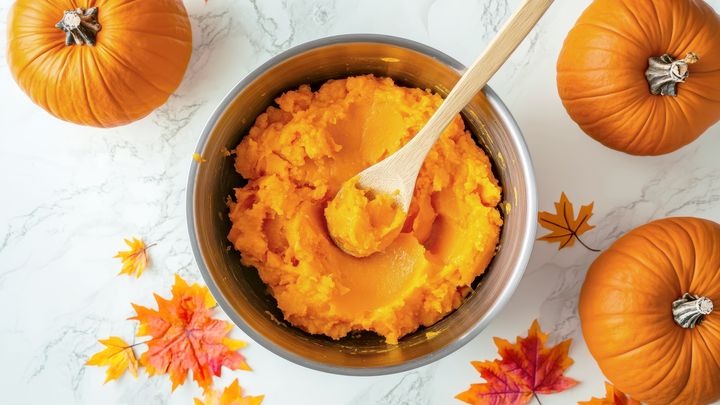
Ordinary food pumpkin can be eaten raw, but first consider how the pumpkin was identified, stored, and handled. Some plant foods need specific handling, and bamboo shoots are another case; see the bamboo-shoot preparation guide.
| Pumpkin | Eat it raw? | Why |
|---|---|---|
| Fresh, sound pumpkin sold for food | Yes | Wash it, cut it clean, and pick the texture you like |
| Fresh, intact carving pumpkin | Yes | Usually stringier and more watery than a pie pumpkin |
| Unidentified volunteer or ornamental squash | Don't assume it's edible | You don't know what it is or where it came from |
| Unusually or intensely bitter pumpkin | Stop eating and discard it | Cucurbitacins can survive heat |
| Carved and displayed, painted, or rotten pumpkin | Don't serve it | It has been exposed, treated, or has spoiled |
| Cut or cooked pumpkin left out | Check how long it sat | Prepared food has stricter storage limits |
The line is simple: is it sound produce meant for eating? You can trim a surface bruise on an otherwise usable pumpkin. Discard a rotten one.
Does the type of pumpkin matter?
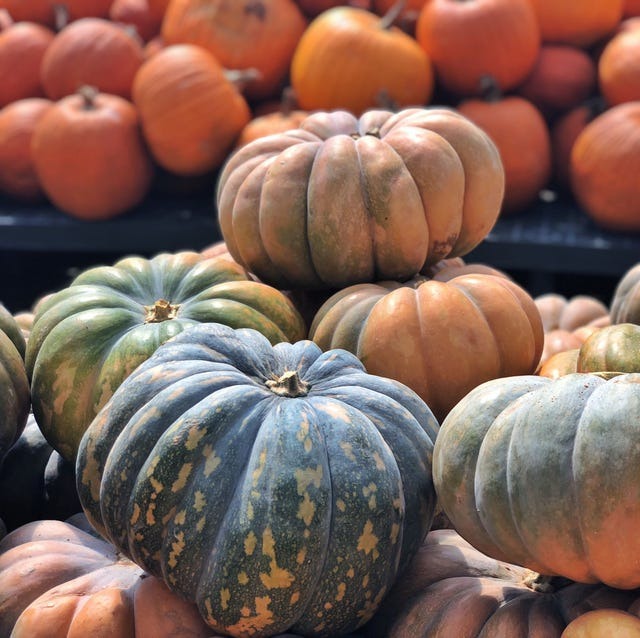
A fresh, uncarved Halloween pumpkin is edible, but a smaller pie or sugar pumpkin is the better kitchen choice. Pie varieties have sweeter, less stringy flesh; large carving pumpkins hold more water and fiber.
In its 2024 guide to jack-o'-lantern pumpkins, University of Nebraska–Lincoln Extension separates a fresh, intact carving pumpkin from one that has been carved and displayed. The intact pumpkin can still be food.
A pumpkin that sprouts from compost is a different problem, because you may not know the variety. Orange skin and a mature-looking stem don't tell you what kind of fruit it is.
A gardener cut open a pumpkin that grew from compost and found white flesh:
I accidentally grew pumpkins. Please don't ask how, I don't know either. The going theory is that we composted our rotting pumpkin last October, and never dreamed the seeds would activate in May.
This pumpkin has been orange for quite awhile now, maybe 2.5 weeks. It's stem was looking dark. I wasn't necessarily clear on the fingernail test, but making an indent was hard. So I pulled the pumpkin.
I cut into it, and all the flesh is white. I can't tell if it's underripe, or if it's just because this likely grew from a decorative pumpkin patch and its a pale flesh variety.
Can anyone more knowledgeable than me let me know what went wrong here? I have other pumpkins on the vine that I think I need to leave awhile longer.
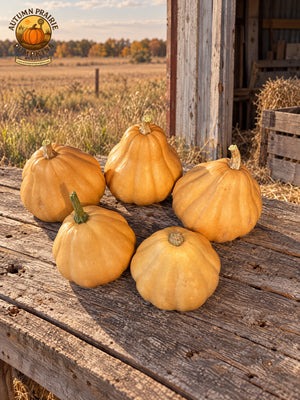
Some volunteer pumpkins are edible, though the variety may be unfamiliar. If you can't confirm that a self-sown or ornamental squash is an edible variety, don't judge it by its looks.
Oregon State University Extension explains that cross-pollination affects plants grown from the resulting seeds in the next generation. The fruit growing on the pollinated plant now keeps its own genetics.
How to wash, cut, and use pumpkin raw
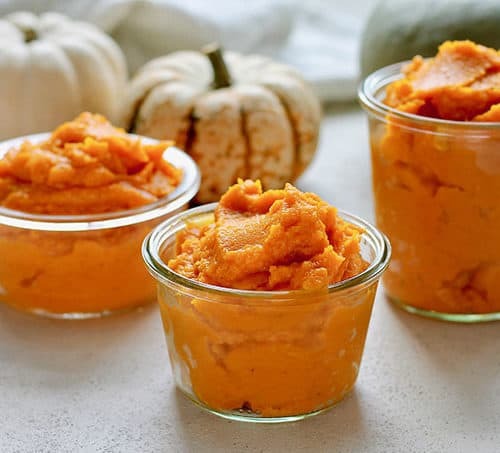
Clean the whole pumpkin before the knife touches it. Dirt and germs on the rind transfer to the flesh as you cut.
The FDA's produce-handling guidance supports this sequence:
- Wash your hands. Use soap and warm water for at least 20 seconds before you start.
- Rinse the intact rind. Hold it under running water, even if you plan to discard the skin, and scrub the firm exterior with a clean produce brush. Do not use soap, detergent, bleach, or commercial produce wash.
- Dry and separate. Dry the pumpkin with a clean towel or paper towel. Keep the pumpkin, board, and knife away from raw meat, poultry, seafood, and any utensils that touched them.
- Cut on a stable surface. Use a clean, sharp knife. If the rind is too hard to cut safely, cook the pumpkin instead of forcing the blade.
- Prepare the flesh. Remove the seeds and stringy cavity, peel the hard rind, then grate or shave the flesh into thin pieces.
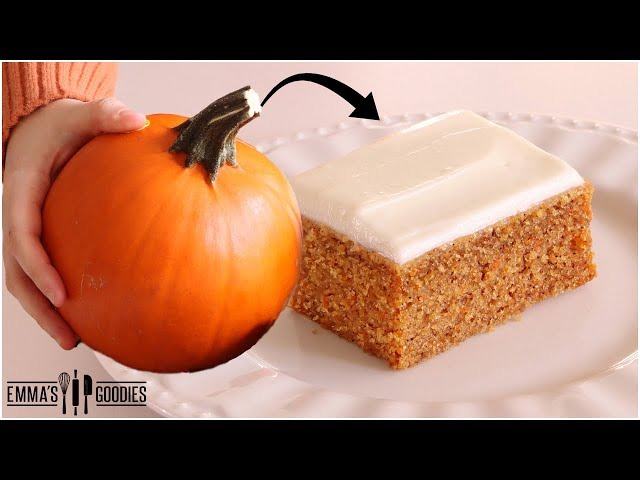
Grated pumpkin adds crunch to a salad or slaw, and thin shavings are easier to eat than hard chunks. Healthline mentions blending raw pumpkin with cottage cheese, but firm flesh can overload some blenders.
Washing reduces bacterial contamination without eliminating every pathogen. Thorough cooking reduces the risk further.
When a bitter taste means don't eat it
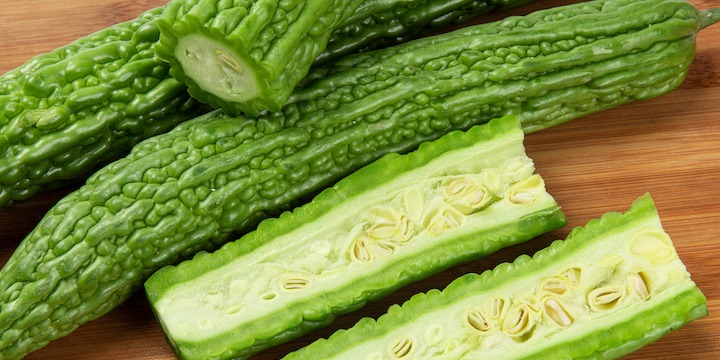
Discard a pumpkin that is extraordinarily or unexpectedly bitter, even if it looks fresh and you have already cooked it. Some pumpkins, squash, and gourds contain high levels of bitter compounds called cucurbitacins, which cause toxic squash syndrome.
Ordinary pumpkin tastes earthy, bland, or faintly bitter. The warning applies to strikingly strong or abnormal bitterness. Cucurbitacins cause nausea, vomiting, diarrhea, and abdominal pain, and heat doesn't destroy them. Longer roasting, boiling, spices, or sugar won't make a suspect squash safe.
A home cook roasted pumpkins from a supermarket's edible-pumpkin bin and noticed a bitter aftertaste:
I bought two small pumpkins from a bin of mixed edible pumpkins at the supermarket, and put them whole into the oven for an hour. I've started eating one of them (with some olive oil and spices) but it has a strange bitter aftertaste. It might just be a kind I'm not used to - I have honestly no idea what kind of pumpkin it is - but a short internet search has me concerned. Could it just be undercooked? Should I throw my dinner away? I can't really rely on symptoms such as nausea and diarrhea, as I already had them for non-food related reasons before starting to eat.
Thanks!
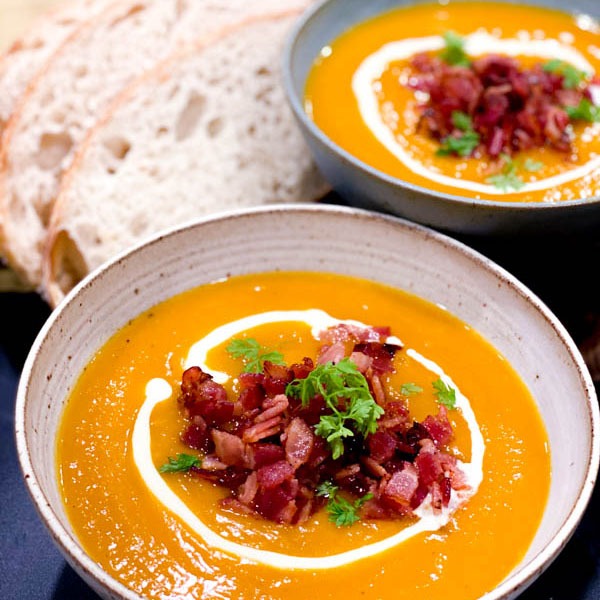
A pumpkin bought as food can still be bitter, so the taste rule applies to store-bought pumpkins too.
If pumpkin already in your mouth tastes intensely or abnormally bitter, stop eating, spit it out, and discard the pumpkin and any dish made from it. If you're worried after swallowing it, contact Poison Control at 1-800-222-1222 in the United States or use webPOISONCONTROL. Seek urgent medical attention for severe symptoms.
Raw vs. cooked pumpkin: texture, flavor, and nutrition
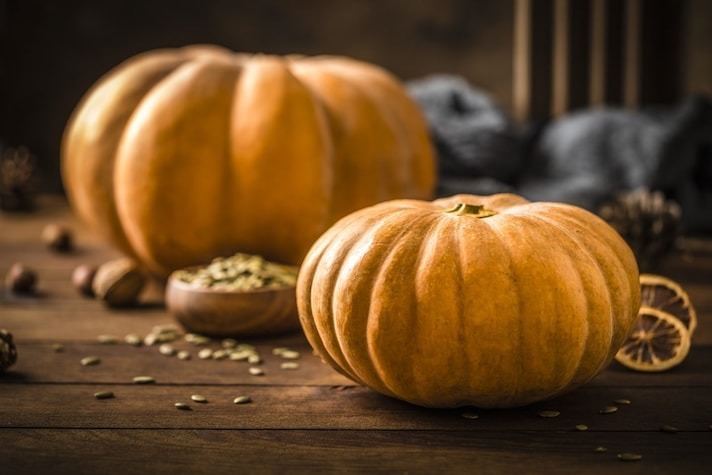
Raw flesh is firmer and sometimes fibrous or stringy. Cooking softens it and often brings out a sweeter, milder flavor. Choose by texture and by what you're cooking.
| Characteristic | Raw pumpkin | Cooked pumpkin |
|---|---|---|
| Texture | Firm, fibrous, sometimes stringy | Softer, easier to mash or blend |
| Flavor | Fresh, earthy, sometimes mildly bitter | Often sweeter and milder |
| Kitchen uses | Grated salad, thin shavings, raw mixtures | Soup, puree, baking, roasted dishes |
| Microbial risk | Washing helps but doesn't remove every germ | Thorough cooking lowers the risk |
| Calories per 100 g (Healthline) | 26 kcal | 20 kcal, boiled and drained |
Healthline's calorie values, which cite USDA data, describe 100 g (about 3.5 ounces) of each finished food. They don't measure nutrient loss from the same pumpkin during boiling.
Two pumpkins sold as cooking pumpkins can still behave differently in the oven. One baker's experience:
I cooked two pumpkins at the same time, the same way I always do (175c for 1 to two hours until the skin seperates from the flesh easily) to make puree for cookies, cakes, etc. But one turned out FOUL. It doesn't taste rotten, just bitter and watery. The other is exactly how I expected it - a bit sweet and very moist. The skin came off easily and the flesh kept its shape.
This obe, however, nearly flooded my baking tray with water. The skin was weak and tore super easily, and clung to the flesh. It was squirting me as I tried to salvage it. It was slightly bigger than the other prior to baking, but I got maybe a quarter of the yield?
Mostly, I'm just confused. I got them from the same shop at the same time, and both were labled as cooking pumpkins. The only difference was that the sucky one was orange and the other was white. Did they accidently put the wrong sticker on a carving pumpkin or something?
Anyone seen anything like this before? Or know how to avoid it for the future? The only difference I noticed is it was easier to cut than most pumpkins, and I can't imagine any shops will look too kindly on me bringing a knife in for some light produce stabbing.
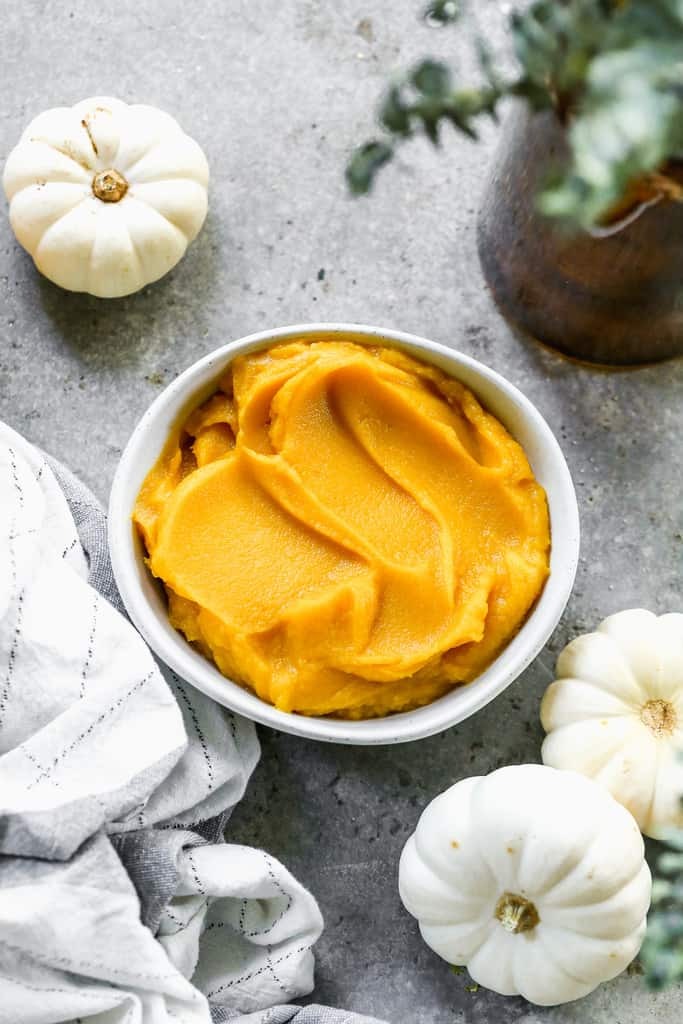
Watery flesh and a poor yield are cooking problems. The baker also reported bitterness, and strong bitterness is the discard signal.
Thorough cooking is the safer choice if you're at higher risk of food poisoning. The CDC lists adults 65 and older, children younger than five, pregnant people, and people with weakened immune systems as higher-risk groups.
What about raw pumpkin seeds?
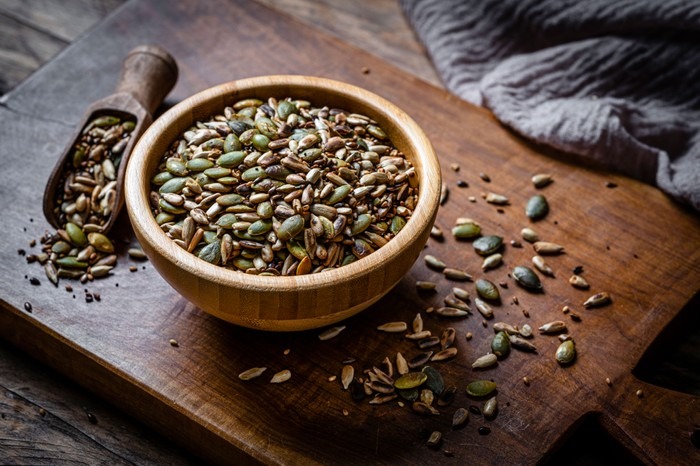
Pumpkin seeds can be eaten raw, though they are chewier and milder than roasted seeds. Clean them and any utensils you use, since seeds from inside a pumpkin aren't sterile. Roasting makes them crisper and cuts the germ risk further.
How to store pumpkin
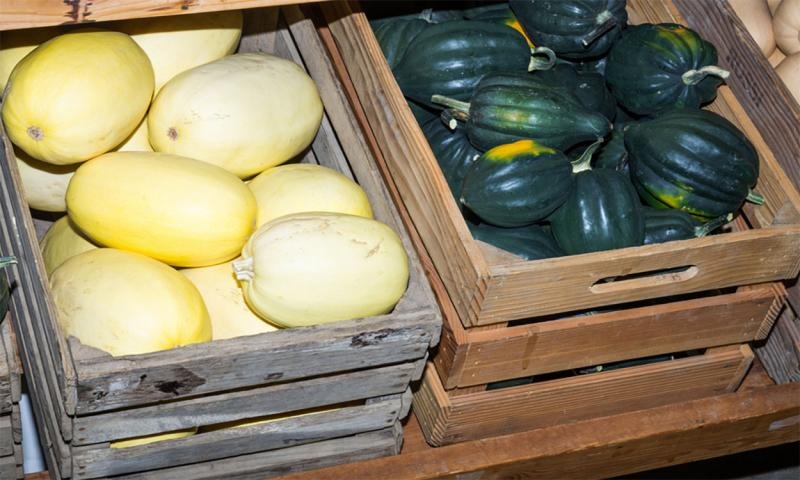
Whole, sound winter squash keeps in cool, dry storage. Cut and cooked pumpkin need prompt refrigeration. FoodSafety.gov sets the time limits for perishable prepared food.
| Condition | Handling | Rule |
|---|---|---|
| Whole, sound, uncut pumpkin | Keep in cool, dry winter-squash storage | The prepared-food time limit doesn't apply to intact winter squash |
| Freshly cut raw flesh | Refrigerate promptly in a clean container | Keep it refrigerated after cutting; the cooked-puree storage period is a separate rule |
| Cooked or prepared pumpkin | Refrigerate within two hours, or one hour above 90°F (32°C) | Time at room temperature matters for perishable prepared food |
Illinois Extension recommends eating refrigerated cooked pumpkin puree within three to four days. Keep a pumpkin that was carved and displayed outdoors, painted, or left to deteriorate out of the kitchen.
One baker left roasted pumpkin in the oven overnight and asked whether baking it again would help:
not to add to the “can i still eat this” i’m aware of the 2 hour rule but i feel this might be genuinely different
last night i roasted a pumpkin for pie cut side down in water and left it in the oven to cool, but of course I fell asleep. where i would store raw pumpkin out anyway, and it’s going to be cooked again once i put it in the pie, would you still use it? or has being out but cooked created some danger?
Cooked pumpkin left overnight at room temperature is perishable food that has passed the normal chilling window. Baking it again won't fix that.