
Which Berries Are High in Polyphenols? What the Numbers Mean
For an everyday diet, blueberries, blackberries, raspberries, strawberries, or any other berry you enjoy are practical choices. Aronia (black chokeberry) and blackcurrants top the polyphenol-concentration comparison below, but rankings shift with berry variety, measurement method, and food form.
Which berries contain the most polyphenols?
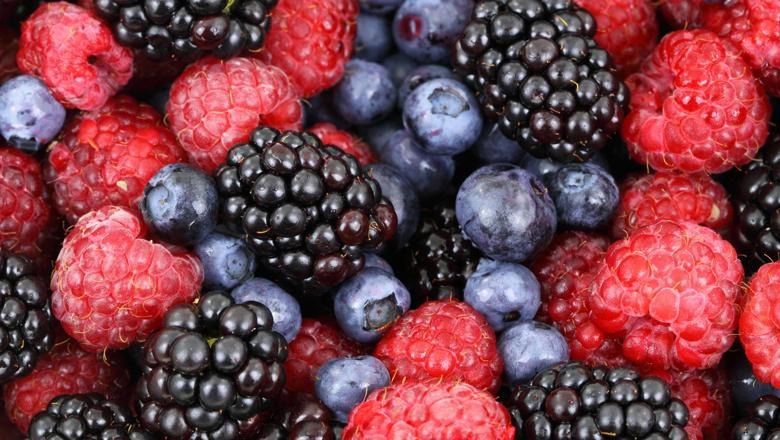
Black chokeberries—also called aronia berries—rank near the top in polyphenol comparisons. Blackcurrants and blueberries are also strong sources, while blackberries, strawberries, and raspberries supply their own mixtures of polyphenol compounds. For mulberries, see the mulberry identity and nutrition guide.
All the figures below come from the same Healthline presentation of Phenol-Explorer-derived food-composition data.
| Berry | Reported polyphenols (mg/100 g) |
|---|---|
| Black chokeberry (aronia) | Over 1,700 |
| Blackcurrant | 758 |
| Highbush blueberry | 560 |
| Blackberry | 260 |
| Strawberry | 235 |
| Red raspberry | 215 |
Polyphenol values reported by Healthline using Phenol-Explorer-derived data, in mg per 100 g of food. Do not compare them directly with mg GAE, dry-weight values, or anthocyanin-only figures.
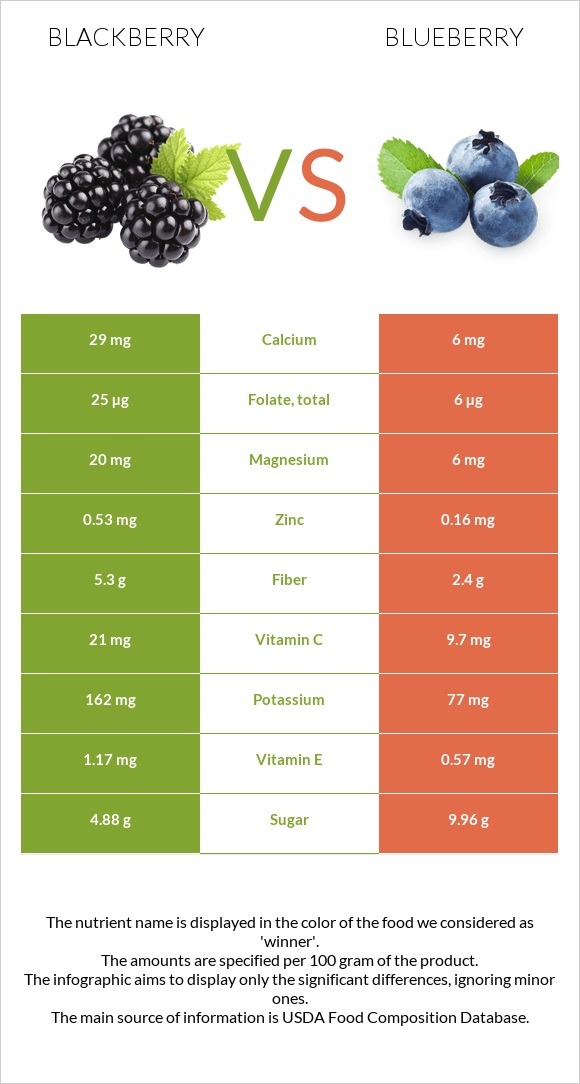
Aronia has more than three times the polyphenols of highbush blueberries (over 1,700 vs 560 mg per 100 g), and blackcurrant has about three and a half times the raspberry figure (758 vs 215). The blueberry figure is for highbush blueberries, and a bag labeled just “blueberries” may hold a different cultivar. The table has no matched values for cranberries or black raspberries, which also appear in berry-composition research.
There is no official daily polyphenol target, so these numbers can't be turned into a recommended serving.
Why do polyphenol rankings disagree?
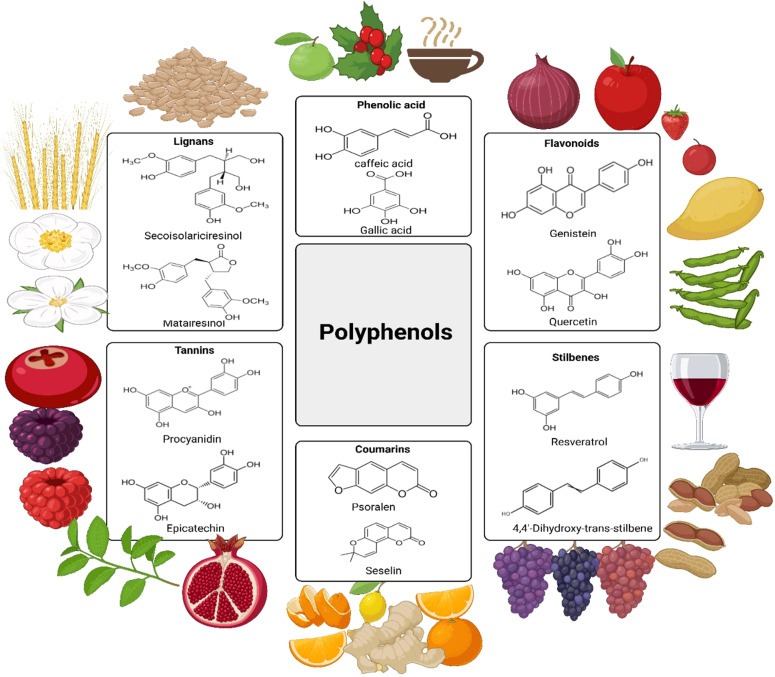
Two studies can report very different numbers for the same berry because they measured different things. Polyphenols are a diverse family of plant compounds. Anthocyanins, which give many berries their red, purple, and blue colors, are one part of that family; others include phenolic acids, proanthocyanidins, and ellagitannins.
Blueberries contain anthocyanins and hydroxycinnamic-acid-related compounds. Raspberries and strawberries have important ellagic-acid-related phenolics; counting one class gives a different comparison than measuring a broader range of compounds.
| Measurement | What the result describes | How to read it |
|---|---|---|
| Sum of identified polyphenols | Amounts of separately identified compounds added together | Check which compounds were included |
| Total phenolic content (TPC) | Color reaction, often in mg gallic acid equivalents (GAE) | An estimate based on the reaction, not a sum of compound masses |
| Anthocyanin content | One family of colored polyphenols | Narrower, covers a single class |
| ORAC, FRAP, DPPH, or TEAC | Laboratory antioxidant-capacity tests | Reflect lab test responses |
The Pérez-Jiménez polyphenol comparison evaluated 502 compounds across 452 foods using data on individually identified polyphenols. The Folin–Ciocalteu method relies on a color reaction that also responds to other reducing substances. The numbers from these approaches have different definitions.
Water content changes the mass basis. A result in milligrams per 100 grams of fresh weight (FW) uses a different basis than milligrams per 100 grams of dry weight (DW). A dried sample can show a larger amount per 100 grams because much of its water has been removed.
A dry-weight extract figure can look far bigger than the highbush blueberry value in the first table. The two only compare if method, food form, and weight basis match.
Before you set two figures side by side, check:
- Compound: Identified polyphenols, total phenolics, or anthocyanins?
- Food state: Whole fresh berries, dried material, juice, powder, or extract?
- Unit: Fresh weight, dry weight, or a concentration per volume?
Variety, ripeness, and extraction method also shift the result.
Chokeberries and blackcurrants versus everyday berries: what is worth buying?
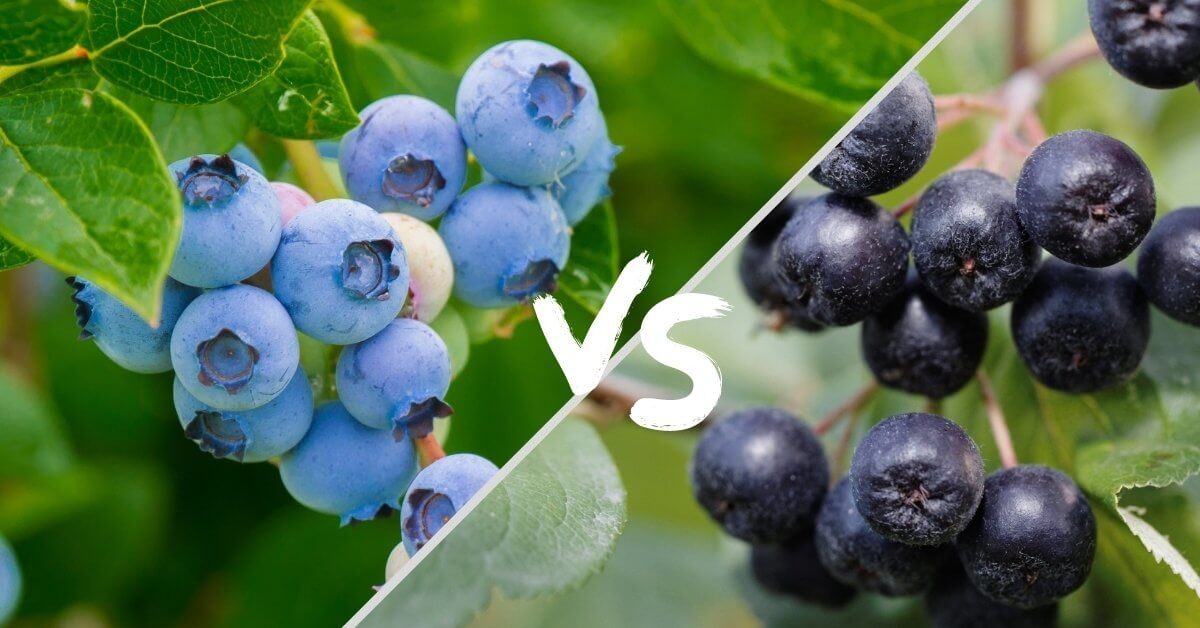
Aronia looks impressive in a polyphenol table. Eating it is a different experience.
A sensory study of aronia juice links its polyphenols and organic acids to bitterness, acidity, astringency, and a drying feeling in the mouth. If you like tart fruit, that intensity may appeal. If you want an easy handful of berries, a familiar variety is simpler. Preference also depends on the preparation and its sweetness.
Blackcurrants also rank high in the comparison, but availability and product form differ by store. Blackcurrant juice, aronia concentrate, and a bag of whole blueberries give you different eating experiences and ingredient profiles.
Familiar berries, fresh or frozen, fit a breakfast routine without specialty shopping. Blackcurrant and aronia suit juice, concentrates, and other strongly flavored preparations.
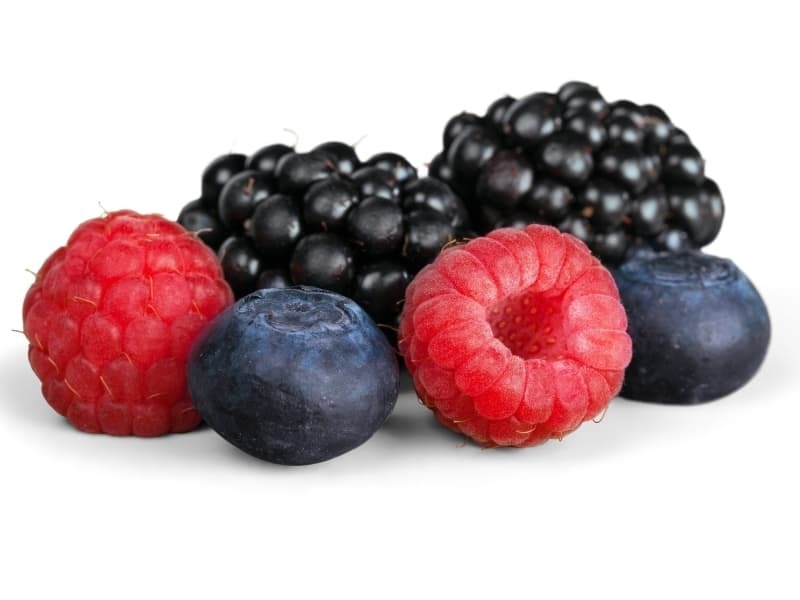
A 2026 study of nine commercial blueberry products found that several lower-priced frozen products had anthocyanin concentrations comparable to or above those of the fresh products sampled. Price did not consistently track anthocyanin levels.
So I have a bit of a sweet tooth and I like to snack so I have been eating fruit and berries a lot.
I really like blueberries. The problem is they're pretty expensive and they don't keep for long.
Just discovered you can just buy frozen ones. At first they look a bit gross. The frozen ones are really small, and look a bit like rabbit poo.
But you know what? They're actually pretty damn tasty. [...] I just pour into a bowl and eat it with a spoon like I'm eating ice cream.
They're healthy, low calories, filling, convenient, yummy and they're a fraction of the price.
What's the catch? Actually the one catch is it makes your tongue and lips blue if you eat too much so you do end up walking around like a blue tongue lizard. Haven't found a good work around for that yet but other than that, I honestly can't believe I've just discovered this. Goes straight into my list of "eat however much you want" foods
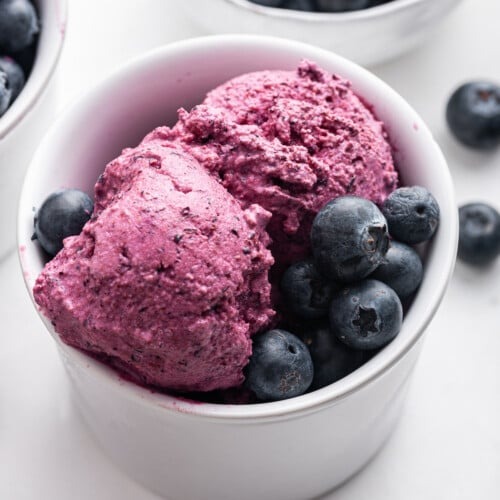
Fresh, frozen, dried, powdered or juice: what changes?
In a controlled experiment, highbush blueberries stored at approximately −20°C for up to three months showed no statistically significant decrease in the anthocyanins measured. The blueberry freezing and drying study also found substantial anthocyanin losses with the drying methods it tested.
Processing research on European blueberries found changes in measured phenolics and anthocyanins under other treatments. Results for one berry, compound class, and process don't carry over automatically to a grocery product.
| Food form | Useful when | What to bear in mind |
|---|---|---|
| Fresh whole berries | Fresh texture matters in a dish or snack | Variety and handling affect composition |
| Frozen whole berries | Smoothies, oatmeal, or eating frozen suit the meal | Anthocyanins held up in a freezing study |
| Dried berries | A compact, chewy ingredient suits the recipe | Dry-weight figures and drying methods complicate comparisons |
| Juice or concentrate | A drinkable or intense preparation is desired | Ingredients, dilution, and processing change the food |
| Berry powder | Storage and mixing convenience matter | Composition depends on the product and process |
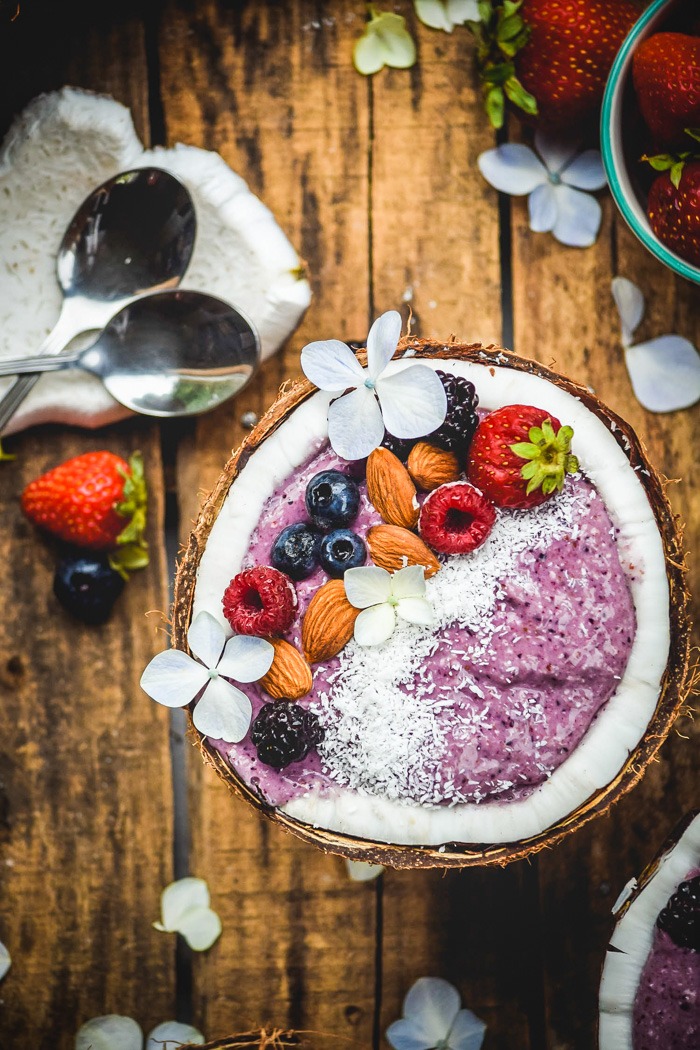
When a freezer full of blueberries disappoints
Hi everyone, I got 10kg of blueberries for free and I froze them all in plastic bags.
I love blueberries and was hoping to eat them, but the process of defrost and drying makes the blueberries not that tasty. Any tips on how I can make my frozen blueberries edible? I'm not that advanced at cooking but I can follow instructions 😀 thank you!
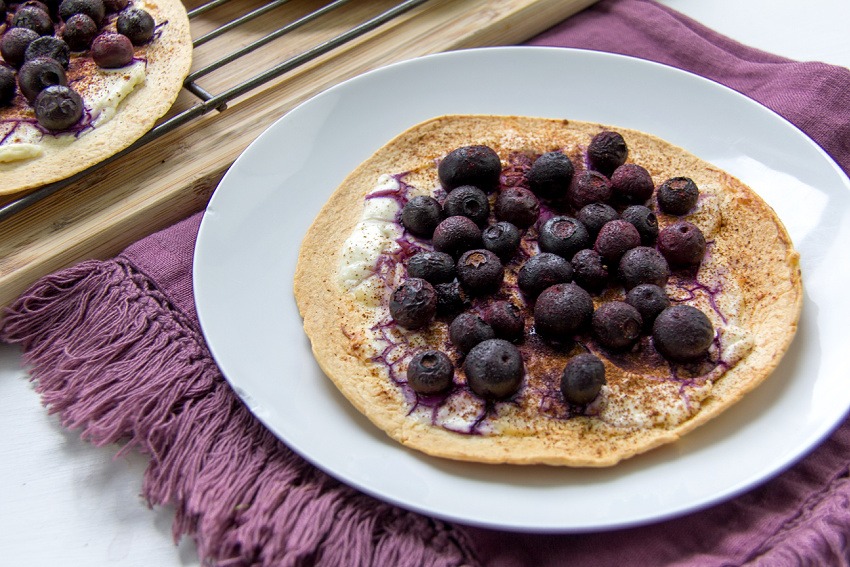
Thawed berries go soft, but they still work in smoothies, oatmeal, and baked dishes.
Does a higher polyphenol number mean a bigger health benefit?
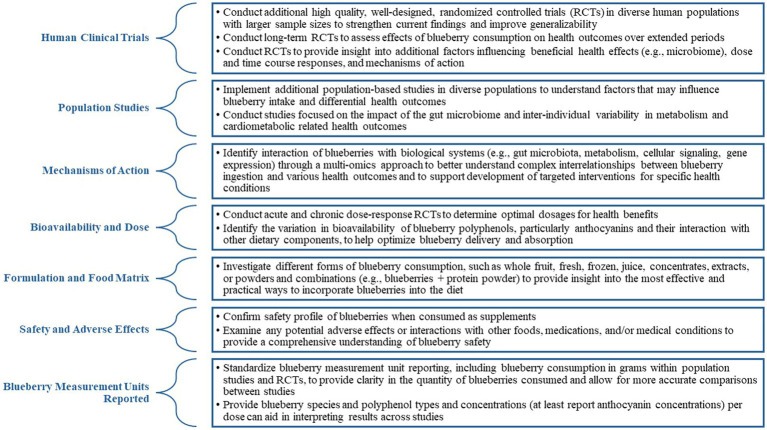
Polyphenol concentration describes chemical composition. Human studies measure what happens after people consume particular berry interventions.
A 2025 systematic review of 35 studies reported effects on selected vascular-function measures. A separate 2025 meta-analysis of 45 randomized trials reported improvements in some intermediate markers, including flow-mediated dilation and pulse wave velocity. Both measure physiology, not clinical events such as heart attacks, which need direct outcome evidence.
What should you check before buying or eating berries?
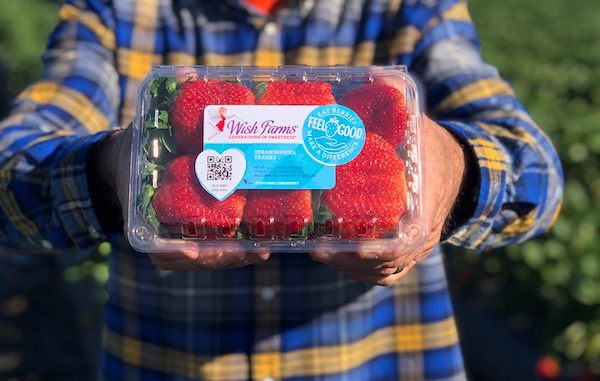
A package may contain whole berries, a mix, juice, concentrate, or another preparation. The Nutrition Facts panel reports nutrients such as fiber and carbohydrates. A comparable total-polyphenol value would need a separate laboratory measurement.
Read these details on the packaging:
- Fruit identity: Aronia, elderberry, blackcurrant, and red currant are distinct fruits.
- Ingredients and form: Whole fruit, a mixture, juice, added sweetener, or powder changes what a serving contains.
- Serving information: Read the Nutrition Facts amounts against the package's stated portion.
Raw or improperly prepared elderberries can cause gastrointestinal illness. Follow reliable preparation instructions for your product, as explained by the University of Minnesota Extension. Never eat an unidentified wild berry based on a picture.
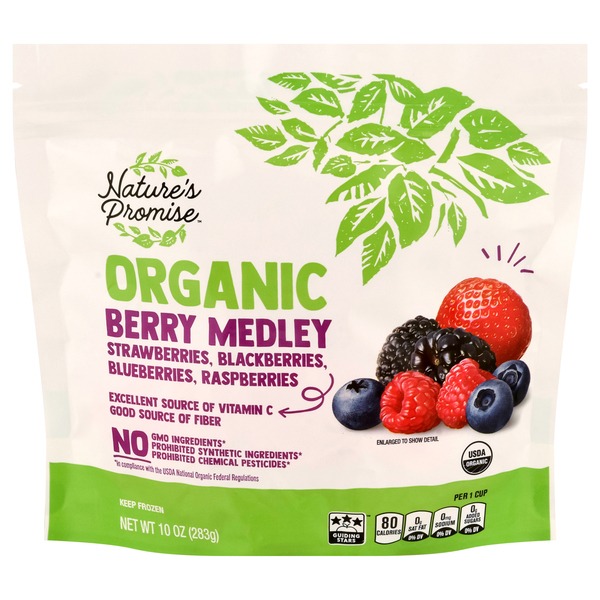
Freezing does not reliably kill every foodborne pathogen. In a 2026 investigation involving frozen organic blueberries and E. coli O145, the FDA identified particular recalled lots. An October 2 recall expansion covered specified Great Value and Trader Joe's frozen berry products, with some listed best-by dates in 2028. If you hold a matching recalled lot, discard or return it according to the FDA's product-and-lot notice.
Do wild blueberries or banana smoothies change the answer?
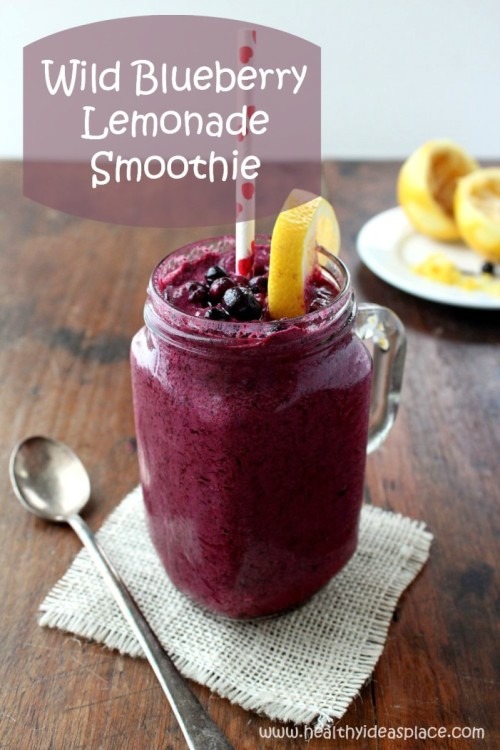
A 2001 comparison found higher measured total phenolics and anthocyanins in sampled lowbush blueberries than in the highbush genotypes tested. Cultivar and extraction conditions affected the measurements, so the result applies to those samples. A generic “wild blueberries” label tells you nothing about an individual package's laboratory result.
Do bananas cancel the polyphenols in blueberry smoothies?In a small 2023 crossover study, a banana smoothie high in polyphenol oxidase was mixed with added cocoa-derived flavan-3-ols, and researchers measured metabolites of those added compounds in blood. The study doesn't show that banana-and-berry smoothies always lose polyphenols.