
Lean Meats for Muscle Gain: Which Cuts Make Sense?
Skinless chicken breast, turkey breast, pork loin, and lean ground beef all work for building muscle when you lift. Per 3 ounces cooked, turkey has the fewest calories (111 kcal) and chicken has the most protein (25.1 g). The practical choice is a cut you can cook and eat consistently.
Which lean meats work for muscle gain?
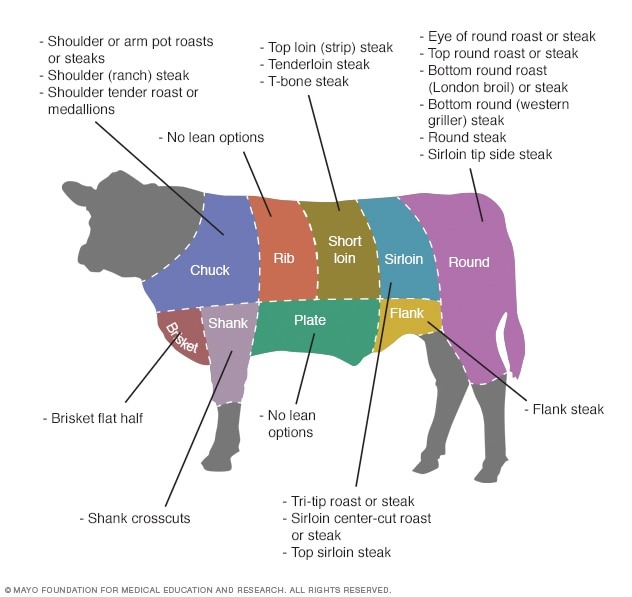
The list extends beyond chicken and turkey breasts to lean ground poultry, pork loin or tenderloin, beef round or sirloin, and ground beef labeled 90% lean or higher. The American Heart Association's meat-selection guidance lists skinless poultry, loin and round cuts, and lean ground-meat options.
How chicken, turkey, pork, and beef compare per serving
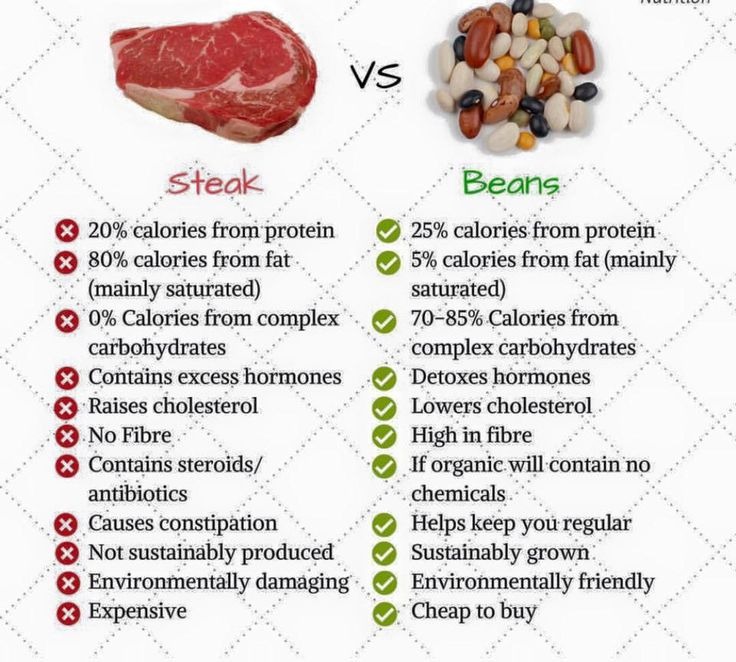
Each row below is a 3-ounce (85 gram) portion of edible cooked meat from a USDA-derived record. Nutrition values belong to the specific cut and how it was prepared, so a different package or cooking method gives different numbers.
| Cooked meat record, 85 g | Protein | Calories | Total fat | Saturated fat |
|---|---|---|---|---|
| Chicken breast, skinless and boneless, with added solution, grilled (record 171536) | 25.1 g | 126 kcal | 2.9 g | 0.86 g |
| Turkey breast, meat only, with added solution, roasted (record 174514) | 23.7 g | 111 kcal | 1.8 g | 0.36 g |
| Pork whole loin, separable lean only, roasted (record 168233) | 24.3 g | 178 kcal | 8.2 g | 3.0 g |
| Ground beef, 90% lean/10% fat, cooked as a baked loaf (record 171795) | 22.6 g | 182 kcal | 9.4 g | 3.7 g |
The USDA-derived chicken nutrition record shows why the full description matters. Both poultry entries include added solution, the pork is whole loin, and the beef is a baked ground-meat preparation.
The roasted turkey has 71 fewer calories and 3.34 g less saturated fat than the baked ground beef, and both provide more than 22 g protein.
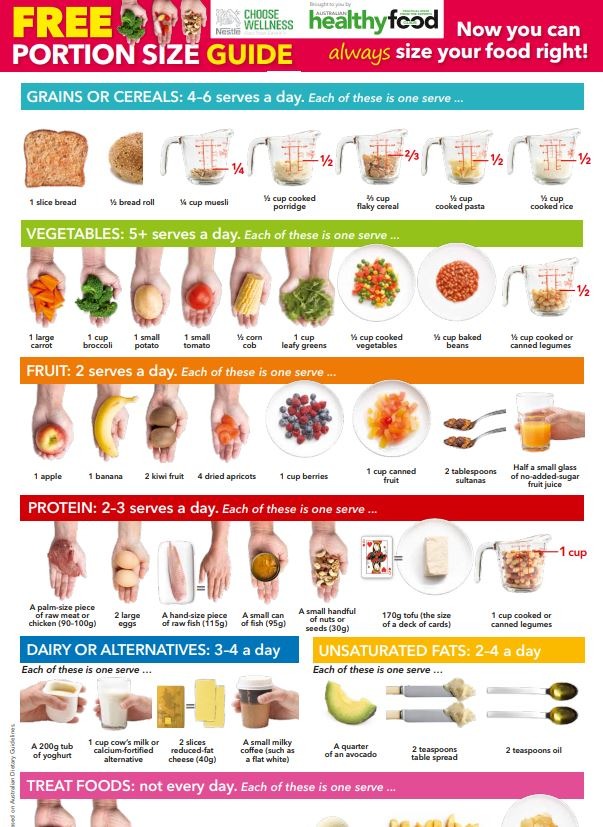
To see protein per 100 calories, divide protein grams by calories and multiply by 100. Chicken comes to about 19.9 g, turkey 21.4 g, pork 13.7 g, and beef 12.4 g.
The American Heart Association advises choosing poultry without an injected sodium solution. Check the ingredient list and the sodium line on the package if you watch sodium.
What “lean” and “extra lean” mean on a US label
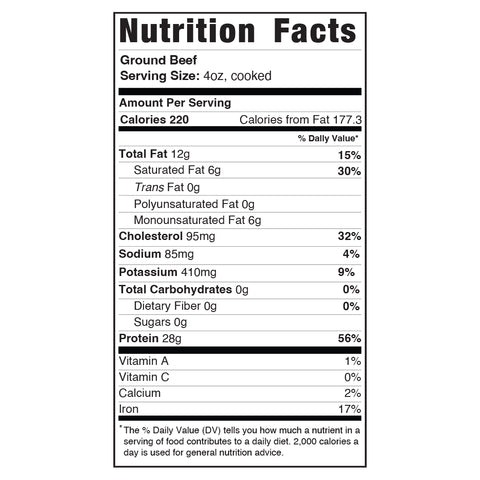
On US beef labels, lean and extra lean have set nutritional definitions. Under USDA Food Safety and Inspection Service criteria, they mean the following per 100 grams of beef:
- Lean: less than 10 g total fat, no more than 4.5 g saturated fat, and less than 95 mg cholesterol.
- Extra lean: less than 5 g total fat, less than 2 g saturated fat, and less than 95 mg cholesterol.
Ground beef labeled 90/10 is 90 parts lean meat and 10 parts fat by raw weight. Its Nutrition Facts panel lists calories and nutrients per serving.
In guidance reviewed August 28, 2024, the American Heart Association included ground beef labeled 90% lean or higher among its practical meat-selection options.
Raw versus cooked meat: how to count your portion
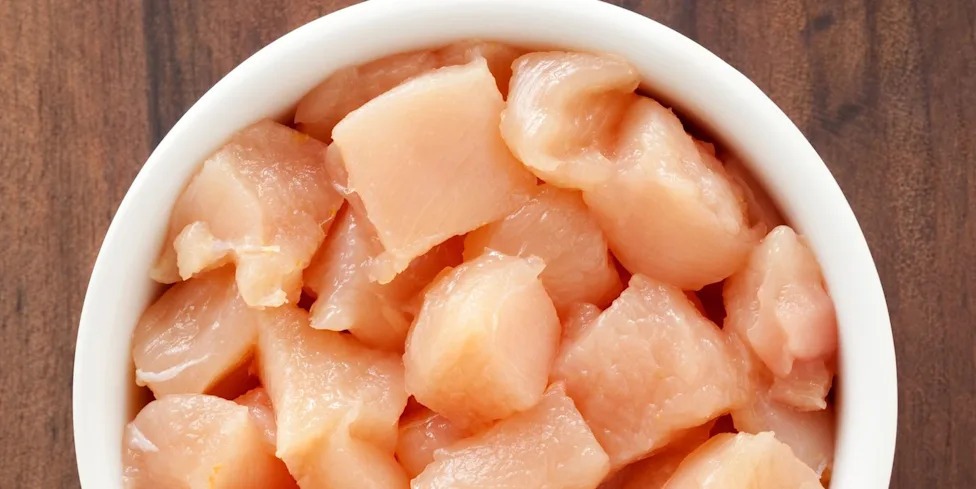
Use the nutrition entry that matches how you weigh the meat; raw weight goes with the raw package figures, and cooked weight goes with a cooked-food entry.
A reader in r/PetiteFitness ran into exactly this problem:
I'm having a hard time understanding if I should weigh my chicken raw and use the calories and protein on the nutrition label or weigh the cooked chicken and try and calculate calories off of that.
I have 400g of chicken I buy raw from the supermarket and the nutrition label for 100g is 115 calories and 21g protein. So I multiply this by 4 and then use that to see where I'm at for the day.
[...] but I am not aureif I am logging correctly because the cooked chicken weighs less and I'm worried I'm miscalculating
Can anyone advise
With the poster's label numbers, 400 g of raw chicken comes to 460 calories (400 ÷ 100 × 115) and 84 g protein (400 ÷ 100 × 21), before any added ingredients.
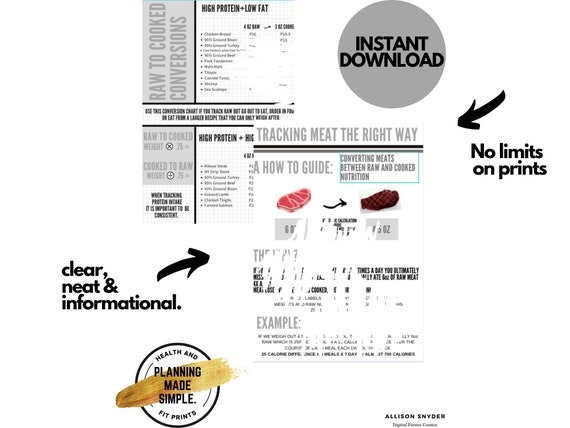
Cooked chicken weighs less because it loses water, so you can't multiply its lower weight by the raw label's per-100 g figures. Look up a cooked entry for that cut and preparation instead.
Bone, skin, oil, breading, and sauce change the count too, and no single conversion factor fits every meat and cooking method.
What lean meat contributes to muscle growth

Meat supplies complete protein, including the essential amino acids your body uses to maintain and build tissue. Resistance training provides the stimulus for muscle growth, and adequate overall nutrition supports it.
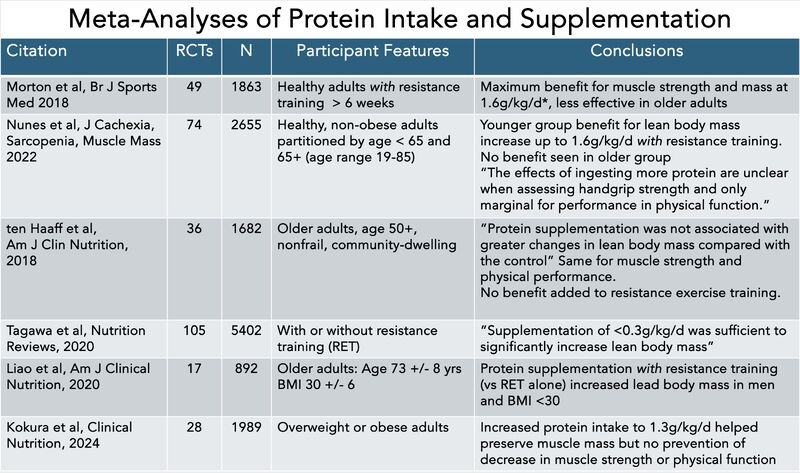
A 2018 meta-analysis by Morton and colleagues pooled 49 randomized trials with 1,863 participants. Protein supplementation alongside resistance training was associated with greater gains in strength and fat-free mass. Past about 1.62 g of total daily protein per kilogram of body weight, the dose-response model found no further fat-free mass benefit.
Does the type of meat change the result? In a 2024 randomized trial of lean beef and resistance training, 49 older women followed one of three diets: about 0.8 g/kg/day protein from mixed foods, 1.4 g/kg/day from mixed foods, or 1.4 g/kg/day with an emphasis on unprocessed lean beef.
After 12 weeks of resistance training three times a week, the researchers found no difference between the diets in quadriceps muscle volume or strength gains.
Other studies reported favorable changes when lean red meat, higher protein intake, and training began together. Daly and colleagues, for example, studied older women in a different diet-and-training comparison. Those trials changed several things at once, so they can't isolate the effect of the meat.
How to choose between chicken, turkey, pork, and beef
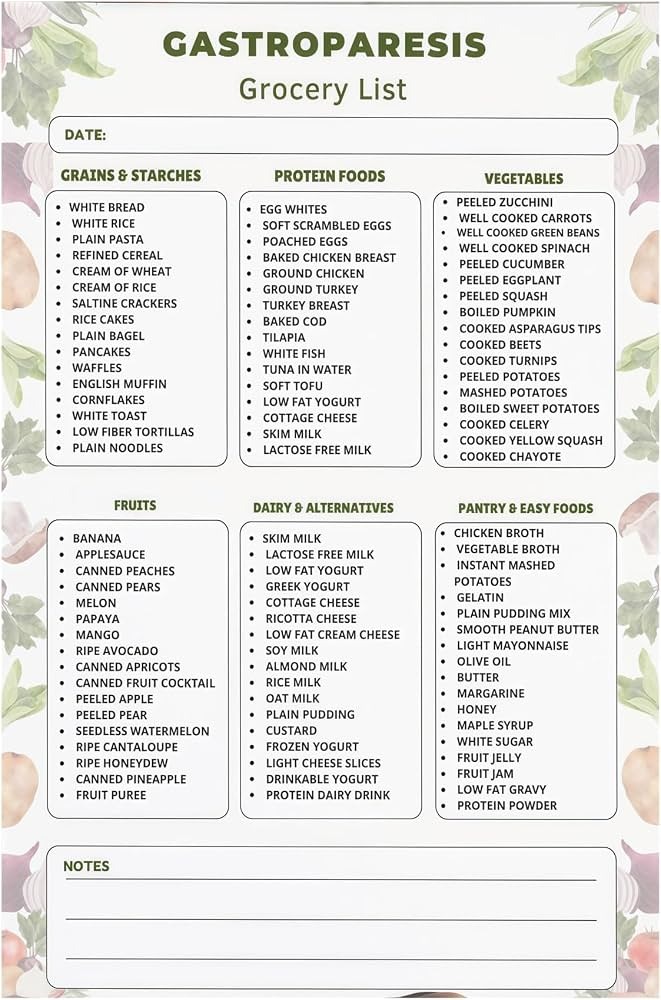
The most practical cut also has to fit the meal you plan to make. Price, flavor, reheating, fat intake, and prep effort can decide it even when two cooked portions have similar protein.
| Priority | Compare | What to do |
|---|---|---|
| Lower calories or saturated fat | Matching prepared portions | Go for skinless poultry, or check the nutrition entry of other cuts |
| More meal variety | Cut, flavor, and cooking method | Alternate poultry with lean pork or beef |
| Lower food cost | Price per serving you eat, or per gram of protein | Use your local package price and the edible yield |
| Reheatable work lunches | Texture, portioning, and prep effort | Pick meals that store well and still taste good |
If you are choosing between the two prepared entries in the earlier table, turkey fits a lower-calorie, lower-saturated-fat goal. If you are making beef tacos, a lean ground-beef product still suits the flavor and the format.
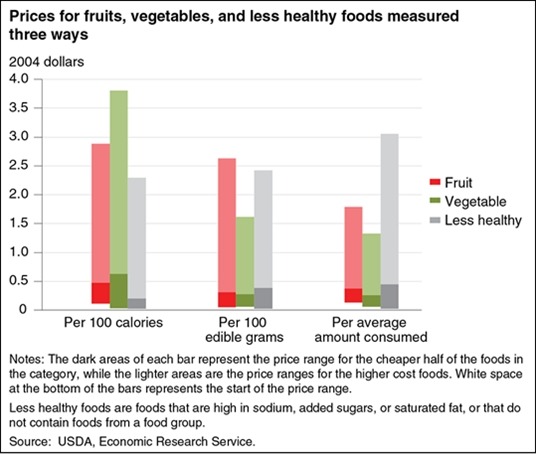
To compare costs, divide the package price by the servings you will eat. For protein cost, divide the price by estimated edible protein grams and multiply by 25 to get cost per 25 g protein. The inexpensive-protein-food guide covers lean meat costs and serving-size calculations.
The table's pork figures are for whole loin. Pork tenderloin is another option for variety, but it needs its own nutrient entry for a direct comparison.
Lean-meat meal ideas for variety and flavor
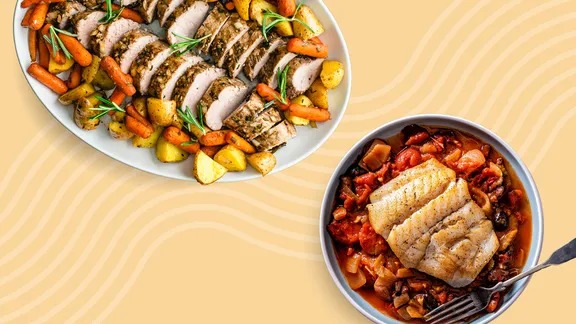
How you prepare lean meat decides whether it stays in your rotation. A member of r/mealprep described how repetitive food had become, even after changing dishes:
im so tired of eating chicken and rice whats ur go to meal that actually tastes good AND fits your calories
ok real shit i see everyone talking about meal prep but half the time its just sad chicken breast that tastes like nothing
so im asking what are you guys actually eating that doesnt feel like punishment
[...]
ive been doing ground beef tacos egg fried rice with veggies and salmon pasta but im burned out on those too
whats your secret i need something that keeps me full doesnt take 2 hours to make and tastes like food not a protein shake
bonus points if its something you could eat at a restaurant cause sometimes i just wanna feel normal and go out without calculating every ingredient
edit: wow ok didnt expect this response thanks for all the suggestions im gonna try the curries and the stir fry stuff sounds amazing
- Chicken stir-fry: Cook chicken with broccoli and peppers in a sauce you like, and swap the vegetables or the side next time.
- Turkey or lean-beef tacos: Season the ground meat and serve it in tacos or bowls, changing the vegetables and toppings.
- Roasted pork loin: Slice it over vegetables and rice or potatoes, and change the seasoning each time.
- Sheet-pan poultry: Roast poultry with carrots and potatoes on one pan and portion it for lunches or dinner.
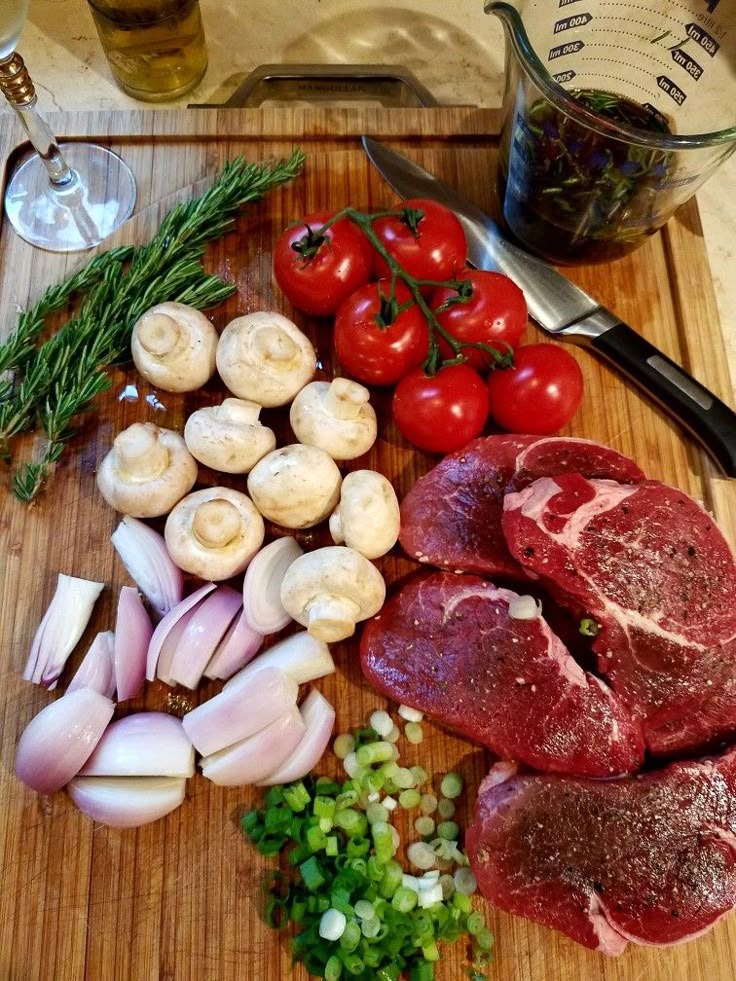
Count the oil, sauces, breading, rice, tortillas, and toppings in each meal's totals. If cooked lean meat turns out dry or too salty, change the seasoning, the cut, or the method. Baking, broiling, roasting, air frying, and slow cooking all give different textures. Pick a couple of meal formats you will repeat.
Cook and store lean meat safely
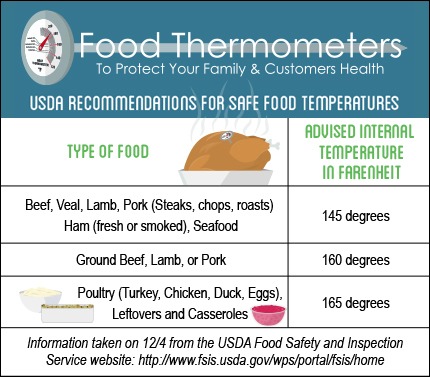
Use a food thermometer to check safe internal temperature, since thickness, equipment, and starting temperature all change the cooking time.
| Meat category | USDA minimum internal temperature |
|---|---|
| Whole beef or pork steaks, chops, and roasts | 145°F (63°C), then rest for 3 minutes |
| Ground beef and ground pork | 160°F (71°C) |
| Chicken, turkey, and other poultry, including ground poultry | 165°F (74°C) |
These values follow USDA Food Safety and Inspection Service cooking guidance.
A reader faced with extra chicken and rice asked how to use it:
hi all! i accidentally made WAY too much chicken and rice and need some ideas for what to do with it. i know chicken lasts about 3-4 days in the fridge, do you guys freeze it to keep it longer after it’s cooked? thanks!
Refrigerate cooked leftovers promptly at 40°F (4°C) or below, and split large batches into shallow containers so they cool faster. Don't leave perishable food at room temperature beyond 2 hours, or beyond 1 hour when it is above 90°F (32°C).
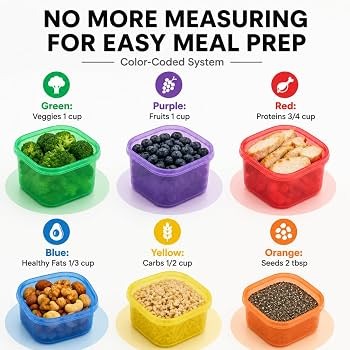
Cooked meat and poultry generally keep 3 to 4 days in the refrigerator. Raw ground meat and raw poultry keep 1 to 2 days, and raw beef and pork steaks, chops, and roasts keep 3 to 5 days. Freeze portions you won't eat within those windows.
When reheating leftovers, heat them to 165°F (74°C) throughout and confirm the temperature with a food thermometer.