
Animal Protein Foods: What to Compare and Which Guide to Read
For a US reader comparing animal-protein foods, choose by the whole food: its cut or species, comparable portion, preparation and relevant nutrients. If the food form or an applicable safety rule changes the choice, address that condition first, then open the guide for the exact food you're considering.
Pork belly, salmon and imitation crab can all contribute protein to a meal, but they prompt different questions. You might want the fat content of a particular cut, the ingredients in a processed seafood product, or a fair comparison of bison and beef. The answer starts with the food and the decision you need to make.
Which animal-protein food guide answers your question?
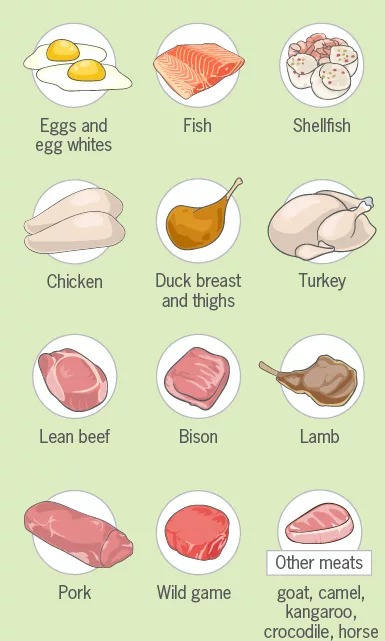
Choose the guide that matches your question. A food profile explains the composition of one item; a comparison needs matched products; an ingredients question starts with the packaged food itself.
| What you're asking | Food-specific guide | What it covers |
|---|---|---|
| How many calories and how much fat are in pork belly? | Pork belly nutrition | Cut-specific nutrients, portions and preparation |
| What nutrients are in chicken hearts? | Chicken heart nutrition | Organ-meat composition and servings |
| Is octopus a suitable food choice? | Octopus nutrition | Composition and cooking differences |
| How does bison compare with beef? | Bison vs. beef | Comparable cuts, food forms and preparation |
| What is in chicken feet, including collagen claims? | Chicken feet nutrition | Composition, cooking and claim evaluation |
| Is goat meat classified as red meat? | Goat meat classification and nutrition | Classification and food composition |
| How does preparation affect catfish nutrition? | Catfish nutrition | Nutrition and cooking states |
| What is imitation crab made from? | Imitation crab ingredients | Surimi, product labels and nutrition |
| How do tuna and salmon compare? | Tuna vs. salmon | Food forms, nutrition and fish-specific considerations |
| How many calories are in Brie? | Brie calories and nutrition | Cheese portions and relevant nutrients |
| Which lean meats fit a muscle-building meal? | Lean meats for muscle gain | Lean-meat choices and meal uses |

Compare like with like: food form and portion
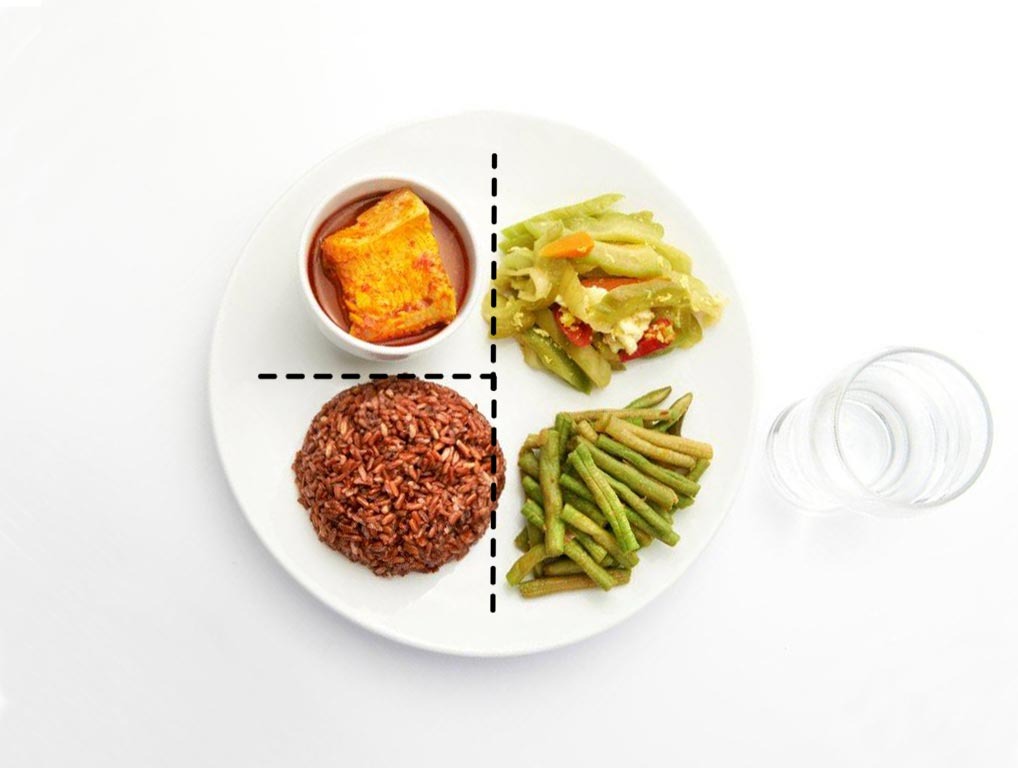
A protein or calorie figure is useful when the food identity, edible amount and preparation state are clear. A 100 g entry for raw meat and a 100 g entry for the cooked version can differ because cooking changes water content and the reference weight.
It also matters whether the item is ground, an intact cut, canned, drained or processed. Those details belong beside the nutrient number.
| Comparison | What to identify | Why it matters |
|---|---|---|
| Raw and cooked bison | Cut, state, edible weight | Cooking changes the weight basis |
| Ground bison and beef | Cut, product form, fat characteristics | Different products can have different compositions |
| Raw fish and canned fish | Species, preparation, drained weight | Processing changes the reference amount |
| Pork belly and bacon | Exact food and processing | The entries describe distinct products |
| Brie and another cheese | Cheese identity and serving amount | The portion and product affect the values |
The USDA's FoodData Central documentation distinguishes Foundation Foods, FNDDS, Branded Foods and SR Legacy data. A branded label and a generic food record can describe different products, so note which record or package supplied the figure.
On a US Nutrition Facts label, serving size is the amount used to calculate the displayed values. The FDA explains that it reflects customary consumption for labeling and is not an individualized eating recommendation.
What matters beyond grams of protein?
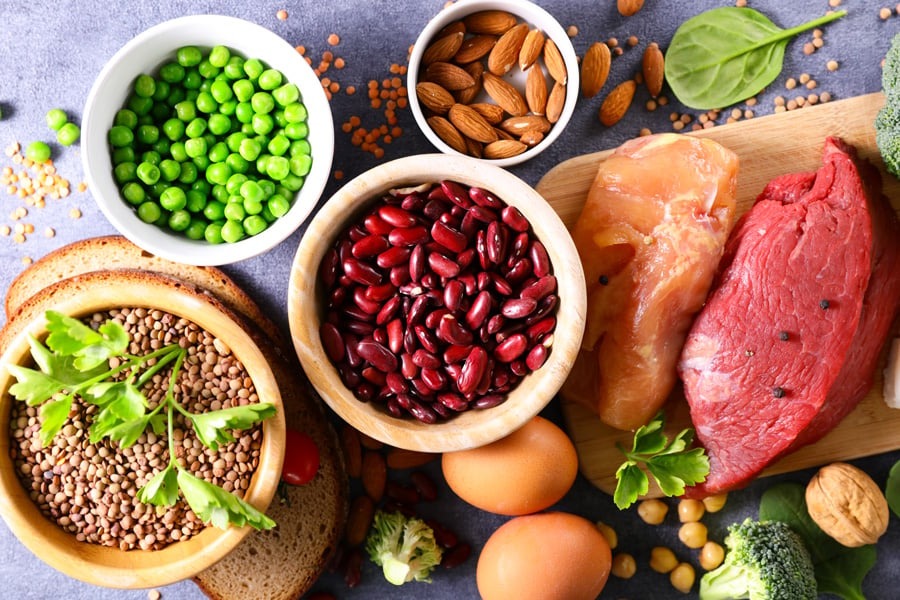
Two foods can contribute protein while bringing different amounts of calories, saturated fat, sodium and other nutrients to the meal. Preparation and processing can also change which details matter.
The Harvard Nutrition Source calls the wider nutritional characteristics of a protein-containing food its “protein package.” The American Heart Association recommends protein foods mostly from plants, regular fish and seafood, and lean, unprocessed choices for people who eat meat or poultry.
For a shortlisted animal food, the label or matching nutrition record can answer four different questions:
- Protein and calories: What does the amount you plan to eat contribute to the meal?
- Saturated fat: How does the particular cut or product fit the intended dietary pattern?
- Sodium and processing: Has curing, seasoning or other preparation changed the product's values?
- Other relevant nutrients: Which documented characteristics matter for this food and this reader's question?
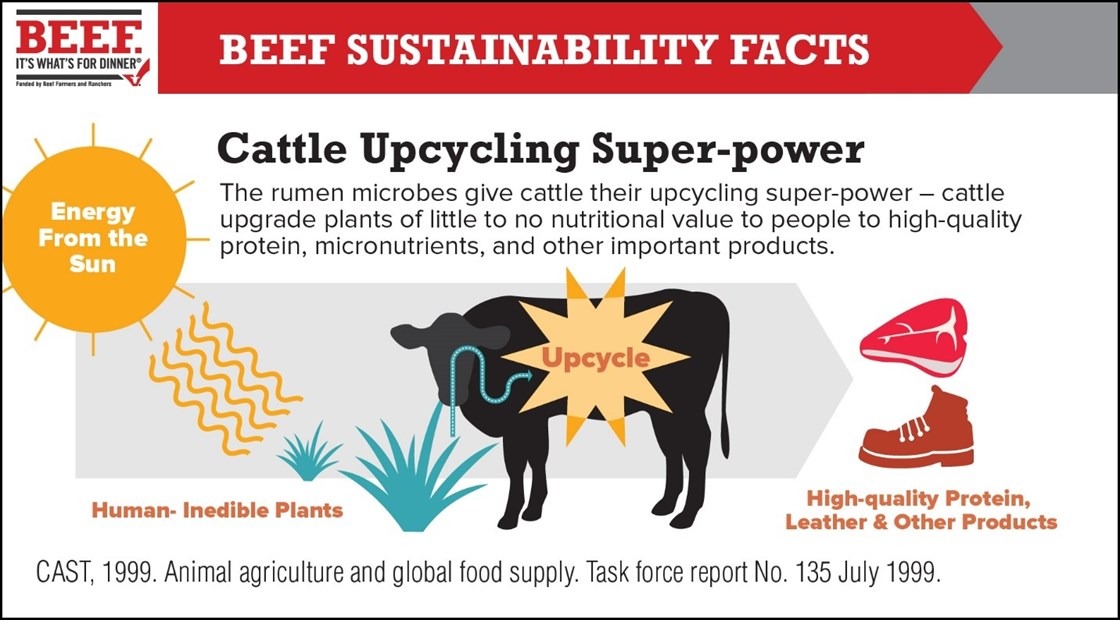
A pork-belly question calls for cut-specific values and the intended portion. A lean-meat question starts with the product’s leaner form and a comparable amount.
Know the food you are comparing: cut, species, ingredients
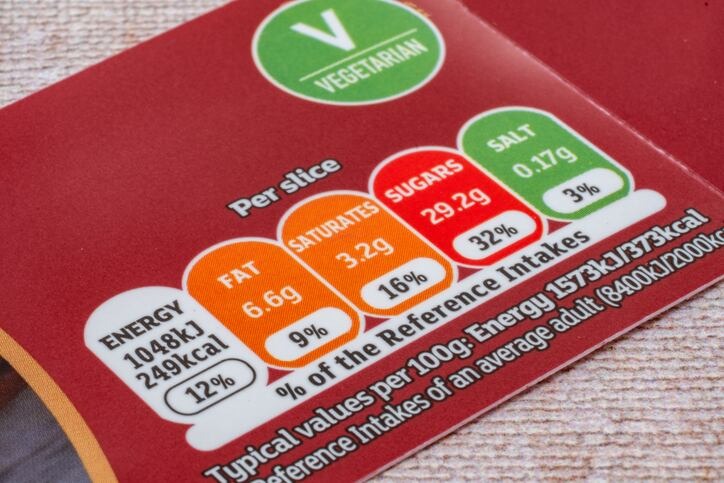
An animal food can be a particular cut, an organ, a species or a prepared product. Pork belly and bacon have different processing histories; chicken hearts and chicken feet answer separate composition and cooking questions. Imitation crab is commonly a surimi-based product, with ingredients that depend on the particular package. Identify the named species or cut, then read the ingredient and allergen information on the product before using a food profile.
Taste and cooking method can change the best choice

A food that looks suitable on a nutrition label can still be a poor fit for the way you cook and eat. A ground product, an intact cut and an unfamiliar ingredient can behave differently in a recipe.
One person cooking ground bison described being startled by the smell after preparing it:
I had ground bison, and i wasnt ready for the strong flavor. after cooking it I had it in a to go box, closed. I kept lookong around the car like what is that BO smell? is it my shirt? no it was the cooked ground bison. i will say, perhaps I am wrong for being so put off bc this is what meat should taste like. it’s not like the other animals that have had thousands of years of human intervention. next time, maybe use lots of seasonings. rosemary. things to distract from the intensity.
The source does not establish the cause of that odor. Unusual or unpleasant smells can signal spoilage, so discard meat showing signs of spoilage. Rosemary or other seasoning cannot make questionable meat safe.
For sound food, taste and texture remain personal considerations. Chicken hearts, chicken feet and octopus call for their own preparation guidance; the intended cut and cooking method should fit the dish you're planning.
When price or availability changes, choose a practical substitute
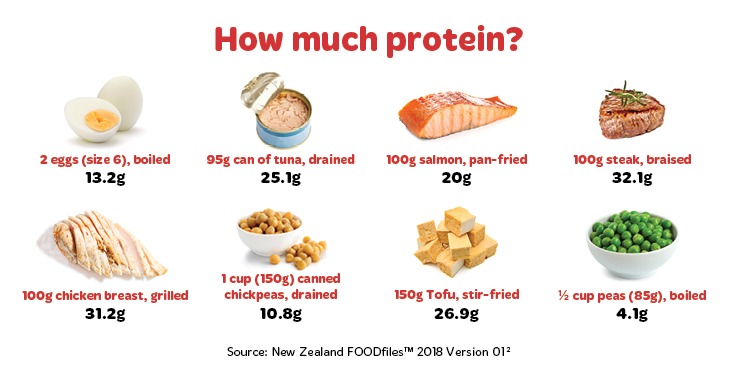
A household may have to change its preferred ingredients when the available package or local price no longer suits the meal. A usable alternative needs to perform the same cooking role and fit the food budget.
An earlier discussion about eggs and chicken shows two needs arising together:
Since bird flu is causing egg prices to go up or even eggs to be out of stock at stores, and I imagine chickens are going to be affected as well, what would be a good and affordable protein source for an athlete? I also used eggs to coat chicken and are there any alternatives to that that work?
The poster wanted an affordable protein source for meals and a replacement for eggs used in a coating. Those are separate cooking tasks. For a main dish, a lean-meat choice or a suitable fish can be compared by edible amount and intended use. An egg coating requires a recipe-specific substitution.
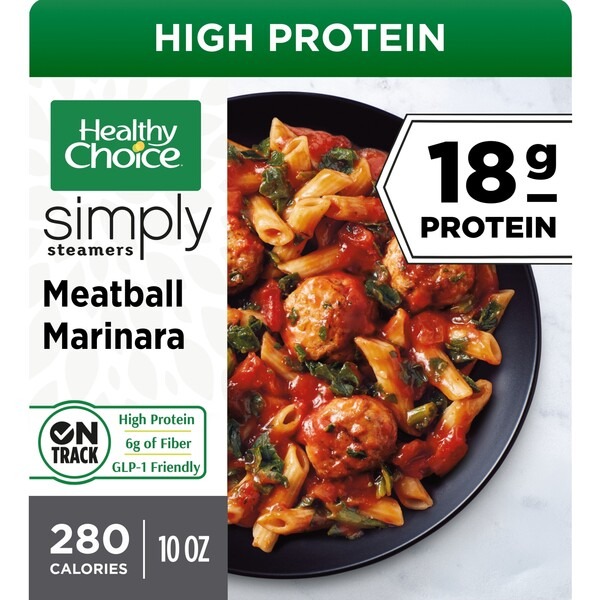
Package price alone can hide a difference in usable food. Compare the price of the edible amount you intend to cook, along with the product form. If the issue is which lean meat fits a meal, start with the lean-meats guide; if it's bison against beef, use the matched-form comparison. Local prices and availability determine which option is realistic.
Check the safety rules that apply to the food and person
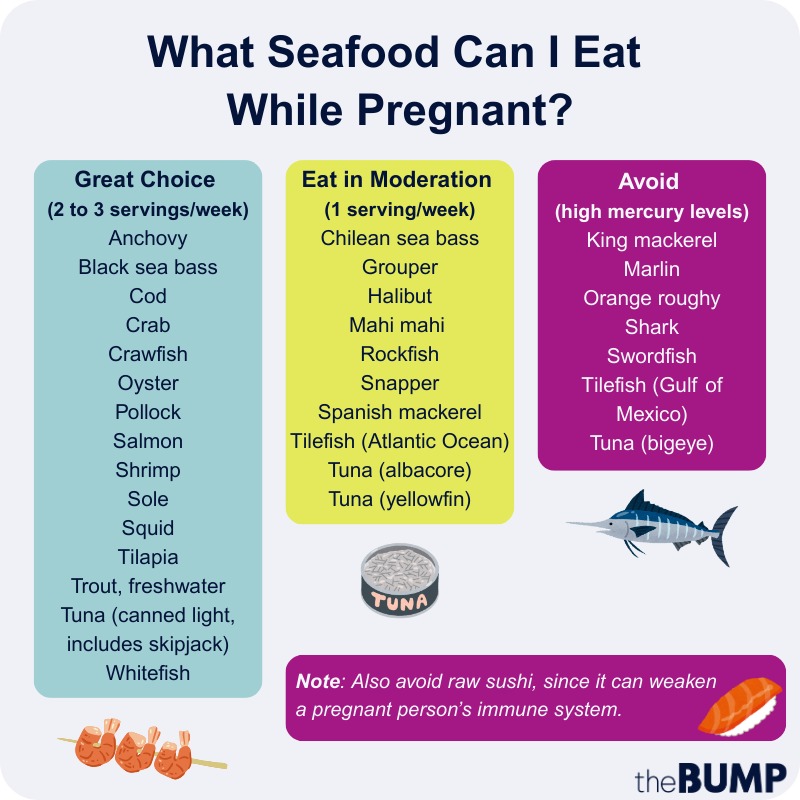
Some food choices change when the species, the product ingredients or the person eating it brings a specific safety rule into play.
The FDA and EPA's Advice About Eating Fish addresses people who might become or are pregnant, people who are breastfeeding, and children ages 1 to 11. Its mercury-related advice distinguishes the fish and product forms below.
| Fish or product | FDA/EPA category |
|---|---|
| Salmon | Best Choices |
| Catfish | Best Choices |
| Canned light tuna | Best Choices |
| Albacore tuna | Good Choices |
| Bigeye tuna | Choices to Avoid |
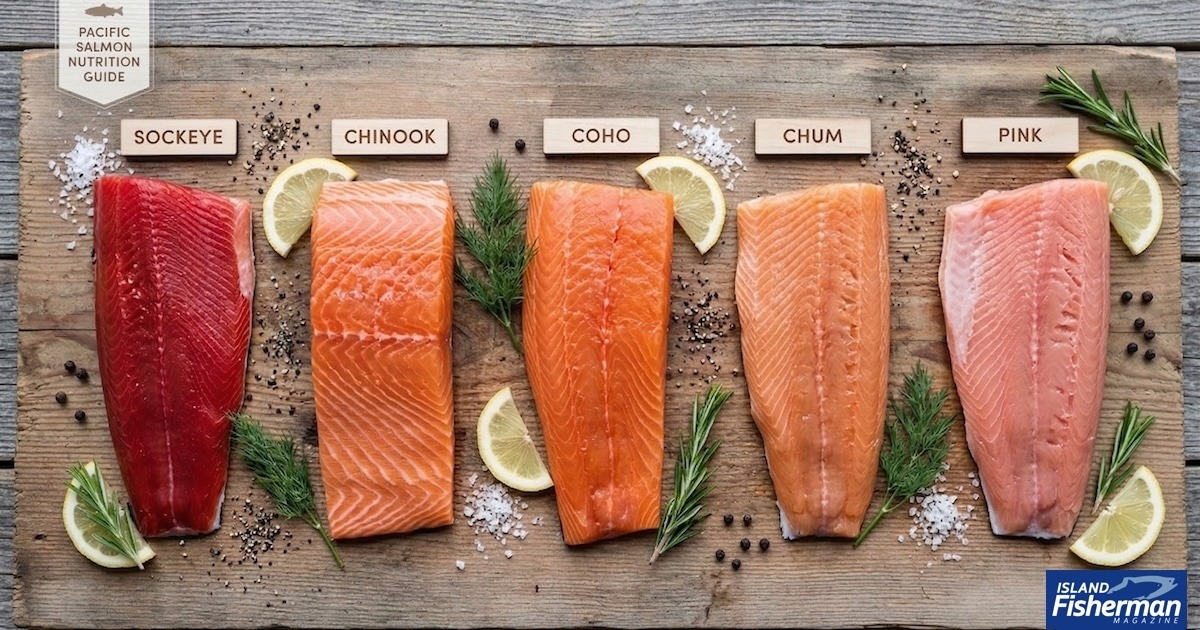
Those categories apply within the advice for the named populations; the recommended amounts and circumstances matter too. For fish caught locally, consult the applicable state or local fish-consumption advisory before using the species category alone. When no advisory is available, the FDA/EPA advice for these groups limits that caught fish to one serving, with no other fish that week.
For meat and poultry, use a food thermometer and the applicable safe internal-temperature guidance for the specific product. The cooking temperature cannot be judged reliably from color or taste. Ingredient and allergen labeling provides a separate safety check for processed products such as imitation crab.
US readers comparing animal-protein foods should choose from the exact product’s cut or species, comparable portion, preparation and relevant nutrients. If the food form or an applicable safety rule changes the choice, resolve that condition and open the matching guide.
Explore this topic
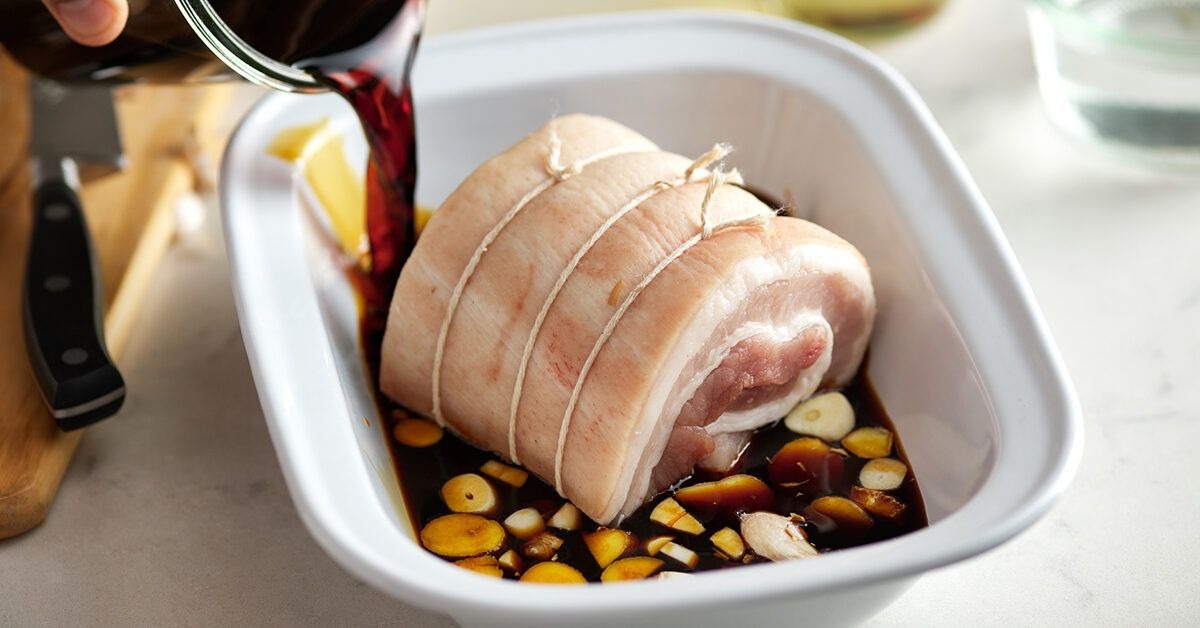
Pork Belly Nutrition: Calories, Fat, Protein, and Portion Sizes
Compare 518 vs. 380–385 calories per 100 g in different raw pork belly records, calculate your portion, and learn how cooking changes food-log estimates.
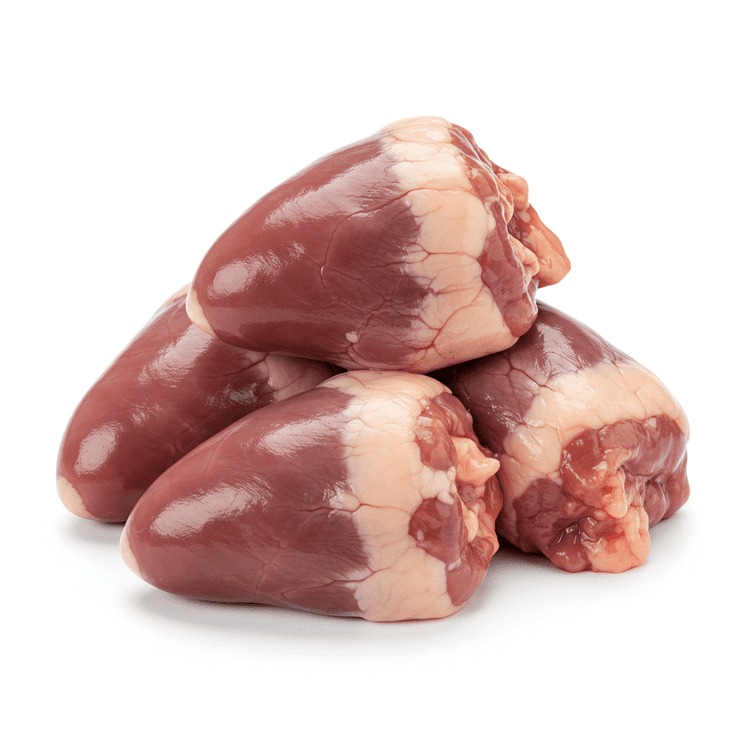
Chicken Heart Nutrition: Calories, Protein, and Serving Sizes
Compare raw and simmered chicken heart calories, protein, and nutrients per 100 g. Calculate your portion and understand conflicting product-label figures.
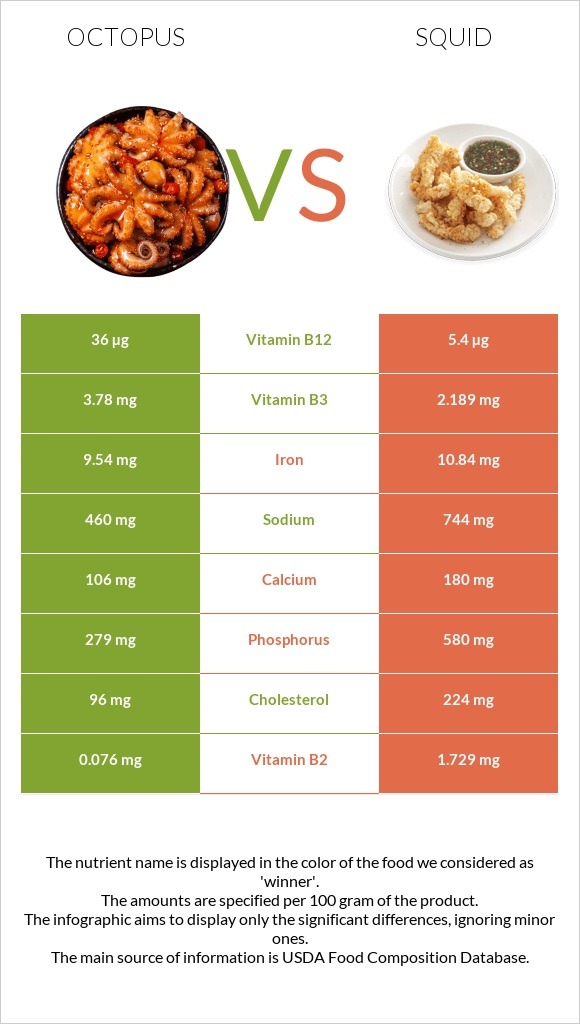
Is Octopus Good for You? Nutrition, Calories, and What Cooking Changes
See the protein, calories, and sodium in raw and cooked octopus, plus how sauces, allergies, and seafood safety change the choice on your plate.
Bison vs. Beef: Which Is Healthier and Better to Cook?
Compare six USDA-derived raw-meat profiles, see how fat content can change the healthier choice, and learn what matters when buying and cooking bison or beef.

Chicken Feet Nutrition and Benefits: What the Evidence Shows
Explore chicken feet calories and protein, how collagen studies apply to food, what changes in broth, and safe ways to cook, eat, and store chicken feet.
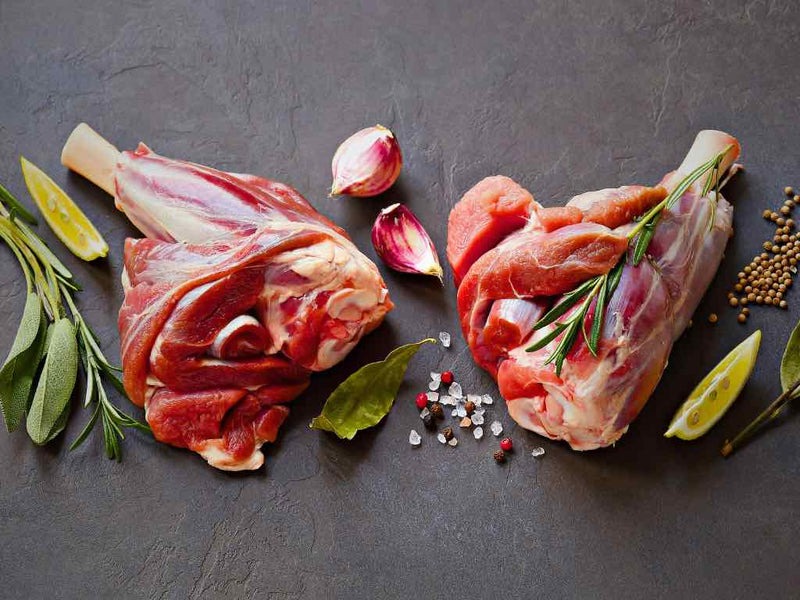
Is Goat Meat Red Meat? Nutrition, Health, and Cooking
Yes, goat is red meat even when lean. Compare cooked goat nutrition, understand bone-in portions, and see USDA temperatures for steaks, roasts, and ground goat.
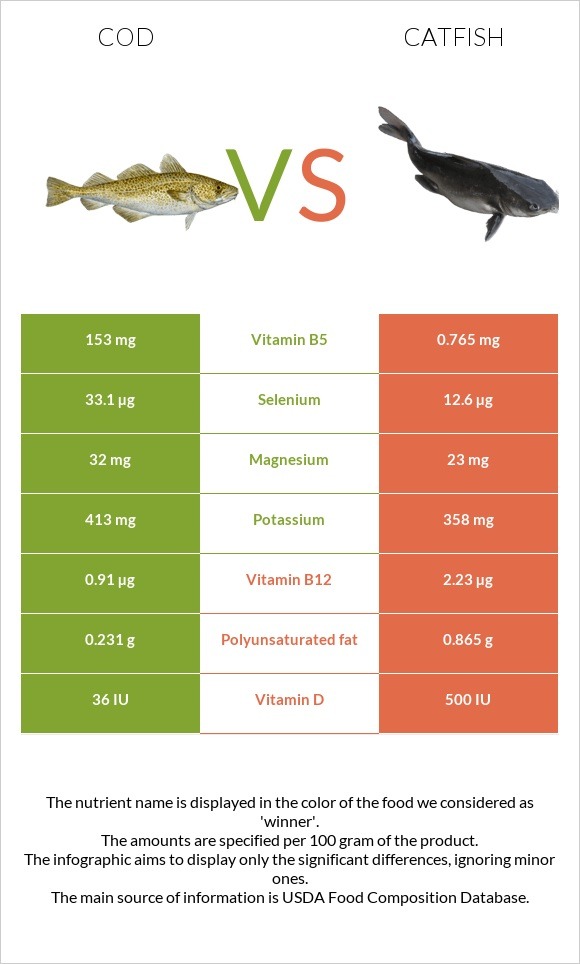
Is Catfish Fattening? What the Calories Depend On
Is catfish fattening? Compare plain and fried catfish calorie records, see what 150 grams adds up to, and learn how preparation changes your meal estimate.
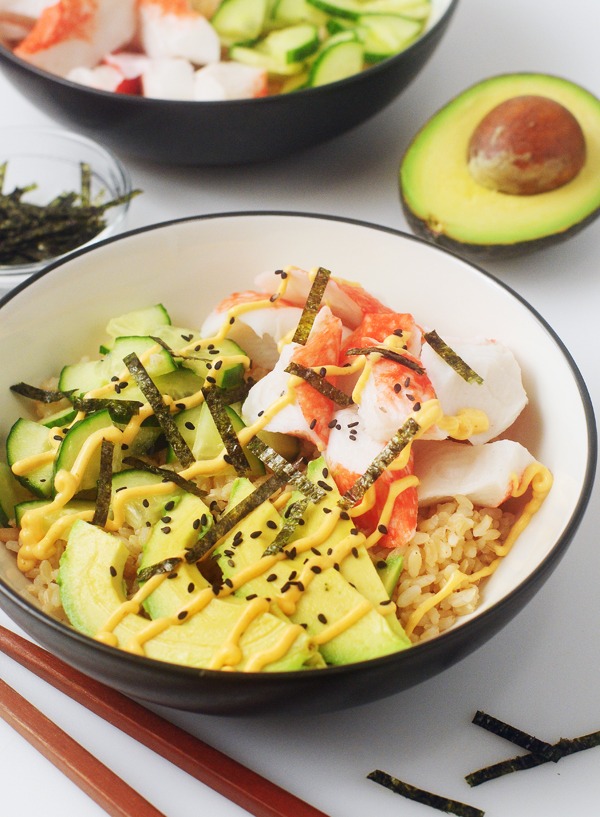
What Is Imitation Crab Made Of? Ingredients, Surimi, and Nutrition
Imitation crab starts with fish-based surimi, but recipes differ. Compare three product labels, allergens, and protein per 3-ounce serving before choosing.
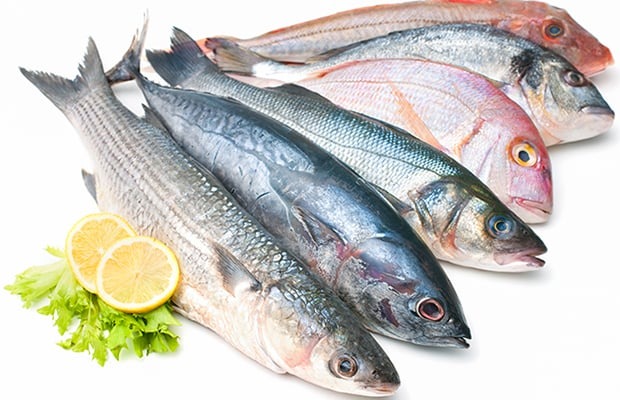
Tuna vs. Salmon: Nutrition, Mercury, and Which Fish to Choose
Compare tuna and salmon by species, protein, omega-3s, mercury category, and preparation. See matched food data and choose the right product for your meal.
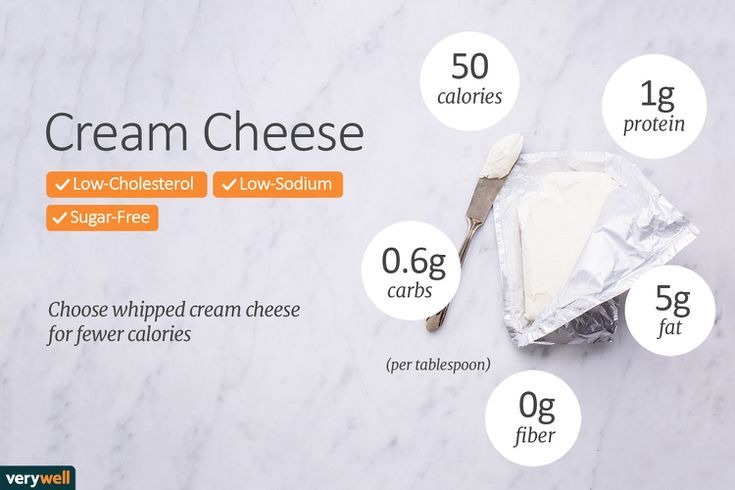
Brie Calories: Per Ounce, 100 g, and Real Servings
Find Brie calories per ounce, 25 g, 50 g, and 100 g. Compare nutrition facts and other cheeses, then calculate your serving from a package label.
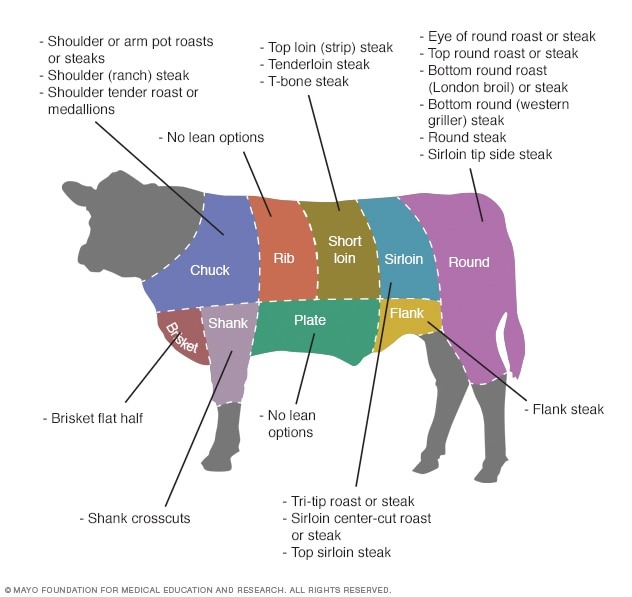
Lean Meats for Muscle Gain: Which Cuts Make Sense?
Compare chicken, turkey, pork, and beef by protein, calories, and fat. Learn raw versus cooked portions, lean labels, meal ideas, and safe meal prep.