
Pork Belly Nutrition: Calories, Fat, Protein, and Portion Sizes
A historical USDA entry lists raw pork belly at 518 calories per 100 grams. A raw skin-on Foundation entry reports 380 or 385.
Cooking cannot explain this gap: both entries describe raw meat, but they use different product descriptions and datasets. Pick the entry that matches your cut and its raw or cooked state, then add the fat and ingredients you actually eat. If your product or dish differs from the reference, go by the label or the closest matching entry.
What is pork belly, and what does its nutrition table describe?
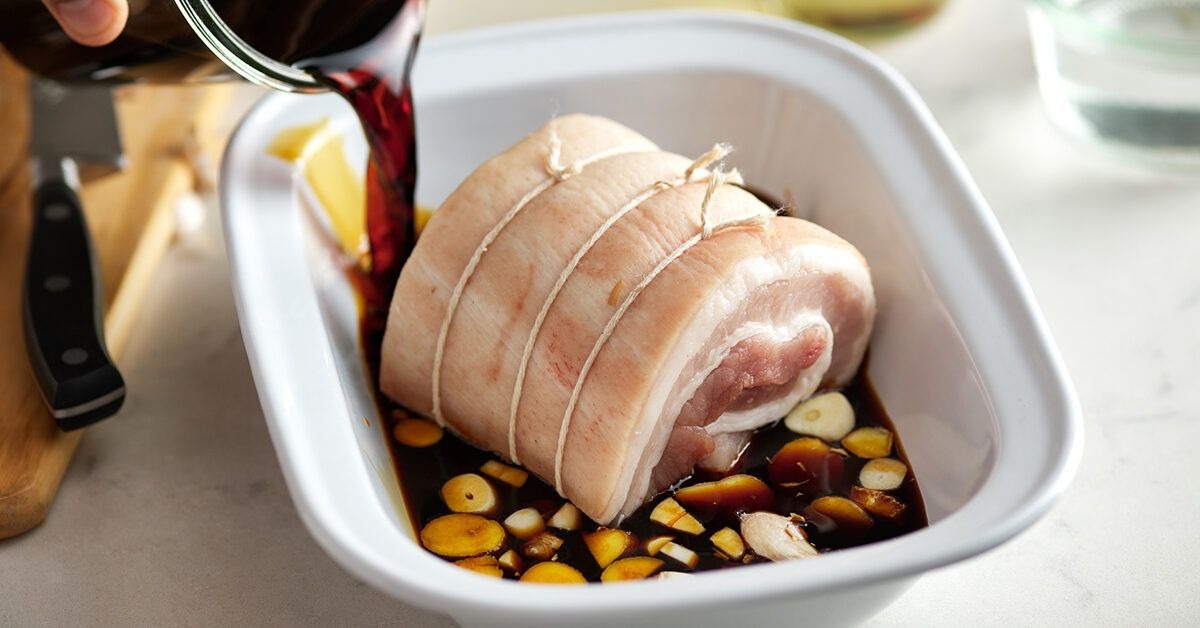
Pork belly comes from the underside of a pig. It's a rich cut with thick fat between layers of meat, which gives it both its texture and its high calorie content. Stores sell it skin-on or skinless, and its composition shifts with trimming and preparation.
A generic nutrition entry for fresh uncured belly will not describe trimmed belly, a cooked dish, or processed bacon.
The USDA's historical SR28 reference lists 518 calories per 100 grams of raw edible pork belly. A Foundation Foods record puts raw pork belly with skin at about 380 to 385. A prepared-food database entry gives a third figure.
| Nutrition reference | Food description | Calories per 100 g | Protein | Total fat | Saturated fat |
|---|---|---|---|---|---|
| USDA SR Legacy, FDC 167812 | Raw edible pork belly | 518 kcal | 9.34 g | 53.01 g | 19.33 g |
| USDA Foundation, FDC 2727576 | Raw pork belly with skin | 380 or 385 kcal | 15.2 g | 35.8 g | Not established |
| FNDDS-derived, FDC 2705901 | Prepared pork belly | 404 kcal | 26.6 g | 32.2 g | Not established |
Each row uses 100 grams as the comparison unit.
The older USDA entry counts 7% skin as refuse, while the Foundation entry is explicitly skin-on. Sodium differs too: 448 mg per 100 grams in the prepared-food entry against 32 mg in the historical raw record. Because the food states differ, the two sodium figures can't be compared cleanly.
Why do pork belly calorie numbers vary so much?
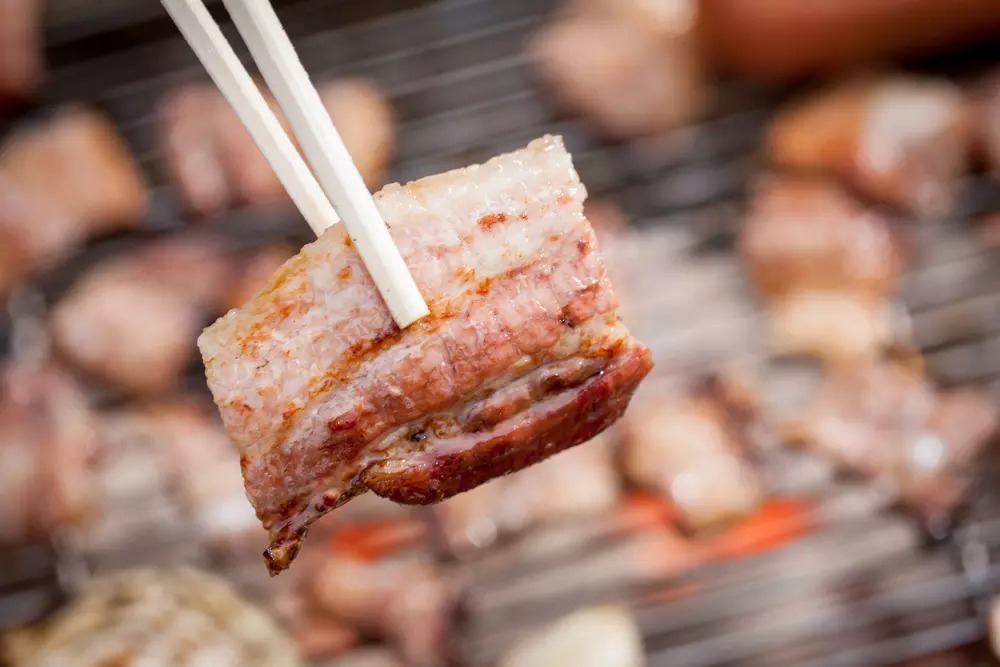
The 518-calorie legacy entry and the 380 to 385-calorie Foundation entry both describe raw pork belly. They use different product descriptions and different food-composition datasets.
The three records also serve different purposes:
- SR Legacy: A historical food-composition reference with its final release in 2018. It still works when the food description matches.
- Foundation Foods: Provides sampling information and more specific food descriptions. The skin-on pork belly entry is FDC 2727576.
- FNDDS: Covers foods as consumed. Its prepared pork belly entry, FDC 2705901, has a composition separate from the two raw entries.
Inside the Foundation record, the energy figure is 380 calories with general Atwater factors and 385 with specific Atwater factors. The food is the same. Only the calculation differs.
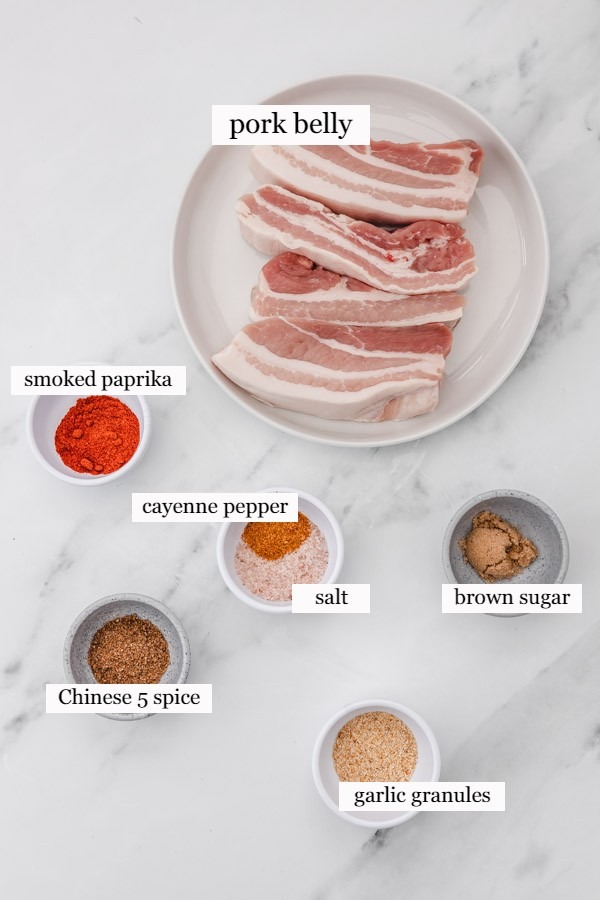
I’m having difficulty planning my daily macros when I eat pork belly. The problem is I’m finding so much variation when I search online for nutrition info, anywhere from 72 calories to 147 calories per ounce. Anywhere from 5 to 15 grams of fat. Anywhere from 2.5 to 6.5 grams of protein. That’s two to three times the difference in variation! I eat a lot of Asian food and am not willing to give up pork belly, as it’s one of the few foods I truly love that I can have on the keto diet. But I would like to know how much of it I can have.
A sampling of the nutrition information I have found online:
www.nutritionix.com They can’t even get their counts in the same ball park for similar types of pork belly products:
1oz:
Pork Belly: Calories 83, Total Fat 6.1g, Protein 6.5g Raw Bacon: Calories 118, Total Fat 11g, Protein 3.6g
Pork Belly (Swift brand) Raw? Maybe, photo shows Raw: Calories 145, Total Fat 15g, Protein 2.5g
The quoted examples mix raw bacon, generic belly and a branded entry, so the numbers are hard to compare.
How many calories are in a 2-, 3-, or 4-ounce portion?
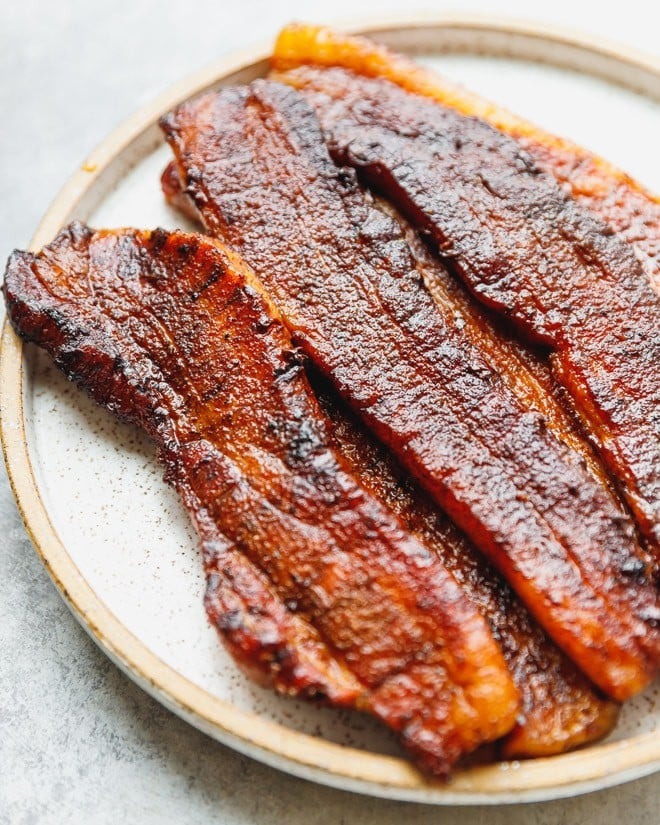
Multiply the portion's weight in grams by the per-100-gram value, then divide by 100. One US ounce is about 28.35 grams.
| Raw edible portion | Weight | Legacy calories | Legacy fat | Legacy protein | Foundation calories | Foundation fat | Foundation protein |
|---|---|---|---|---|---|---|---|
| 2 oz | 56.70 g | 294 kcal | 30.1 g | 5.3 g | 218 kcal | 20.3 g | 8.6 g |
| 3 oz | 85.05 g | 441 kcal | 45.1 g | 7.9 g | 327 kcal | 30.4 g | 12.9 g |
| 4 oz | 113.40 g | 587 kcal | 60.1 g | 10.6 g | 437 kcal | 40.6 g | 17.2 g |
The Foundation columns use the 385-kcal specific-factor value.
Say a piece weighs 150 grams raw and the legacy profile fits. The math is:
150 ÷ 100 × 518 = 777 kcal
Healthline lists 585 calories for 113 grams. At the full four ounces, 113.4 grams, the same profile gives about 587.
How much fat, protein, and saturated fat does pork belly have?
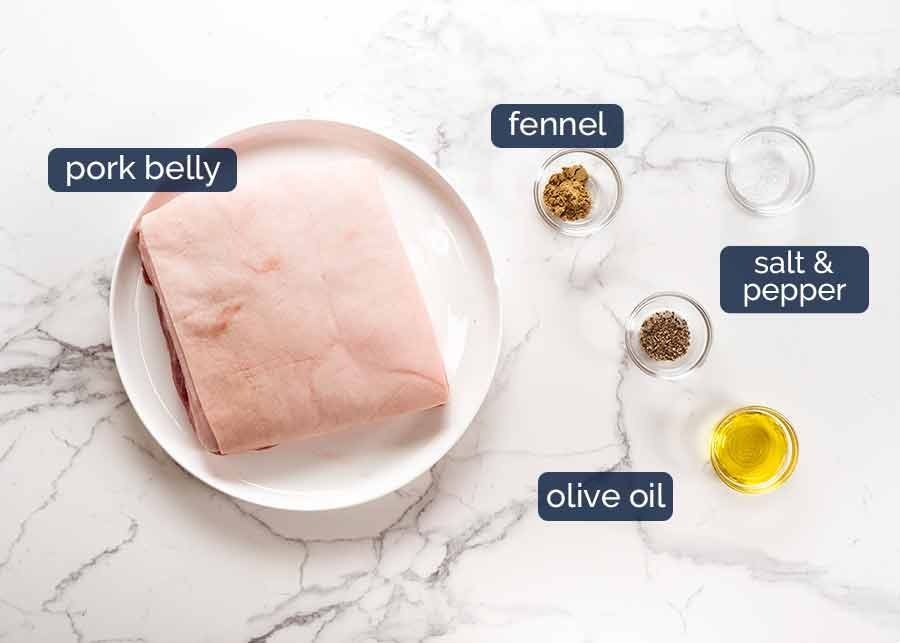
Fat makes up a large share of the weight and energy in the historical raw reference: 53.01 grams of total fat against 9.34 grams of protein per 100 grams.
Saturated fat is 19.33 grams per 100 grams in the legacy entry. That scales to about 11.0 grams in two raw ounces, 16.4 grams in three and 21.9 grams in four.
The American Heart Association recommends that saturated fat supply less than 6% of total calories, which is about 13 grams a day or less on a 2,000-calorie diet. A three-ounce serving from the legacy raw profile already exceeds that.
Pork belly also supplies thiamine (vitamin B1), riboflavin (B2), niacin (B3), vitamin B12, zinc, and iron, according to Healthline's legacy-style description.
What happens to calories and fat when you cook pork belly?
Cooking changes the weight of pork belly and moves some of its fat around. Water evaporates and fat renders out, so the remaining meat gets more concentrated per 100 grams even as its total weight falls.
Rendered fat can stay in the pan, get poured off, or return to the plate in sauce, broth or drippings.
A 2025 study by Yun and colleagues measured the effect. Standardized Korean pork belly preparations produced average cooked mass yields of 68.03% for thick-cut samples and 62.60% for thin-sliced samples, evaluated in triplicate.
The study's estimated calories and fat also changed when the researchers applied cooked-food codes and yield information to the recipes. The 68.03% and 62.60% figures describe cooked weight under the study's conditions.
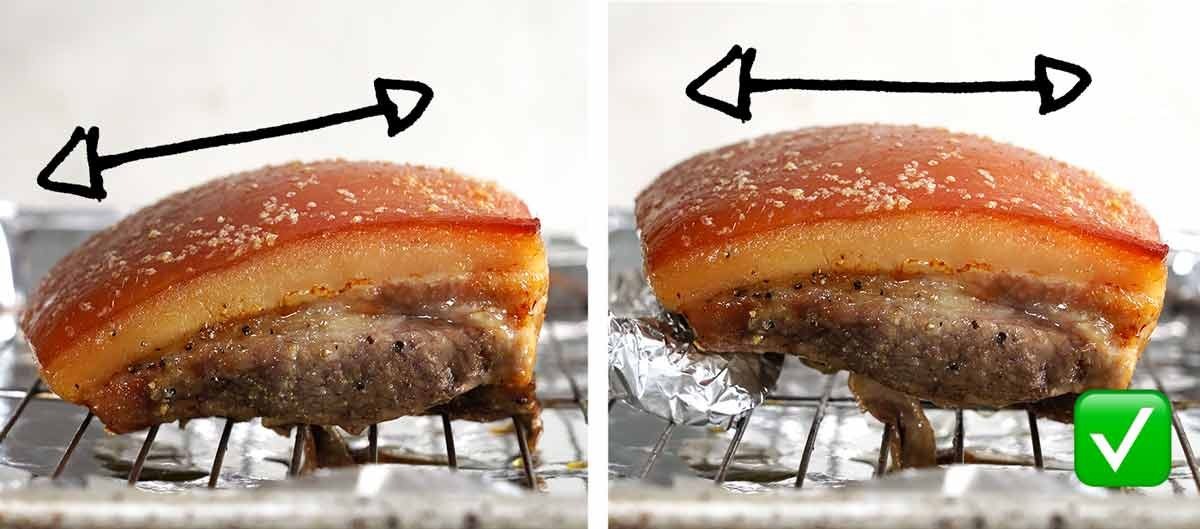
I dry brined some pork belly (no skin) for 24 hours, then sous vide at 165F for 24 hours (with cinnamon, nutmeg, allspice, clove, garlic, salt), pressed it in the fridge for 24 hours, then sliced and crisped in the pan. While it was delicious, the texture was almost liquidy and when you bit into it there was a gush of liquid fat in your mouth that was not very nice. I was hoping for something still tender but with some bite and chew, and to eliminate some of that wet fattiness. Should I dry brine longer? Sous vide hotter/colder?
UPDATE: I tried again at 150F for 18 hours, everything else the same. The result was amazing The texture was so much better. Pan seared and bag sauce reduced tp a glaze with chicken stock, apple cider, and a pat of butter. Served with sautéed kale and a delicata squash puree. There was still a nice fattiness, but it was definitely over softened at 165. It had a nice bite to it, and the wet greasy feel was gone. Fantastic, I will be serving this when I want to impress.
The cook reported a texture change and didn't test the fat content of either batch; the temperatures and times are personal cooking notes, not safety instructions.
How should you log pork belly before and after cooking?
Pair a measured weight with a food record in the same state: a raw entry for raw meat, a prepared entry for cooked meat. Use one or the other, since entering both counts the meat twice.
| Situation | What belongs in the log | What needs care |
|---|---|---|
| Meat weighed raw | Raw edible weight with the matching raw record | Rendered fat you discard changes what you actually eat |
| Meat weighed after cooking | Cooked edible weight with a closely matching prepared-food record | Your recipe and cooking method may differ from the database food |
| Fat poured off and discarded | Subtract the discarded portion, using measurements or a matched cooked record | No universal rendered-fat percentage exists |
| Drippings used in sauce or broth | Count the fat you consume in the finished dish | Fat in sauce is still part of the meal |
| Ghee, oil, onions or glaze added | Add the ingredients you eat to the dish total | Don't count any addition twice |
A generic prepared-food entry covers only its described preparation. Homemade dishes vary with the fat discarded and the ingredients added.

I feel weird asking this, as I don't consider myself a calorie and macro counting noob. But still... I can't find any definitive answer.
One of my favorite keto foods is pork belly and pork shoulder.
One of my favorite recipes is a simple one: pan fried pork belly with some onions. I just slow fry/cook small pork belly pieces with some ghee and add onions for the last ~20 minutes. I also add some granulated garlic, smoked and sweet pepper, salt&pepper and bay leaves and allspice.
Counting ghee and onions is easy and easily found in any calorie counting app. I don't count the small amount of spices.
But the pork belly is a headscratcher. Some sites say I should count the weigth post-cooking. Others that it depends if I fry or cook covered...
Google says it's this per 100g of pork belly: 518 kcal 53g fat 9g protein
So if I have a 500g piece of pork belly and I use it in my recipe or bake in a baking sleeve (which I also love and do often) , then the whole portion is 518kcal * 5 = 2580kcal?
For a 500-gram raw piece matching the legacy profile, the math gives 2,590 calories before cooking or other ingredients. The poster's 2,580 is slightly off, and the finished dish also needs the fat, ghee, and onions counted.
Is pork belly the same as bacon or as lean as pork loin?
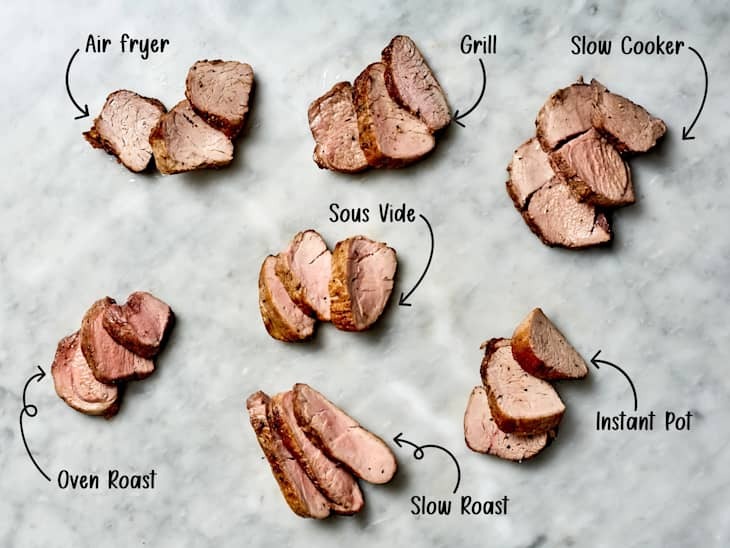
Fresh pork belly is uncured. Bacon is processed and has its own nutrient entries.
A leaner pork cut gives more protein per calorie than fatty belly. For a fair comparison, use equal edible weights in the same raw or cooked state. For belly, lean cuts, and protein per serving, see the guide to lean meats.
How do you choose the best number for your own pork belly?
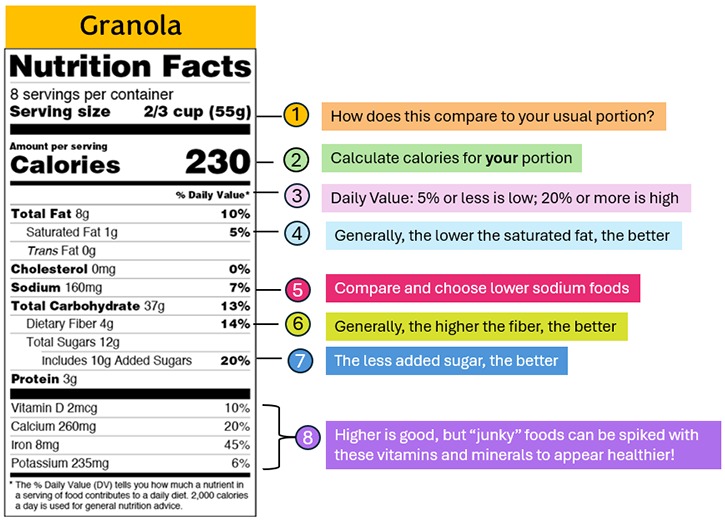
For packaged belly, the Nutrition Facts label describes the product you bought more closely than a generic database entry. Check three things:
- Product identity: Match the package description to its skin, trimming and processing state before using the printed values.
- Servings eaten: The label's serving size is the reference quantity. Multiply the nutrition values by the number of servings you eat.
- Cooking safety: For whole-cut pork, the USDA Food Safety and Inspection Service specifies an internal temperature of 145°F followed by a three-minute rest. Measure it with a food thermometer.