
Is Catfish Fattening? What the Calories Depend On
Catfish itself doesn't determine whether a meal is high in calories. A 150 g portion of plain farmed catfish has about 216 calories, and the same weight breaded and fried has about 344. Check the cooking method and weigh your portion before you pick a number.
A lightly seasoned catfish fillet and a basket of cornmeal-crusted nuggets do not have the same nutritional profile. Breading, oil, and a big portion all add calories.
Whether it fits your weight goal depends on what else you eat that day.
How Many Calories Are in Catfish?
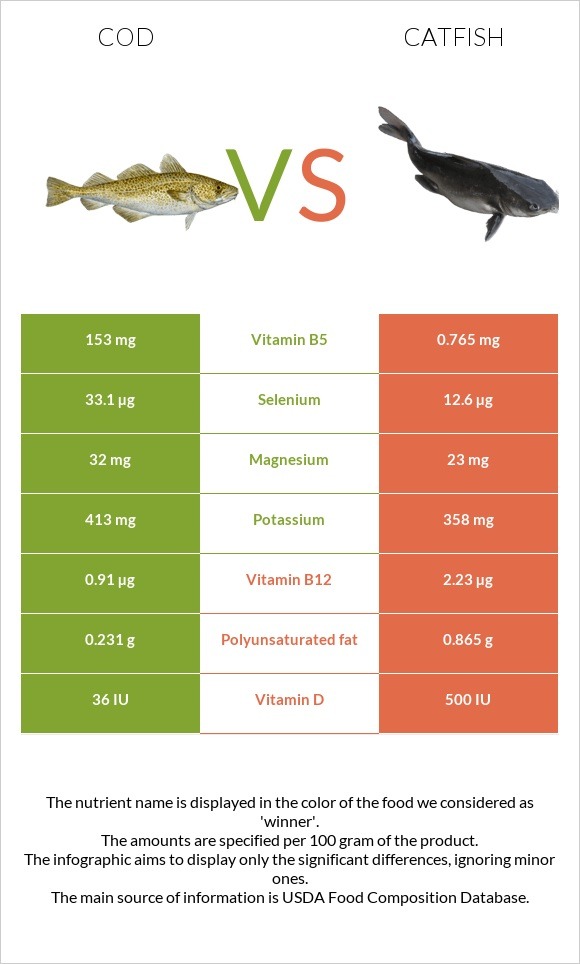
Three USDA-derived listings for cooked channel catfish show 105, 144 and 229 calories per 100 grams, depending on origin and preparation.
| Catfish | USDA FDC ID | Calories | Protein | Total fat | Carbs |
|---|---|---|---|---|---|
| Wild channel catfish, cooked with dry heat | 173714 | 105 kcal | 18.5 g | 2.9 g | 0 g |
| Farmed channel catfish, cooked with dry heat | 175166 | 144 kcal | 18.4 g | 7.2 g | 0 g |
| Channel catfish, breaded and fried | 174187 | 229 kcal | 18.1 g | 13.3 g | 8.0 g |
Each figure covers 100 grams (about 3.5 ounces) of edible cooked fish. Wild, farmed, and breaded-and-fried catfish are listed as separate foods in USDA SR Legacy. The USDA FoodData Central documentation explains the distinction between that collection and other USDA food-data types.
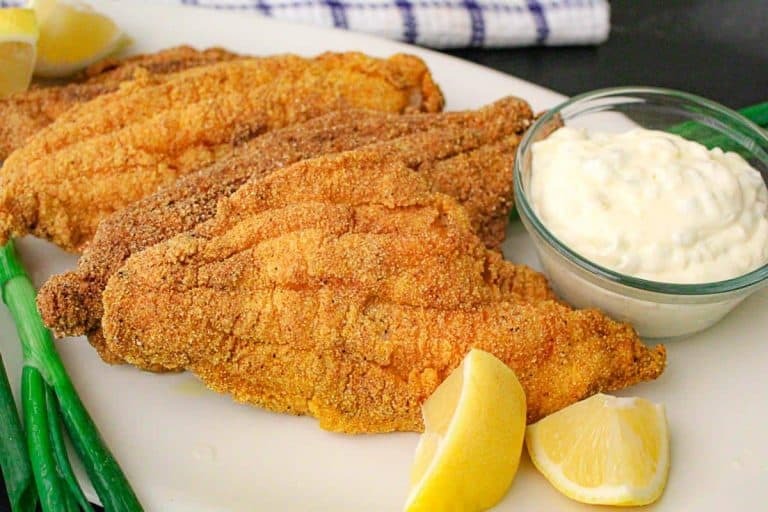
The coating supplies the carbohydrates, and preparation changes fat and moisture.
How Much Does Frying Change Catfish Calories?
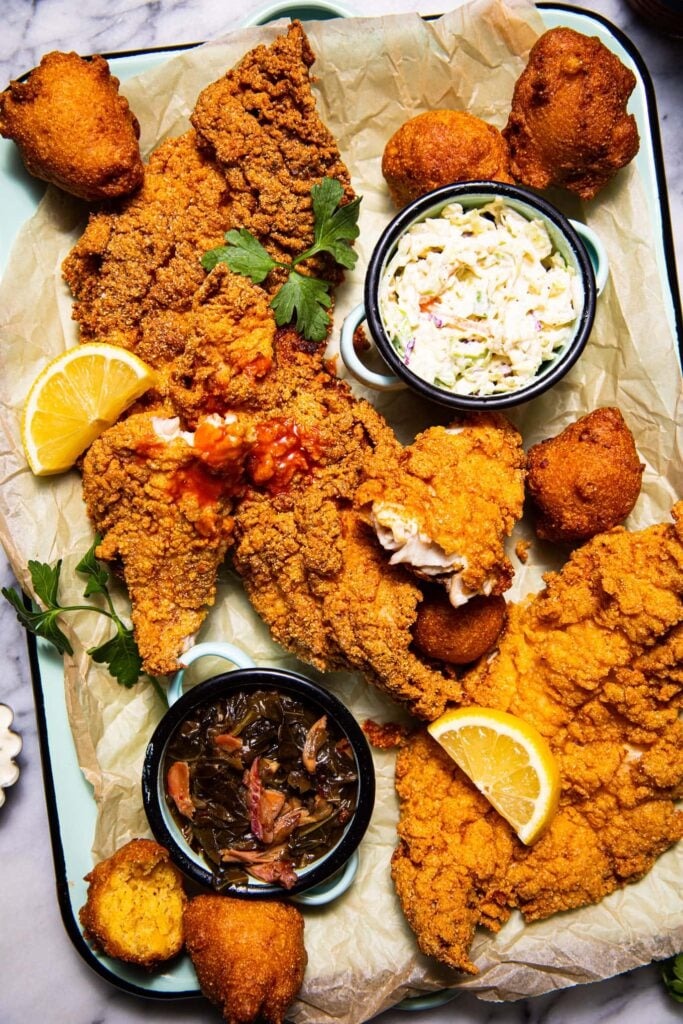
Frying adds calories and fat, most of all when the fish is coated with flour or cornmeal and cooked in oil.
A separate USDA database, the Food and Nutrient Database for Dietary Studies (FNDDS), reports 189 calories per 100 grams for baked or broiled catfish and 255 for fried. That is a 66-calorie gap, though the two recipes differ, so not all of it comes from oil. The baked figure also differs from the dry-heat figures in the table above because the two sets come from different databases.
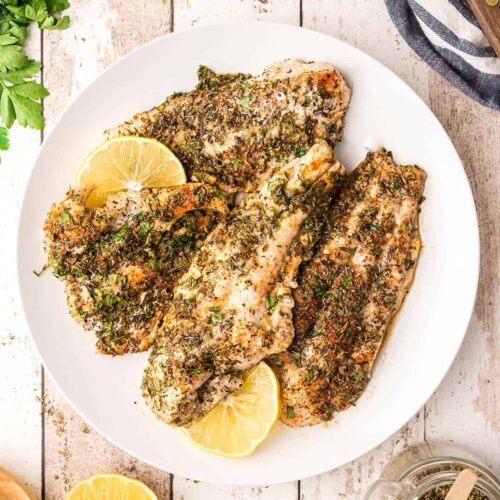
Wu and Lillard ran a 1998 experiment on 15 channel catfish, cooked by microwave heating, deep-fat frying, and oven baking, and reported it in the Journal of Food Quality. All three methods caused moisture loss. The deep-fried fish had the lowest moisture and the highest fat content.
Frying catfish at home goes wrong more easily than it sounds. One beginner tried it with frozen nuggets:
I got a bag of frozen catfish nuggets (they're really just chunks of catfish.
Thawed them out, marinated in buttermilk and seasonings for about 4 hours. Coating of cornmeal and flour and seasonings, then through beaten eggs, then back into the breading, then fried. First couple pieces weren't cooked through, so I lowered the oil temp. Next pieces were cooked but the coating slid right off. Then my oil foamed up with the next pieces and ended up everywhere. It's been a helluva experience.
I even followed a recipe (https://www.smartypantskitchen.com/fried-catfish-2/) and it just went wildly terrible.
What am I doing wrong? What's the trick to this?
Food Fidelity, for example, estimates 348 calories per serving for its Southern fried catfish. That number applies only to that recipe’s ingredients and serving size.
What Does Your Actual Portion Add Up To?
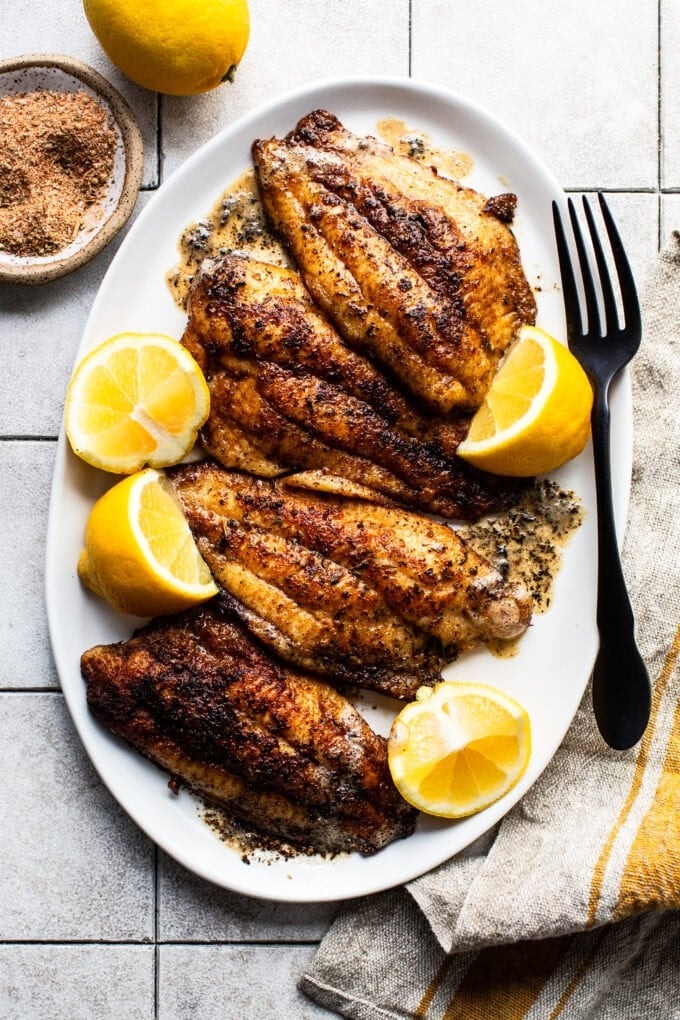
A 100-gram listing is a comparison unit. Your fillet or serving of nuggets may weigh much more or less.
For an edible cooked portion, calories = cooked weight in grams ÷ 100 × calories per 100 grams.
| Example food and portion | Cooked weight | Estimated calories |
|---|---|---|
| Farmed catfish, dry-heat cooked | 100 g (3.5 oz) | 144 kcal |
| Farmed catfish, dry-heat cooked | 150 g (5.3 oz) | 216 kcal |
| Catfish, breaded and fried | 150 g (5.3 oz) | About 344 kcal |
Each 150-gram row multiplies the per-100-gram figure by 1.5. The weights are examples, so you can compare the two foods on equal terms.
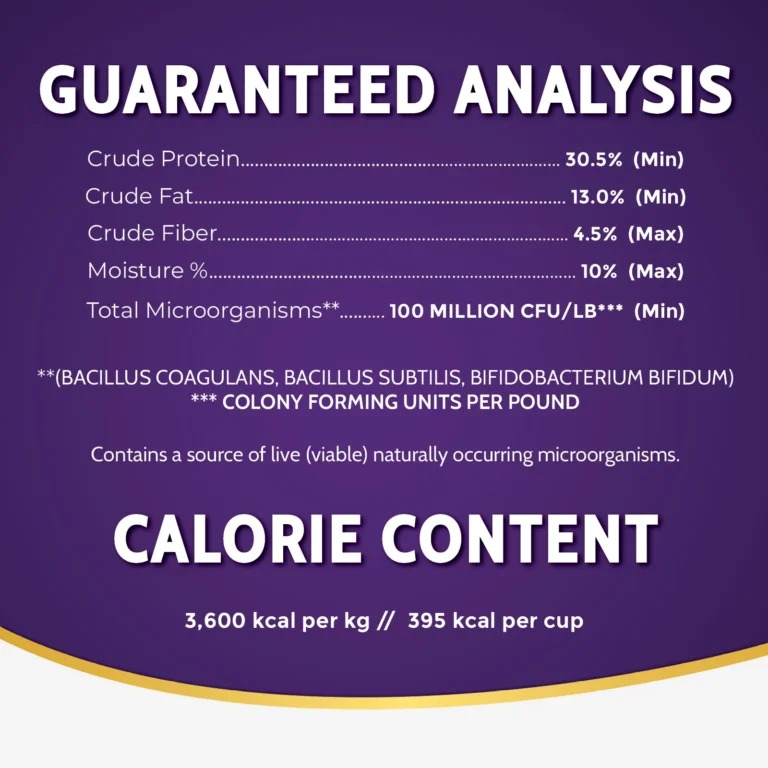
At home, weigh the edible cooked portion and match it to the right preparation. For a packaged product, read the serving size, the servings per package, and the listed nutrition; fDA serving sizes describe customary amounts used on labels, and your own portion can differ.
You rarely know the fish weight or the recipe in a restaurant basket, so any number you log is a rough guess. Nuggets arrive with coating, dipping sauce, and sides, and a fish-only listing leaves those foods out of the estimate.
Is Wild-Caught Catfish Different From Farm-Raised?
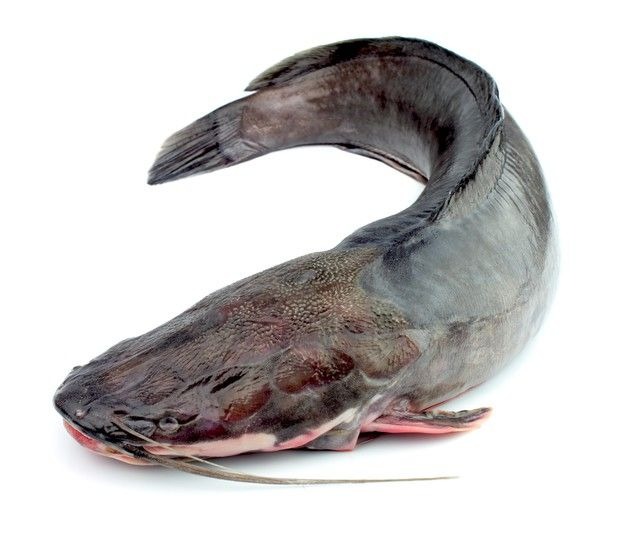
The two dry-heat channel catfish listings show wild-caught fish with 2.9 grams of fat per 100 grams and farmed fish with 7.2 grams. Protein is similar. For other batches or species, go by the species and origin named on the package or in the seller’s description.
Flavor divides people too. A home cook fried store-bought catfish for a roommate, then fried one caught that night:
My roommate bought some catfish at the store and asked me to fry it up. I did so and I have to say it was awful. It had a terrible muddy off taste. He thought it tasted fine but I was disappointed. I went out and caught one tonight, fried it up, and it was outstanding. WTF are they feeding farmed catfish? They taste horrible.
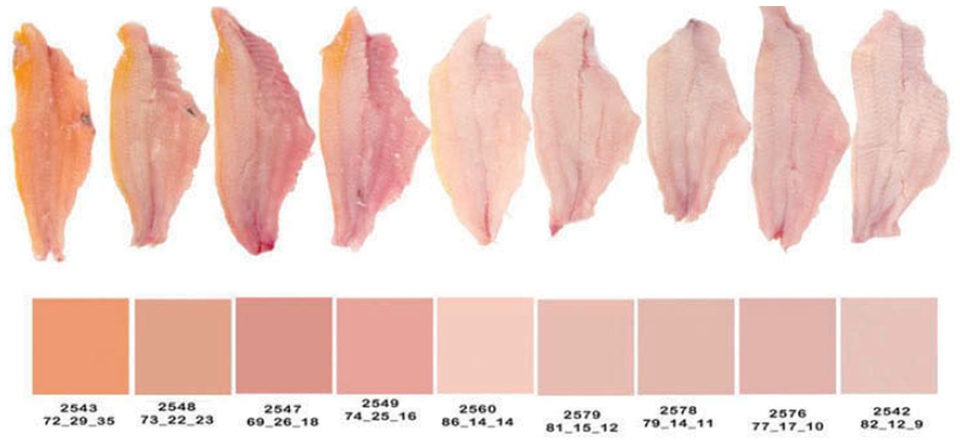
Geosmin and 2-methylisoborneol (2-MIB), compounds linked to certain microorganisms, are associated with earthy or muddy off-flavors. Mississippi State University Extension describes these compounds and efforts to screen commercial fish for off-flavor. Taste doesn’t reveal whether a fish contains chemical pollutants or is safe to eat.
What Nutrition Does Catfish Provide Besides Calories?
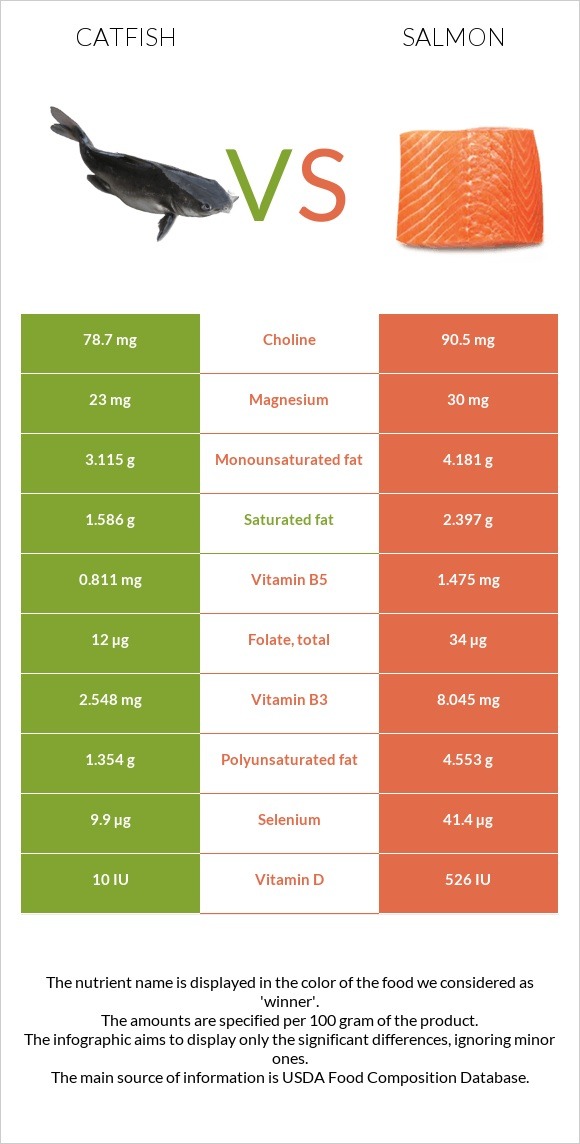
Catfish supplies protein along with vitamin B12, selenium, phosphorus, and some omega-3 fatty acids. The amounts depend on the specific food, and its omega-3 profile differs from that of salmon. The breaded-and-fried USDA listing shows 18.1 grams of protein per 100 grams. For another fish, see the tuna-and-salmon nutrition comparison.
Is Catfish Safe to Eat? Mercury, Local Catch and Cooking
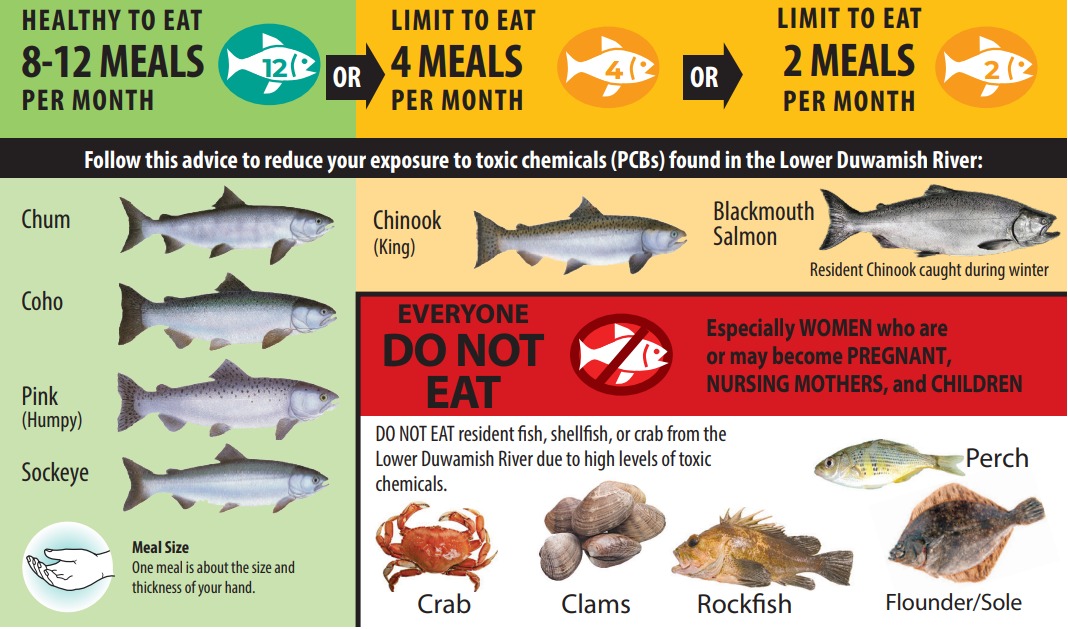
The FDA and EPA place catfish in the Best Choices category for mercury. That matters most for their advice to people who are pregnant or breastfeeding and to children.
In the FDA’s technical data, 59 catfish samples had a mean mercury concentration of 0.02 parts per million. The FDA's fish-consumption advice covers the Best Choices category and the recommendations for each group.
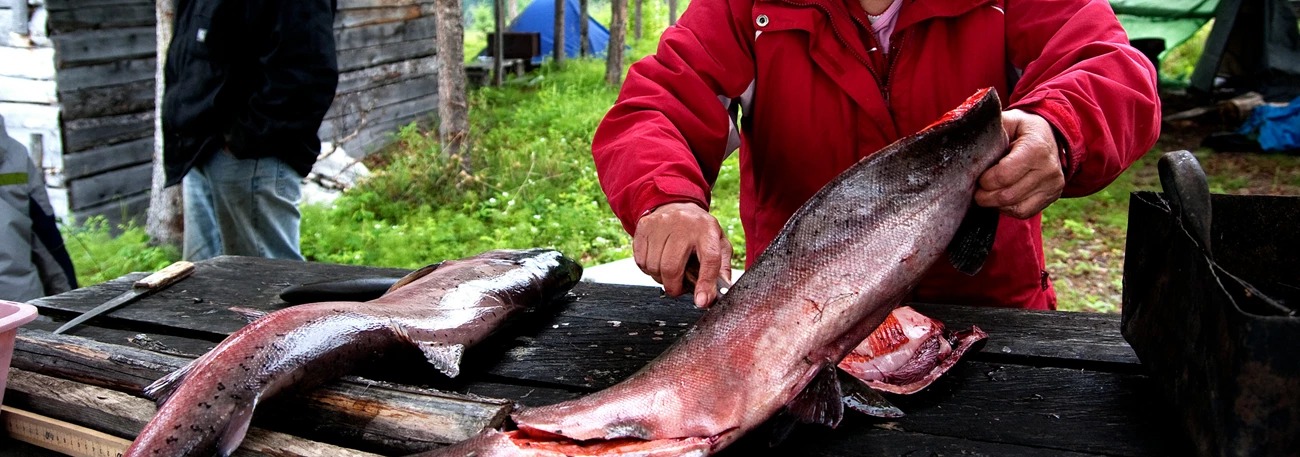
If you catch your own catfish, the lake or river may have its own contaminant advisories. Check your state, tribal, or waterbody guidance, and see the EPA's guidance on locally caught fish for how to use it.
Cooking safety is a separate matter. FoodSafety.gov gives 145°F (63°C) as the internal temperature for fish, including catfish. Check the thickest part with a food thermometer, because a browned coating can hide a center that hasn’t reached that temperature.
Which Catfish Meal Fits Your Goal? A Quick Decision Checklist
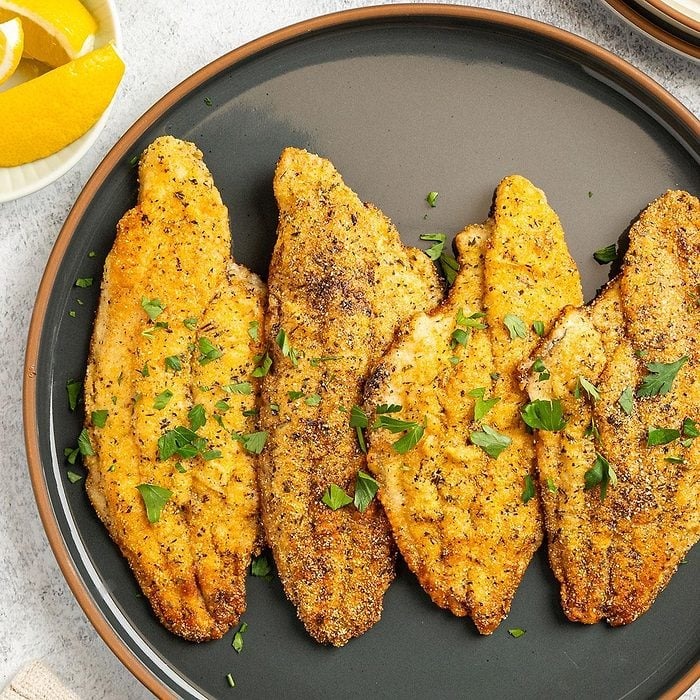
- When calories are the priority: At the same cooked weight, pick plain dry-heat catfish over breaded and fried.
- When fried catfish is the draw: Count the coated fish, sauce, and sides together.