
Tuna vs. Salmon: Nutrition, Mercury, and Which Fish to Choose
Yellowfin tuna has the edge on protein per calorie; salmon provides more EPA and DHA. In 3 oz cooked, farmed Atlantic salmon supplies 1,830 mg, compared with 100 mg for cooked yellowfin. If you eat fish often or follow FDA/EPA guidance, check the exact species and its official category before you rely on the broad tuna-or-salmon label.
A yellowfin tuna steak and a farmed Atlantic salmon fillet look like the same dinner, but their nutrition numbers differ. Canned light tuna, white tuna, and pink salmon add three different choices at the grocery store.
What counts as tuna or salmon in a fair comparison?
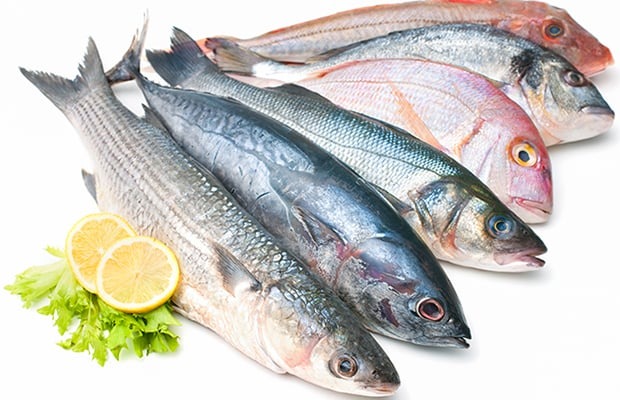
Start with the fish itself. Yellowfin, albacore, skipjack and bigeye are tuna types with different nutrition and different FDA/EPA categories; salmon examples here include wild coho, farmed Atlantic and canned pink salmon.
Then check the form. A raw fillet, a cooked portion and the drained contents of a can have separate nutrition data, and two cans can differ in packing medium, sauce, skin and bones.
- Fresh or frozen steaks and fillets: Match the species and the raw or cooked state before comparing numbers.
- Canned or pouch fish: Identify the named fish and whether the serving is measured with or without liquid.
- Serving size: Nutrient figures in this article use an edible 3 oz serving (about 85 g).
Without matching weight and preparation, a difference in the numbers can come from the product rather than the fish.
Calories, protein, fat and omega-3s compared
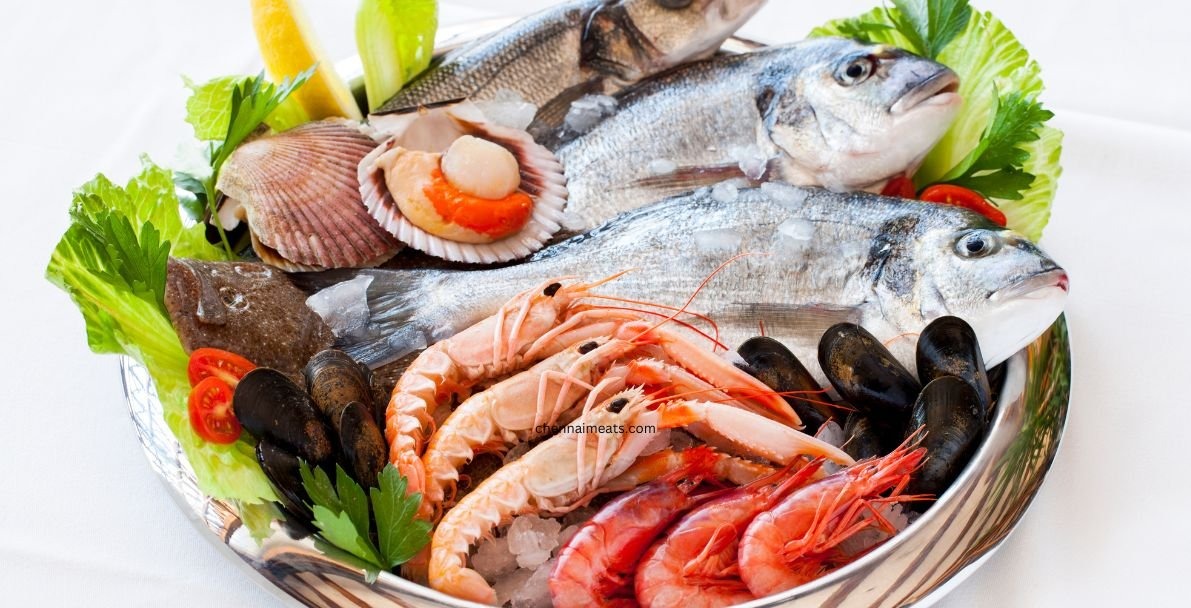
Raw yellowfin tuna has more protein and fewer calories than farmed Atlantic salmon. The salmon examples have more total fat, which matters when you want marine omega-3s. For another fish serving, see the catfish calorie guide.
What three ounces of raw fish contain
| Nutrient per 3 oz raw fish | Wild coho salmon | Farmed Atlantic salmon | Yellowfin tuna |
|---|---|---|---|
| Calories | 124 kcal | 177 kcal | 93 kcal |
| Protein | 18 g | 17 g | 21 g |
| Total fat | 5 g | 11 g | Under 1 g |
| Vitamin D | 307 IU | 375 IU | 59 IU |
Micronutrients differ too. Raw yellowfin has 15.7 mg of niacin and 77 micrograms of selenium per 85 g; the farmed Atlantic salmon example has 7.4 mg and 20.4 micrograms.
EPA and DHA in cooked and canned fish
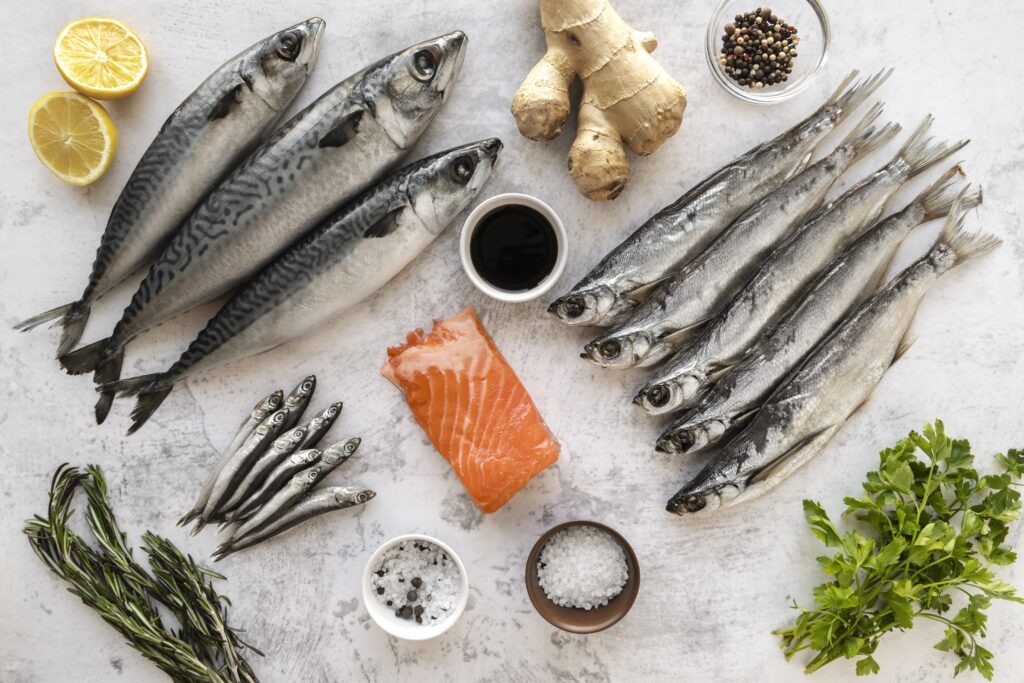
EPA and DHA are marine omega-3 fatty acids. The NIH Office of Dietary Supplements omega-3 fact sheet lists amounts for the products below: cooked fish, and canned fish measured after draining.
| Fish, 3 oz edible portion | DHA | EPA | EPA + DHA |
|---|---|---|---|
| Farmed Atlantic salmon, cooked | 1,240 mg | 590 mg | 1,830 mg |
| Wild Atlantic salmon, cooked | 1,220 mg | 350 mg | 1,570 mg |
| Pink salmon, canned and drained | 630 mg | 280 mg | 910 mg |
| Light tuna in water, canned and drained | 170 mg | 20 mg | 190 mg |
| Yellowfin tuna, cooked | 90 mg | 10 mg | 100 mg |
Canned salmon vs. canned tuna: nutrition, bones and texture
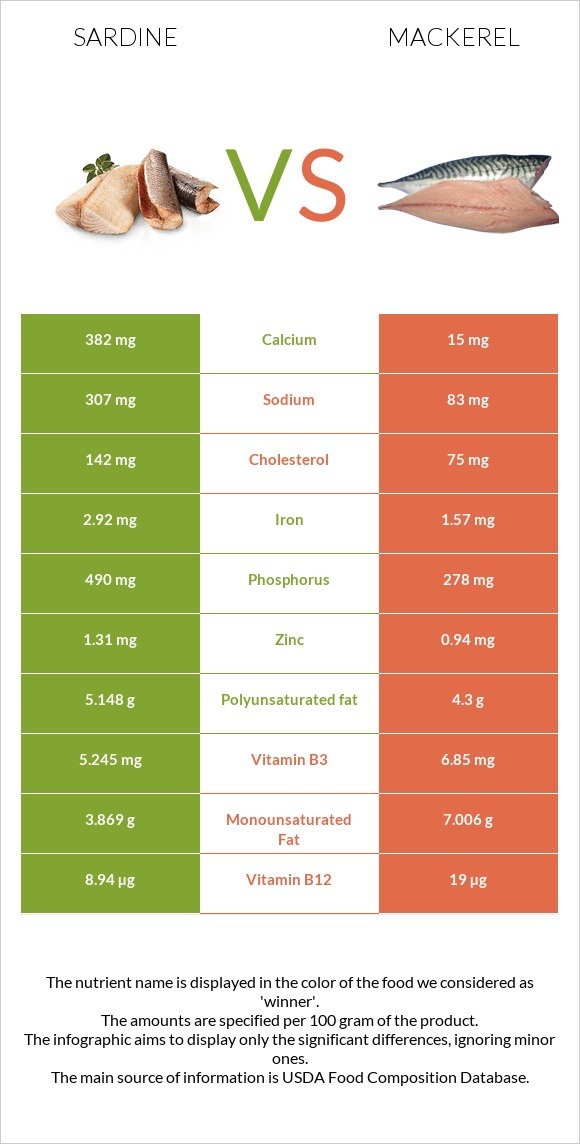
In the NIH entries above, drained canned pink salmon provides substantially more EPA and DHA than drained canned light tuna in water. The pantry choice also depends on texture, ingredients and how much edible fish the package holds.
Canned light tuna often includes skipjack. White tuna is albacore, which has its own nutrient profile and FDA/EPA category. Water and oil packs differ in packing liquid and added ingredients.
Some canned salmon contains skin or soft bones. One shopper with a bone-in can described the work this way:
“There were a lot of them, and they weren’t easy to get out.”
The shopper removed the bones and made salmon salad with mayonnaise, spices and fermented vegetables. It went onto buttered homemade sourdough toast with quick pickles, and the meal turned out far better than the can had suggested.
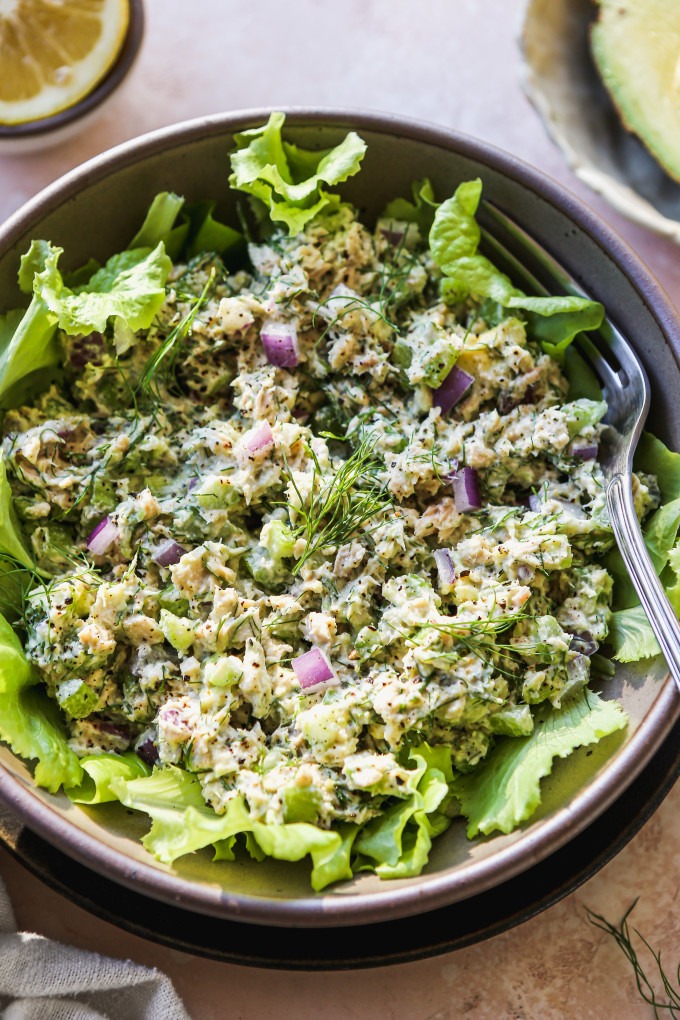
Before swapping one can for another, check the drained quantity, packing medium, ingredients and bone or skin description. A salmon salad, a tuna sandwich and a salmon patty do not need the same texture.
Mercury: why the type of tuna matters
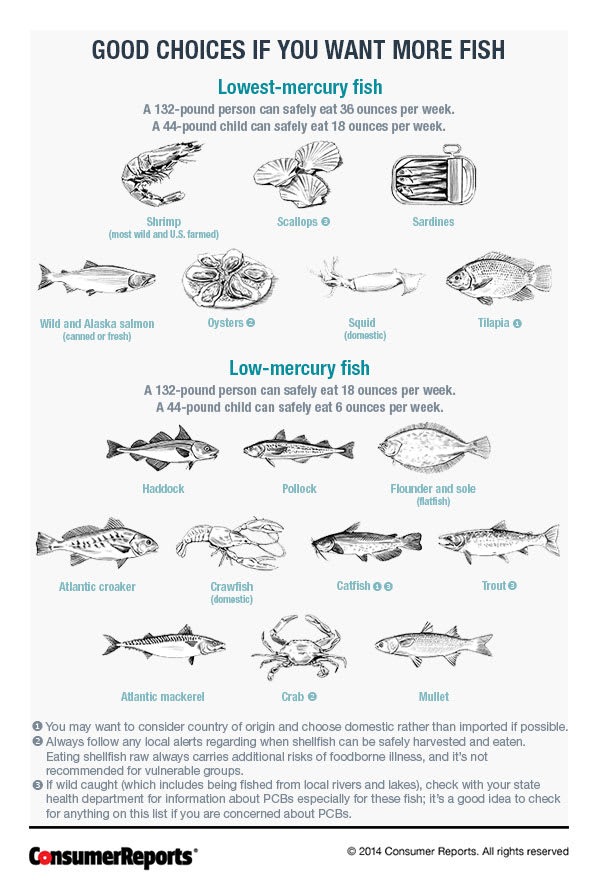
Salmon and canned light tuna are both FDA/EPA Best Choices. Albacore and yellowfin are Good Choices, and bigeye tuna falls under Choices to Avoid. The FDA/EPA Advice About Eating Fish gives these categories for people who might become pregnant, are pregnant or breastfeeding, and for children.
| Fish type | FDA/EPA fish category |
|---|---|
| Salmon | Best Choices |
| Canned light tuna, including skipjack | Best Choices |
| Albacore (white tuna) | Good Choices |
| Yellowfin tuna | Good Choices |
| Bigeye tuna | Choices to Avoid |
Light tuna and white tuna are easy to confuse on a shelf. The FDA notes that albacore contains about three times the mercury of canned light tuna.
How the official serving guidance applies
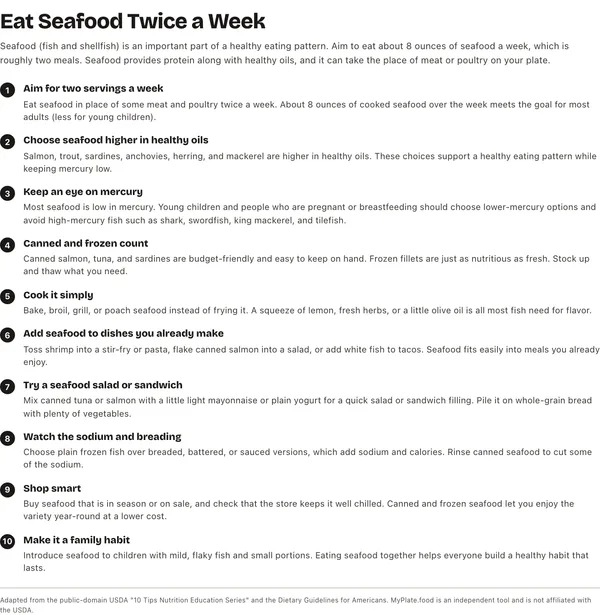
For adults who might become pregnant, are pregnant or breastfeeding, FDA/EPA advice recommends two to three servings a week from Best Choices, or one serving from Good Choices with no other fish that week. The adult reference serving is 4 oz, measured before cooking. Children's reference servings vary by age and reach 4 oz at age 11. The advice applies to those groups, not to every adult.
If you prep tuna every week, the type on the can matters more than a blanket warning about tuna. One poster who ate tuna nearly every day for about two months explained how the habit started:
“I had no idea, it was just convenient to prep.”
The poster later identified their tuna as skipjack during the discussion.
Flavor, texture and cooking: when swapping works
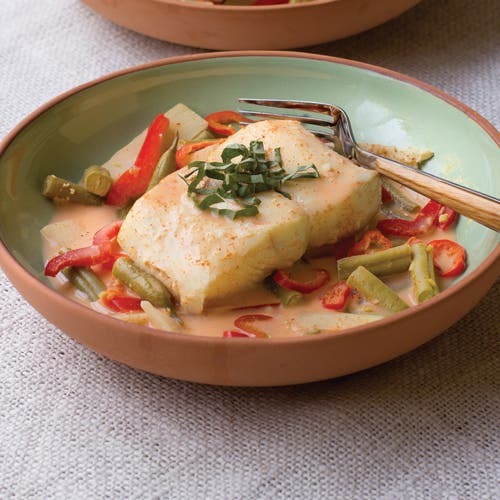
Yellowfin tuna is lean and firm, and prolonged heating leaves it dry. Salmon has more fat, which gives it a richer feel and a texture that flakes apart.
A thick wild salmon fillet with skin is a different cooking job from a thin tuna steak or ready-cooked fish from a pouch. A strong soy-based sauce or sweet glaze can dominate either fish.
One home cook had thick, skin-on wild salmon from fishing relatives and had tried appealing recipes, including miso and a mustard-and-brown-sugar glaze, by baking and broiling. The problem was doneness:
“For some reason I always either undercook or overcook it.”
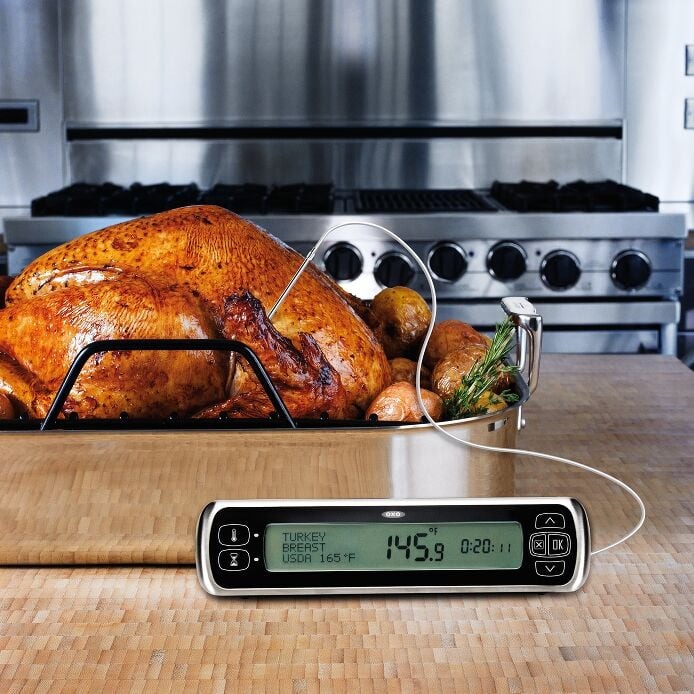
The FDA seafood-safety guidance recommends cooking most seafood to an internal temperature of 145°F (63°C). Check doneness with a food thermometer, thaw frozen fish safely and keep raw seafood away from food that will be eaten without further cooking. People at higher risk of foodborne illness, including pregnant people, should avoid raw or undercooked seafood.
Cost and convenience
Cost per 100 g of edible fish: divide the package price by edible grams and multiply by 100. For a can, use the drained weight.
Cost per 20 g of protein: divide the price by the total package protein in grams and multiply by 20. Total protein is protein per labeled serving times the number of edible servings.
In a 2018 r/EatCheapAndHealthy discussion, one shopper reported canned salmon costing about three times as much as tuna at their store. A boneless pouch saves preparation work, while a fillet needs cooking and cleanup.
Which fish fits your goal?
| Your priority | Fish to consider | Why | Trade-off |
|---|---|---|---|
| Lean protein relative to calories | Yellowfin tuna steak | Higher protein and fewer calories when raw | Less EPA and DHA when cooked |
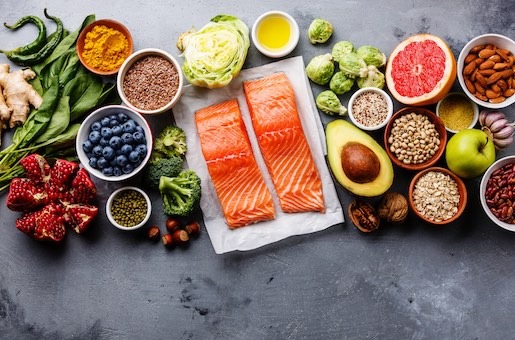
| More EPA and DHA | Atlantic salmon | Higher combined amounts in the cooked NIH samples | Farmed Atlantic has more total fat and calories when raw |
| FDA Best Choices category | Salmon or canned light tuna | Both are in that category | White/albacore and yellowfin belong to Good Choices |
| Ready-to-mix pantry meal | Canned light tuna or canned pink salmon | Both work in a salad or sandwich | Texture, bones, packing medium and ingredients vary by can |
For environmental impact, see the Monterey Bay Aquarium Seafood Watch recommendations, which assess species, origin and fishing or farming method.
Two shopping situations that change the answer
- Canned light tuna in water beside canned pink salmon: The NIH table compares 3 oz of drained fish, even if the cans hold different amounts. Whole-can omega-3 totals depend on how much edible fish each package contains.
- Canned salmon in a bowl planned around frozen fillets: A cooked fillet sits on rice as a single piece; canned salmon arrives as flakes. If the dish calls for slices of salmon, the can changes the texture and presentation before seasoning starts.