
Brie Calories: Per Ounce, 100 g, and Real Servings
Plain Brie has about 95 calories per ounce (28.35 g), or 334 per 100 g. For another portion, multiplying its weight in grams by 3.34 gives the calorie estimate. If your Brie has its own label, use that instead. For a dish, add the calories of the other ingredients on top.
How Many Calories Are in Brie? Serving-Size Table
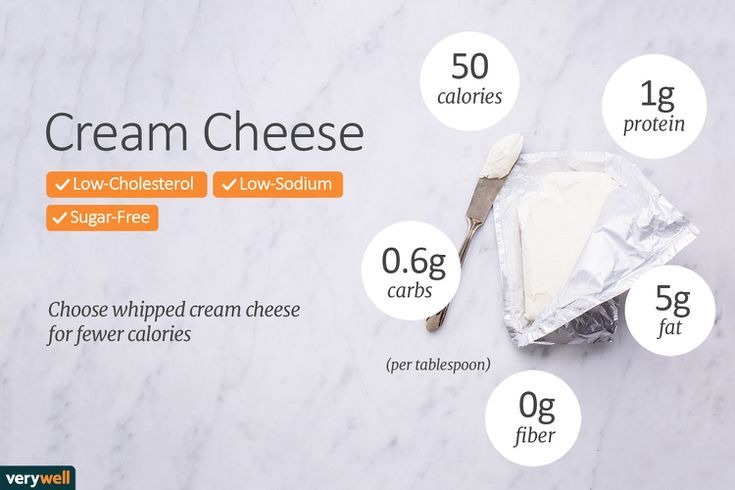
The USDA FoodData Central SR Legacy entry for Brie (food ID 172177) lists 3.34 calories per gram. The ounce conversion is about 95 calories; the weight of an actual wedge or slice is what determines its calories.
The table below uses that single USDA-attributed Brie nutrient record.
| Amount of Brie | Estimated calories |
|---|---|
| 25 g | 84 kcal |
| 28 g | 94 kcal |
| 1 oz (28.35 g) | 95 kcal |
| 30 g | 100 kcal |
| 50 g | 167 kcal |
| 100 g | 334 kcal |
A 25 g piece works out to 25 × 3.34 = 83.5 calories, which the table rounds to 84.
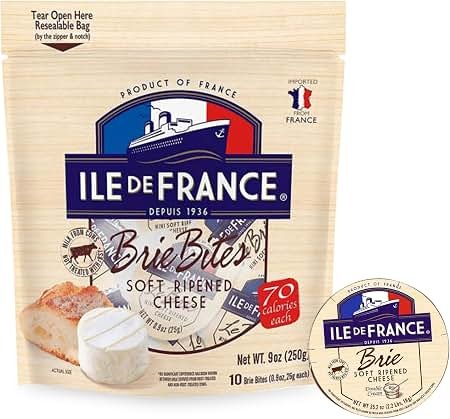
A 25 g pack is a common size, and this commenter ate one while dieting:
I just ate a 25g prepackaged brie in celebration of this post. You can pry my cheese from my cold dead hands. I eat cheese every day and still fit it in my daily deficit, as per the many other fine responses in this thread. It's a mindset shift but totally something you can adapt to if you stick to it.
Why Brie Calorie Numbers Disagree
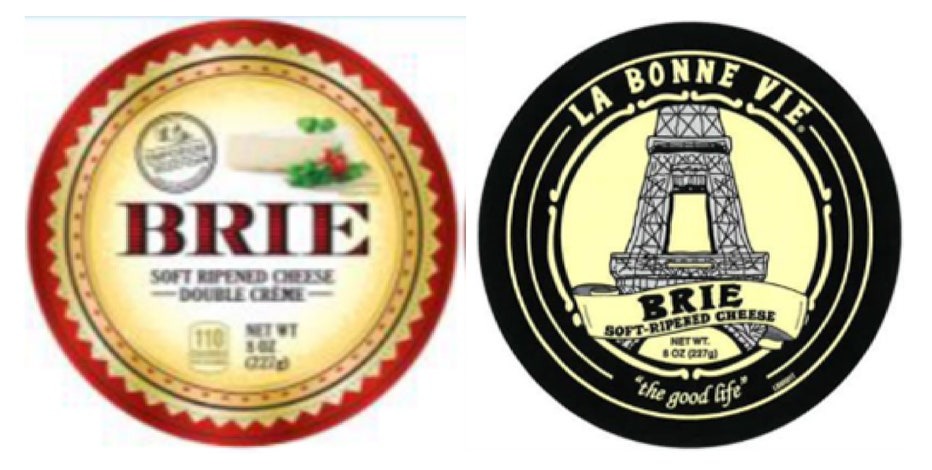
Rounding, different source records, and different products all produce different figures; compare the serving weights first.
The USDA entry gives 334 calories per 100 g. For one ounce, 334 × 28.35 ÷ 100 = 94.689, which most references print as 95.
Under FDA nutrition-labeling guidance, calorie declarations above 50 round to the nearest 10. Starting from that same 94.689, a label could read 90 calories.
Healthline lists 100 calories, 4 g protein, and 120 mg sodium per ounce of Brie. The USDA entry gives about 95 calories, 5.9 g protein, and 178 mg sodium. Healthline's source record isn't identified, so rounding the same 94.689 value can't explain its 100 calories.
Brie Nutrition Facts Beyond Calories
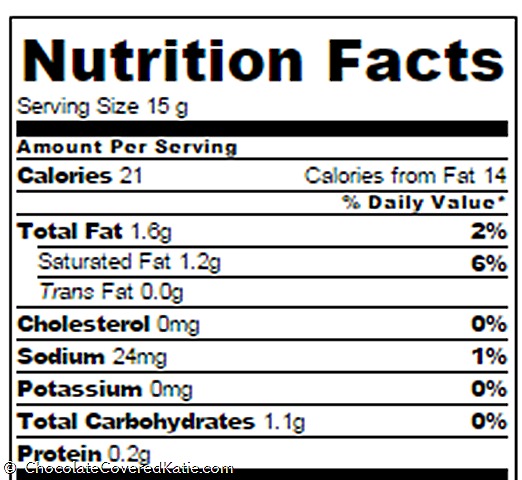
Brie has a good amount of protein, along with a lot of fat and saturated fat. The table uses the same USDA entry as the calorie figures.
| Nutrient | Per 100 g | Per 1 oz (28.35 g) |
|---|---|---|
| Calories | 334 kcal | 95 kcal |
| Total fat | 27.68 g | 7.85 g |
| Saturated fat | 17.41 g | 4.94 g |
| Protein | 20.75 g | 5.88 g |
| Carbohydrates | 0.45 g | 0.13 g |
| Sodium | 629 mg | 178 mg |
| Calcium | 184 mg | 52 mg |
One ounce has nearly 6 g of protein and almost 5 g of saturated fat.
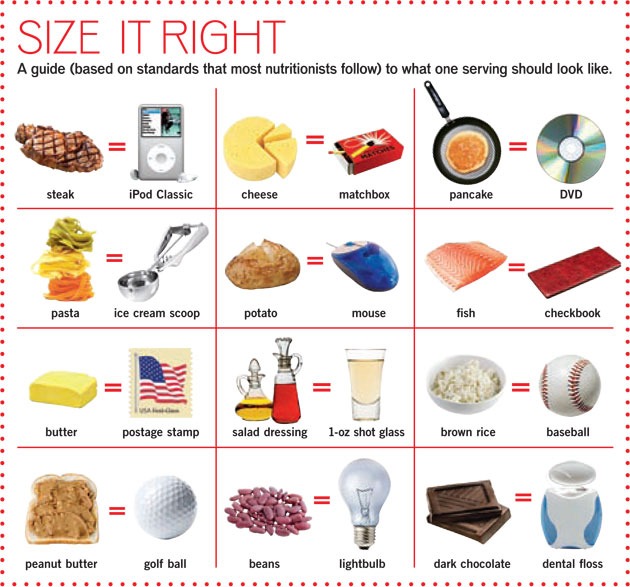
A label may show 0 g carbohydrate per serving, while the USDA entry has about 0.13 g per ounce.
Brie vs. Camembert and Cheddar: Same-Ounce Calories
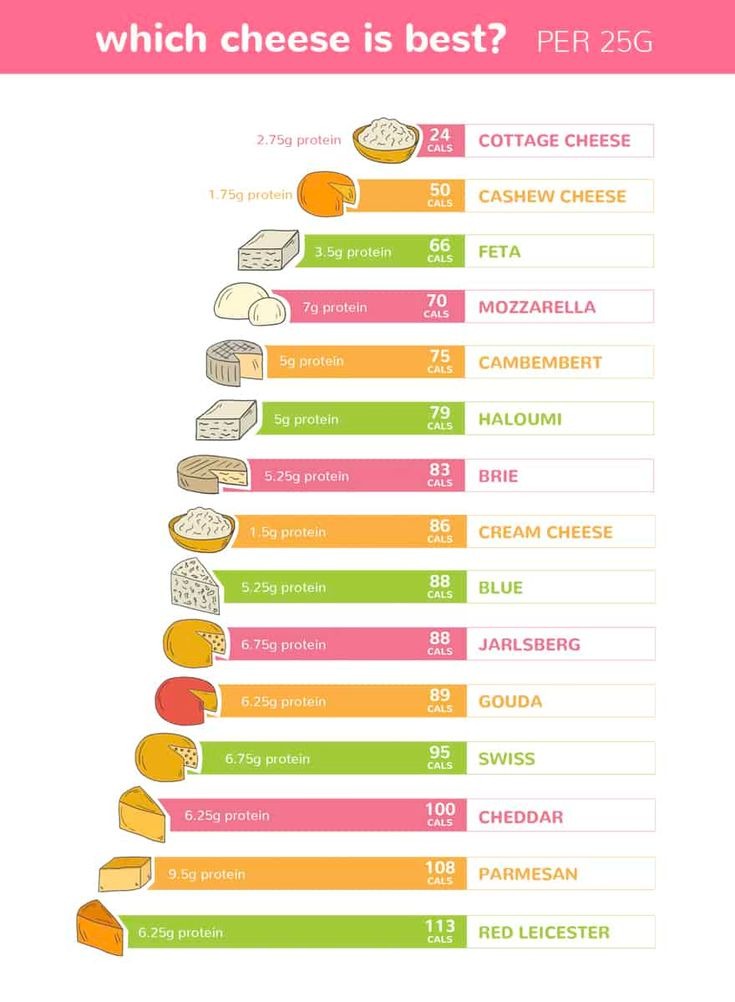
The Penn State Extension cheese comparison puts Brie between Camembert and Cheddar, ounce for ounce.
| Cheese | Calories per 1 oz | Difference from Brie |
|---|---|---|
| Camembert | 85 kcal | 10 fewer |
| Brie | 95 kcal | Reference |
| Cheddar | 115 kcal | 20 more |
Does Light or Double-Cream Brie Change the Calories?
Light, double-cream, and triple-cream Brie can differ from the generic cheese in the table. The nutrition label on your package shows how close yours is.
Calories in Baked Brie, Appetizers, and Other Mixed Dishes
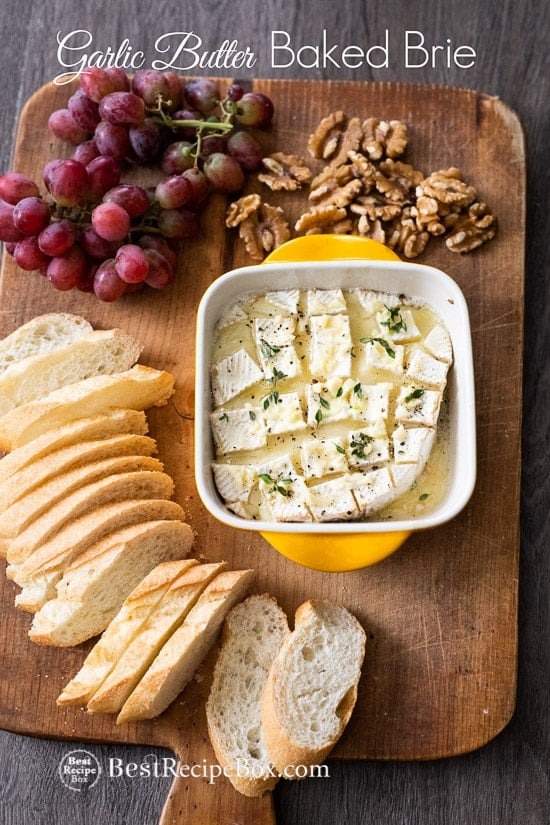
A serving of baked Brie also carries calories from pastry, jam, honey, nuts, bread, or crackers. The table covers only the cheese. For Brie, dairy labels, and vegan restrictions, see the dairy-free-versus-vegan guide.
Take a wheel wrapped in puff pastry with fruit preserves:
Dish calories = Brie calories + pastry calories + preserves calories
Use the same sum for a Brie-and-mushroom omelet, a baguette sandwich with Brie and eggs, or a cheeseboard with other cheeses, meats, and sides.

For a recipe with measured ingredients, add up each ingredient's calories, then divide the total by the portions you serve.
Restaurant dishes are harder, because you rarely know the amount of cheese, the added ingredients, or the serving weight. You can only estimate, and no single baked-Brie figure fits every version.
How to Check the Calories on Your Own Brie Package
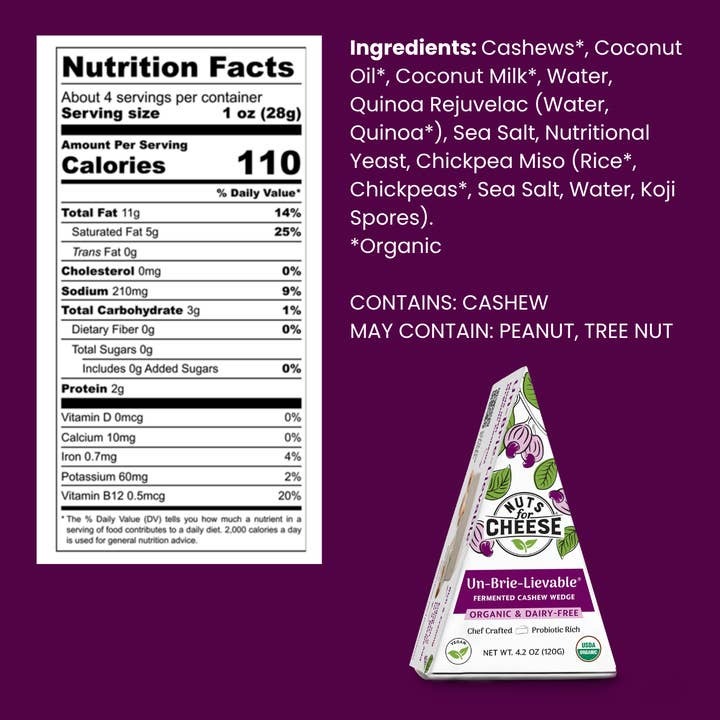
When you know how much you ate, the Nutrition Facts label is the best calorie source for that specific Brie. The FDA's serving-size guidance explains that a serving size reflects an amount people typically eat, not a recommendation.
Work through the label in four steps:
- Read the serving. Note the grams in the serving size and the calories printed for it.
- Get your amount. Weigh the edible portion, or use the weight on the pack.
- Scale it. Divide the label's calories by its serving weight, then multiply by the grams you ate.
- Write down the source. Keep the gram weight and note whether you used the label or the USDA figure.
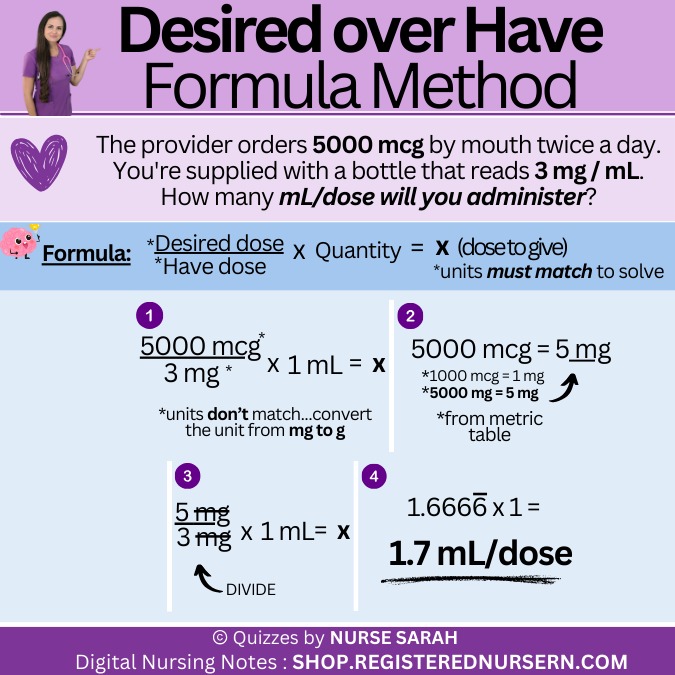
A label that says 100 calories per 30 g gives about 50 calories for a 15 g portion. Labels round, so the result is close, not exact.
You can weigh the white rind along with the cheese. The USDA entry covers the whole cheese and has no separate rind figure.
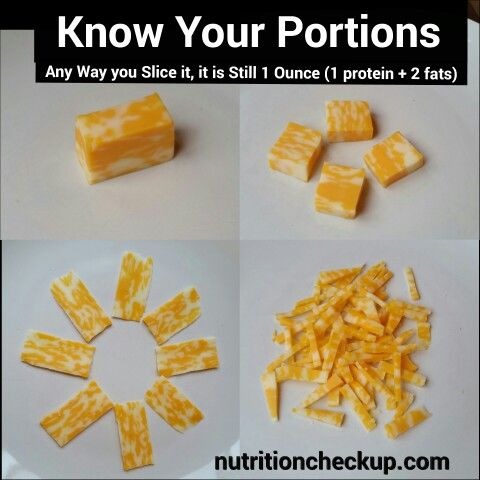
This commenter weighs cheese portions at everyday meals:
I use a bit of fresh parmesan a few times a week on dinner. I have a rotary shaver and put on approximately 15-20 g each time-I don't measure every time but have measured often enough (I always record 30 g. to be safe).
I add 20-30g of shredded cheddar to my daily morning omelet (loose scoop 1/4c then measured on my scale). I could go low fat but currently I am not substituting and trying to eat with as few preservatives as possible. This cheddar is homemade and came from an Amish farm market that I visit every month or so.
I was craving the extra sharp artisan cheese that was in my fridge yesterday and I ending up cutting a small piece, weighing it 36g, and then cutting that into little chunks and eating along side of my extremely low calorie chicken salad (chicken/grapes/cucumbers & tzakai to bind it all together) for lunch. It added calories but it also satisfied a craving. It was delicious. I didn't over indulge. I tracked it and adjusted the rest of the day.