
Is Goat Meat Red Meat? Nutrition, Health, and Cooking
Goat is classified as red meat because it comes from a mammal—even though many goat cuts are lean. It is a useful source of protein, but if you avoid red meat as a category, goat counts. If you want a leaner cut, compare specific cuts by the portion you actually eat. Pick a cooking method that fits the cut and finish it at the safe internal temperature.
Is goat meat red meat, even though it can be lean?
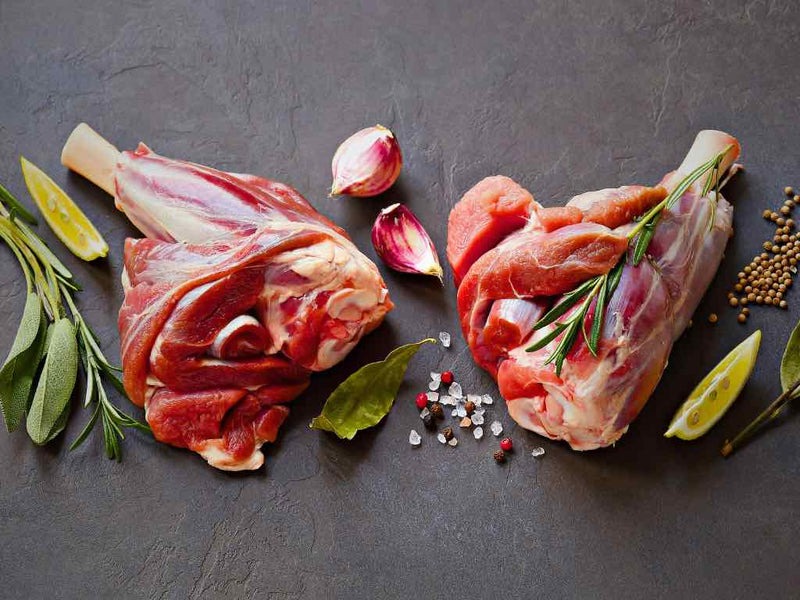
The World Health Organization defines red meat as mammalian muscle meat and names goat alongside beef, lamb, and pork. Neither leanness nor appearance after cooking changes that classification. Leanness is a nutritional characteristic; “red meat” is a classification by animal source. Goat is also processed meat if it is preserved by salting, curing, fermentation, or smoking. Roasting fresh goat at home is ordinary cooking.
What does an actual serving of goat meat contain?
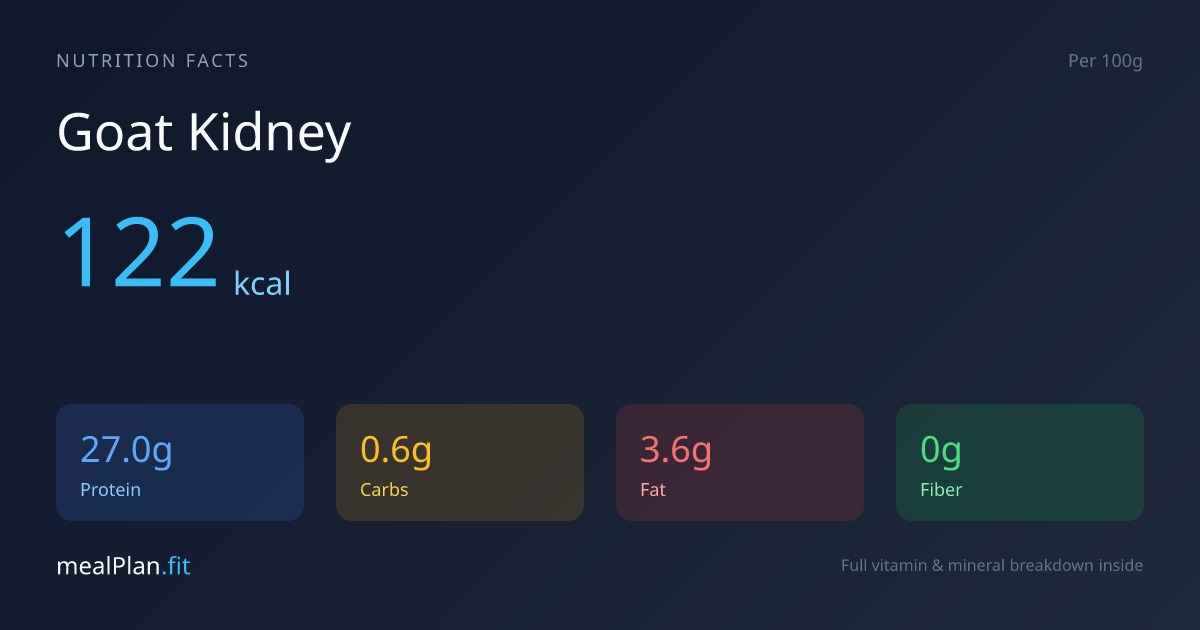
Goat is lean for a red meat, which is why its classification surprises people. A cooked roasted reference gives plenty of protein and little total fat when you weigh the serving as meat only. Goat, beef, and pork cuts vary in fat and protein, so compare lean meats by cut and serving.
These approximate figures come from the USDA-derived entry Game meat, goat, cooked, roasted, SR Legacy FoodData Central record 175304.
| Nutrient | 3 oz (about 85 g) cooked | 100 g cooked |
|---|---|---|
| Calories | 122 kcal | 143 kcal |
| Protein | 23 g | 27.1 g |
| Total fat | 2.6 g | 3.03 g |
| Saturated fat | 0.8 g | 0.93 g |
| Iron | 3.2 mg | 3.73 mg |
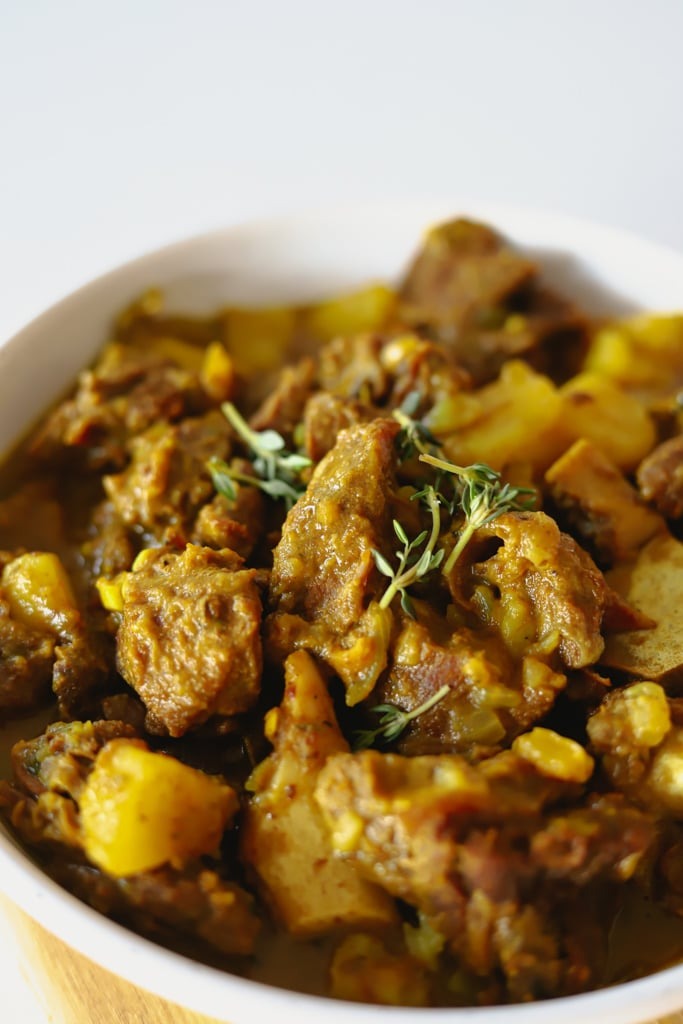
The meat also supplies vitamin B12 and zinc. The values cover meat only, with no bones, added oil, or sauce. In a goat curry, the oil, sauce, and sides add their own calories and nutrients.
Cooking drives off water, which changes the nutrient amounts per 100 g. Compare raw records with raw and cooked records with cooked, even when the meat comes from the same animal.
When you read a nutrition label or a listing in USDA FoodData Central, check the food and cut, the weight, and the unit of the serving. An 85 g serving naturally has different totals from a 100 g serving of the same food.
Goat versus beef, lamb, and chicken: how to compare fairly
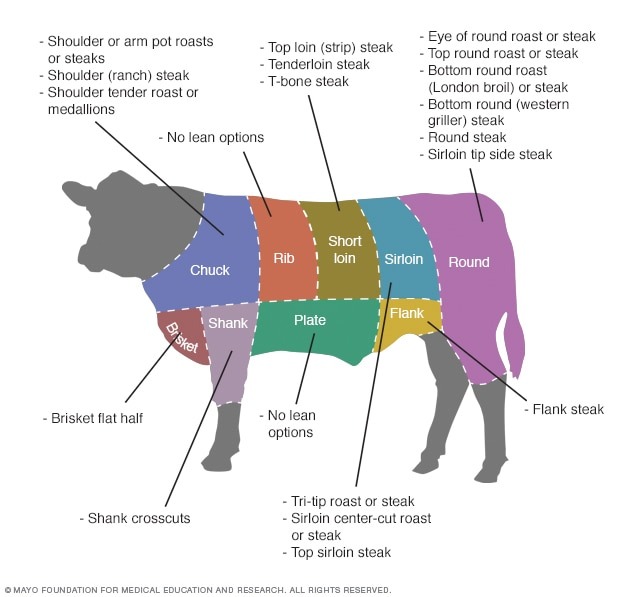
Goat has less total fat than some beef or lamb cuts, but each species comes in a range of cuts and preparations. A fair comparison uses the cooked portion of the meat and accounts for visible fat or poultry skin and any oil used in cooking.
Don't compare 85 g of roasted boneless goat with 100 g of raw chicken thigh with skin. Compare equal weights of cooked meat from clearly identified records, and count the skin and any added fat. If you can't find matching entries, skip the numbers and compare in general terms.
Beef and lamb are red meats too. Chicken is poultry. Lamb comes from sheep, and goat comes from goats; they fill similar roles in some recipes, but taste, tenderness, and fat differ with the cut.
Is goat meat healthy, or is it fattening?
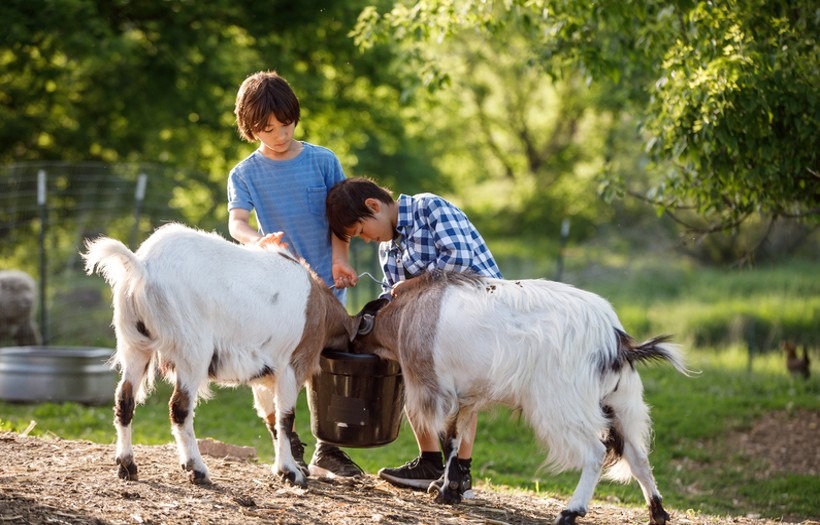
Goat fits a balanced diet as a source of protein, iron, and other nutrients. The cut, the portion, how you cook it, and what else is on the plate decide the rest.
Calling a food fattening skips the detail. Plain roasted lean goat has a different calorie profile from a large portion cooked in plenty of oil with rich sides. The serving in the table above shows what the meat itself contributes.
The American Heart Association's protein guidance favors plant-forward choices and lean, unprocessed meat when you eat meat. It looks at your overall pattern of food choices, including what goes with the meat.
The World Health Organization's International Agency for Research on Cancer classifies red meat in Group 2A, meaning probably carcinogenic to humans, and processed meat in Group 1.
These groups rate the strength of evidence for a cancer hazard. They give no personal cancer risk figure for one goat meal, and the processed meat classification covers a different exposure.
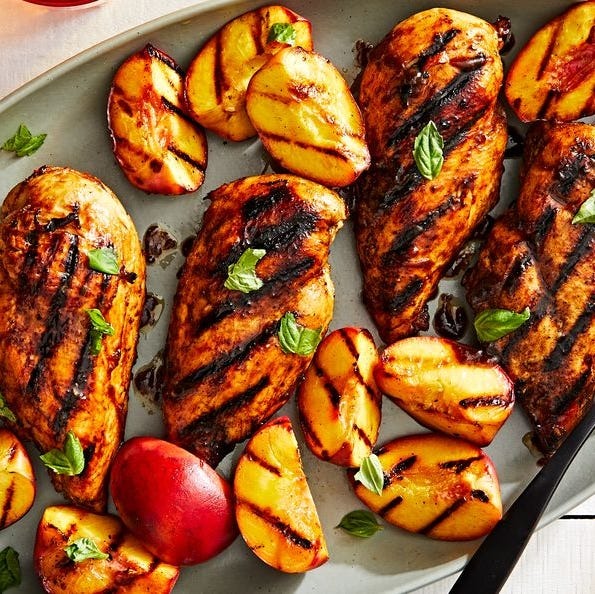
Look at the fat content of the specific cut if you want to cut saturated fat in a meal. If you limit red meat as a food category, the animal's classification decides.
Bone-in or boneless goat: choose a cut you can use
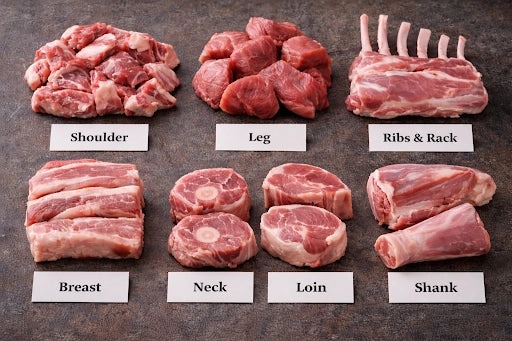
A bone-in package holds a lot of bone and cartilage alongside the meat, so the weight on the label includes material you won't eat. Edible yield varies by cut.
Shoulder, neck, and shank are less tender cuts. Loin and chops are the picks when you want tender meat. The animal's age and the individual piece still affect the result.
Alabama Cooperative Extension's October 2024 goat-meat guidance covers shoulder, neck, shank, and loin for cooking choices.
In standard US meat terminology, mutton means sheep, but in some South Asian cooking the same word means goat. Ask the seller or check the menu to confirm which animal you are getting.
Here is how a bone-heavy order goes for one diner:
I love goat and I completely understand the benefits of cooking with meat on the bone. But why do so many Indian restaurants here in the US seem to provide the most ragged, barely any actual meat pieces? I’m over here trying to scavenge a bite from what ends up being mostly bone, cartilage, and fat. Are they just saving costs and don’t receive enough pressure to improve things?
Bone-in pieces work well in a stew or curry. If you need a set amount of meat, buy boneless.
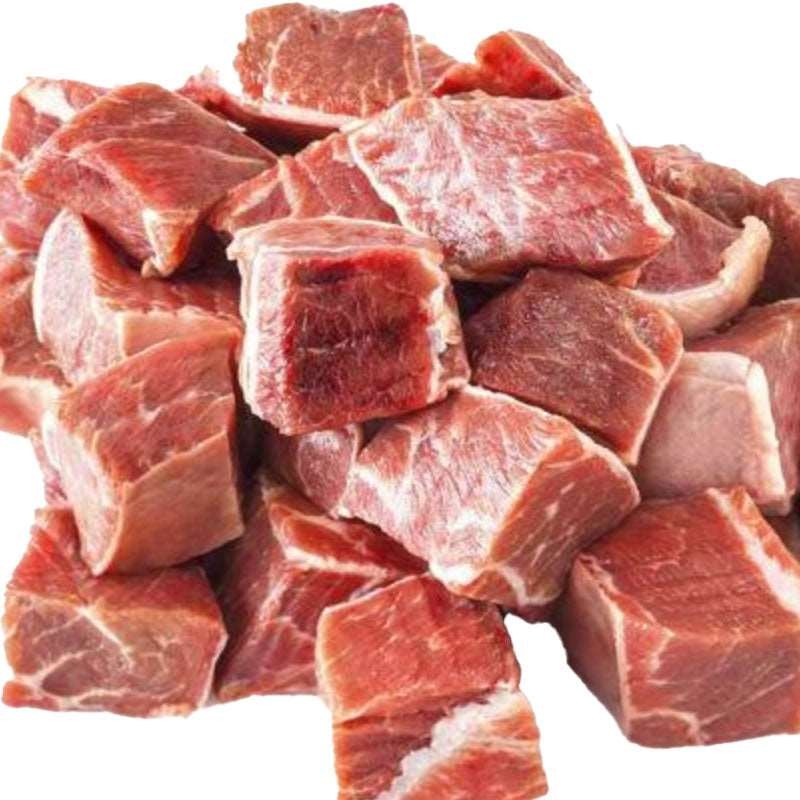
When you buy or order, check three things:
- Identify the cut. Ask whether the meat is shoulder, neck, shank, loin, chops, or a mix.
- Confirm bone content. Find out whether the quoted weight or portion includes bones, and keep purchase weight separate from the meat you expect to eat.
- Match the dish. Pick a cut that suits your cooking method and the tenderness you want.
Why goat can taste stronger or cook tougher than expected
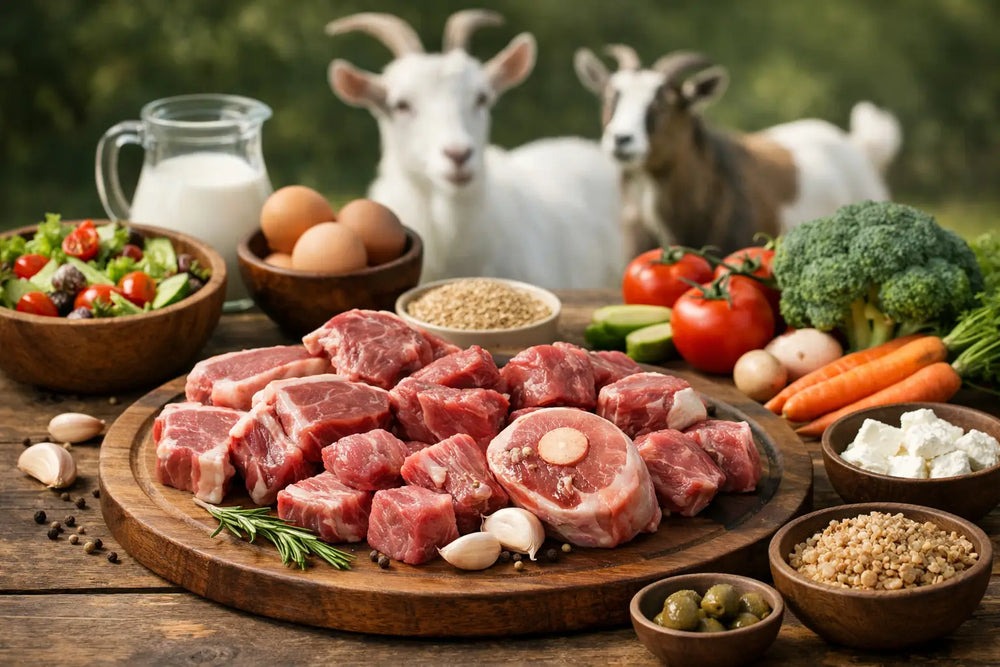
Goat's flavor and texture depend on the animal and on how the meat is handled and cooked. Breed, age, muscle, and preparation all affect the eating experience.
A 2023 review in Foods by Gawat and colleagues describes variation in goat-meat quality. Lean meat dries out as moisture escapes, and connective tissue keeps a cut chewy until it softens.
Not every first taste goes well:
i genuinely cannot get past this. my aunt bought a dish made with goat. my mom usually makes the dish but with chicken or cow meat so i'm familiar with it. the meat tasted like a (smell of a) wet dog... or when you haven't gave your dog a bath in about a month and he's starting to smell like a carpet. my aunt swears by this dish but i just could not get over the taste. i've read online that goat meat is very challenging to cook and if not cleaned properly it could taste really bad.
what is goat meat suppose to taste like?
my boyfriends family loves making barbacoa out of goat and i'm suppose to go over today and i am genuinely scared to try it again. please help
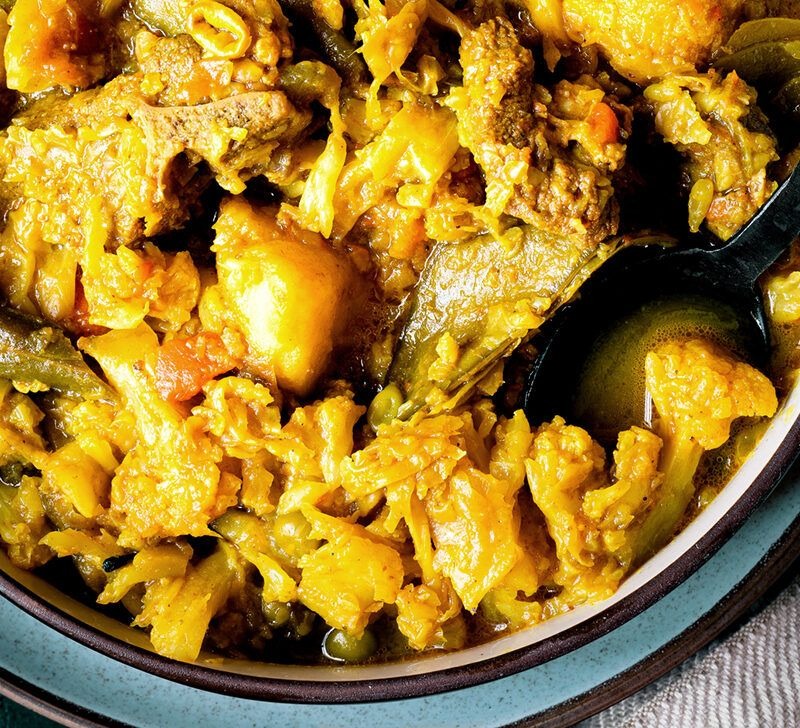
How to cook goat safely without drying it out
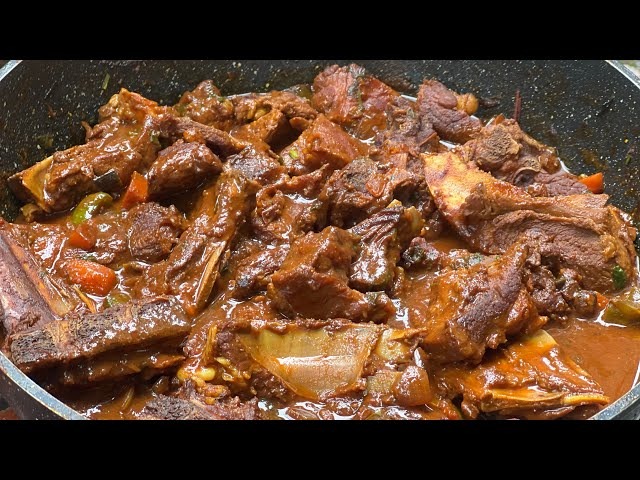
Shoulder, neck, and shank do best with covered, moist heat, and tender chops suit shorter cooking. Whatever the cut, cook it to the safe internal temperature for that meat. The USDA's minimums distinguish intact goat cuts from ground goat:
| Goat meat | Minimum internal temperature | Rest |
|---|---|---|
| Steaks and chops | 145°F (63°C) | At least 3 minutes |
| Roasts | 145°F (63°C) | At least 3 minutes |
| Ground goat | 160°F (71°C) | No rest time listed |
These values are listed in the FoodSafety.gov safe minimum internal temperature chart. A tough shoulder needs more cooking for tenderness after it reaches its safe temperature.
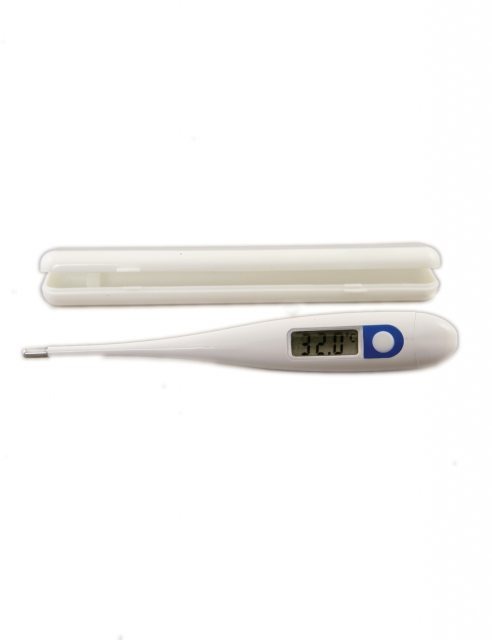
Put a food thermometer in the thickest part of an intact cut, away from bone, and check the reading and rest time against the table. Oven settings and the temperature of the cooking liquid tell you nothing about the center of the meat. Neither does a pressure-cooker whistle count.
USDA also advises against washing raw meat, which spreads contamination onto surrounding surfaces.