
High-Protein Snack Ideas That Fit Your Portion, Taste, and Day
A useful protein-snack rotation starts with two or three foods you enjoy, in portions you'll actually eat and can prepare around your day. Greek yogurt, cottage cheese, eggs, chickpeas, firm tofu, nuts and labeled packaged foods are good starting points. If you can't keep a perishable snack cold, choose a shelf-stable one. Before you pack or buy, compare the amount you'll eat with the protein on the label.
How to pick a high-protein snack: start with the portion you'll eat
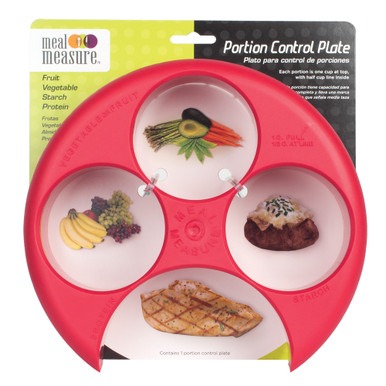
A chicken sandwich has more protein than a small container of yogurt.
Read the serving first. The FDA's serving-size guidance explains that a Nutrition Facts serving reflects how much people typically consume. It isn't a personalized recommendation.
Healthline's high-protein snack guide lists these approximate protein figures for the portions shown. Brands and preparations vary.
| Food | Example portion | Approx. protein | Preparation | Storage / fit |
|---|---|---|---|---|
| Plain Greek yogurt | 156 g | 16 g | Open and eat | Refrigerate; tangy dairy |
| Low-fat cottage cheese | 113 g | 14 g | Open and eat | Refrigerate; dairy |
| Hard-boiled egg | 1 egg | 6 g | Cook ahead | Refrigerate; savory |
| Almonds | 28 g | 6 g | Measure a portion | Per package; nuts |
| Firm tofu | 84 g | 9 g | Varies | Usually refrigerated; soy |
28 g of almonds and 113 g of cottage cheese are different snacks, and they carry different protein. An ingredient restriction can rule out an option before prep or taste comes up.
Small, low-effort protein snacks for when a sandwich is too much
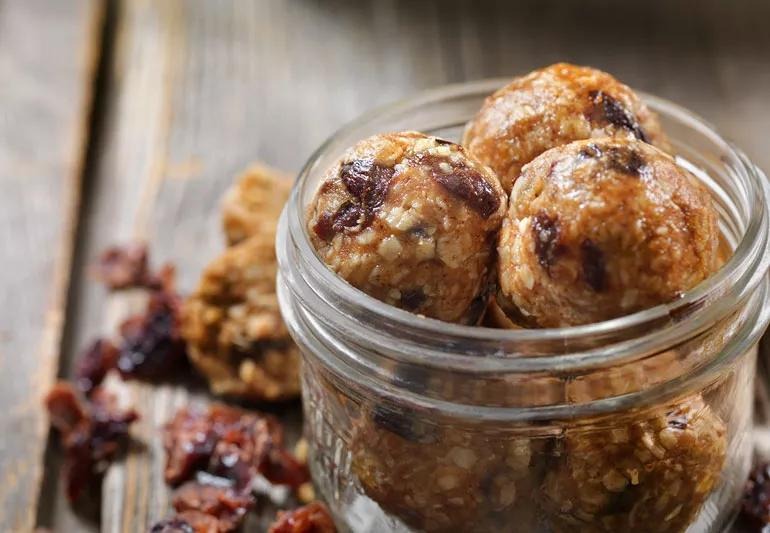
Three easy options: a refrigerated yogurt or cottage cheese portion, an already-cooked egg kept cold, or a measured handful of nuts. A ready-to-open packaged snack skips assembly. Chicken roll-ups and cooked edamame take some prep.
Protein plus fiber: plant-forward snacks that do both
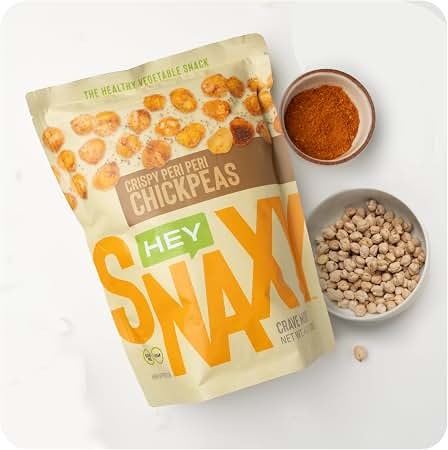
Cooked chickpeas give you protein and fiber in one snack. Healthline lists about 7 g protein and 6 g fiber in 82 g of cooked chickpeas.
| Option | Protein and fiber | Good for | What varies |
|---|---|---|---|
| Cooked chickpeas, 82 g | About 7 g protein; 6 g fiber | A measured legume portion | Seasoning and add-ons |
| Hummus and vegetables | Varies with dip and vegetable portions | Something to scoop or dip | Hummus recipe and portion size |
| Prepared edamame | Varies with the serving | A savory soy-based snack | Preparation and amount eaten |
| Packaged roasted chickpeas | Check the label, per serving | A packaged legume option | Processing, seasoning and package size |
Hummus, edamame and packaged roasted chickpeas each need their own protein and fiber numbers.
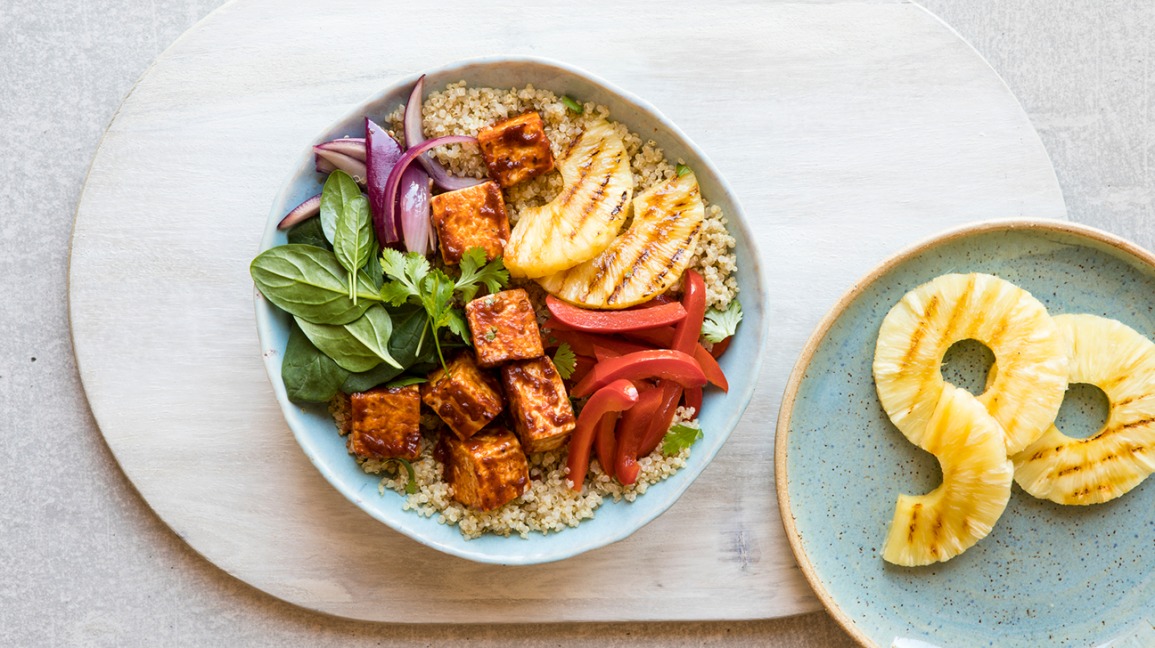
Add crackers, dressing or a dip and the totals change; the chickpea figure covers only the chickpeas.
Savory snacks: jerky, poultry, eggs and fish
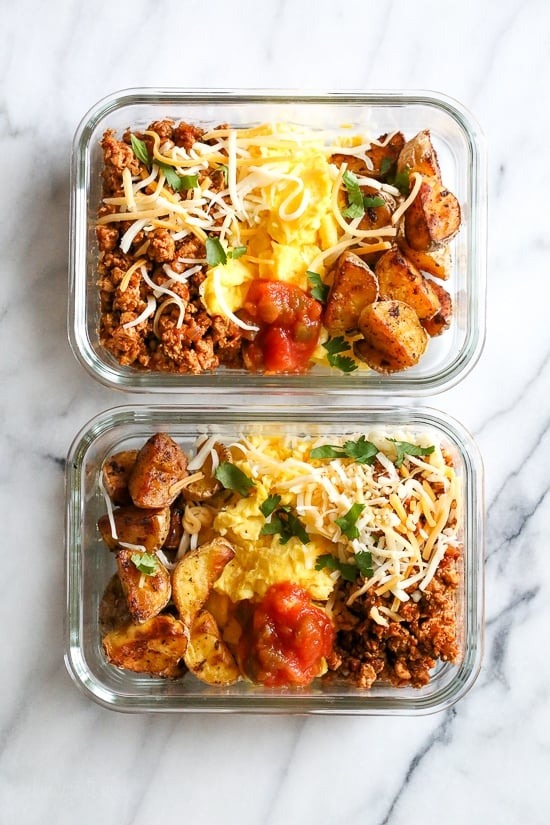
Jerky, cooked poultry, eggs and fish pouches all work as savory protein snacks. Prep, storage and ingredients differ a lot.
Healthline lists about 9 g protein in 28 g of beef jerky. Check the sodium and ingredients on the package. Turkey or chicken roll-ups need prep and cold storage.
A sealed tuna pouch can sit in a desk drawer if the label allows room-temperature storage. A homemade turkey roll-up needs a cold-storage plan before it leaves the kitchen.
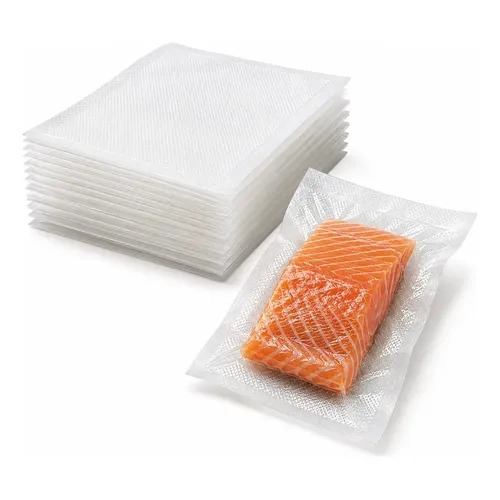
For people who might become or are pregnant, those who are breastfeeding, and children, the FDA/EPA fish advice classifies canned light tuna as a Best Choice, albacore tuna as a Good Choice, and bigeye tuna as a Choice to Avoid. The ratings take mercury into account.
Packing a protein snack for work
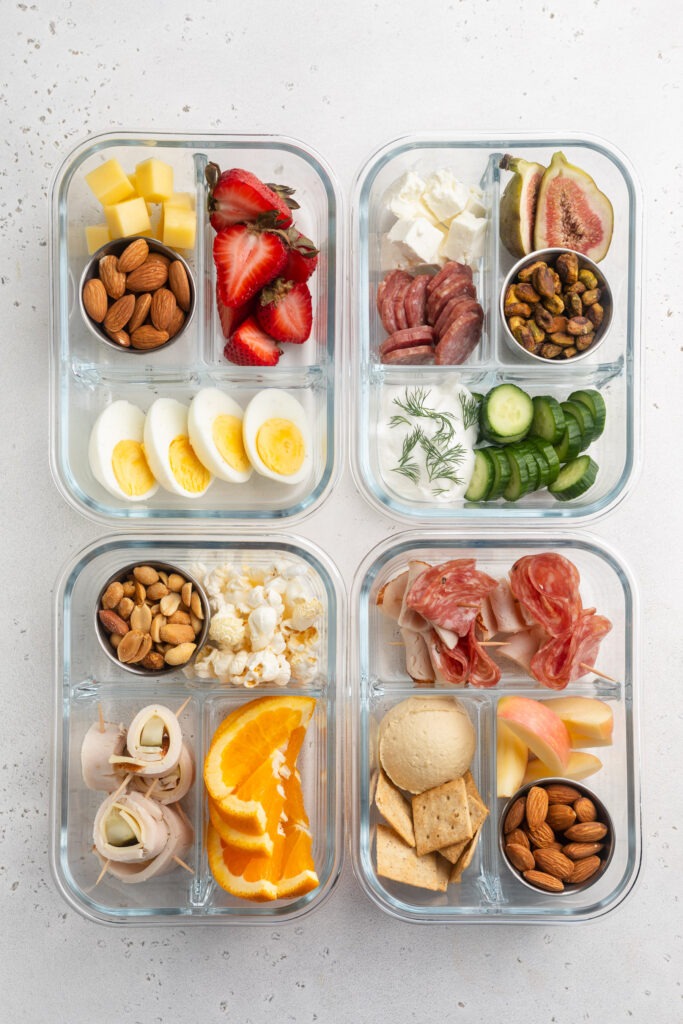
Greek yogurt, cooked poultry, eggs and opened fish need refrigeration until you eat them. A sealed shelf-stable product can travel unrefrigerated, but check whether the label's storage conditions change after opening.
The USDA Food Safety and Inspection Service puts the food-safety danger zone at 40 to 140°F and advises keeping cold foods at or below 40°F. Don't leave perishable food out longer than two hours, or one hour when the air temperature is above 90°F.
For a packed perishable lunch, USDA recommends an insulated bag with at least two cold sources, such as two frozen gel packs or a gel pack and a frozen water bottle, placed around the food. The food has to stay cold until you eat it, and insulation alone doesn't do that.
| Storage state | Examples | What decides it |
|---|---|---|
| Labeled shelf-stable, unopened | Some sealed fish pouches or packaged snacks | Manufacturer's unopened-storage instructions |
| Refrigeration required | Yogurt, cottage cheese, prepared eggs, cooked poultry | Staying cold until eaten |
| Opened or freshly prepared | Open fish, homemade meat snacks, mixed dishes | Ingredients, handling and time out of the fridge |
Touch and smell won't tell you whether food that sat out for an unknown time is safe.
One office worker described bringing a tuna pouch for lunch:
it’s my third week at my current office, and i’ve been eating lunch outside as much as possible since it’s been so nice lately where i am located. today, i brought tuna in a pouch as my protein, and i wasn’t feeling too self conscious as i’m usually the only person sitting at these outdoor tables during lunchtime. to my surprise (and horror) all of the chairs outside were gone??? it was quite literally only the tables out there, so i sullenly walked back inside and opted to eat in the kitchen.
obviously as you’re eating it you get used to the smell, so i wasn’t sure if it was noticeable to any passerby’s. regardless, i ate it quickly and just covered it up with a napkin when someone walked by.
fast forward to about 30 minutes ago, my coworker comes to my desk to teach me how to do something in our portal. they get a teams message and open it in front of me, and i see a message from the other person a few minutes prior that says “oh my god it smells like someone is eating dog food.”
😟😟😟
i am mostly mortified but at the same time i had to stifle a laugh because what the fuck are the odds of me seeing that message. anyway, never bringing that for lunch ever again. i have learned my lesson.
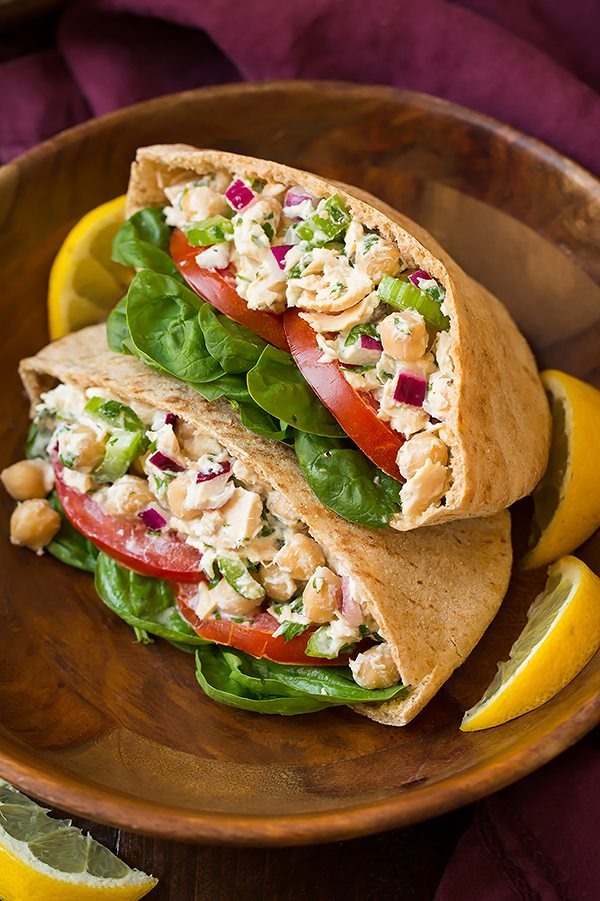
In a shared office, a strong-smelling lunch gets noticed.
If you don't like Greek yogurt: sweet, dairy and no-yogurt options
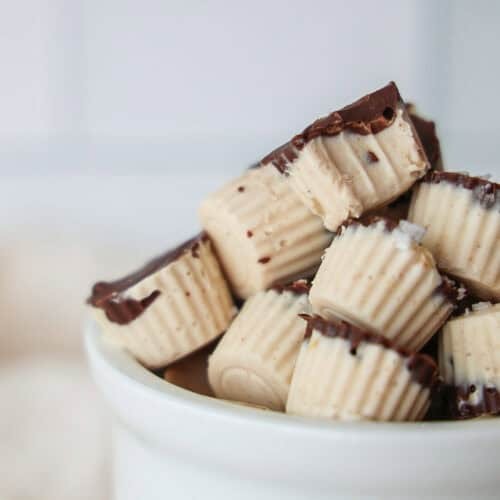
Plain Greek yogurt works if you like the tang. Cottage cheese has a different texture, and other foods skip dairy altogether. Swap yogurt into a recipe and the tang comes along.
One poster tried yogurt-based versions of several familiar foods and was not impressed:
Seriously. I’ve tried a couple different recipes that use Greek yogurt thinking that maybe you can’t taste it or something. NOPE. It has a strong flavor and it comes through on everything I’ve tried. And every freaking good looking recipe I come across has Greek yogurt in it!
Cookie recipe? Greek yogurt
Peanut butter? Greek yogurt
Protein fluff? Greek yogurt
Spread for xxx recipe? Greek yogurt
Frosting? Greek yogurt
You may be able to mask the flavor or make it taste different or whatever, but the fact of the matter is IT STILL TASTES LIKE GREEK YOGURT.
And I also follow some people who try recipes they find online, and they never mention stuff like this! It’s just like yes/no it tastes good. Yes/no wouldn’t try again. Had this issue on a different recipe that was supposed to be a high protein pizza. It wasn’t bad, but they didn’t mention that it tastes nothing like pizza. I also tried a healthy mock peanut butter cup recipe. Didn’t mention that the peanut butter tastes like peanut flavored Greek yogurt and nothing like a normal peanut butter cup.
End of rant.
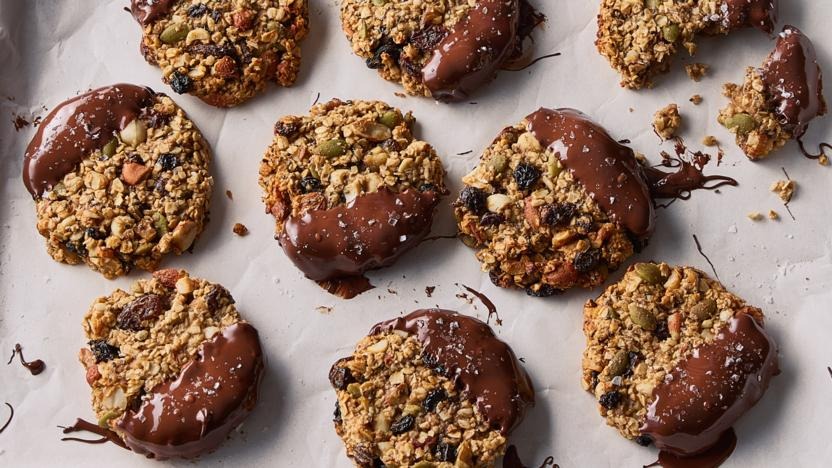
Pick a different food instead of disguising it if the tang bothers you. Try cottage cheese, a soy-based snack, fruit with a measured portion of nuts or seeds, or a savory egg.
Protein bars and packaged snacks: read the label first
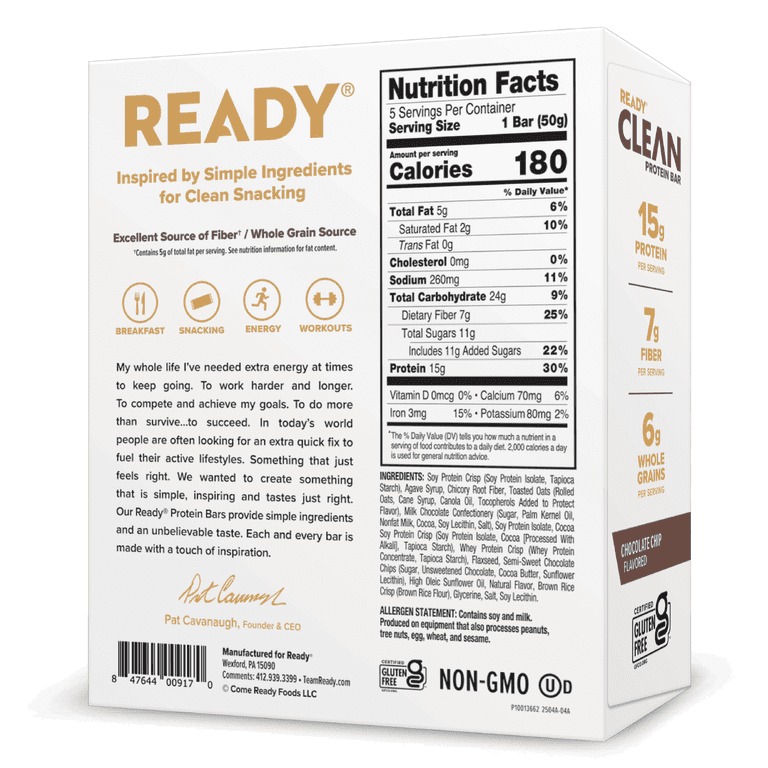
A protein bar can simplify a commute or a busy afternoon. The Nutrition Facts panel shows what's inside the package.
Start with serving size and servings per container.
- Protein: Grams per serving you'll eat.
- Fiber: Grams in that same serving, if fiber matters to you.
- Added sugars: Worth comparing on sweet packaged options.
- Sodium and saturated fat: Compare similar foods at the same serving.
- Ingredients and allergens: They can rule a product out.
The FDA's general percent Daily Value guide calls 5% DV or less low and 20% DV or more high for nutrients with established Daily Values. Under FDA rules, protein %DV can be left off when the package makes no protein claim, but a claim such as “high in protein” requires it. Protein grams and serving size still work for comparing products. For yogurt, beans, and other affordable proteins, compare protein cost per useful serving.
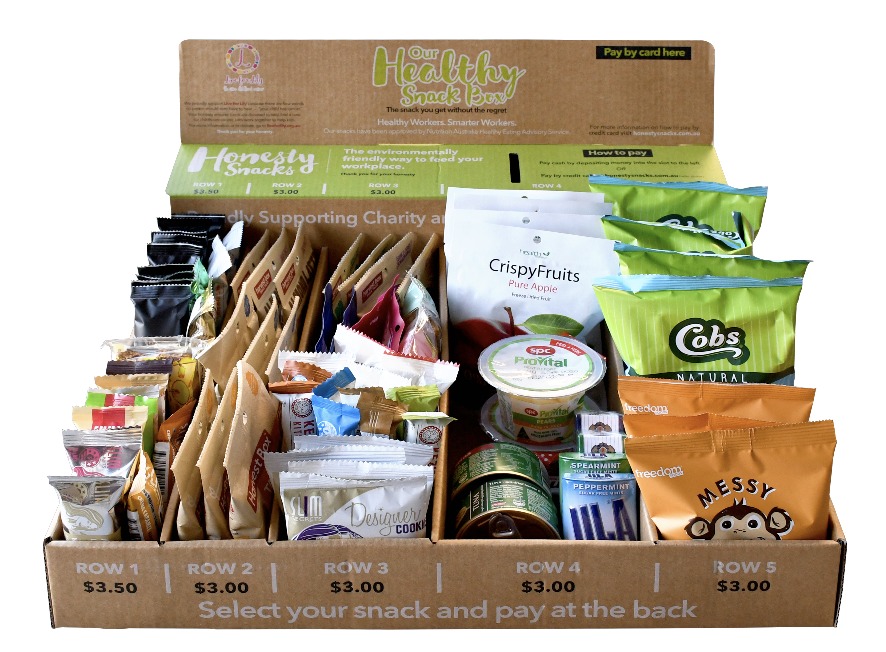
If the label gives values for one serving but the package holds two, eating the whole package means eating two servings.
Build a short rotation of two or three snacks
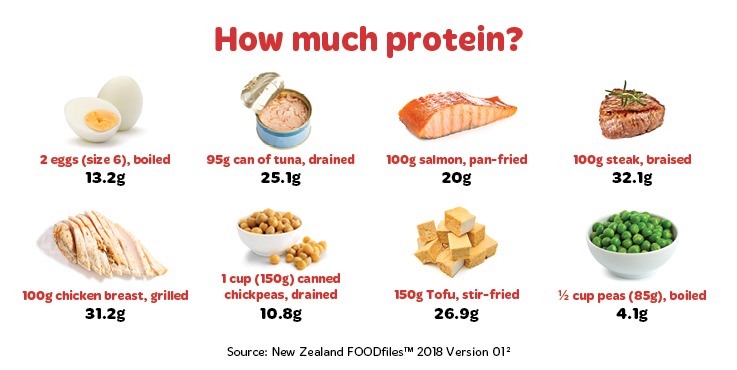
- Refrigerated choice: Plain Greek yogurt or cottage cheese, if you like dairy and have cold storage.
- Plant-forward choice: A measured portion of cooked chickpeas for a snack at home.
- Portable backup: An unopened packaged food whose storage instructions fit the trip.