Are Banana Chips Healthy? What the Ingredients and Portions Tell You
Banana chips work as an occasional, portable snack. The preparation method, added sugar, saturated fat, and portion matter more than the name on the bag. Fried, baked, and dehydrated versions differ a lot.
What Goes Into Banana Chips?
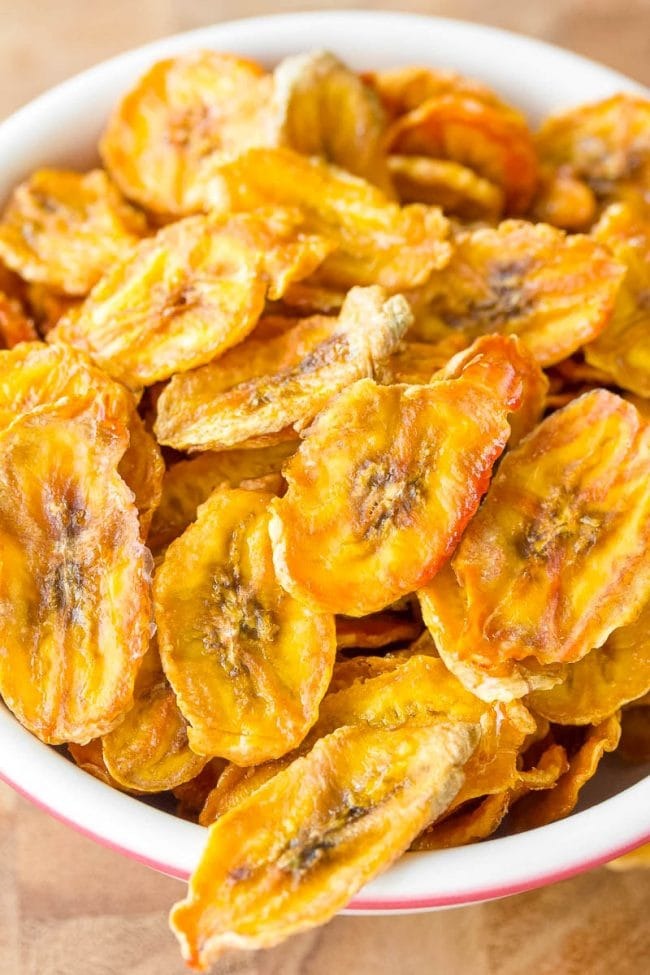
The picture of a banana on the bag says little about how the chips were prepared or what else was added. Commercial banana chips are fried in oil, sweetened, baked, or simply dried, depending on the product.
The ingredient list shows which. A chip made with coconut oil and sugar is a different food from baked banana slices dusted with strawberry powder, even when both packages show fruit.
One real package: Kroger Sweetened Banana Chips list banana, coconut oil, sugar, and natural banana flavoring.
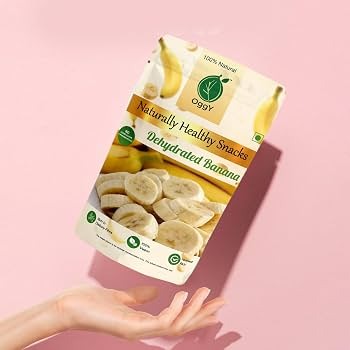
Check the list for added oil, sweetener, or flavoring, and for the stated processing method.
Banana Chip Nutrition: Calories, Fat, Sugar, and Fiber
Here are three real products compared per 28 g (about 1 oz).
| Product, per 28 g | Calories | Total fat | Saturated fat | Total sugars | Added sugars | Fiber |
|---|---|---|---|---|---|---|
| Kroger Sweetened Banana Chips | 140 | 7 g | 7 g | 5.6 g | 5.6 g | 0 g |
| Bare baked strawberry-banana chips | 100 | 0 g | 0 g | 17 g | 0 g | 3 g |
| H-E-B Select Ingredients Banana Chips | 140 | 7 g | 7 g | 5 g | Not established | 3 g |
Kroger's 28 g figures are converted from its 40 g label (28 ÷ 40 = 0.7). The H-E-B Bare product listing supplies the labeled 28 g values for the strawberry-banana variety. The H-E-B Select Ingredients row comes from a third-party nutrition database, which does not establish its added-sugars amount.
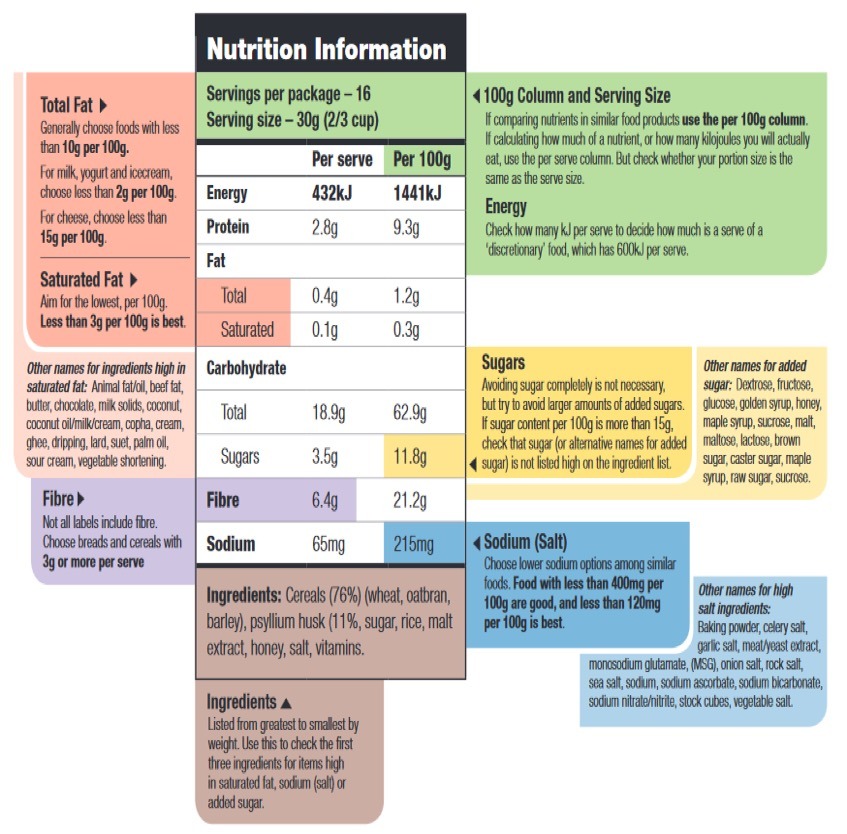
Look at Bare: 17 g of total sugars, none of them added, plus 3 g of fiber. Kroger has 5.6 g of sugar, all added, no fiber, and 7 g of saturated fat from the coconut oil.
Total sugars and added sugars answer different questions
Under the FDA's Added Sugars guidance, total sugars include naturally occurring sugars plus any added during processing. The added-sugars line is part of that total. Bare lists only bananas and strawberry powder, which is why its added sugars read 0 g.
The FDA uses 5% Daily Value or less as a low amount of a nutrient and 20% or more as a high amount. Kroger's original 40 g serving lists 10 g saturated fat, or 50% of the reference Daily Value.
Fried, Baked, or Dehydrated: Why the Texture and Ingredients Change
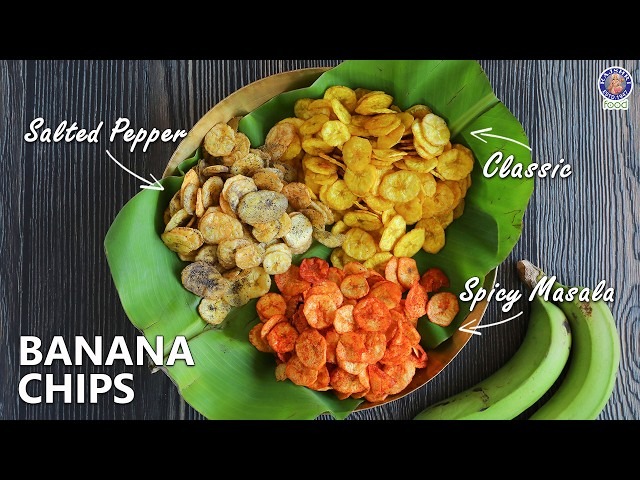
Dehydrating banana slices removes water, and home-dried slices come out chewy or leathery. Frying adds oil; a 2018 study of banana-chip frying found that processing conditions influenced oil uptake and texture. Baking produces a crisp chip without added oil, as the Bare example shows. Several methods give a crunchy chip, so texture alone won't tell you what's in it.
How Banana Chips Compare With Fresh Bananas and Other Chips
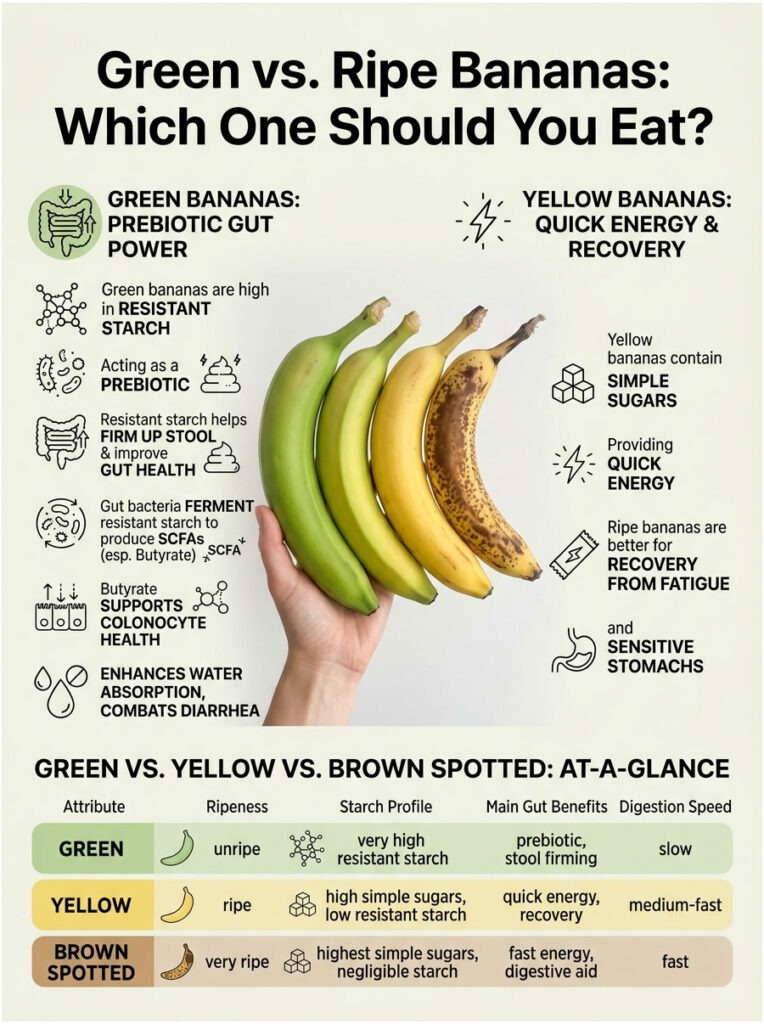
Drying removes much of a banana's water, so chips and fresh bananas eat very differently. A smaller amount of food carries more energy by weight, and added oil or sugar pushes it further. If you're weighing chips against a banana at breakfast, the whole-banana breakfast guide covers it.
One published nutrition comparison lists a fresh banana (118 g) at 105 calories and a cup of generic banana chips (72 g) at 374.
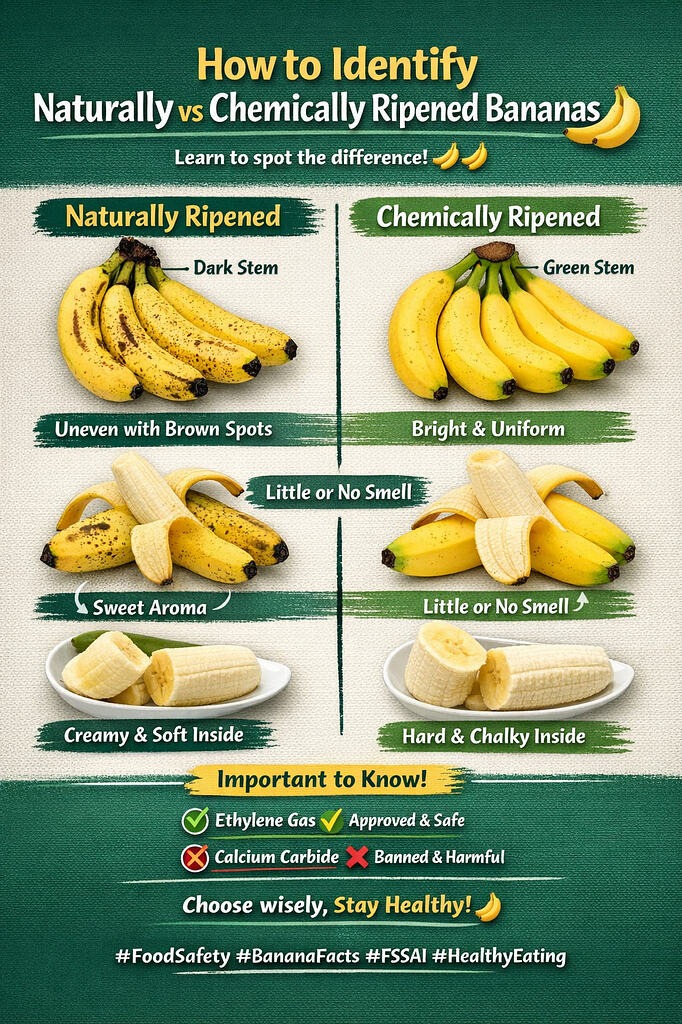
Fresh fruit brings more water and volume. Banana chips bring crunch and keep longer, and a small, energy-dense food suits a hike or a long trip.
Recalculated to 28 g portions, one generic nutrition comparison gives about 145 calories for banana chips, 149 for potato chips, and 138 for vegetable chips. Saturated fat comes to about 8.2 g, 1.0 g, and 0.5 g. Individual products have their own formulations. Plantain chips, made from cooking bananas, are a separate snack category.
Are Banana Chips Fattening? How Portions Affect Calories
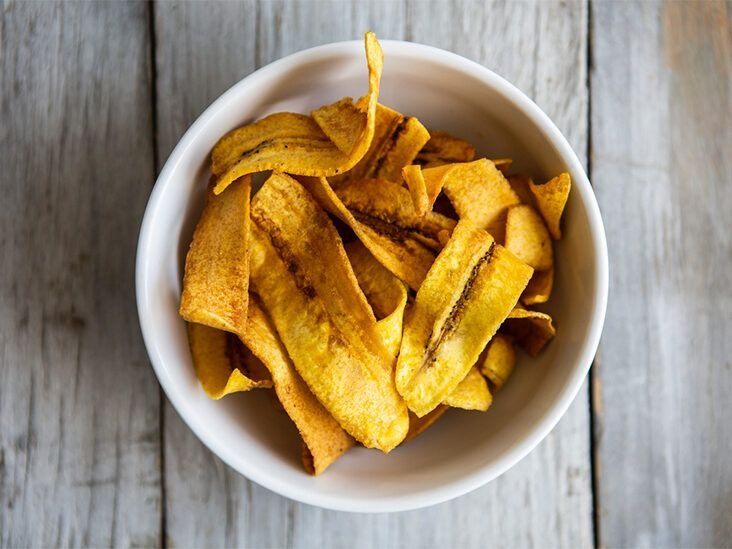
Banana chips won't make you gain weight on their own. Weight follows overall energy intake and expenditure, and CDC guidance also lists physical activity, sleep, age, genetics, and medications. Portions matter because a small handful carries a lot of calories.
Kroger's original label sets a 40 g serving at 200 calories and 8 g added sugars, with about seven servings per container. The amount you eat scales those numbers:
| Amount eaten | Weight | Calories | Added sugars |
|---|---|---|---|
| Half a labeled serving | 20 g | 100 | 4 g |
| One labeled serving | 40 g | 200 | 8 g |
| Two labeled servings | 80 g | 400 | 16 g |
On US packages, the listed serving is a standardized reference quantity, as the FDA's Serving Size guide explains, not a recommended personal portion.
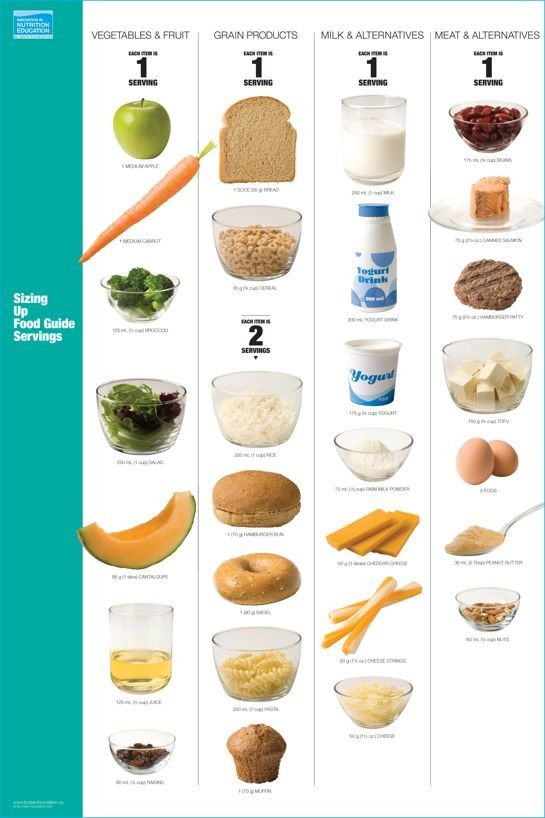
To find the calories and nutrients in your portion, count how many labeled servings you ate and multiply the printed values by that number. Eating straight from a large bag makes the count matter more.
How to Choose a Bag That Fits Your Snack Goal
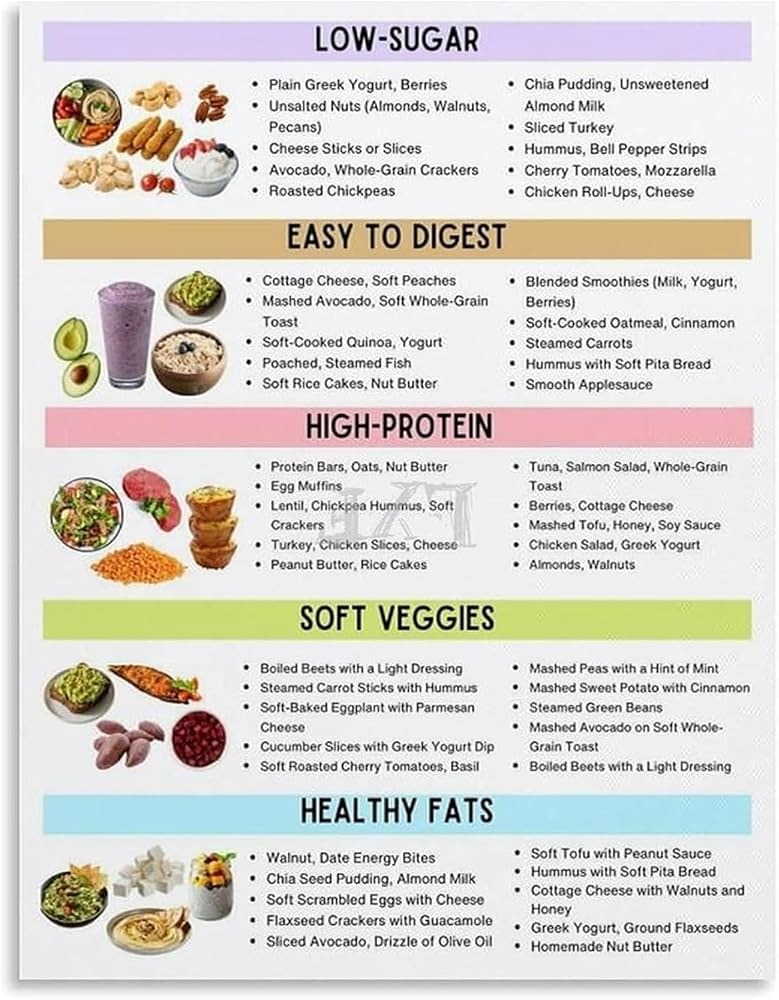
| Your goal | What to check | What to pick |
|---|---|---|
| A portable snack for travel or hiking | Size and energy | A bag sized for the outing |
| A crunchy snack you eat often | Added sugar, saturated fat, and amount eaten | A recipe that stays low in whatever you're limiting |
| Crunch without added frying oil | Preparation and ingredients | A baked chip with no added oil, such as the Bare strawberry-banana example |
A label on a website can describe a different product revision. If its numbers disagree with the bag in your kitchen, go with the package.