
Is Pozole Healthy? What's in Your Bowl Matters
Pozole can fit a balanced diet. What's in the bowl matters: the ingredients, serving size, and toppings determine its calories, protein, and sodium.
What is in a bowl of pozole?
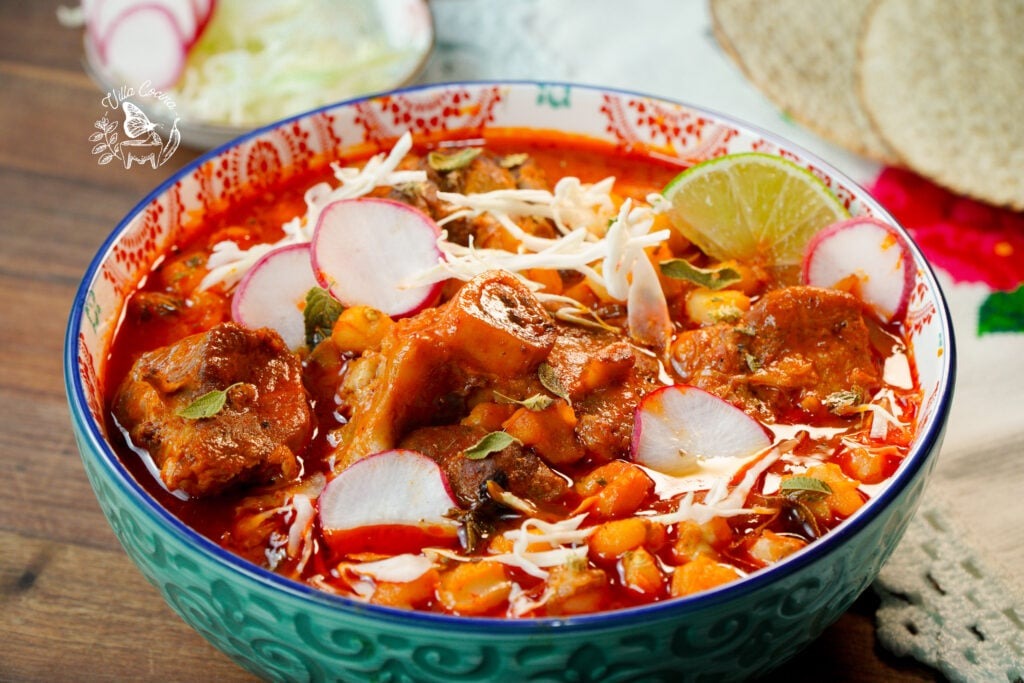
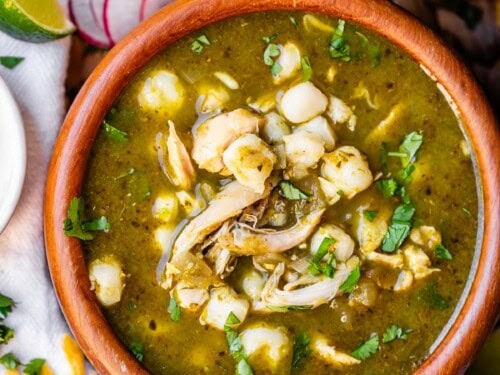
Hominy—large corn kernels treated through a traditional process called nixtamalization—forms the base of pozole, a Mexican soup or stew. You'll also see it spelled posole, especially in US recipes. Both spellings mean the same dish.
Hominy gives pozole its corn flavor and hearty texture; pork, chicken, and meatless versions each use it differently. The broth can be pale, or colored by red chiles or green ingredients.
A bowl has four parts:
- Hominy: Corn that supplies carbohydrate and part of the calories.
- Meat or another protein: Chicken, pork, beans, or other ingredients. Fat and protein depend on the type and amount.
- Broth and sauce: The liquid base and seasonings, including stock, bouillon, chiles, and added salt.
- Garnishes and sides: Cabbage, radishes, onion, cilantro, avocado, crema, cheese, or tostadas.
How many calories and how much protein are in pozole?
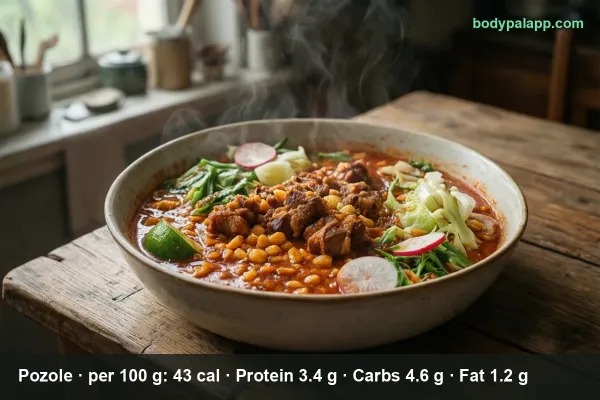
Published nutrition figures differ because recipes and serving sizes differ; some count one cup of soup. Others describe larger portions with different ingredients and garnishes.
| Named recipe and source | Reported serving | Calories | Protein | Sodium |
|---|---|---|---|---|
| MedlinePlus, Pozole with Chicken | 1 cup (290 g) | 170 kcal | 18 g | 580 mg |
| CalFresh Healthy Living, lean-pork pozole | 1½ cups | 320 kcal | 30 g | 550 mg |
| American Heart Association, Mexican Posole | 1½ cups | 293 kcal | 28 g | 437 mg |
| Corewell Health, vegetarian pozole | 2 cups with garnishes | 333 kcal | 11.7 g | 755 mg |
| Healthline, illustrative pork-and-stock pozole | 1 cup (238 g) | 214 kcal | 18 g | About 25% DV |
The American Heart Association version includes brown rice and whole-kernel corn. Corewell Health's vegetarian version includes chickpeas, potatoes, and kale.
Fiber differs too. MedlinePlus lists 4 g in its 1-cup chicken serving. Corewell Health lists 13 g in its 2-cup vegetarian serving with garnishes.
Before you compare these numbers with your own bowl, read the recipe description and the measured serving behind each one. The chicken recipe gives 18 g of protein per cup and the pork recipe gives 30 g per 1½ cups, but the portions and ingredients differ.
How to estimate the nutrition in your own bowl
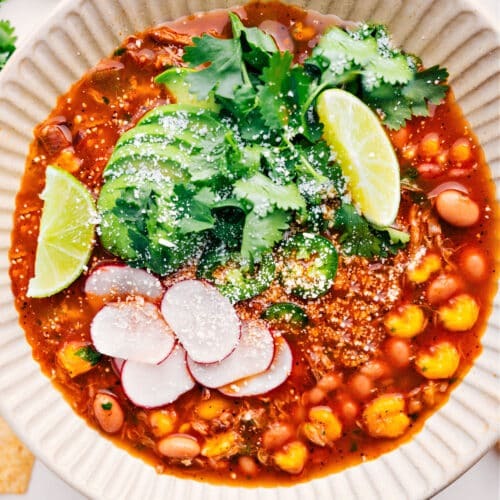
Start with the ingredients in your actual pot. With the quantities and the finished yield, you can calculate the nutrients in the portion you serve. To see where pozole, protein, and sides fit into a whole day, compare an example 2,000-calorie menu.
| Step | What to record |
|---|---|
| 1. Ingredients | Edible amounts of hominy, meat, oil, broth, sauces, and other additions |
| 2. Nutrient records | A food-composition entry for each ingredient in its prepared state (raw, cooked, dried, or canned) |
| 3. Finished yield | Prepared edible weight or number of equal finished servings |
| 4. Bowl and sides | Amount served, plus separately portioned garnishes and sides |
Multiply each edible ingredient by its nutrient values, add the results for the whole-pot totals, then divide by the finished yield. Use cooked-food data and adjust for yield or retention if cooking changes water content or nutrient retention.
The USDA FoodData Central datasets include records for ingredients and branded products. The FAO's recipe calculation guidance explains why edible ingredient amounts, cooking yield, and finished portion weights matter.
For a portion measured by weight, the calculation is:
Estimated bowl nutrients = calculated nutrients in the prepared pot × (served weight ÷ finished pot weight).
If you divide the pot into equal servings, divide the totals by the number of servings. Keep garnishes and tostadas separate if they weren't in the measured pot.
A cup is not a fixed weight. It is 290 grams in the MedlinePlus chicken recipe and 238 grams in the illustrative pork-and-stock recipe reported by Healthline.
A photo or an unspecified restaurant bowl gives too little information for an exact calorie count.
How meat, broth, hominy, and toppings change the meal
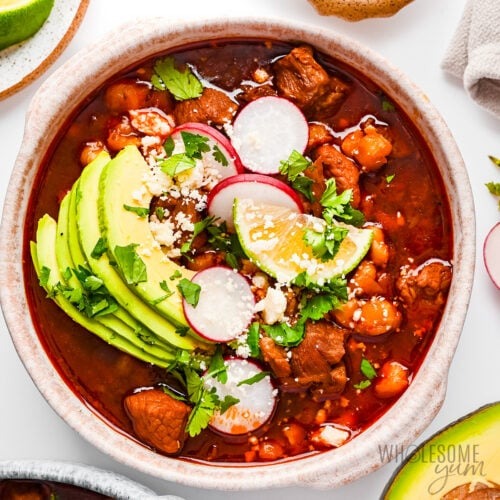
Each swap changes a different part of the nutrition profile. The cut of meat affects fat, the amount of hominy affects carbohydrate, and the broth and seasonings affect sodium.
| Choice | What it adds | What changes it |
|---|---|---|
| Chicken | Protein and fat | Breast or thigh, skin, quantity, preparation |
| Pork | Protein and fat | Cut, quantity, added cooking fat |
| Vegetarian ingredients | Protein, carbohydrate, and fiber | Beans, chickpeas, vegetables, and their amounts |
| Hominy | Carbohydrate and calories | Quantity and prepared state |
| Broth and seasoning | Flavor and substantial sodium | Salt, bouillon, canned ingredients, stock |
| Garnishes and sides | Texture, vegetables, and extra calories | Amounts of tostadas, crema, cheese, or avocado |
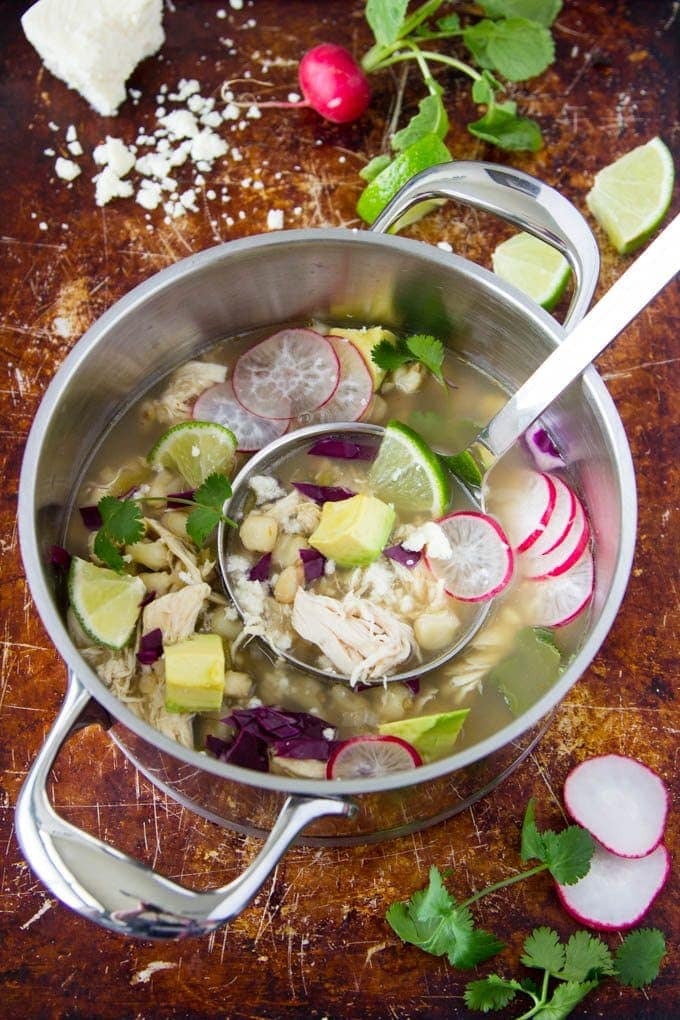
I put in a good amount of Mexican oregano, and the stock had some bay leaf and black pepper, but I ended up needing to add lots of salt and MSG at the end to pump up the savoriness.
It just ended up tasting like a nixtamalized corn soup, the hominy was the main flavor and I feel like the chicken totally got lost in the background. The red chili sauce gave it a bit of an earthy background note but again, I found I had to season it very heavily with salt at the end to get it to my liking, and it still kinda felt “light”, I feel like I’m missing some kind of aromatic component or savory element to make the soup pop more. Should I have cheated and put in a chicken boullion packet, lol?
I’ve seen lots of red pozole recipes made with pork, seems like that stronger flavor would be less likely to fade into the background like the chicken did…
This cook never measured the salt, which is why the final amount of salt or bouillon has to be counted in the finished dish.
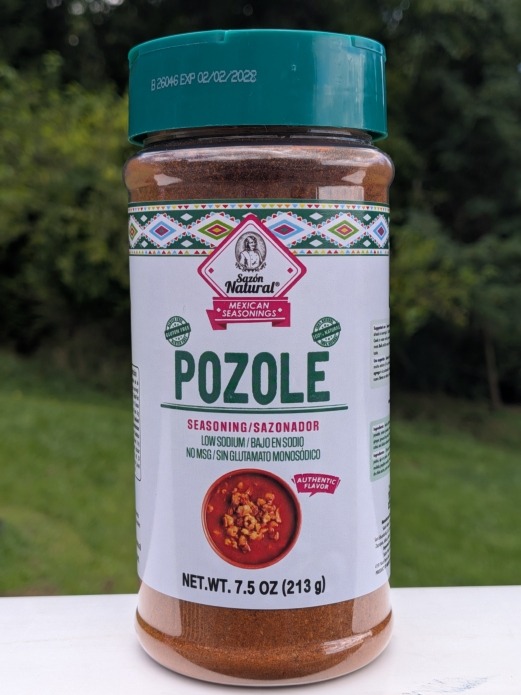
The FDA's general sodium Daily Value is less than 2,300 mg per day. In the FDA's Sodium in Your Diet guidance, 5% DV or less is low and 20% DV or more is high. Those percentages apply to the labeled serving, not to your whole pot.
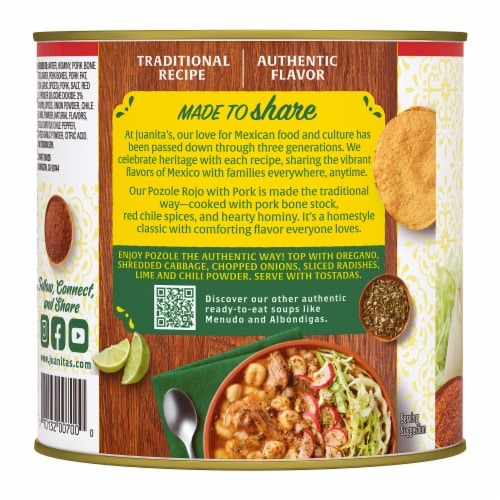
Check the per-serving sodium on packaged broth, bouillon, canned hominy, and prepared sauces, using the amounts in your recipe. Several of them add sodium to the same bowl.
Is pozole fattening? Consider the serving and the rest of the meal
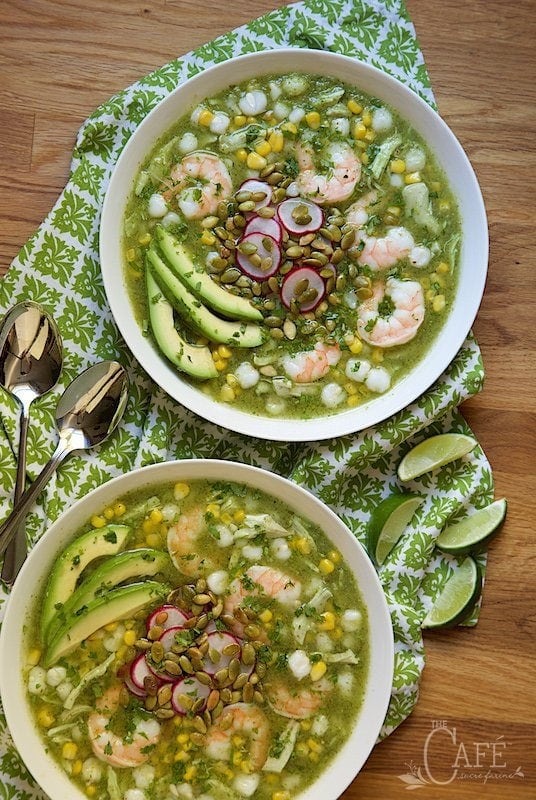
The calories in a serving depend on its recipe and size. Weight change comes from total calories over time, not from one bowl.
Want a lighter meal? Take a smaller serving. Want a more substantial one? Take a larger portion or add sides. Traditional pork pozole is not a dietary mistake either way.
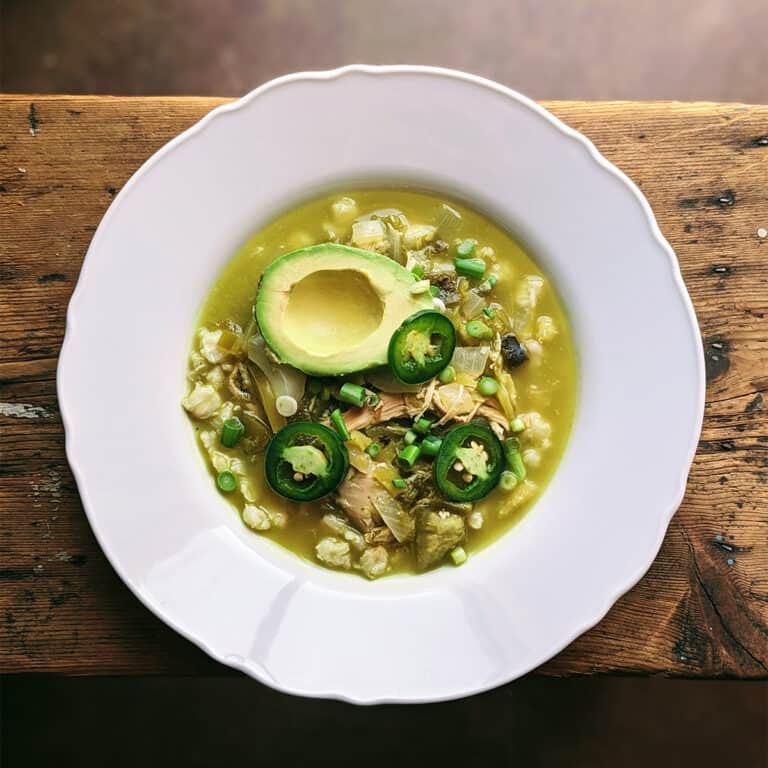
A bowl topped with cabbage and radishes is a different meal from a plate with tostadas, crema, and avocado, because those additions add to the total calories.
Pick one adjustment that fits your goal, such as a smaller side or a different way of preparing the protein.
Is pozole rojo, verde, or blanco healthier?
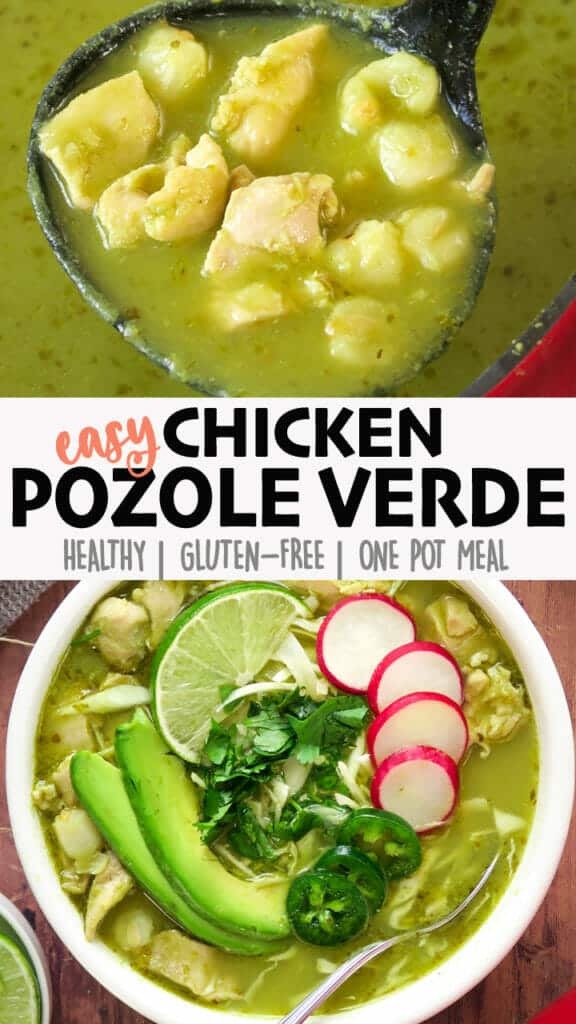
Rojo, verde, and blanco are broad styles: red chile preparations, green sauces or ingredients, and paler broths. Nutrition follows the actual ingredients, meat cuts, added fat, seasonings, and portions, so no color is inherently healthier.
Hominy, gluten, and leftovers
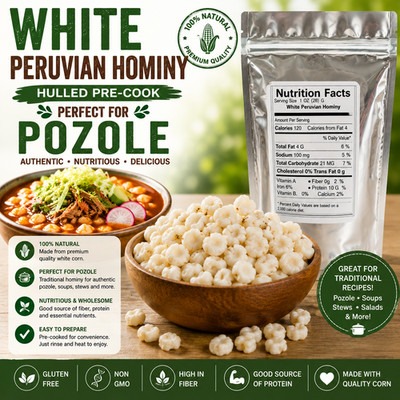
Hominy is maize treated by nixtamalization, a traditional alkaline process. The process changes nutrient accessibility, including niacin and some mineral-related properties.
Gluten-related needs
Corn itself is naturally gluten-free. Other ingredients and cross-contact can still matter in prepared pozole. If you must avoid gluten for medical reasons, confirm the ingredients and handling with the food provider or the product labels.
Storing a large pot of pozole
For leftovers, the CDC advises refrigerating perishable prepared food within two hours, or within one hour if it has been exposed to temperatures above 90°F. Shallow containers help food cool faster. Reheat leftovers to 165°F.