
Is Soy Sauce Bad for You? Sodium, Ingredients, and Serving Sizes
Soy sauce can be used in small amounts, but its sodium content makes the serving size important. One tablespoon of Kikkoman regular has 960 mg of sodium. How much you use matters, and so do any wheat or soy restrictions, prescribed sodium limits or medication interactions. Check the serving size and ingredients on your bottle before the next pour.
How much sodium is in soy sauce?
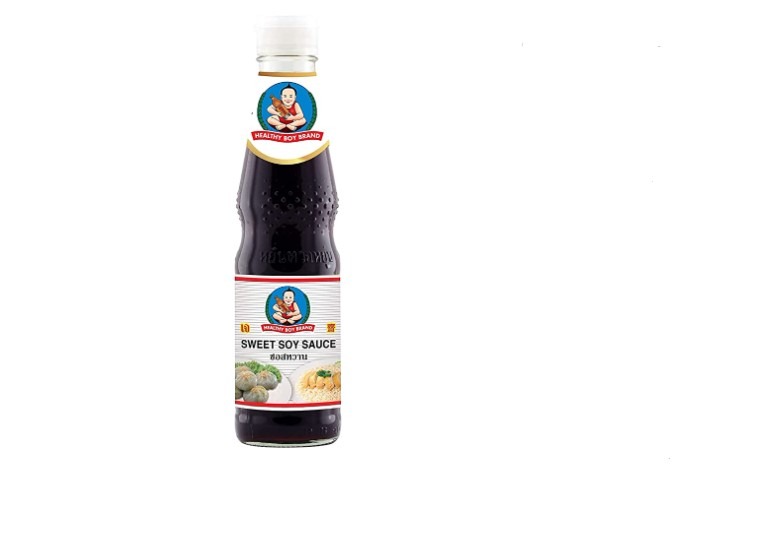
One tablespoon of the four Kikkoman products sold in the US below carries between 590 mg and 1,070 mg of sodium, so the bottle you pick changes the number a lot.
The FDA's sodium labeling guidance uses 2,300 mg as the Daily Value (DV). On a Nutrition Facts label, 5% DV or less per serving counts as low in sodium, and 20% DV or more counts as high.
Package claims follow stricter rules. Low sodium means 140 mg or less per serving. Reduced sodium means at least 25% less sodium than the regular product, so a reduced-sodium sauce can still be high in sodium.
| Kikkoman USA product | Sodium per 1 Tbsp (15 mL) | Sodium DV | Contains soy | Wheat ingredient |
|---|---|---|---|---|
| Regular Soy Sauce, Non-GMO (15 oz) | 960 mg | 42% | Yes | Yes |
| Less Sodium Soy Sauce (40 oz) | 590 mg | 26% | Yes | Yes |
| Tamari Soy Sauce | 1,070 mg | 47% | Yes | Yes |
| Gluten-Free Tamari Soy Sauce, Non-GMO | 980 mg | 43% | Yes | No |
These numbers come from Kikkoman USA labels.
Switching from Kikkoman regular to less-sodium saves 370 mg per tablespoon, about 38.5%. It's still 26% DV, above the FDA's 20% cutoff for high sodium.
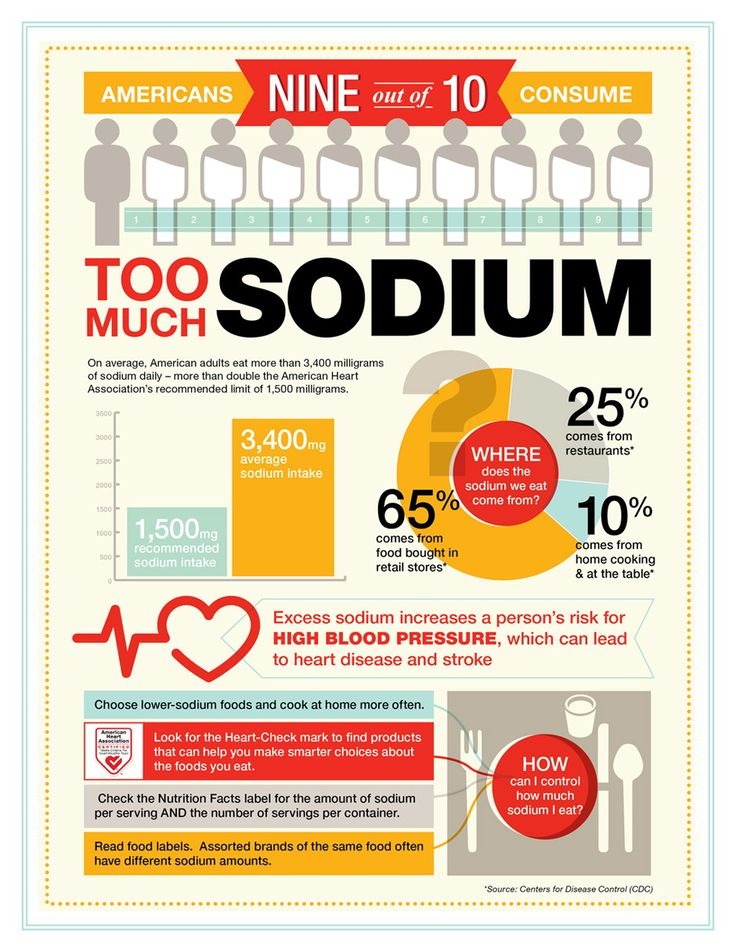
The federal Daily Value is a labeling reference, not a personal medical limit. The American Heart Association recommends no more than 2,300 mg of sodium daily and sets 1,500 mg as the ideal goal for most adults. For another sodium comparison, see the pickled-cucumber nutrition reference.
Compare bottles by milligrams at the same serving size. Kikkoman's regular soy sauce product label lists the details you need.
How much sodium is in a teaspoon of soy sauce?
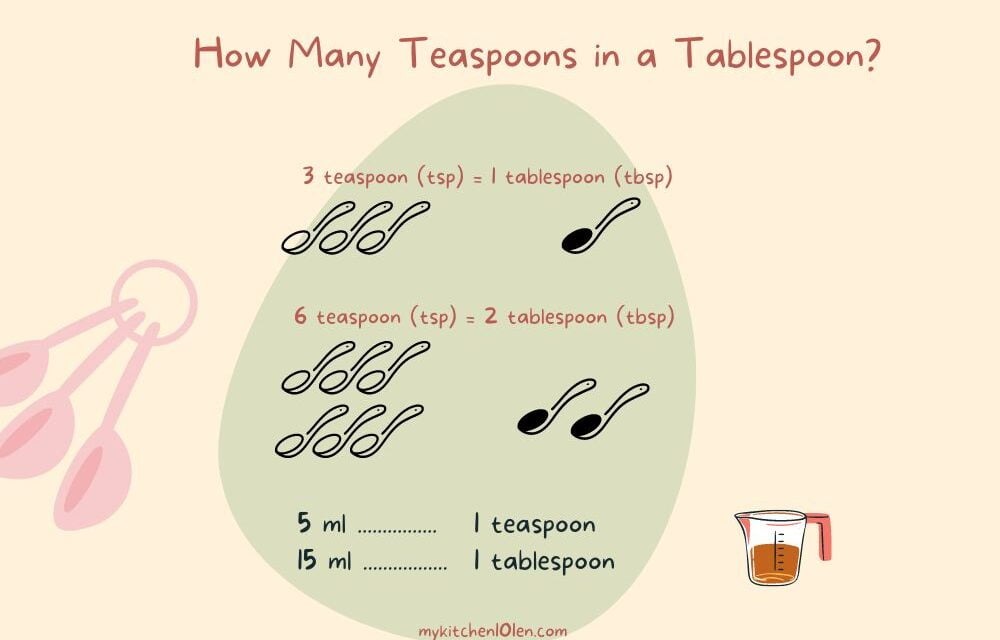
A teaspoon holds one-third of the sodium in a tablespoon of the same product. One tablespoon equals three teaspoons, or 15 mL; one teaspoon is 5 mL.
Kikkoman regular works out to about 320 mg of sodium per teaspoon, and less-sodium to about 197 mg. Both are converted from the labeled tablespoon values.
| Example | Sodium from soy sauce in dish | Sodium in each eaten portion |
|---|---|---|
| 1 tsp regular sauce, one serving | ~320 mg | ~320 mg |
| 2 Tbsp regular sauce, four equal servings | 1,920 mg | 480 mg |
| 2 Tbsp less-sodium sauce, four equal servings | 1,180 mg | 295 mg |
Several tablespoons a day add up fast. While searching for an inexpensive savory alternative, a home cook reconsidered the habit:
I've been eating about 3 tablespoons of soy sauce for each meal (3g/meal), twice a day, which comes out to a massive 6grams of sodium per day. This comes before all the other sources of sodium I consume. The government says we shouldn't eat more than 2g per day. Even if I were to switch to "low sodium soy sauce" it would still be about 1.5g per meal/3g per day.
Aside from the flavor, I also like buying these huge bottles of soy sauce that last a long time. Other sauces typically come in smaller bottles and are much more expensive per ounce.
So, I would like to create my own sauce once a month or so, and store it in some big bottle, but minimize the sodium intake.
I'm willing to use MSG. I prefer savory flavor.
Any ideas on what I will be able to buy and mix?
Am I better off buying a particular sauce directly? If so, which should I buy?
The FDA's Daily Value for US nutrition labels is 2,300 mg. Six tablespoons of Kikkoman regular would give 5,760 mg of sodium from sauce alone. Less-sodium would give 3,540 mg.
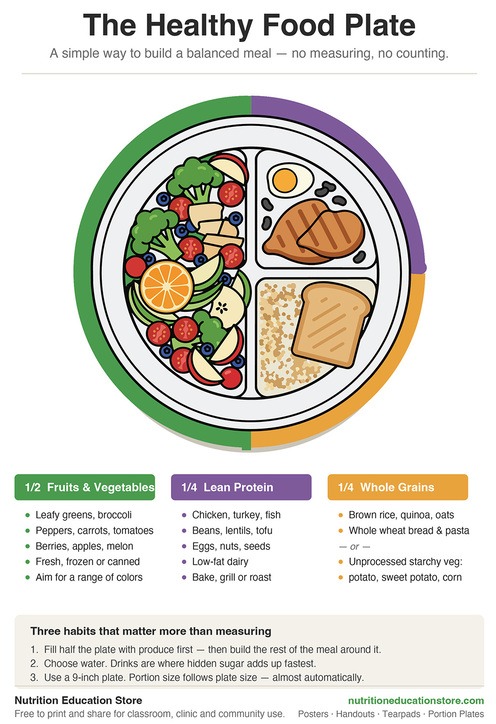
When you cook, measure the sauce that goes into the recipe and divide it by the portions actually eaten. Broth, packaged seasonings and other ingredients add their own sodium.
What if most of the marinade stays in the bowl?The sodium in the marinade isn't all the sodium you eat. Some sauce stays in the container or gets discarded, and how much the food keeps depends on preparation. Without knowing what was eaten, any exact percentage is a guess.
Can you use less soy sauce without losing the flavor?
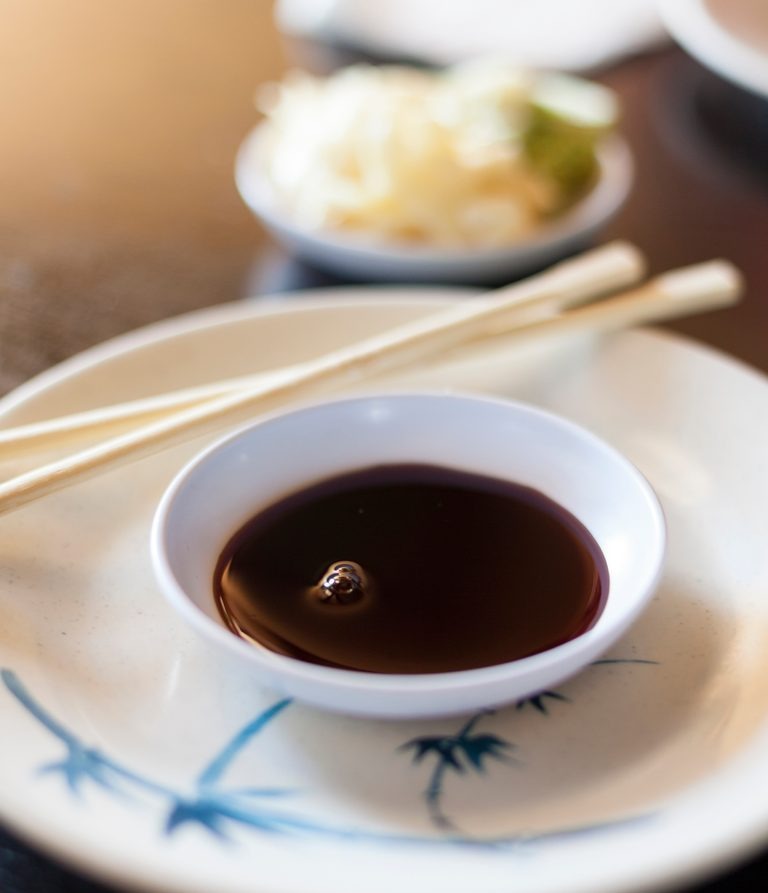
Soy sauce adds savory depth as well as salt; using less lowers the sodium but changes the balance that made the dish good.
A cook working with ground beef, mushrooms and cream ran into exactly that problem:
Hi!
I have an easy recipe that someone passed to me long time ago, but it always turns out way too salty and I don't know how to fix it without changing the whole taste.
The recipe is simply cooking Ground beef, mushroom and leaks with Soy Sauce and Heavy Cream. Not salt added. The taste is really good, but the balance between cream and soy sauce is really hard (for me) and it always turns out too salty. Putting way less soy sauce ends up removing the soy sauce taste completely.
Is there some ingredients to add that makes balancing easier?
Or is it just the soy sauces I buy that are not very good quality? I have to admit I don't know enough and always end up choosing randomly at the supermarket.
For a dish like this, start with a smaller measured amount of soy sauce, let it cook, and taste near serving time before adding more. That keeps the final intensity in your hands.
A less-sodium soy sauce can keep a recognizable soy flavor with less sodium. How much you save depends on the product.
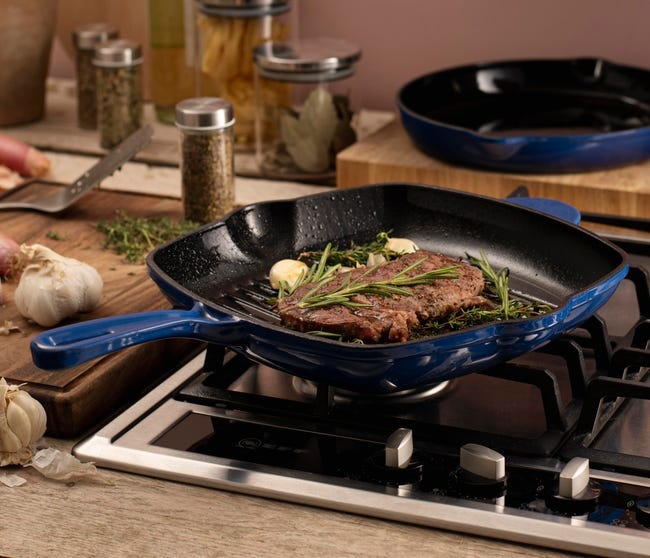
Adding water dilutes the sauce, but simmering it away leaves the sodium behind. Sugar or lemon juice can change how salty a dish tastes without removing any sodium. Aromatics or acidity can make up for some of the missing flavor. If you add another prepared sauce, check its sodium and allergens too.
Is tamari gluten-free, and what if you have a soy allergy?
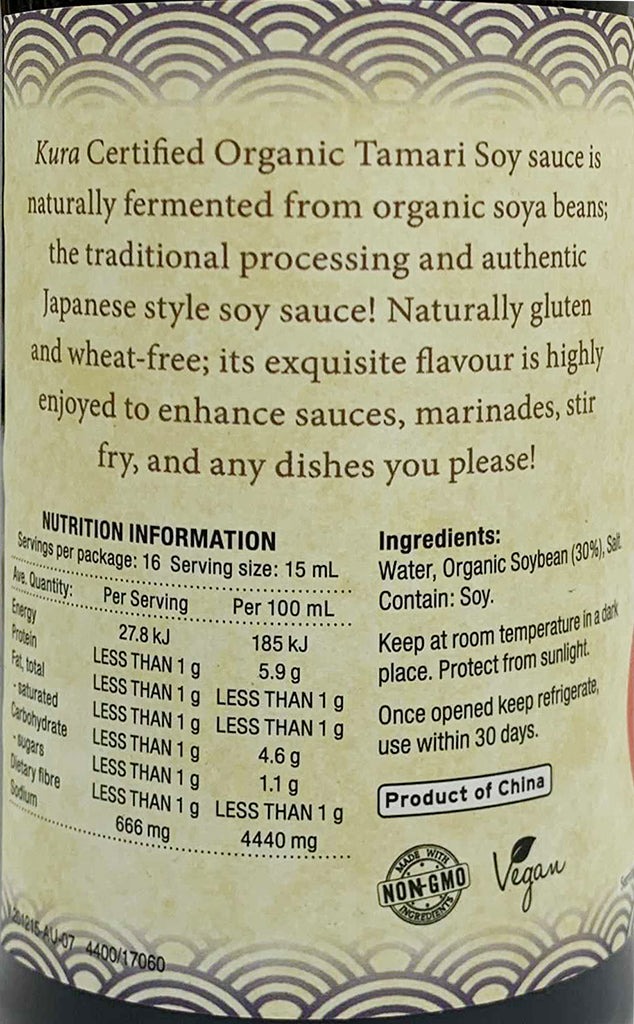
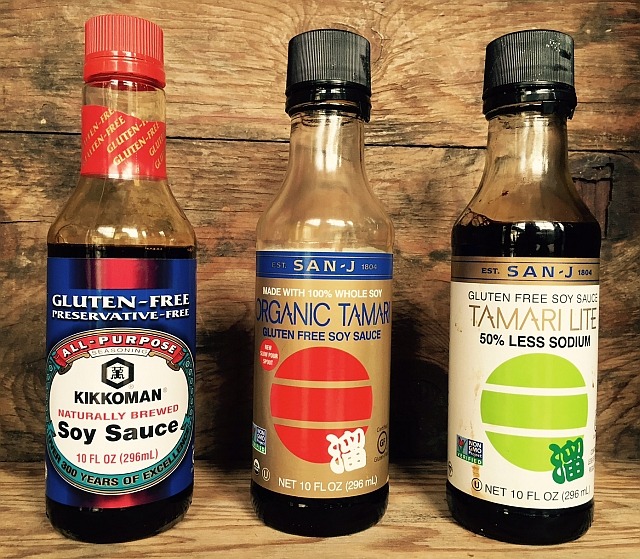
Tamari isn't automatically gluten-free. The name describes a type of soy sauce, and the specific product and its label decide whether it meets a gluten restriction.
Kikkoman Tamari Soy Sauce lists wheat among its ingredients. Kikkoman Gluten-Free Tamari Soy Sauce carries a gluten-free designation and contains soy.
Conventional soy sauce is usually made from soybeans and wheat. Fermentation alone doesn't settle whether a wheat-based product meets US gluten-free labeling rules. The FDA's gluten-free labeling guidance explains the conditions for these claims.
- Gluten avoidance: Buy a bottle with a gluten-free designation, and check the ingredients and any certification.
- Wheat allergy: Check the ingredients for wheat, plus the allergen and cross-contact information.
- Soy allergy: Check for soy specifically. Gluten-free tamari still contains it.
Celiac disease, wheat allergy and soy allergy are different medical conditions. If you need strict avoidance, also watch for cross-contact during food preparation.
What if soy sauce is used in a restaurant marinade?Check the sauces used in preparing the food too, including marinades you can't see on the plate. If you're avoiding gluten or a major allergen, ask what sauce was used and how the food was prepared and handled.
Do fermentation, MSG or processing make soy sauce healthy or harmful?
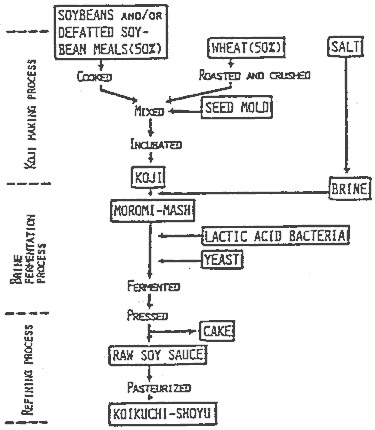
Fermentation helps create soy sauce's flavor. Research on possible antioxidant, immune or digestive effects hasn't established clinically meaningful benefits from ordinary condiment portions. Production methods vary and include traditional fermentation and processes using acid-hydrolyzed proteins.
MSG and umami
Glutamate gives food the savory taste called umami. The FDA considers added monosodium glutamate (MSG) generally recognized as safe. Glutamate and gluten are different substances with different dietary implications.
The FDA acknowledges reports of symptoms attributed to MSG, but controlled studies haven't consistently reproduced them.
Processing contaminants and fermented-food compounds
The FDA identifies a 1 part-per-million guidance level for 3-monochloropropane-1,2-diol (3-MCPD) in certain acid-hydrolyzed vegetable proteins and Asian-style sauces. It covers specified categories, so judging the concentration in a particular product takes product-specific evidence.
Histamine and tyramine levels vary among fermented seasonings. A study of 292 Korean fermented-seasoning samples looked at that variability but set no universal exposure figure for US soy sauce consumers.
What human studies show
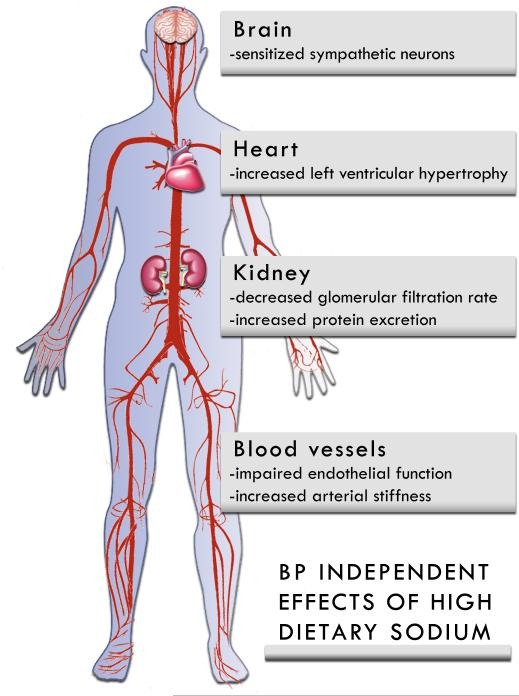
A systematic review published in September 2026 analyzed 23 randomized trials with 4,110 participants. It estimated an average 3.66 mmHg reduction in home systolic blood pressure with sodium-reduction interventions (95% confidence interval: −4.86 to −2.45 mmHg). The trials tested broader dietary sodium reduction, so that effect applies to those interventions.
In a smaller Japanese trial, 64 participants used lower-sodium soy sauce and miso, or standard versions of both, for six weeks. Researchers found no significant overall blood-pressure difference, though a diastolic difference was reported among participants aged 40 or older. Because soy sauce and miso were changed together, the effect of soy sauce alone can't be isolated.
When does a health condition or medication change the answer?
The general answer changes in three cases:
- Prescribed sodium limit: An individualized medical limit takes precedence over the FDA's general labeling reference.
- MAOI use: If you take a monoamine oxidase inhibitor (MAOI), fermented foods including soy sauce call for specific tyramine-related precautions, as described in clinical MAOI guidance. Medication-specific instructions should come from your clinician or pharmacist.
- Wheat or soy restriction: Use the ingredient checks in the tamari section above.