Are Takis Bad for You? A Nutrition-Label Breakdown
Takis can be an occasional snack if your stomach handles them. Frequent large portions, digestive symptoms or an ingredient restriction change that. The sodium is substantial even in a small serving, while the protein is limited. The formulation of your US bag matters, so read its nutrition and ingredient labels to decide how much, if any, to have.
What is in a serving of Takis?
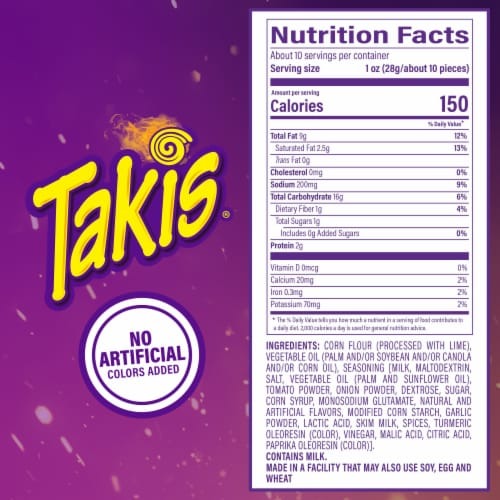
Takis are rolled tortilla snacks with a strongly seasoned coating. Their appeal is the combination of crunch, heat, and tang. Nutritionally, they pack calories, fat and sodium into a small serving, with little protein. For a sodium comparison with a pantry staple, see the soy-sauce sodium breakdown.
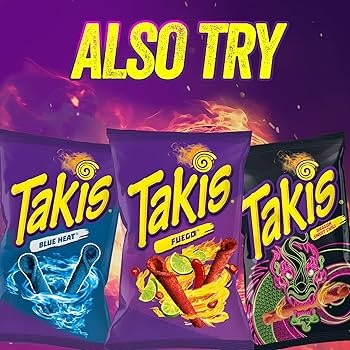
Takis is a product line, so Fuego, Blue Heat and other varieties can have different formulations.
An archived US listing for a Takis tortilla-chip mix gives these Fuego figures:
| Nutrient | Amount per 28 g |
|---|---|
| Calories | 140 |
| Total fat | 8 g |
| Saturated fat | 2 g |
| Carbohydrates | 16 g |
| Protein | 2 g |
| Sodium | 420 mg |
Sources don't agree on sodium. Healthline lists 390 mg per 28 g, Greatist lists 410 mg, and the archived example above has 420 mg.
Serving size is the quantity behind every value on the Nutrition Facts panel; servings per container tells you how many portions the package holds. Calories measure energy, and sodium and saturated fat flag specific dietary concerns.
One ounce versus a whole bag: what the sodium math means
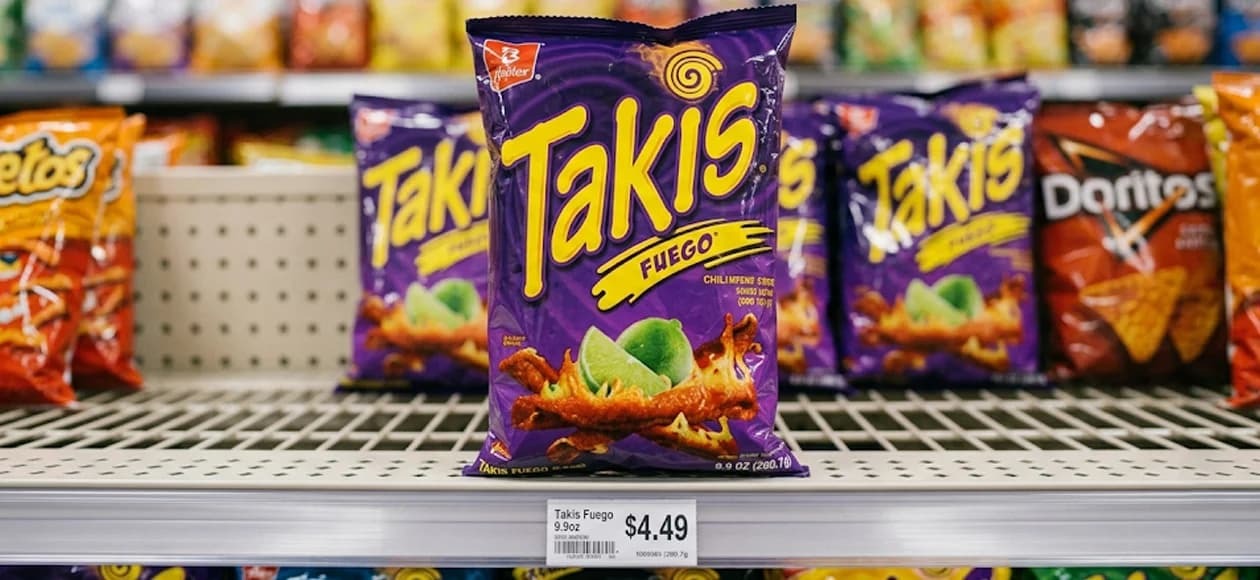
Several servings add up fast. A package with multiple servings can deliver several times the calories and sodium shown in the per-serving column.
The FDA's Daily Value for sodium is 2,300 mg. Under its percentage Daily Value guidance, 5% DV or less per serving is low and 20% DV or more is high.
One 28-g serving of the 420-mg example supplies about 18% of the adult sodium Daily Value.
| Amount eaten | Weight | Sodium | Calories | Adult sodium DV |
|---|---|---|---|---|
| 1 serving | 28 g | 420 mg | 140 | 18% |
| 3 servings | 84 g | 1,260 mg | 420 | 55% |
| 4 servings | 112 g | 1,680 mg | 560 | 73% |
Three servings supply more than half the adult sodium Daily Value. That's the snack alone, before anything else you eat that day.

To work out your own amount, multiply the number of servings you ate by the sodium or calories listed per serving. If you know the weight you ate, divide it by the label's serving weight. Eating 84 g from a package that lists nutrients per 28 g means multiplying each value by three.
Under FDA labeling rules, serving size reflects a quantity commonly consumed. For a whole bag, use the printed net weight and servings per container.
Why spicy Takis can upset some stomachs

Spicy Takis can cause heartburn or stomach discomfort for some people, especially when spicy or high-fat foods trigger their symptoms.
The National Institute of Diabetes and Digestive and Kidney Diseases (NIDDK) lists spicy, acidic and high-fat foods among possible triggers for people with gastroesophageal reflux disease (GERD). Triggers differ from person to person.
Chili research shows the same split. In a randomized crossover study of 20 people with diarrhea-predominant irritable bowel syndrome and 38 healthy controls, the IBS group reported more abdominal pain and burning after chili exposure. The study used chili-containing meals, not Takis.
One Takis fan described the change:
I used to be able to crush a 200g bag with no issues, but now it’s a one-way ticket to a stomach ache. Even if I take a two-week break, the second I finish a bag, the pain is back. It’s honestly horrible because I freaking love Takis so much. Is this happening to anyone else?
If Takis keep making you feel bad, skip them.
If symptoms keep coming back, see a healthcare professional.
Red 40, food dyes and TBHQ: what changed in 2026?
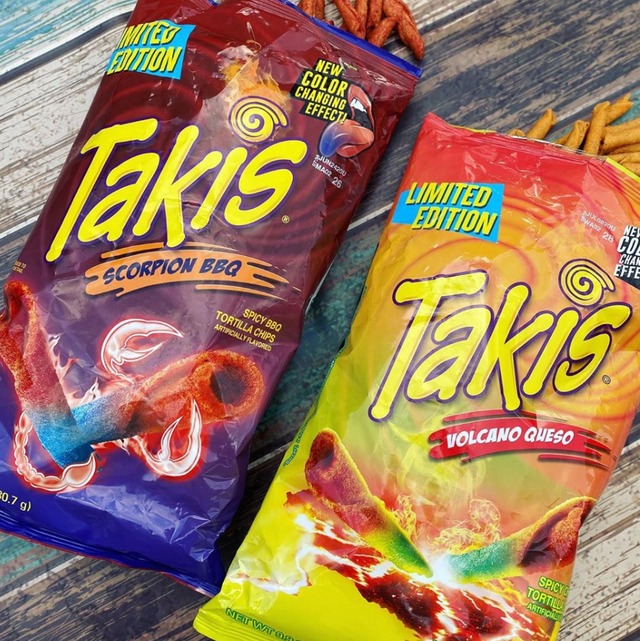
On June 25, 2026, Takis announced a phased change to its US recipes. The company said it was removing artificial colors and the preservative TBHQ across its portfolio, including Fuego and Blue Heat, with completion expected by the end of 2026.
The rollout covers products and retail stock, so you may find older and reformulated packages side by side. The end-of-2026 deadline is the company's own expectation.
According to the Takis manufacturer announcement, updated US packaging would use the wording "No Artificial Colors Added."
That wording is a specific ingredient claim. In February 2026, the FDA announced an approach to voluntary "no artificial colors" claims for foods without petroleum-derived color additives; coloring from other permitted sources may remain. FDA actions on Red No. 3 and the rules for Red No. 40 are separate matters.

The June 25 announcement also named Pix, Xtreme Lime and Jalapeño as newer Takis products developed without artificial colors from launch.
When comparing packages, look for the reformulation badge.
Do Takis cause stomach ulcers?
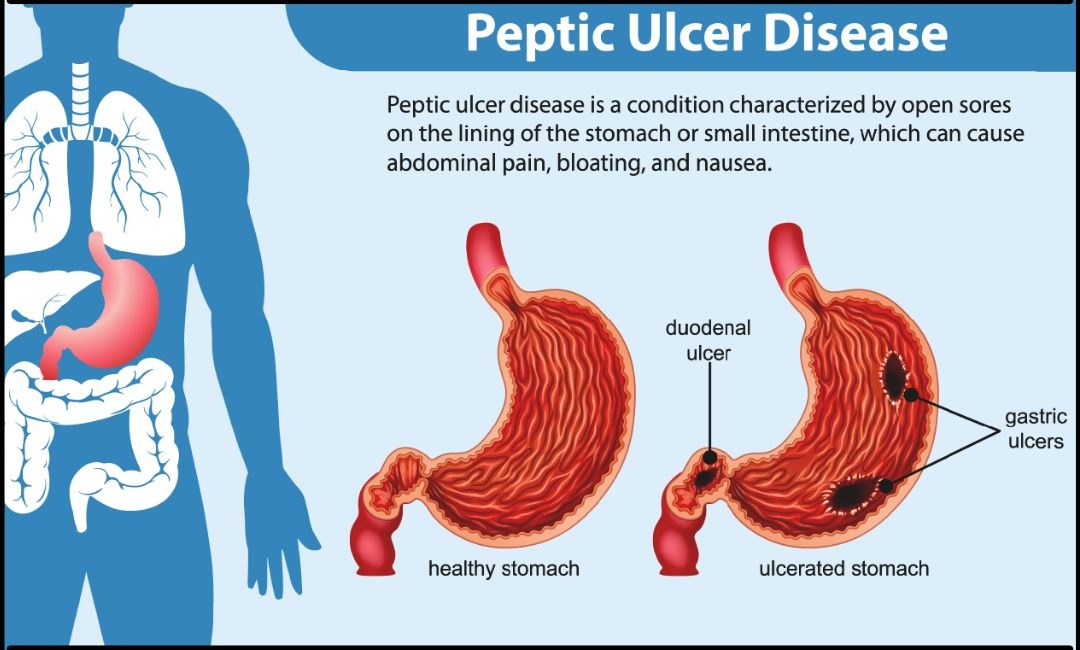
Burning or pain after Takis doesn't mean the chips gave you a peptic ulcer.
NIDDK names infection with Helicobacter pylori (H. pylori) and use of nonsteroidal anti-inflammatory drugs (NSAIDs), including some common pain relievers, as the most common causes of peptic ulcers.
Get medical attention promptly for black or tarry stools, bloody stools, blood in vomit, severe or persistent sharp abdominal pain, dizziness or fainting. These signs need assessment whatever you ate recently, as NIDDK's ulcer guidance explains.
Gluten, allergies and children: who needs a closer check?
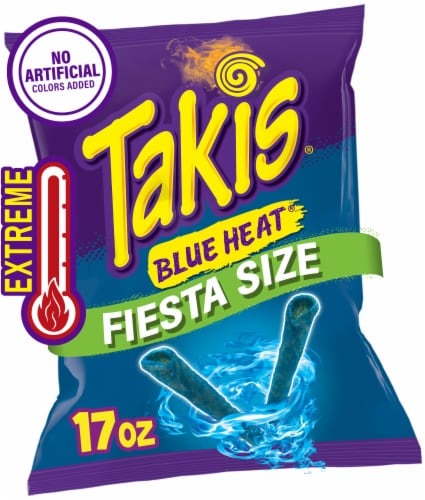
Takis formulas differ across flavors and package versions, so ingredient restrictions need a closer look.
The FDA recognizes nine major food allergens, including wheat and soybeans, and requires labeling when they're used as ingredients. Ingredients and precautionary facility statements can still differ between products.
A wheat allergy, celiac disease and other gluten-related intolerance carry different medical implications. If you manage one of them, read the ingredient list and allergen information on the exact package before eating or sharing it. A facility warning is not the same as an ingredient declaration.
Children's recommended daily sodium limits vary by age, so judge the snack against the limit for their age. CDC guidance gives these figures:
| Age | Daily sodium reference |
|---|---|
| 1 to 3 years | Under 1,200 mg |
| 4 to 8 years | Under 1,500 mg |
| 9 to 13 years | Under 1,800 mg |
| 14 years and older | Under 2,300 mg |
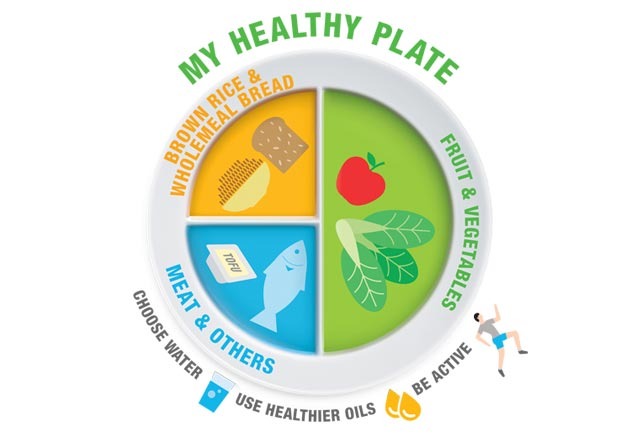
Weigh the snack's sodium against the child's other meals and dietary restrictions.
Is eating Takis every day different from having them occasionally?
Frequent large servings add more sodium and calories than an occasional small portion. Excess sodium across the diet is associated with high blood pressure and cardiovascular concerns.
Regularly reaching for nutrient-light snacks also leaves less room for more nourishing foods. Research on ultra-processed foods reports associations between higher overall intake and adverse health outcomes.
What counts is how often you eat Takis, how much, and what else is in your diet.
If you want the sour, salty crunch, what changes the choice?
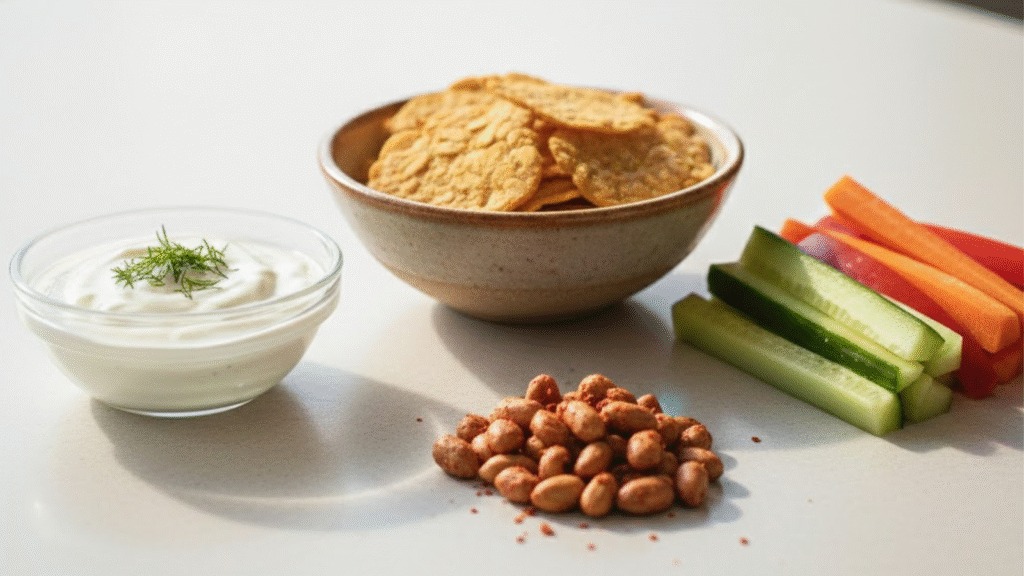
A substitute has to satisfy what you like about Takis. Sometimes that's the crunch. Sometimes it's the sharp mix of sourness, spice and salt. A healthier swap disappoints if it misses the craving you actually have.
One person described that problem in a discussion about evening snacking:
ok so this is kinda embarrassing but every night i end up snacking on something unhealthy
like it’s ALWAYS something intense… takis, hot cheetos, sour patch kids, doritos, sometimes just a whole bag of chips for no reason
i think it’s bc i crave that sour/spicy/salty kinda hit?? like regular “healthy snacks” just do nothing for me i’ve tried stuff like nuts, fruits, yogurt etc but it just doesn’t hit the same and i end up going back to junk anyway
does anyone have something that’s actually healthy but still gives that strong flavor?? preferably sour or spicy or both lol
| What you want | Option to consider | Trade-off |
|---|---|---|
| Mostly crunch | A crunchy, lightly seasoned snack | Compare sodium and serving size |
| Sour or tangy flavor | Fruit or vegetables with a tangy preparation | Acidic ingredients can aggravate symptoms for some people |
| Heat and seasoning | A differently seasoned crunchy snack | Check sodium, ingredients and how you tolerate it |
| The exact Takis experience | A deliberately smaller portion of Takis | Portion size sets the total nutrients you eat |
Your realistic portion decides which option has less sodium.