
Does Red Wine Vinegar Go Bad? When to Keep It or Toss It
Properly stored commercial red wine vinegar stays usable well beyond its best-by date. Cloudiness and sediment, by themselves, are normal changes; contamination or altered contents are reasons to discard the bottle. For cooking, judge the bottle's condition and the flavor. For shelf-stable canning, use the vinegar type and labeled acidity a tested recipe requires, commonly 5%, and replace anything of uncertain strength.
Keep it, strain it, replace it, or toss it?
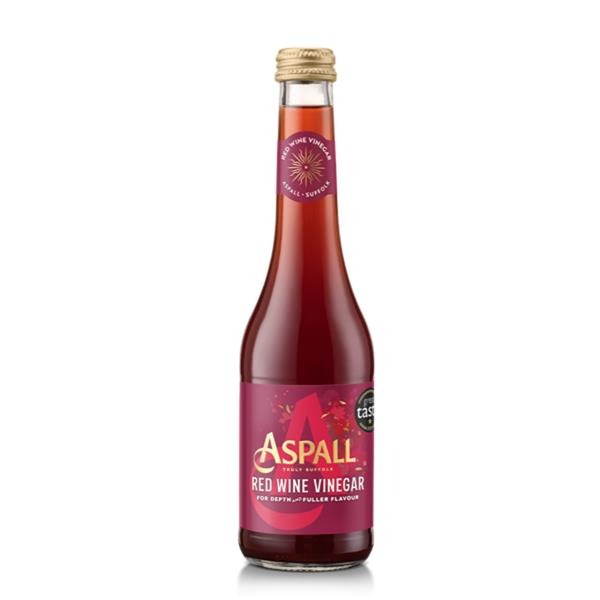
An old bottle of red wine vinegar is still sitting in your cupboard. The date has passed; the color has shifted, or sediment has settled at the bottom. Start by confirming that the bottle contains plain commercial vinegar and the container is intact.
Commercial vinegar is acidic enough to stay stable; a bottle that was watered down, contaminated or mixed with other ingredients is a different case.
| What you find | For ordinary cooking | For shelf-stable canning |
|---|---|---|
| Old commercial vinegar in an intact, closed bottle | Fine if it tastes good | Recipe and acidity rules still apply |
| Slight cloudiness or settled particles in an intact commercial bottle | Usable if nothing else looks off | Use fresh, clear vinegar of the type and strength the recipe specifies |
| Faded color or weaker flavor | Replace it if flavor matters to the dish | Use vinegar of known quality |
| Bottle left open for a long time, or possibly topped up with water | Replace it | Do not use |
| Fuzzy unidentified growth, foreign material or an obviously contaminated container | Discard | Do not use |
| Homemade vinegar, infused vinegar or prepared dressing | Follow guidance for that product | Do not substitute |
How long does red wine vinegar last, and what does the date mean?
Plain commercial red wine vinegar lasts a very long time because of its acidity. Iowa State University Extension describes vinegar's shelf life as almost indefinite when properly stored.
That describes stability. Flavor, color and appearance can change long before the vinegar becomes unusable. For sodium and brine in the finished pickles, see the pickle nutrition guide.
| Term or timeframe | What it describes | How to read it |
|---|---|---|
| Best-by date | Expected peak flavor and appearance | Treat it as a quality marker |
| 2 to 3 years | Best-quality window for non-white vinegars, from purchase | Quality may decline after it |
The FDA's consumer food-waste guidance explains that "Best if Used By" dates generally relate to product quality. With the exception of infant formula, federal law generally does not require quality date labels on packaged foods.
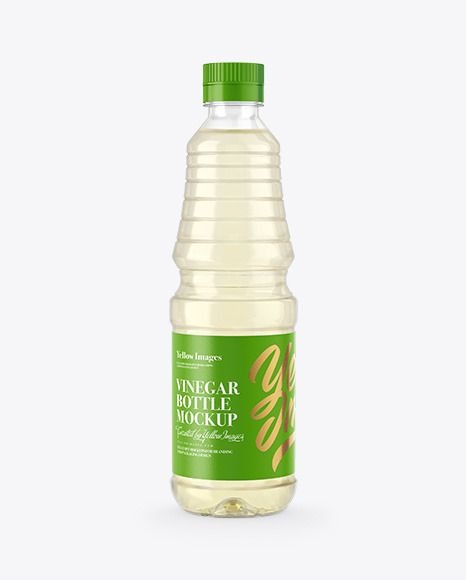
Vinegar carries much of the flavor in a salad dressing, so replace an old bottle that tastes flat.
Why is my vinegar cloudy or full of floating stuff?

A little cloudiness, a deposit at the bottom or a change in color is part of normal vinegar aging. Wine vinegars develop visible particles as they sit. The particles settle or stay suspended as haze, and some bottles grow a mother of vinegar.
The mother is a gelatinous film or mass of the acetic acid bacteria involved in making vinegar. It can form after exposure to air, and in a bottle that used to be clear it looks alarming.
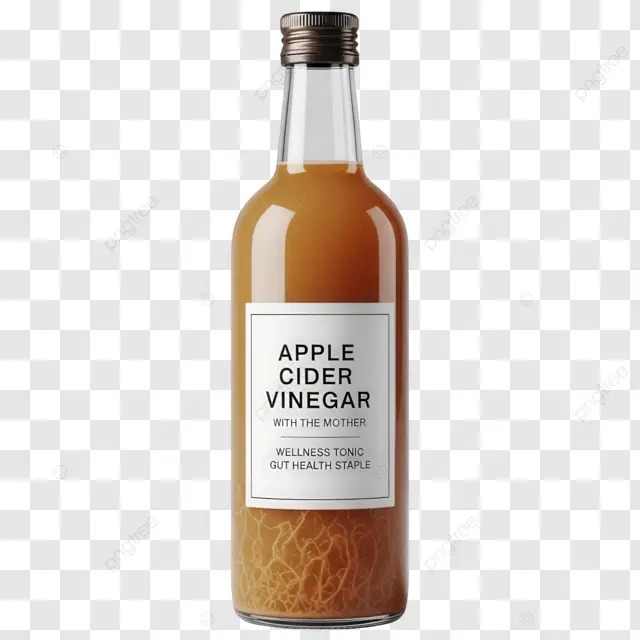
When filtering helps
If a commercial bottle has familiar settled sediment or a known vinegar mother, a coffee filter removes the particles and clears the liquid.
Filtering cannot fix a bad bottle. If you see fuzzy or unfamiliar growth, or the bottle was contaminated, throw it out without tasting it.
How should you store red wine vinegar after opening?
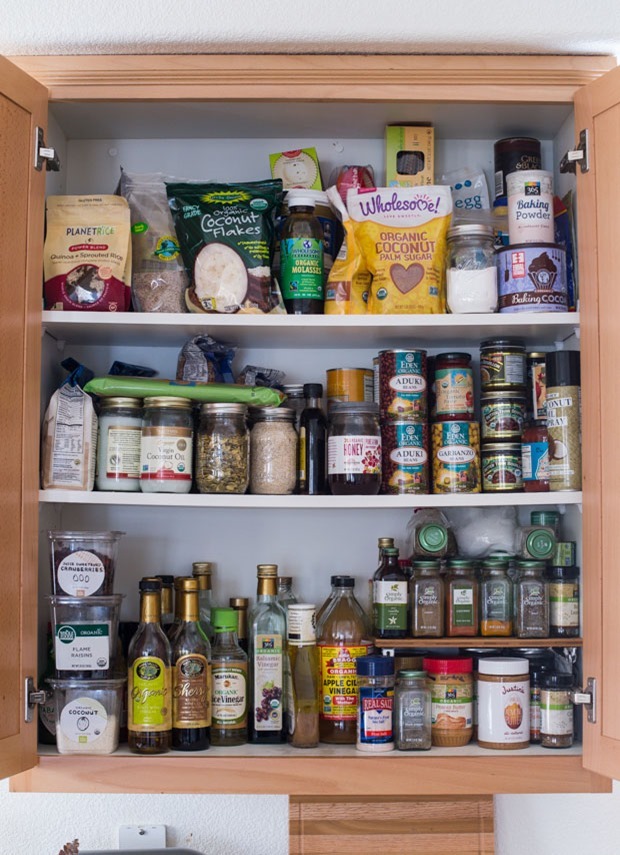
An opened bottle of plain commercial red wine vinegar does not need refrigeration. A cool, dark cupboard works well as long as the bottle stays closed and protected from contamination.
- Close the cap securely after pouring. Less air and outside material keeps quality up.
- Keep it away from direct sunlight and heat. A cupboard away from a sunny window or stove beats an exposed shelf.
- Use a clean, food-safe container. The original bottle is the simplest choice, since decanting adds another container and handling step.
- Keep water out. Topping up a bottle or letting moisture in changes its concentration and leaves its strength in doubt.
Can you use old red wine vinegar for pickling or canning?
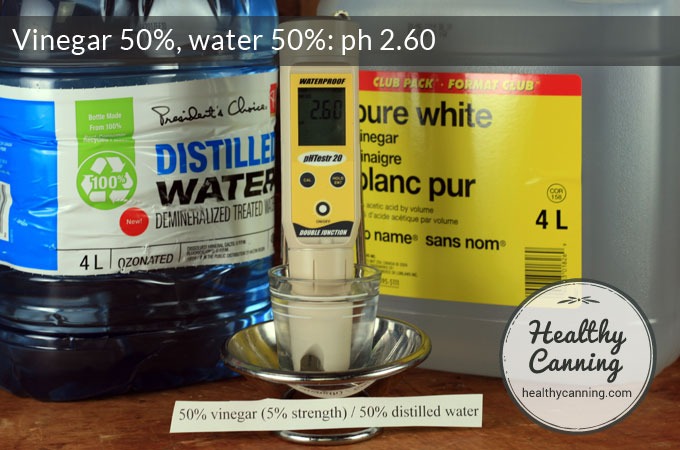
Shelf-stable home canning demands more precision than ordinary cooking. A tested preserving recipe relies on vinegar for acidity, so the correct strength and ingredient proportions matter.
The FDA's March 1995 vinegar-labeling policy describes vinegar containing at least 4 grams of acetic acid per 100 mL. A tested preservation recipe calling for 5% acidity still requires 5% vinegar.
Penn State Extension's home-preservation guidance specifies commercially prepared, pasteurized vinegar labeled 5% acidity, also expressed as 50 grain, for home preservation. It also warns against homemade or unknown-acidity vinegar for this purpose.
The National Center for Home Food Preservation stresses tested recipes and the prescribed proportions of vinegar, water and food. Its general pickling guidance commonly specifies 5% white distilled or cider vinegar.
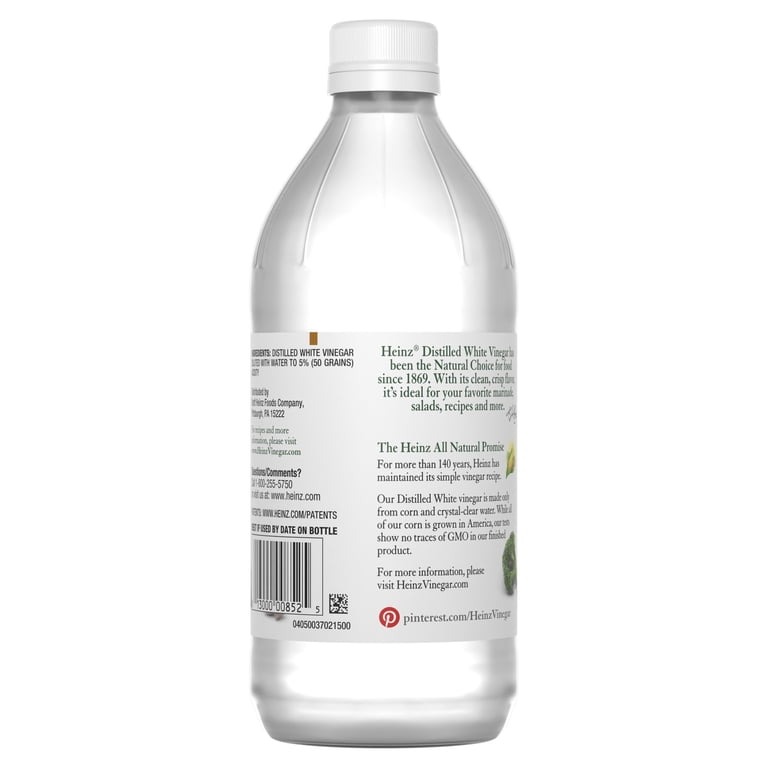
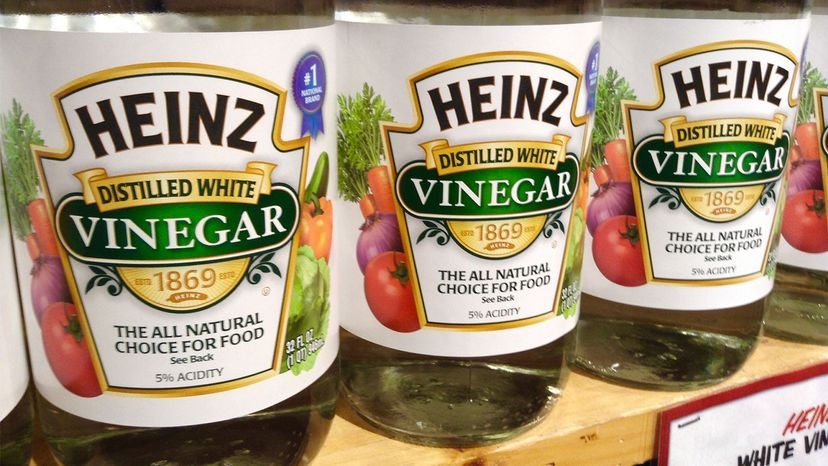
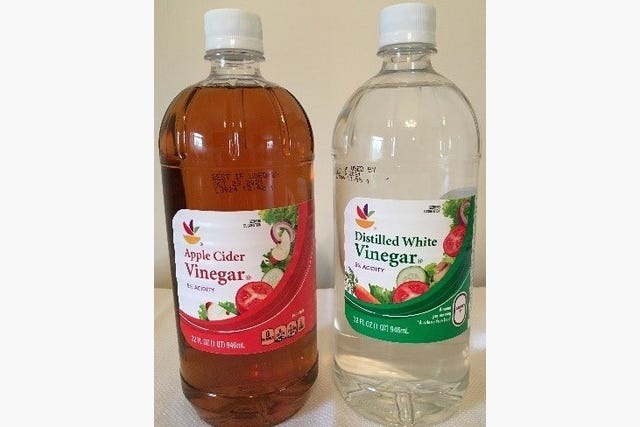
When a tested recipe specifies white or cider vinegar, do not substitute red wine vinegar just because both bottles say 5%.
| Bottle or ingredient | Recipe requires 5% acidity | Decision |
|---|---|---|
| Commercial vinegar labeled 5%, of the type the recipe specifies | Meets the strength and type requirements | Follow the recipe exactly |
| Commercial vinegar labeled 4% | Below the required acidity | Do not substitute |
| Commercial vinegar labeled 5%, but a different type | Strength matches, type differs | Do not substitute |
| Homemade, diluted or unknown-strength vinegar | Acidity is unverified | Do not use for shelf-stable canning |
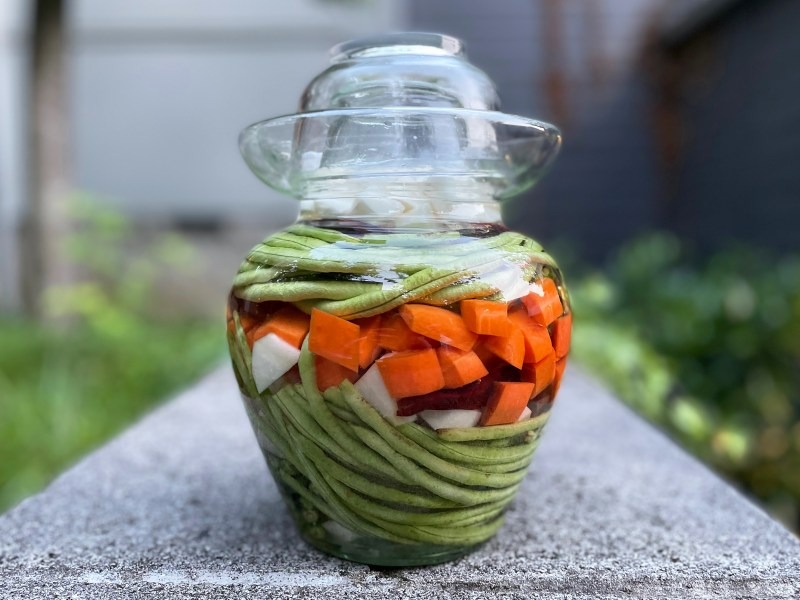
An older bottle that is intact and correctly labeled still works for a tested recipe. If you don't know how it was stored, buy a fresh, clear commercial bottle.
When the usual shelf-life rule does not apply
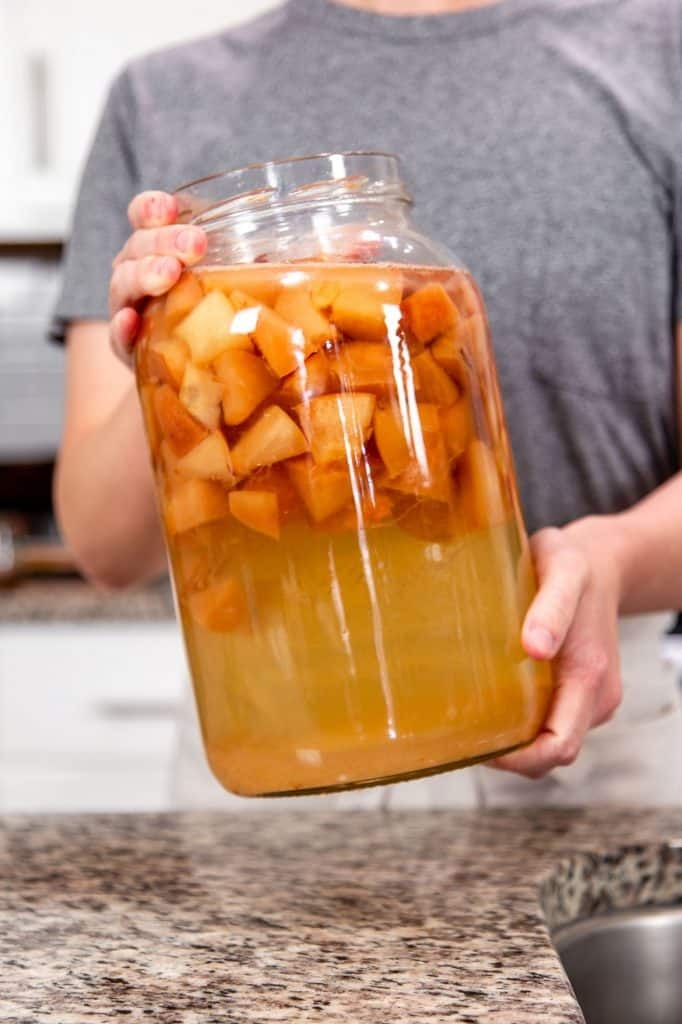
Homemade vinegar, infused preparations and premixed dressings need guidance specific to each product. A 2021 Molecules study reported storage-related chemical changes and mold in some spontaneously fermented homemade Polish white-grape vinegars. Those results do not establish commercial red wine vinegar's shelf life.