
Whole Grains and Grain Foods: How to Choose, Compare, and Use Them
Choose a grain or grain-based food that suits your meal and dietary needs, then use its ingredients to determine whether it contains whole grains. A brown loaf or a “multigrain” name gives you limited information about its composition. If avoiding gluten is medically necessary, the finished product's labeling and cross-contact considerations can change your choice. Use the specific grain guide that matches your remaining question.
What counts as a whole grain—and what doesn't?
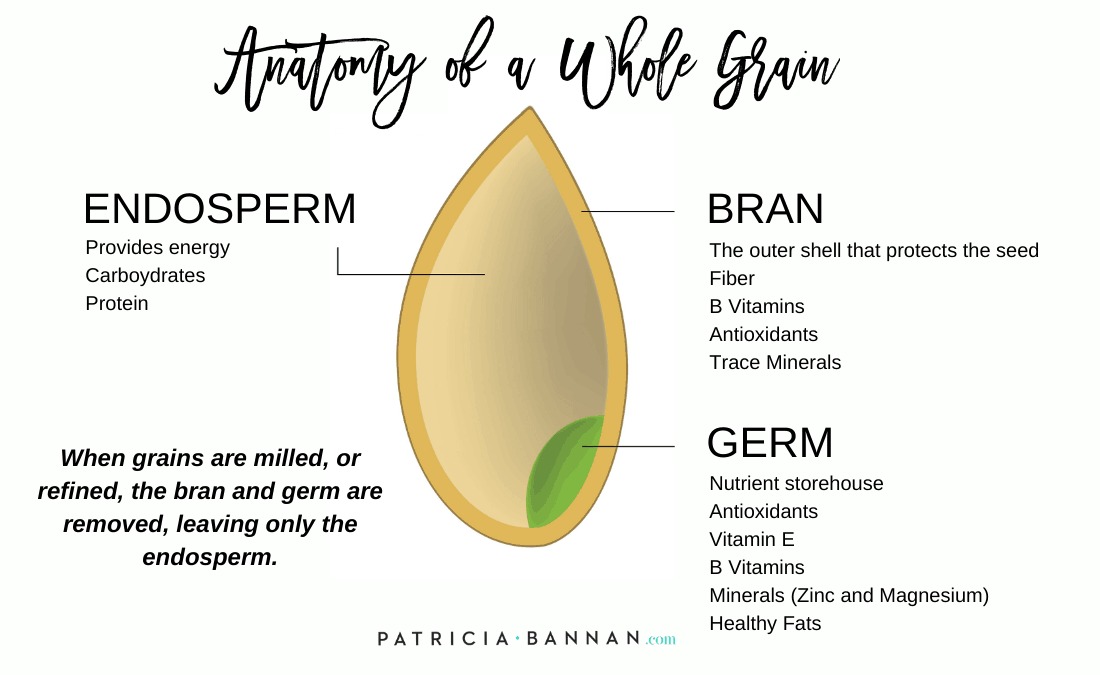
A whole grain retains the bran, germ and endosperm in the proportions found in the original kernel. Refining removes some of these components, while enrichment adds particular nutrients to a refined ingredient. Processing determines the grain's classification even when two foods look alike.
| Grain or food | What it means | Why it matters |
|---|---|---|
| Whole-grain kernel | Bran, germ and endosperm are retained in their characteristic proportions | Identifies the underlying whole-grain ingredient |
| Hulled barley | The outer inedible hull is removed while the grain can retain its whole-grain components | Can qualify as whole grain |
| Pearled barley | Additional processing generally removes parts of the grain | Usually classified as refined |
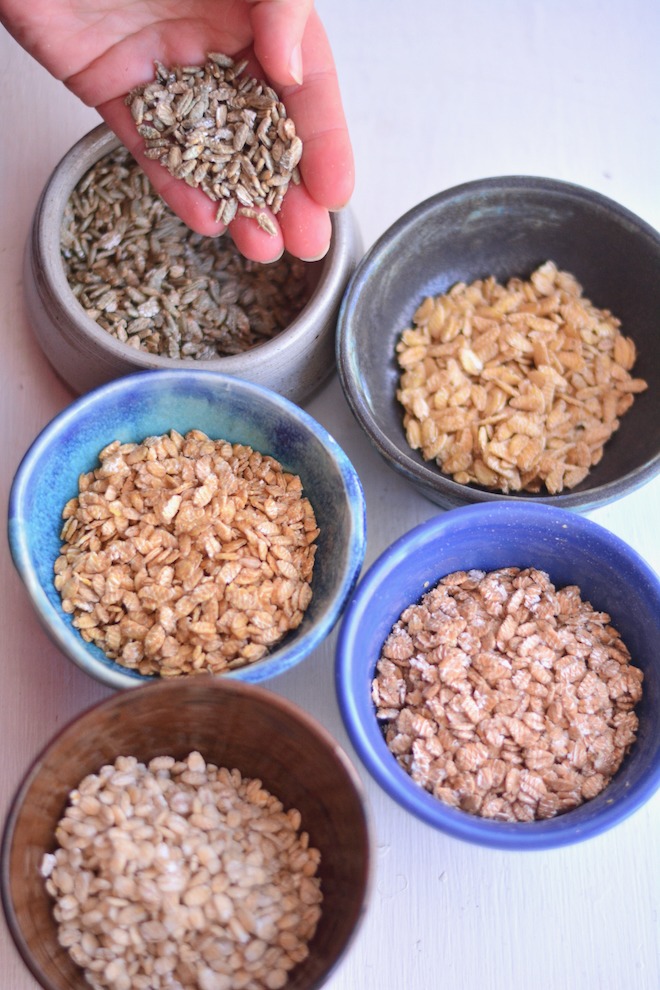
| Rolled or quick oats | The grain's shape or preparation form has changed | Can still qualify as whole grain |
| Durum wheat | A wheat variety commonly used to make semolina | The wheat name alone does not establish whole-grain content |
| Semolina | A milled wheat product, commonly made from durum | Ordinary semolina and explicitly whole-grain durum ingredients need distinct identification |
| Quinoa | A pseudocereal used in grain-like dishes | Fits a culinary grain comparison while remaining botanically distinct |
| Cornbread or naan | Prepared foods made with grain ingredients | The flour blend and recipe determine their composition |
The FDA addresses these classifications in nonbinding draft guidance on whole-grain label statements.
Couscous is generally made from wheat semolina. Baked beans are legumes.
How to read US grain labels without being fooled by “multigrain”
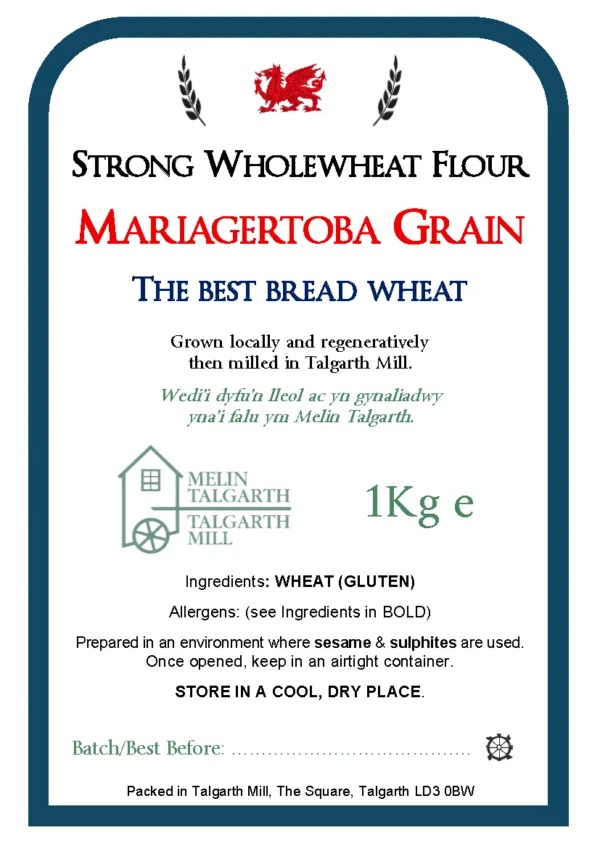
The ingredient list identifies which grains are used in a packaged bread, cereal or flour product. A label that says “multigrain” refers to several grain types; the ingredients reveal which of them are whole. The flour names offer the most direct distinction: “whole wheat flour” identifies a whole-grain ingredient, while “enriched wheat flour” identifies refined flour with added nutrients.
| Package cue | What it tells you | What to examine next |
|---|---|---|
| Brown appearance | The product has a particular color | Actual grain ingredients |
| “Multigrain” | More than one grain type is used | Whether those grains are identified as whole |
| “Enriched wheat flour” | An enriched refined wheat ingredient is present | The remaining ingredients and their order |
| “Whole wheat flour” | A whole-grain wheat ingredient is present | Its place in the complete formulation |
| High dietary fiber | The product contributes fiber | Whole-grain identity through ingredient information |
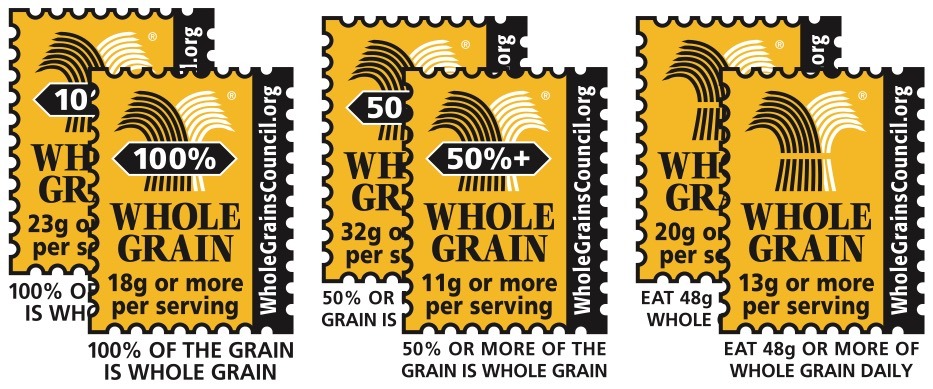
| Whole Grain Stamp | A voluntary indication of whole-grain content under the stamp program | The stamp details and actual ingredients |
Compare two illustrative ingredient-list openings: “Enriched wheat flour, water” and “Whole wheat flour, water.” The second identifies whole wheat immediately; the first identifies an enriched refined ingredient. Any additional grains appear elsewhere in the product's full ingredient list. When several whole-grain ingredients are listed separately, their combined share cannot reliably be calculated from ingredient order alone.
The Whole Grains Council's ingredient-identification guide explains label cues and voluntary Whole Grain Stamps. A missing stamp does not establish that a product contains no whole grains.
The FDA's Nutrition Facts label guidance defines 5% Daily Value as low and 20% as high for a listed nutrient. On the label, %DV expresses how much one serving contributes toward the Daily Value for the named nutrient, including dietary fiber.
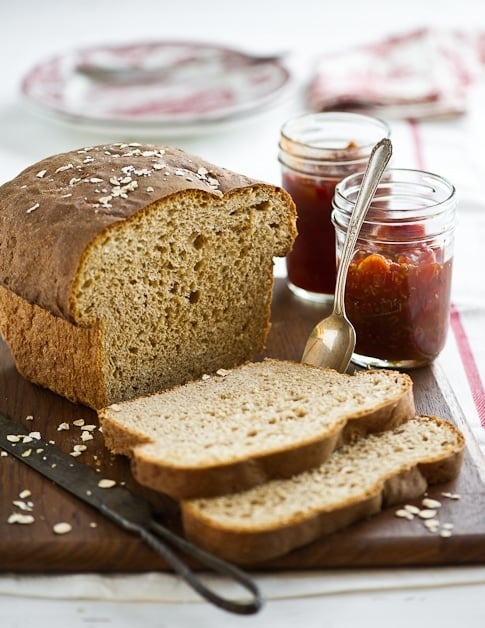
A shopper described discovering that a brown “multigrain” loaf did not match what they had assumed about its ingredients:
Yep, I was fooled! My bread was brown, not white. Multigrain also sounds better. It even kinda seems like it should be healthier than "100% Whole Wheat" because that's a single grain -- multigrain must be better, right? I'm a pigeon. They took my money because I trusted a word meant more than it means. It means less than I thought. Multigrain is a weaselly word that looks impressive. "Big hat, no cattle," as they say in Texas. As long as more than one kind of grain is used, they can use the word multigrain. It may have almost all one kind of grain in it, with a sprinkle of a few other grains. Importantly, and I didn't know this, it may have no whole grains in it. Despite looking exactly like a whole-grain bread, sitting next to the whole-grain bread, it's not at all whole grain.
- Read the front label as a description. Identify claims such as “multigrain,” “whole wheat” or “high fiber.”
- Inspect the grain ingredients. Look for the specific whole-grain terms, compare them with any refined or enriched grain ingredients, and consider their order in the list.
- Interpret the Nutrition Facts panel separately. Use the stated serving size and nutrient values for nutritional comparison.
Fiber contributes to the Nutrition Facts comparison. The Whole Grains Council cautions that fiber content alone is an unreliable measure of how much whole grain a product contains.
Which grain fits the meal you're actually making?
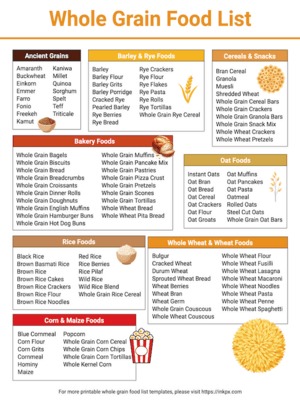
Start with the meal. A warm breakfast, a substantial side dish and a homemade flatbread call for different food forms, textures and preparation methods. Cooking time and available ingredients can settle a choice before you compare detailed nutrition profiles.
| Meal or purpose | Category to consider | What matters for the choice |
|---|---|---|
| Warm breakfast or porridge | Oat products | Rolled or quick form, texture and preparation method |
| Hearty cooked side | Barley | Hulled or pearled form, expected texture and cooking method |
| Vegetarian grain dish or bowl | Quinoa or another grain-like staple | Available vegetables and other ingredients, flavor and recipe format |
| Bread or flatbread meal | Naan, cornbread or another finished bread | Flour ingredients, formulation and serving context |
| Flour or pasta preparation | Durum or semolina ingredients | Milling form, recipe requirements and desired result |
| Exploring unfamiliar grains | Buckwheat, farro, teff or other available options | Flavor preference, preparation method and acceptable texture |
For one cup of dry grain, the Whole Grains Council's illustrative stovetop chart gives approximate simmering times after bringing the grain and water to a boil: quinoa takes 12 to 15 minutes, steel-cut oats about 30 minutes, and hulled barley 45 to 60 minutes. Variety, age and equipment can affect the timing. The oats figure applies to steel-cut oats; the meal table also lists rolled and quick oats.
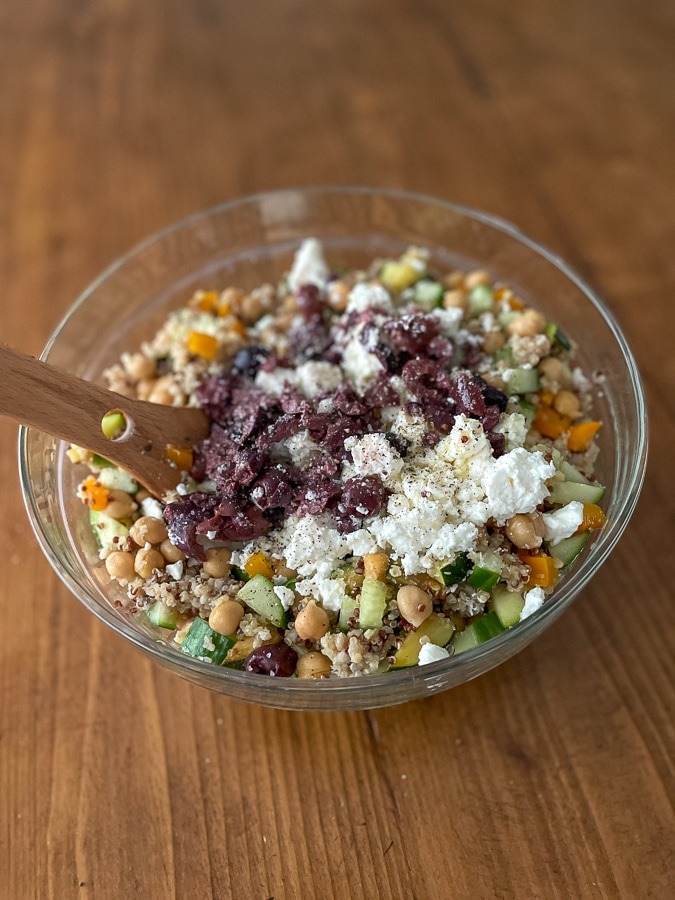
One reader looking for vegetarian quinoa dishes described a constraint that recipe lists rarely communicate in a food name:
So I've been asked to eat more quinoa for health reasons, and most of the recipes I can find are salads, which don't work for me. (Nothing against them, I just live somewhere where finding salad-quality raw veg is a dodgy proposition). So options for vegetarian non-salad quinoa recepies would be fantastic. Any cuisine is fine.
A quinoa pilaf offers one non-salad preparation without depending on salad-quality raw vegetables. If quinoa and couscous both work in the dish, their ingredients and preparation deserve a direct comparison.
What changes when you cook grains—or swap them into bread?
Cooking changes the weight and texture of grain foods.
A dry grain absorbs water during cooking. A nutrition entry for 100 grams of dry grain therefore has a different weight basis from an entry for 100 grams cooked. USDA FoodData Central identifies foods by their description and preparation state; using a cooked entry for a weighed dry ingredient would mismatch the reference amount.
For cooking, the processing form matters as much as the name of the grain. Instructions for a specific product account for the form being sold, while general grain charts provide approximate directions and yields.
Bread introduces further variables. A recipe designed around a particular flour blend has been formulated for that blend and preparation process. Substituting a differently milled or processed flour can produce a different texture.
A home baker described the difficulty of getting the result they expected:
Hi all, I have been baking desserts for a while and wanted to get into bread baking. Recently started baking loaves and decided to start with a whole wheat one since that fit our dietary needs. No matter what I do, my bread is turning out to be dense and crumbly. When I slice into it, I don’t get a clean slice and it feels dense.
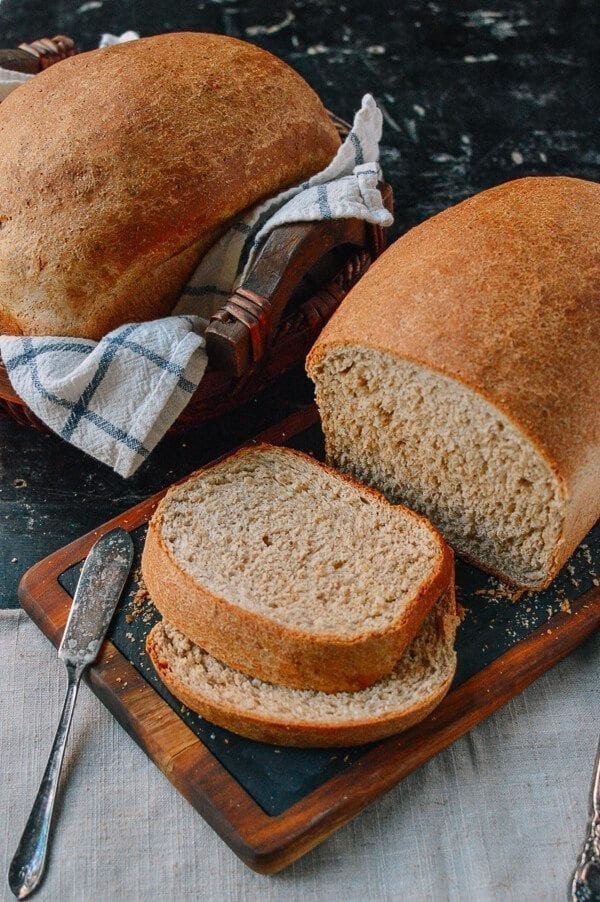
The post supplies no controlled comparison that would identify a single cause of the crumbling. For a flour substitution, note the flour type and milling form, then use a method formulated for that ingredient. For cooked grains, establish whether the recipe specifies dry or cooked quantities before adjusting a portion.
Gluten and grain labels: the constraint that can change your choice
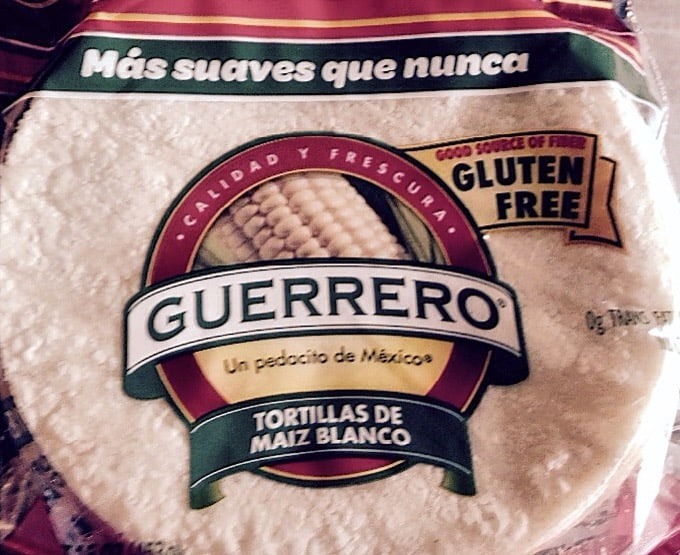
Wheat, barley and rye contain gluten; oats can be exposed through cross-contact during processing. The FDA's US gluten-free labeling rule sets ingredient conditions and a limit of less than 20 parts per million of unavoidable gluten for foods bearing the regulated claim; this is a labeling standard, not an individual's safe-dose threshold. “Wheat-free” packaging and naturally gluten-free crops still require attention to the finished food's other ingredients and processing. When gluten avoidance is medically necessary, check the finished product's claim and ingredient suitability, using individual clinical guidance when the person's condition requires it.
Find the right guide for your grain or bread
| Grain or food | Guide topic | What the detailed guide should resolve |
|---|---|---|
| Barley | Barley Nutrition: Pearled vs. Hulled and Cooked Portions | Processing differences, nutrient information and serving conditions |
| Oats | Oat Nutrition: Calories, Protein, Fiber, and Raw vs. Cooked Portions | Food-state comparisons, preparation and nutrient composition |
| Durum semolina | What Is Durum Semolina? How It Differs From Whole Wheat | Wheat terminology, milling and whole-grain classification |
| Quinoa and couscous | Couscous vs. Quinoa: Nutrition, Preparation, and Key Differences | Direct comparison of these two grain-like foods |
| Cornbread | Is Cornbread Healthy? Nutrition, Ingredients, and Portions | Recipe composition, portions and cornbread-specific nutrition |
| Naan | Is Naan Bread Healthy? Nutrition, Portions, and Alternatives | Flatbread ingredients, portions and relevant alternatives |
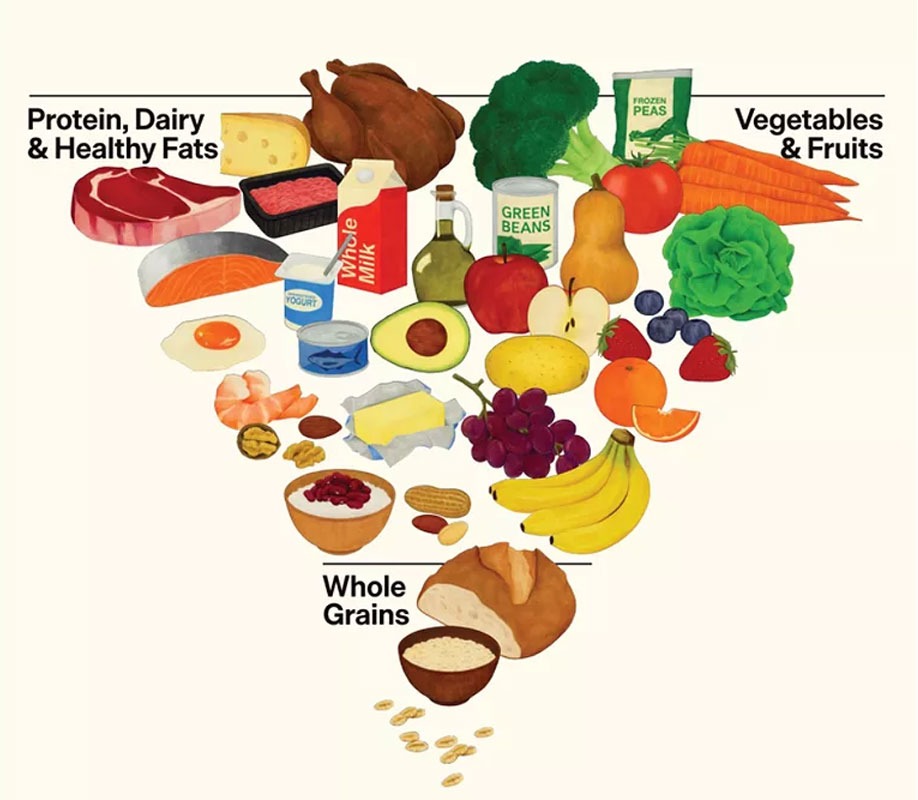
For a home cook or grocery shopper, choose a grain food that fits the meal and dietary constraints, with whole-grain status confirmed through its ingredients. A medically necessary gluten-free restriction can change which finished foods qualify. Use the specific grain or bread guide for the remaining question.
Explore this topic
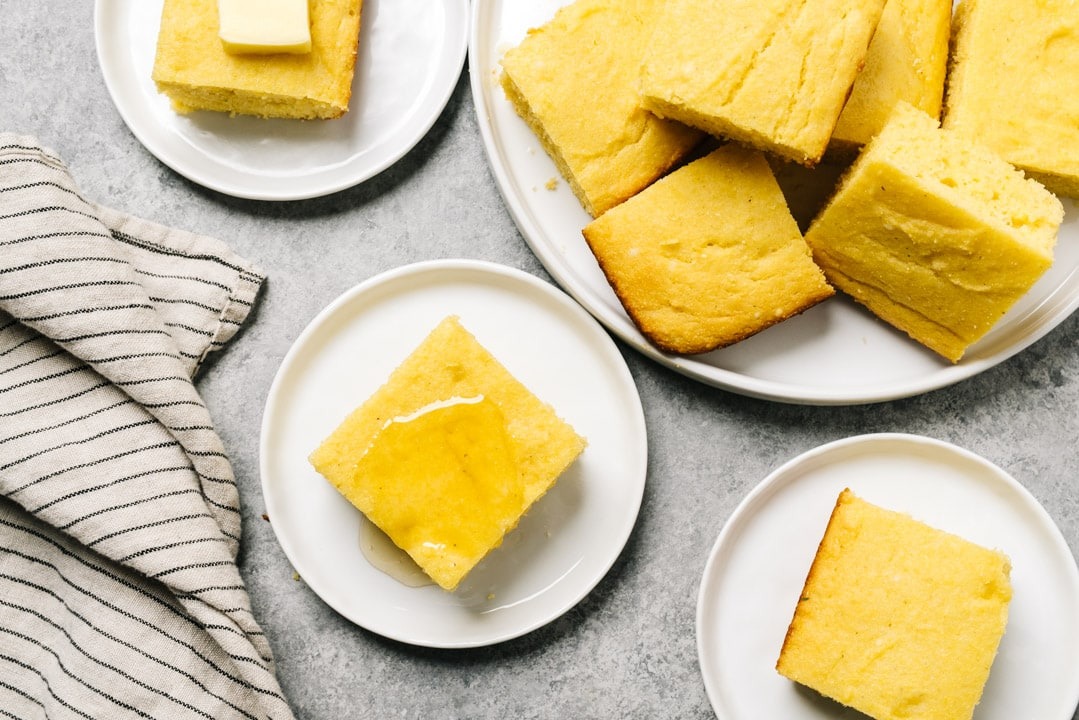
Is Cornbread Healthy? Nutrition, Ingredients, and Portions
Compare two cornbread serving examples, see what whole-grain and degerminated cornmeal mean, and use label percentages to judge your own portion.
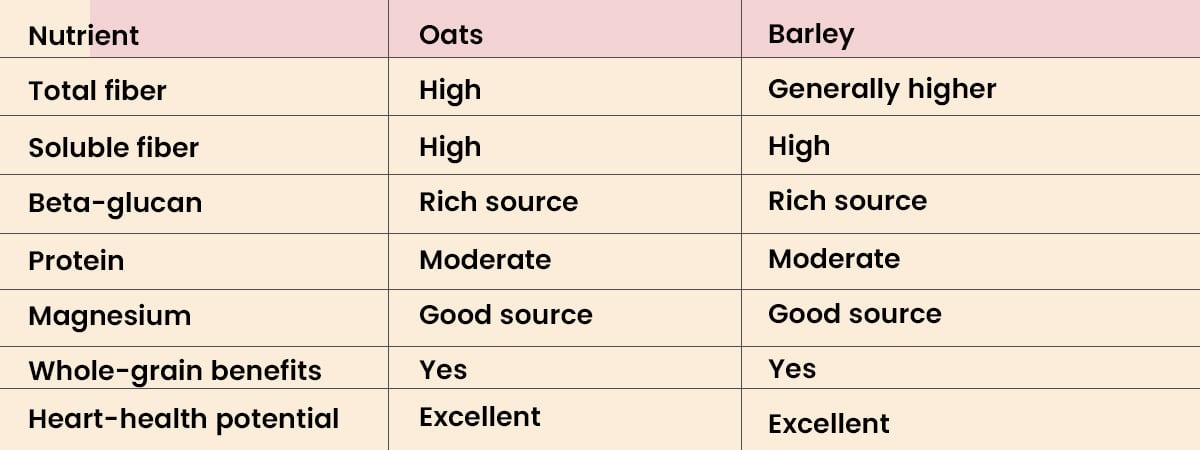
Barley Nutrition: Hulled vs. Pearled and Cooked
Compare barley calories, carbs, fiber and protein across hulled, pearled, dry and cooked grain. See a cooked-cup calculation and the gluten exception.
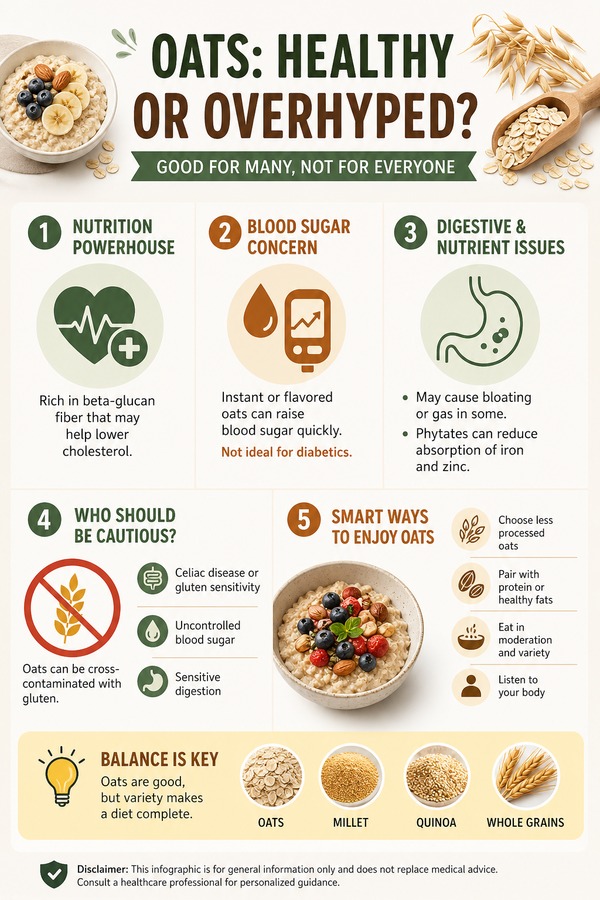
Oat Nutrition: Calories, Protein, Fiber, and What Cooking Changes
See calories, protein, fiber and carbs in 40 g of dry oats. Compare cooked oatmeal, water, milk, toppings and packet sizes using USDA nutrition data.
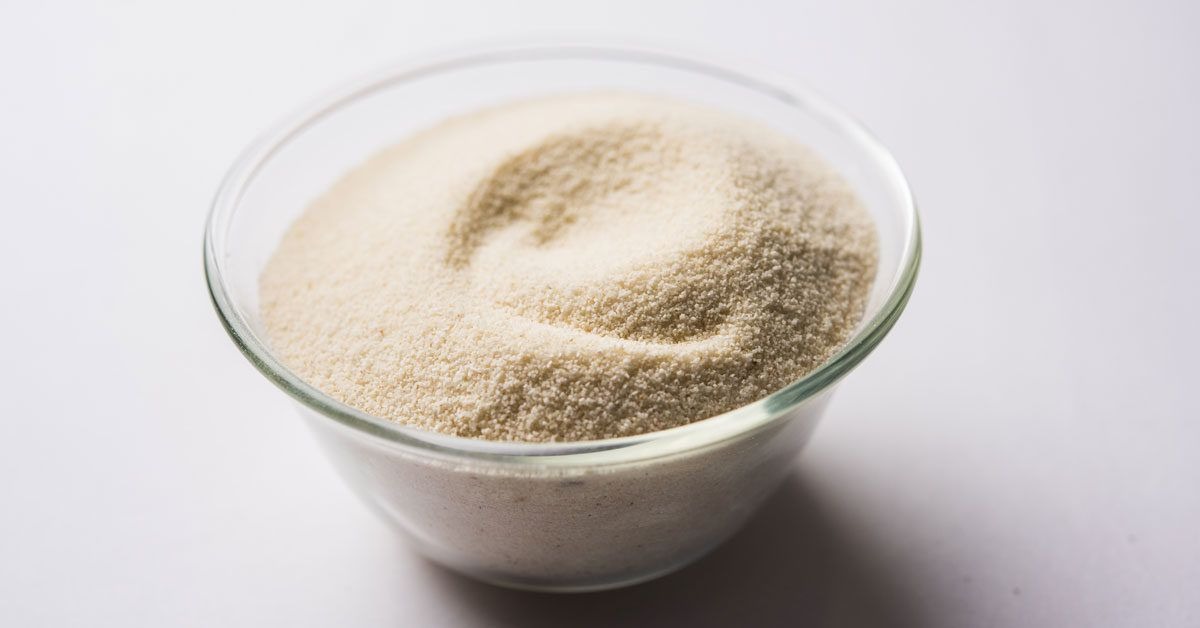
What Is Durum Semolina? How It Differs From Whole Wheat
Durum semolina comes from durum wheat, but is it whole grain? Compare U.S. ingredient labels, USDA fiber data, and flour choices for pasta and baking.
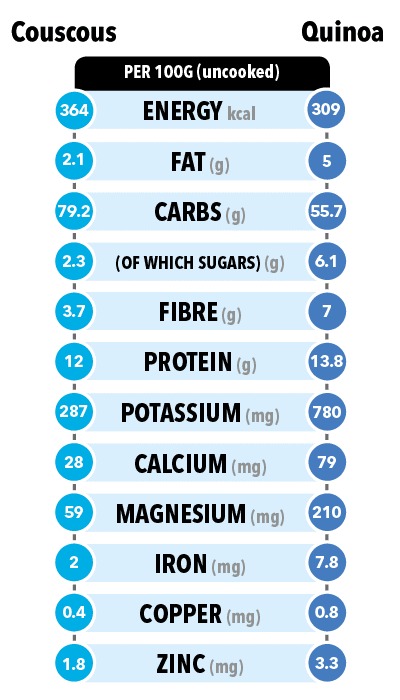
Couscous vs. Quinoa: Nutrition, Cooking, and Which to Choose
Compare cooked couscous and quinoa by fiber, protein, gluten, texture, and cooking method, then choose the right ingredient for salads, sides, or one-pot meals.
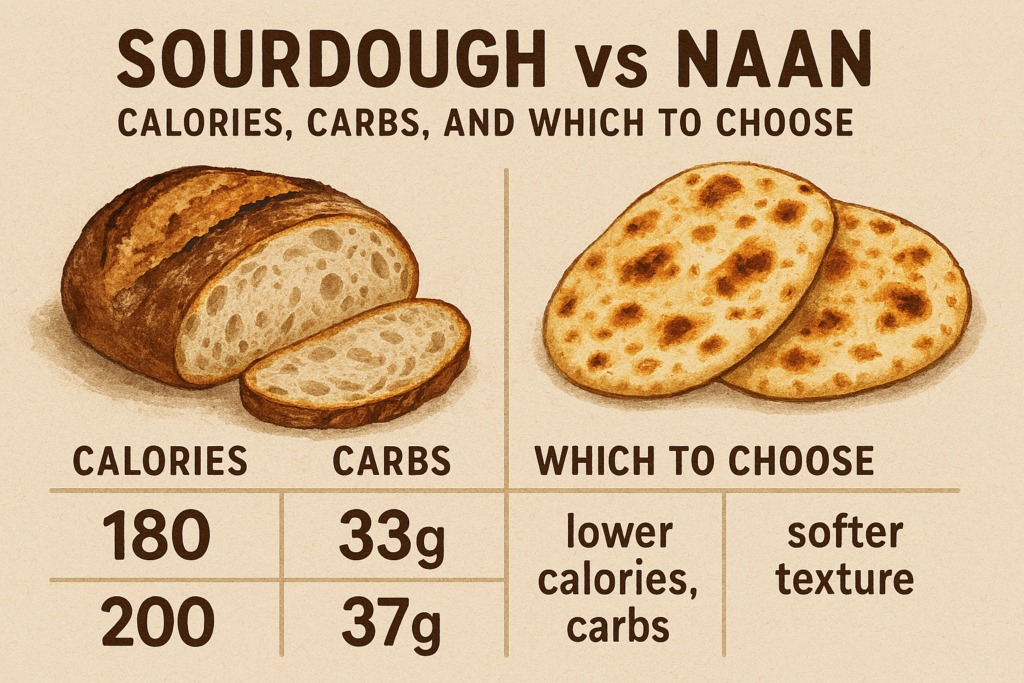
Is Naan Bread Healthy? Calories, Portions, and Better Choices
A 90 g naan reference has 262 calories, while whole pieces vary. Compare a real package label, wheat and butter options, roti, sodium, and allergens.
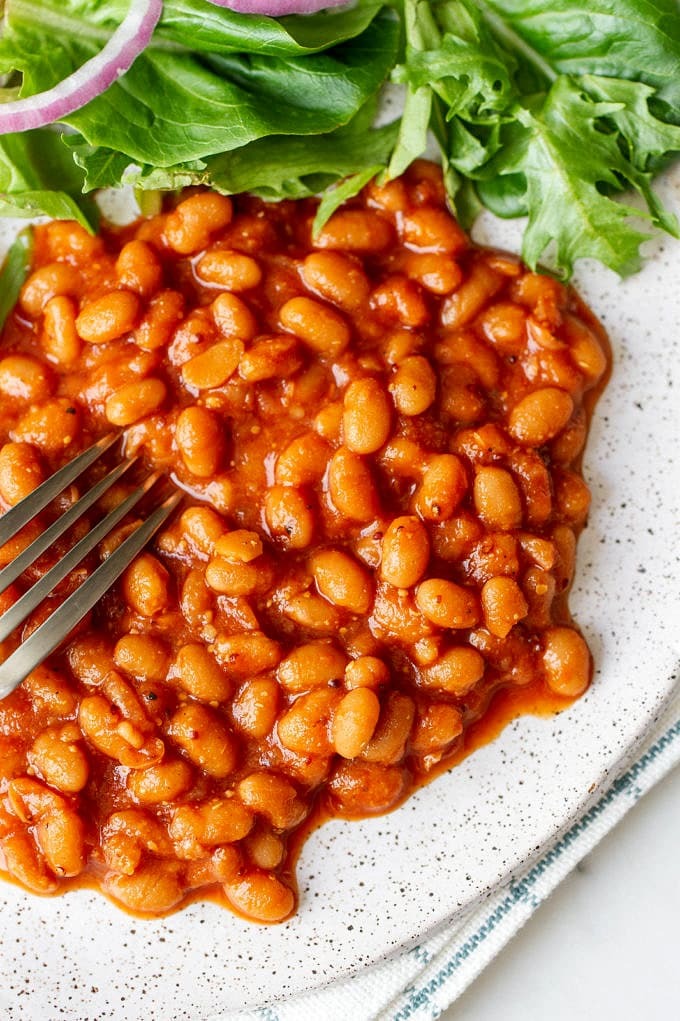
Baked Beans Calories: What’s in ½ Cup, 1 Cup, or a Whole Can?
Compare baked-bean calories for ½ cup and 1 cup, calculate a whole can, and read protein, fiber, added sugars, and sodium for matching servings.