
What Is Durum Semolina? How It Differs From Whole Wheat
Durum semolina comes from milled durum wheat, but the word semolina alone doesn't tell you that it's whole grain. A whole-grain choice has to be made from whole-grain durum with the bran and germ kept in.
What Is Durum Semolina?
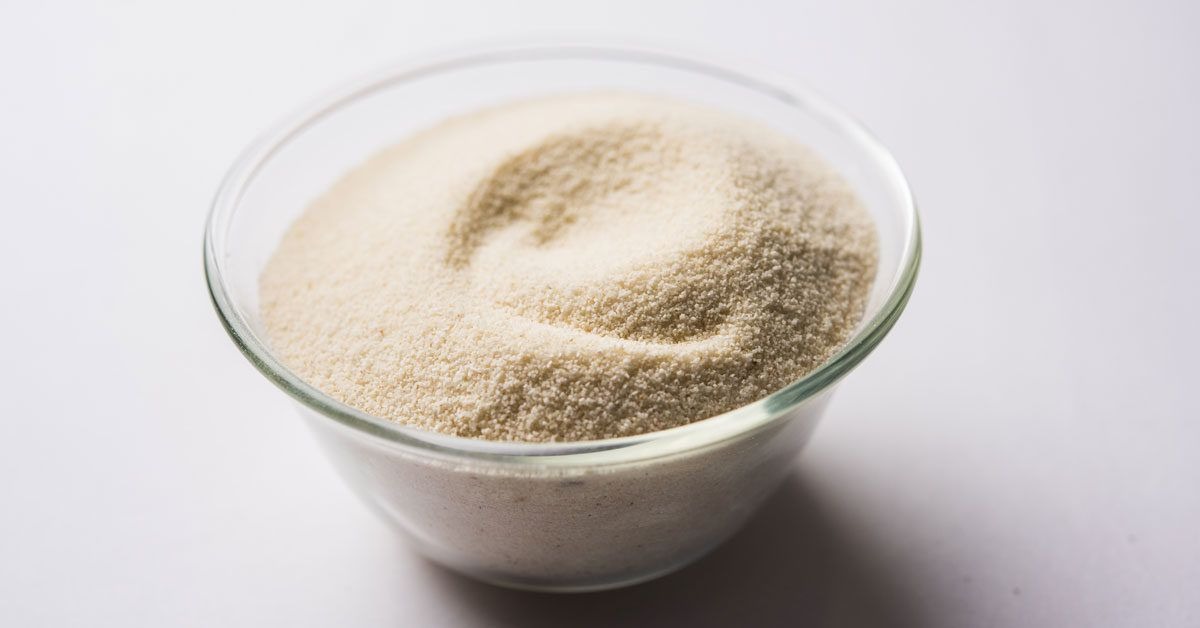
Best known for its use in pasta, durum semolina is a granular wheat product; it's milled from durum wheat, a hard wheat that suits pasta making. Semolina is often pale yellow and feels grainier than all-purpose flour.
The name identifies both the wheat (durum) and the resulting granular milled ingredient (semolina). That's why a box of dried pasta can list durum wheat semolina as a single ingredient.
In the United States, semolina has a formal definition in 21 CFR §137.320. The standard describes a product made by grinding and bolting cleaned durum wheat. Bolting is sifting: it sorts the milled material by particle size and other characteristics.
Outside US standards, people sometimes use semolina loosely for any coarsely milled grain. In this article it means durum-wheat semolina.
From Durum Wheat to Semolina: What Milling Changes
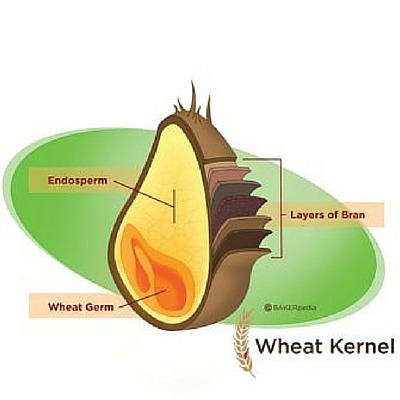
A wheat kernel has three parts: bran, the outer layer; germ, the part that grows into a new plant; and endosperm, which supplies much of the grain's starch. Milling and sifting can separate them. From the same durum wheat, a mill can produce coarse semolina or finer durum flour.
Whole-grain milling keeps all three parts in their original proportions. Particle size is a separate matter, since it only tells you how finely the grain was ground. A flour therefore has two labels: its texture and how much of the kernel it contains.
Durum vs. Whole Wheat: Two Different Things
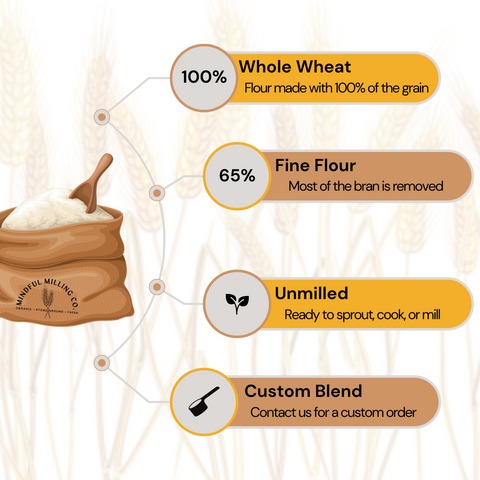
Durum is a type of wheat. Whole wheat tells you whether the bran, germ and endosperm stay together after milling. The same durum wheat can become ordinary semolina, finer durum flour or whole durum flour.
| Product | Wheat source | Milling form | Whole-grain status |
|---|---|---|---|
| Ordinary durum semolina | Durum wheat | Coarse, sifted granules | Refined under the US semolina standard |
| Durum flour | Durum wheat | Milled finer than standard semolina | Not necessarily whole grain. Check the label. |
| Whole durum flour | Durum wheat | Flour that keeps the grain's natural parts | Whole grain |
| Standard whole-wheat flour | Wheat other than durum (US standard) | Whole-grain flour | Whole grain |
US food standards treat ordinary whole-wheat flour and whole durum flour as separate products. Section 137.200 defines standard whole-wheat flour as made from wheat other than durum or red durum. Whole durum flour has its own definition in 21 CFR §137.225.
Is Durum Semolina Whole Grain? How to Read the Label
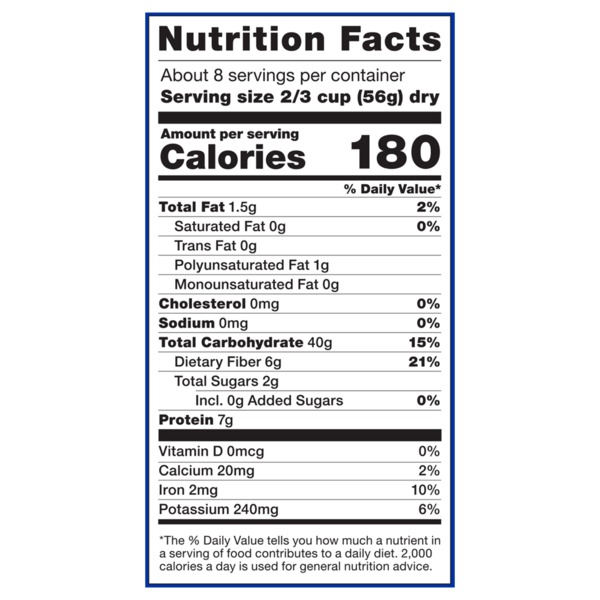
On a pasta box, durum wheat semolina names the wheat and tells you it was milled into semolina. Whole durum wheat flour means the flour keeps the grain's bran, germ and endosperm. If you're weighing semolina against couscous or quinoa, the couscous-versus-quinoa guide covers it.
One shopper on r/WholeFoodsPlantBased asked exactly this:
Hi all!
We recently purchased this pasta on offer. Was wondering if this is a whole food/grain?
Also what is 100% whole wheat semolina? Thanks in advance!
A label that says “100% durum wheat” can still mean refined semolina. The percentage tells you the wheat source. Whole-grain status depends on whether the bran and germ are still in the ingredient.
The Whole Grains Council's ingredient guidance separates ingredients that are explicitly whole grain from vaguer terms such as semolina, durum wheat, multigrain and stoneground.
Here are three example ingredient lists, simplified and not taken from specific products:
| Ingredient wording | What it tells you | What you can conclude |
|---|---|---|
| durum wheat semolina | Semolina made from durum wheat | Standard US semolina is refined. This wording doesn't mark the ingredient as whole grain. |
| whole durum wheat flour | Whole-grain durum flour | The ingredient is whole grain |
| semolina, whole wheat flour | Semolina plus whole-wheat flour | A mix with no stated whole-grain percentage |
Read the full ingredient list when you want whole-grain pasta. In a mixed product, the order shows which ingredients weigh more, but not the whole-grain share. Look for wording that names whole grain outright, such as whole durum wheat flour.
Durum Semolina vs. Whole-Wheat Flour: What the Nutrition Data Show
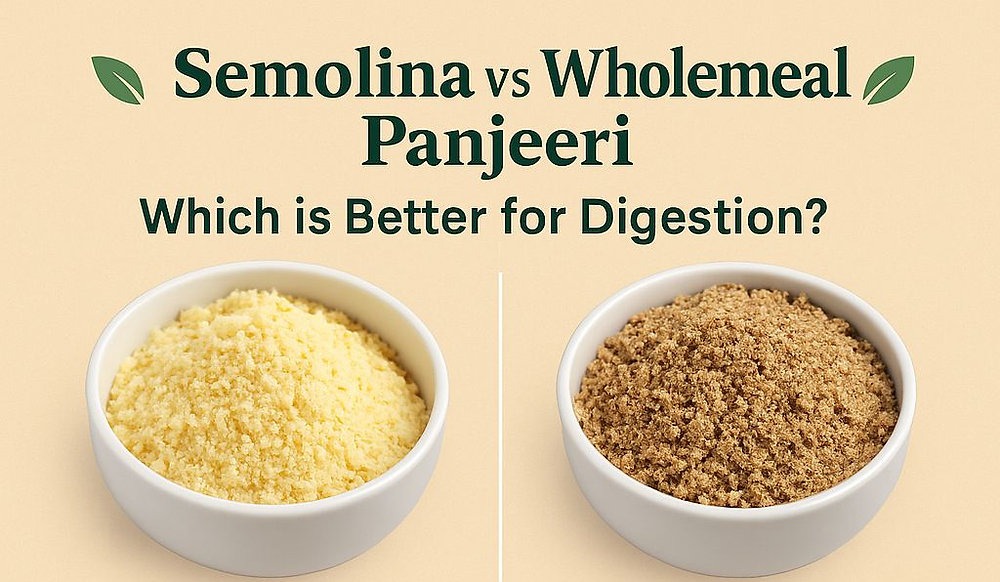
In the two USDA records compared here, whole-grain wheat flour has about 2.7 times as much fiber as unenriched semolina. Protein and calories are much closer, and protein differs by only 0.5 g per 100 g.
The table uses dry, unprepared ingredients, per 100 grams. The records are USDA FoodData Central SR Legacy entries for semolina, unenriched (food ID 168933), and wheat flour, whole-grain (food ID 168893). You can look up the semolina record in USDA FoodData Central.
| Nutrient per 100 g, dry | Semolina, unenriched | Whole-grain wheat flour |
|---|---|---|
| Calories | 360 kcal | 340 kcal |
| Protein | 12.7 g | 13.2 g |
| Total carbohydrate | 72.8 g | 72.0 g |
| Dietary fiber | 3.9 g | 10.7 g |
| Total fat | 1.1 g | 2.5 g |
This isn't a cooked-pasta comparison, and it isn't refined semolina against whole durum flour from the same cultivar. Enrichment, moisture and formulation also change a finished food's numbers.
Taking out parts of the grain can lower fiber and change a food's nutrient makeup. Some refined flours are enriched with selected nutrients, but enrichment doesn't put the physical bran and germ back.
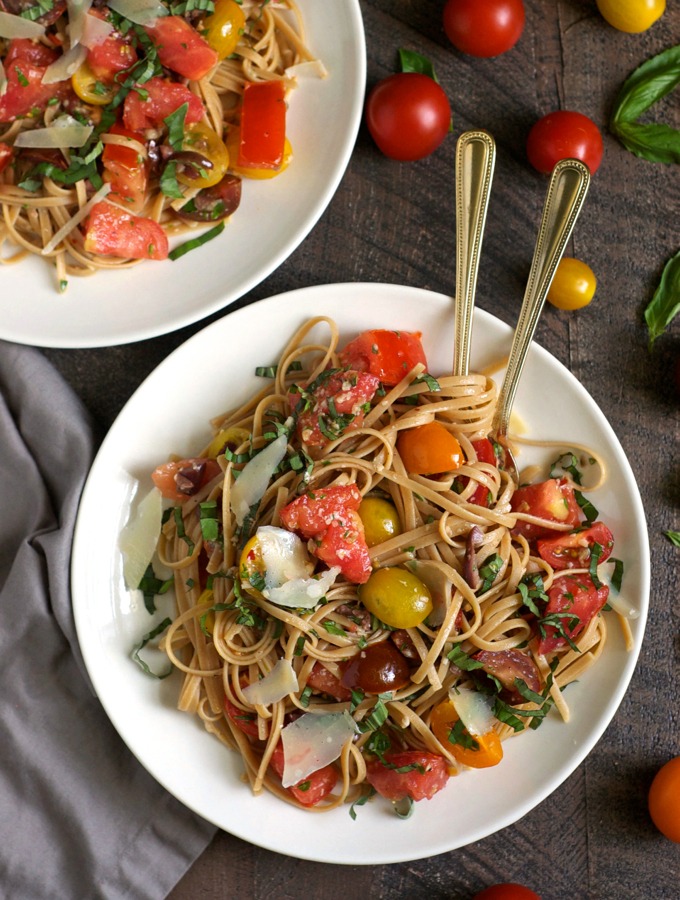
Nutrition and cooking quality don't always go together. In a 2015 study, Padalino and colleagues compared semolina and wholemeal spaghetti made from six durum-wheat cultivars.
The wholemeal versions generally had more insoluble dietary fiber and protein. They also lost more during cooking and differed in firmness, elasticity and color, with results varying by cultivar. Cappelli wholemeal spaghetti came out as a promising compromise between nutritional and sensory qualities.
At the store, compare like with like: dry with dry, or cooked with cooked. Then check the product's fiber, protein and enrichment information. Setting 100 g of dry flour against 100 g of cooked pasta builds a large moisture difference into the numbers.
Why Semolina Is Common in Pasta, Bread, and Other Foods
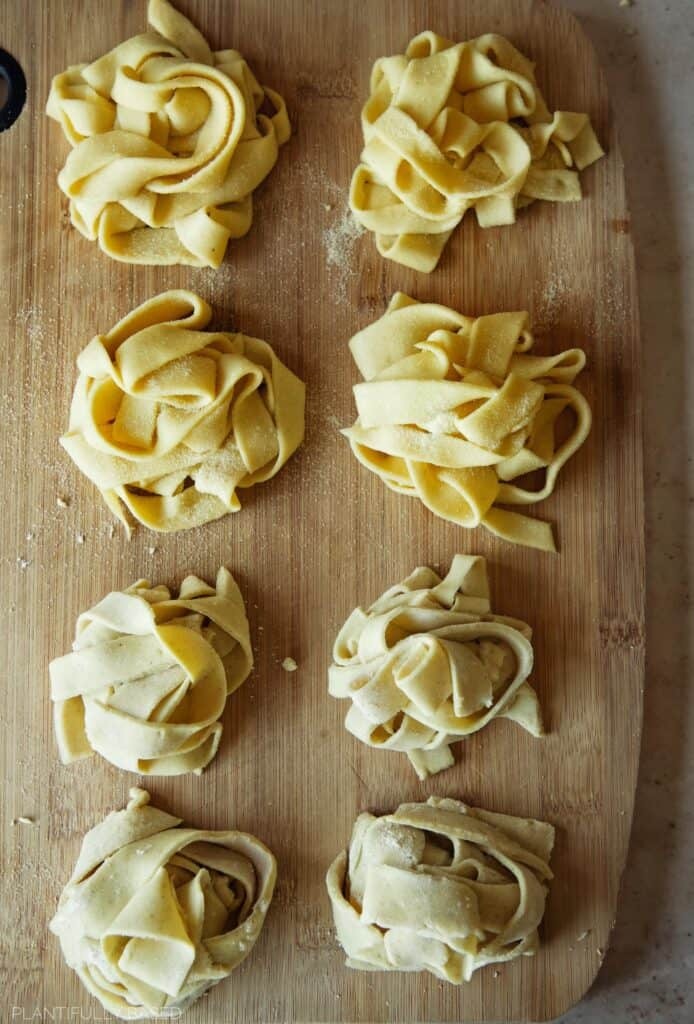
Semolina is tied to pasta because the wheat's characteristics and the milling texture give the dough the properties pasta makers want. Its granular structure also makes it behave differently from a finely milled flour in a recipe. Coarser semolina takes up moisture differently from fine flour, and protein properties affect how dough behaves. Protein quantity alone doesn't decide whether one flour will work like another.
| Use | What semolina does |
|---|---|
| Pasta dough | Main flour or part of a blend. Grind, hydration and handling affect texture. |
| Bread dough | Used in some bread recipes |
| Pizza peel dusting | Helps dough slide from the peel to the baking surface. Excess can burn on a very hot surface. |
| Porridge or pudding | Granular cereal ingredient. Liquid and cooking method set the consistency. |
One home pasta maker's first attempt with semolina went badly:
Questions, comments, and suggestions needed:
I typically make my pasta with room, temperature, eggs, and all purpose flour. When I can, I get my eggs for my parents because they have chickens. I usually use all purpose flour because that’s predominantly what I have in my house.
I tried semolina flour for the first time last night, and it made my pasta very gritty. Even after I cooked it, it felt like I was chewing on sand. I know it’s a course flower, but is this typical?
I also found it to be incredibly difficult to work with. Any suggestions on egg to flour ratio? it was not as malleable as my dough usually is. I also found it extremely difficult to roll out with a pin, and in some areas my pasta was too thick after I cut it. It made a horrible texture after cooking. I’ve never experienced such a thing.
I think I have preference for all purpose flour lol
Tips, tricks, comments, ideas or suggestions are greatly appreciated!
Recipe: 200 g flour 2eggs Pinch of salt
Grind, hydration and intended use all matter here. Coarse semolina behaves differently from the all-purpose flour this baker was used to.
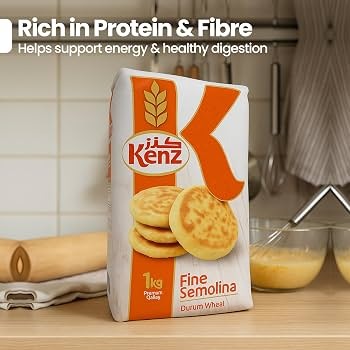
Semolina as the base of a pasta dough does a different job from semolina sprinkled on a pizza peel. The right grind depends on what the ingredient is for.
Can You Substitute Semolina for Regular Flour?
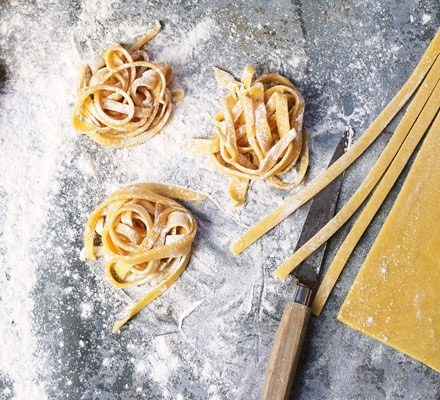
Semolina can replace some or all of another flour in recipes written for its properties. Switching to a more granular flour changes hydration, texture and handling, especially in a dough you already know.
Flour bag names need care. Semolina, semola, semola rimacinata, fine durum flour, 00 flour and all-purpose flour follow different milling or labeling conventions, so what's in the bag decides how well a swap works.
One pasta maker, inspired by a cooking lesson in Florence, described a failed batch at home:
After making pasta at InTavola Cooking Academy in Florence on our trip to Italy last fall I decided I HAD to learn how to make my own, it was so good. Santa got me a pasta maker attachment for our Kitchen Aid mixer, and my first batch of linguine (using a recipe I found on Love & Lemons) was okay, but a little tough. I figured it was because I used all-purpose flour.
I decided to try the recipe we used at InTavola and bought some 00 white flour and Semola, both made by Caputo, and tried again. (The flour was fresh, according to the expiration dates.) The dough was unusable. It was so dry while I was mixing it a quarter of the flour wouldn't mix in, so I added a little oil, and it was still too dry. Then I wet my fingertips a couple of times, and finally was able to incorporate most of the flour. Total knead time was at least 10 minutes.
It never got "shaggy," but more like PlayDoh. But after resting it was very hard, and either went through the widest pasta rollers with great difficulty or not at all. In sum, it was a lost cause.
That batch changed the flour, the moisture and the handling all at once.
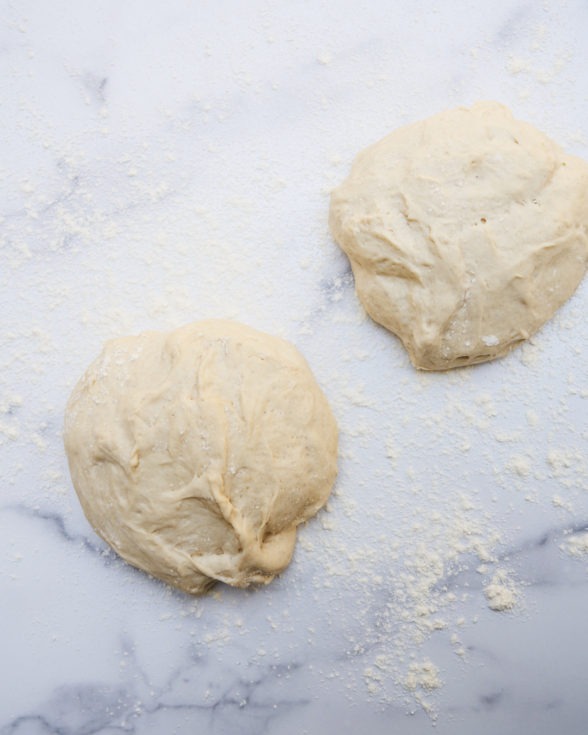
For a substitution, start with a recipe written for the flour you have and follow its dough consistency and handling method. One exchange ratio can't cover every grind and recipe.
In a June 2023 baking guide, King Arthur Baking suggested replacing 25% of all-purpose flour by volume with semolina as a starting point in certain baking applications. See the King Arthur Baking semolina guide for the intended use.
Important Exceptions: Gluten and What a Flour Name Cannot Tell You
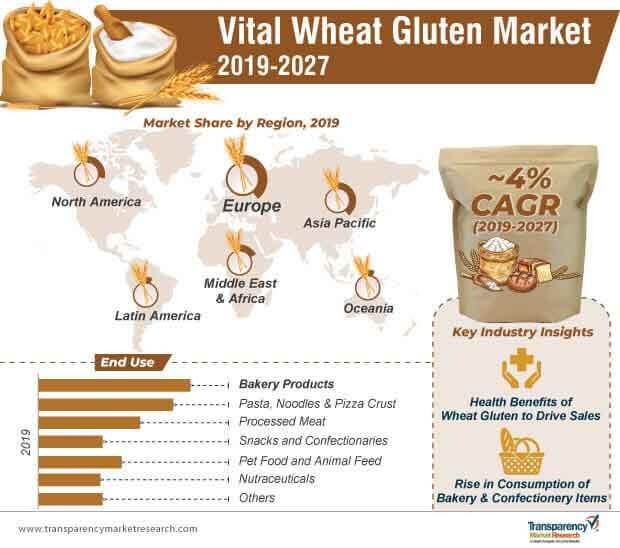
Durum wheat and conventional durum semolina contain gluten, so they aren't gluten-free substitutes for anyone with celiac disease. Couscous made from wheat semolina is wheat too, even though the grains look like rice. If you need a gluten-free diet, skip conventional durum semolina and rely on verified gluten-free ingredients and labeling.
The word refined needs the same care. In a 2025 Journal of Nutrition perspective, Augustin and colleagues argued that food structure and processing make it wrong to treat all refined starch foods as nutritionally interchangeable. A flour's name doesn't predict how a person responds to a finished meal.