
Yoga for Flexibility: Poses You Can Adapt and a Short Routine
The most useful flexibility poses match the movement you're working on and stay within a range you can control. Use supported variations, keep the routine short and repeat it. If a pose hurts, or a health condition limits what you can do safely, change the pose and get individual guidance. Then compare one comfortable movement over time.
Your hamstrings may protest during a forward fold while your hips feel fine in another pose. Or a standing shape may seem easy until a class asks you to put weight through your wrists.
Choose a pose for the area you want to work on and use a version you can enter, hold, and leave comfortably.
Which yoga poses should you choose for flexibility?
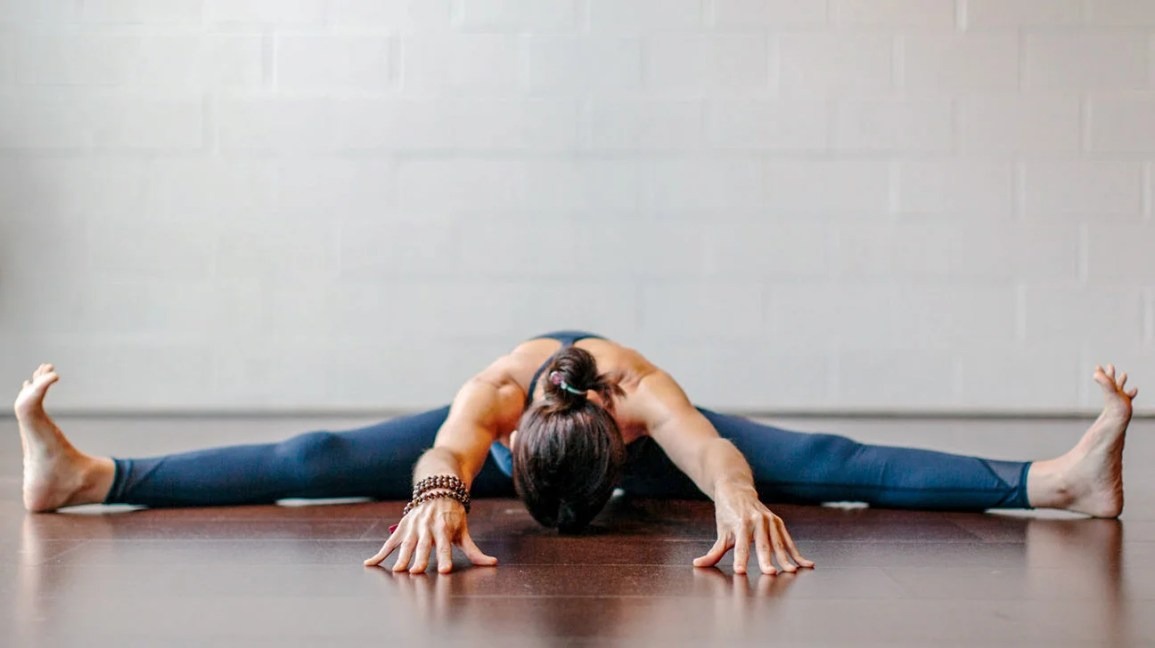
Match the pose to the movement you want to make more comfortable. Stretching the back of your legs is a different job from moving your shoulders or rotating your hips.
| Movement goal | Pose options | Support or easier version |
|---|---|---|
| Back of the legs, hamstrings | Supine strap hamstring stretch; bent-knee Forward Fold | Strap, blocks or a chair; bent knees |
| Front of the hips | Supported Low Lunge | Pad the back knee, or use a standing supported stance |
| Hip rotation and inner thighs | Reclined Figure Four; supported Bound Angle | Stay supine or use cushions beneath the hips and thighs |
| Shoulders and chest | Gentle wall-supported chest opener | Lower the hand or reduce the turn |
| Gentle spinal movement | Cat-Cow | Use a seated version when kneeling or wrist pressure is uncomfortable |
Choose one goal and shortlist two to four positions. Check what each one asks of your body before you try it; a sore knee rules out kneeling. Trouble sitting on the floor calls for a chair or a standing version. If your wrists complain, seated Cat-Cow keeps weight off your hands, and a wall-supported position reduces wrist stress.
An office worker who once sat cross-legged easily may find that position hard after years at a desk. Start with one small movement goal if that sounds like you.
Flexibility and mobility aren't the same thing
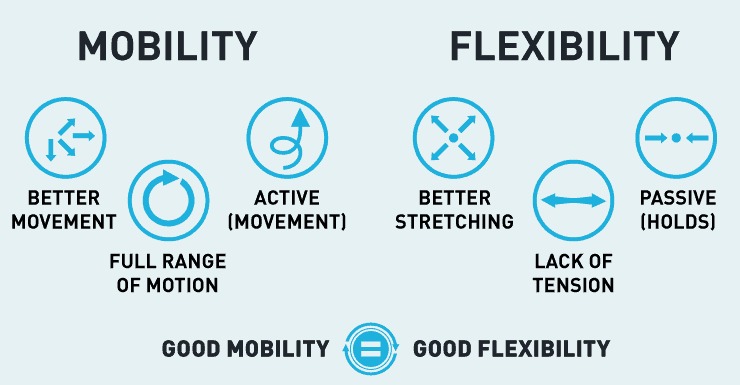
Flexibility is the range of motion available to you, including range reached with gentle assistance. Mobility is how well you actively control a movement.
Someone might relax into a supported forward fold yet struggle to rise smoothly, while another person controls a smaller range with ease. Yoga uses held positions and active transitions, so both qualities matter. Compare a relaxed, supported position with a small movement you control yourself.
Eight yoga poses and easier variations for tight-feeling areas
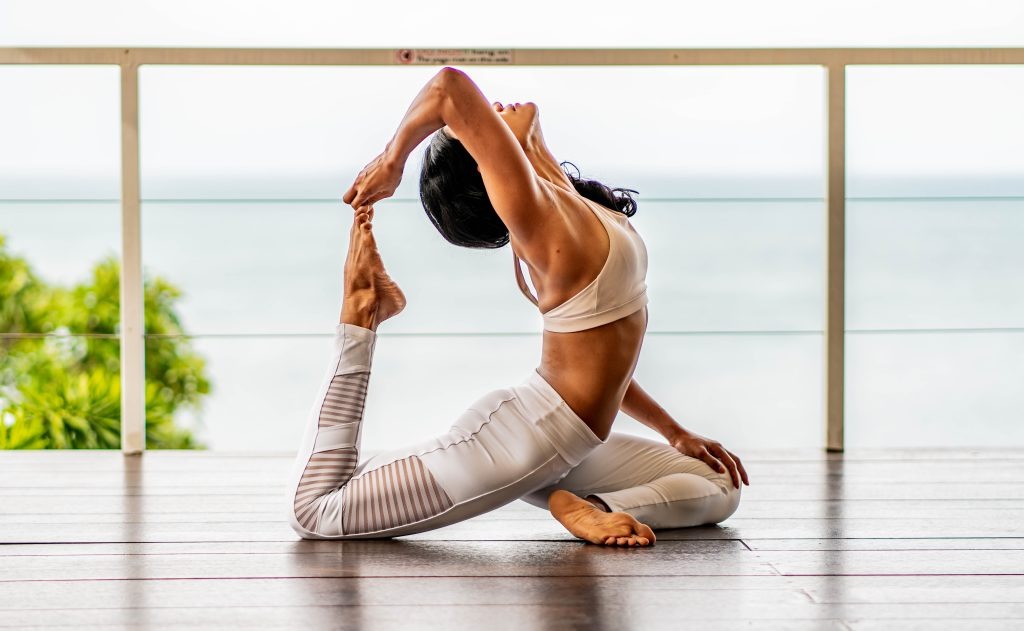
Treat these eight as options for different movement goals, and pick the variation that feels steady and controlled. On one-sided poses, return to your starting position before you switch sides.
1. Cat-Cow for gentle spinal movement
Begin on your hands and knees, hands below shoulders and knees beneath hips. Lift your chest as your back arches slightly, then round the spine the other way. Let an easy breath set the pace.
If kneeling or loading the wrists is uncomfortable, sit upright in a sturdy chair and alternate the same small lifting and rounding motions. Return to a neutral position between movements.
2. Supported Low Lunge for the front of the hips
Step one foot forward and rest the other knee on a padded surface. Plant the front foot and set your hands on stable blocks if needed. Shift forward within a range you control, then ease back before switching legs. Support the torso enough that balance doesn't decide how far you go.
When kneeling doesn't work, stand with one foot behind the other, hold a steady chair or wall and make a small forward shift.
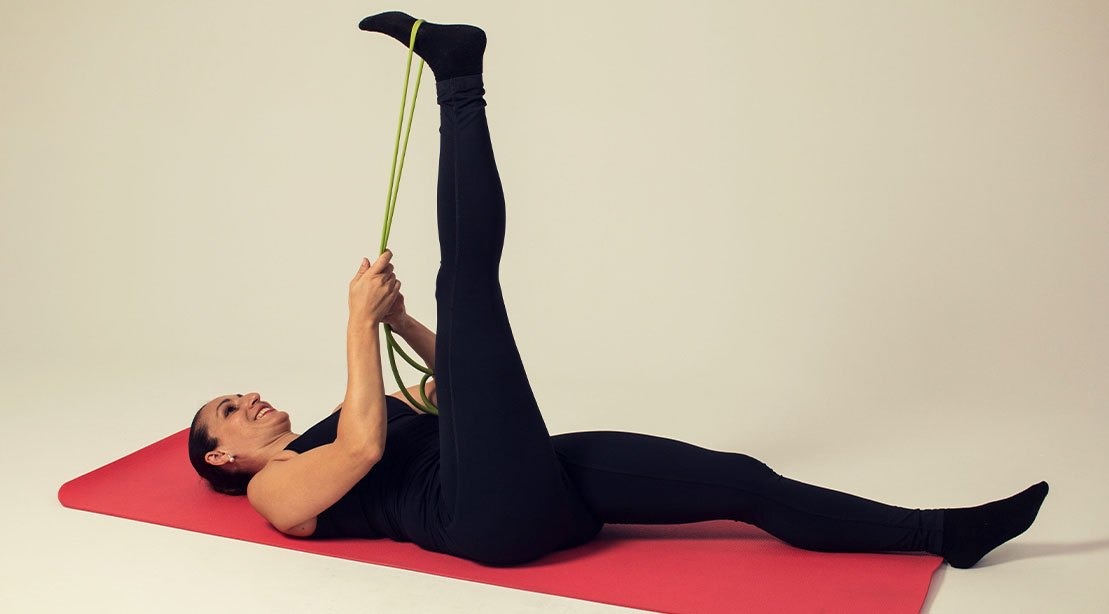
3. Supine hamstring stretch with a strap
Lie on your back with one knee bent and a strap around that foot. Raise the leg gradually and keep the knee softly bent. The opposite knee can stay bent with its foot on the floor. Let the strap support your reach while your head and shoulders rest.
Keep the raised leg at an angle you can manage without pulling hard or locking the knee. To finish, bend the lifted knee and lower the foot with control.
4. Bent-knee Forward Fold for the backs of the legs
Stand with your feet planted and knees gently bent. Hinge forward through a comfortable range and rest your hands on blocks or a sturdy chair.
Let the support hold the position so you aren't pulling on your legs. Straight knees and hands on the floor are optional. Keep the knees bent as you rise with control.
5. Reclined Figure Four for a supported hip position
Lie on your back, knees bent and feet planted. Rest one ankle across the opposite thigh. You can stay there, or draw the supporting leg toward you if your hip and knee stay comfortable. The 90/90 hip-stretch instructions cover hip rotation and supported sitting.
Keep your shoulders and head on the floor. To leave the pose, release the supporting leg first and return both feet to the floor. It gives you a floor-based option when a deeper hip stretch doesn't suit you.
6. Supported Bound Angle for the inner thighs
Sit on a folded blanket or cushion with the soles of your feet facing each other. Let the knees open as far as feels comfortable, with supports beneath the thighs if that helps. Keep your back in a position you can hold without strain.
Let the knees rest on their own. Pressing them down with your hands adds force you don't need. To finish, bring the legs together gently, using your hands if necessary.
7. Gentle wall-supported chest and shoulder opener
Stand beside a wall and set one palm against it at a comfortable height. Turn your torso slightly away until the front of the chest or shoulder feels a manageable stretch. Keep the neck easy and the turn small.
To make it gentler, lower the hand or reduce the rotation. Turn back toward the wall before lowering your arm, then change sides.
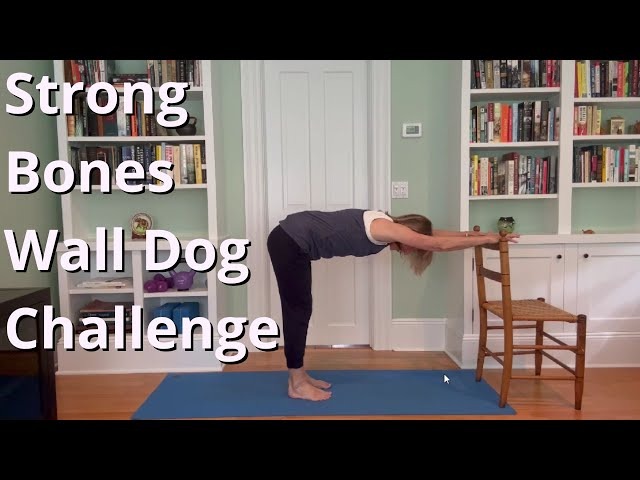
8. Modified Downward-Facing Dog
Place your palms against a stable wall, step back and hinge gently at the hips. Bend the knees as needed, keep the shoulders in a comfortable range and reach the back long. Step toward the wall to leave the position.
The wall version puts less load on your wrists than the floor pose, although your hands still press against the wall. Straight knees and heels flat on the ground are optional.
When joints need support: The Arthritis Foundation's arthritis-friendly yoga guidance includes modified and supported approaches to movement. A pose that suits one joint problem can be wrong for another.
An adaptable 10 to 15 minute yoga routine for flexibility
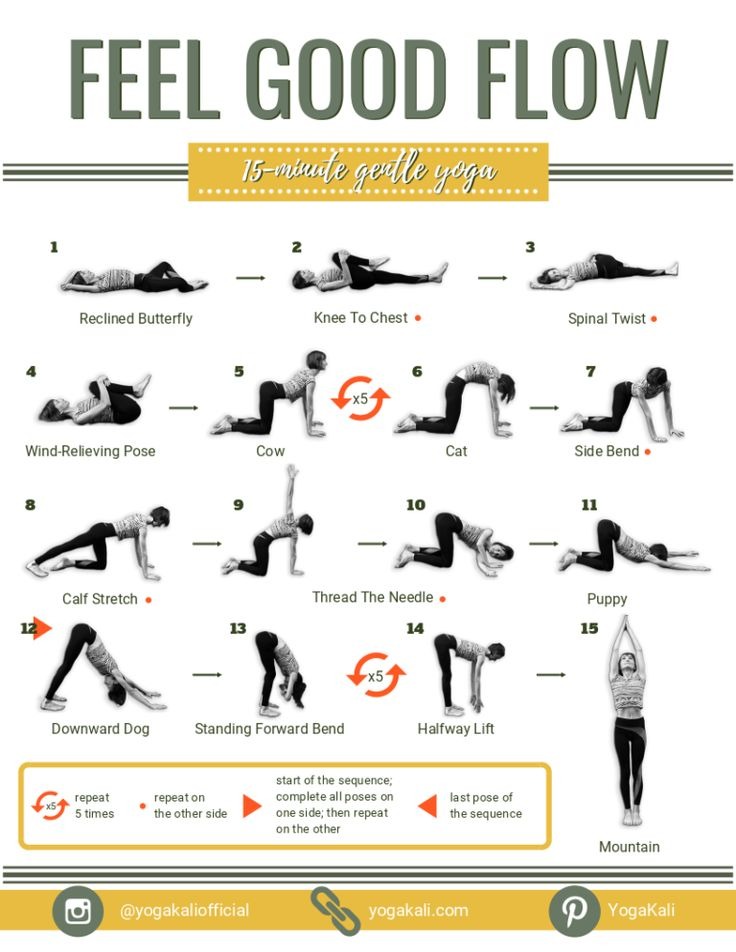
You can assemble a short session without trying all eight poses. The 12-minute sequence below is a sample for home practice. The time for each movement includes changing sides and settling into position.
| Stage | Movement | Approximate time |
|---|---|---|
| Gentle movement | Cat-Cow or seated Cat-Cow | 2 minutes |
| Front of hips | Supported Low Lunge or standing supported stance, both sides | 2 minutes |
| Upper body | Wall-supported chest opener, both sides | 2 minutes |
| Back of legs | Supine strap hamstring stretch, both sides | 3 minutes |
| Hips | Reclined Figure Four, both sides | 2 minutes |
| Finish | Release the final pose and settle comfortably | 1 minute |
| Total | 12 minutes | |
The order moves from hands-and-knees or a chair to standing, then finishes on the floor.
For a floor-free 10-minute version, make these changes and keep the other stages and their time allowances:
- Use seated Cat-Cow and the standing supported hip stance.
- Swap the supine hamstring stretch for the chair-supported bent-knee Forward Fold, 3 minutes.
- Drop the 2-minute Figure Four stage.
Sun Salutations are a separate, flowing style of practice. Their A and B sequences have their own ordered movements and fall outside this short flexibility routine.
How far and how long should you hold a yoga stretch?
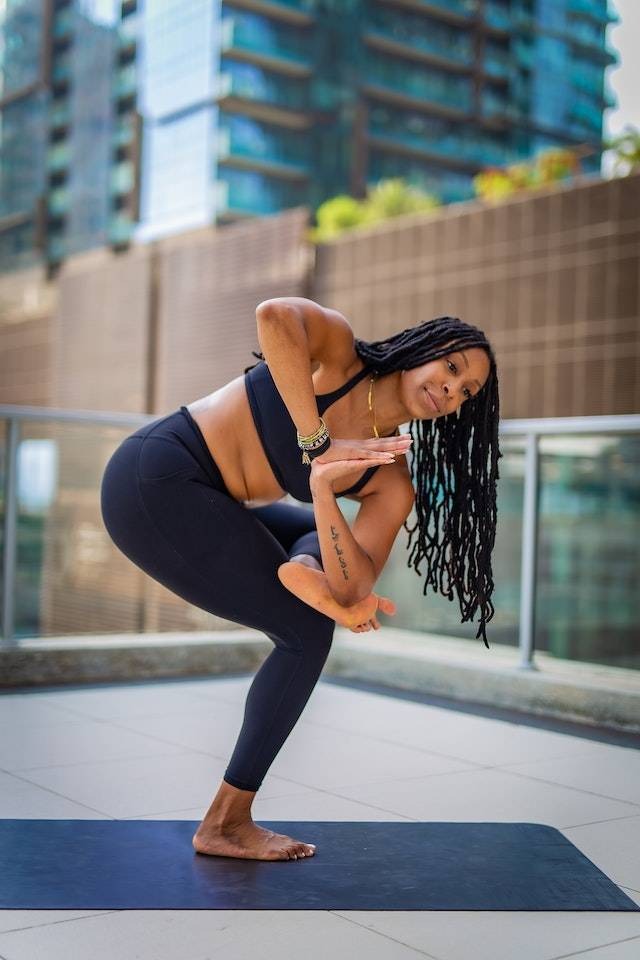
Stay within a stretch sensation you can control while breathing and moving comfortably. More depth or a longer hold isn't automatically better, especially when you're distracted or new to the position.
A former gymnast described trying frog pose for the first time while scrolling on a phone:
I decided it might be good to incorporate static stretches while I doom scroll so I’m not just completely lazing about. I looked up some good easy static stretches and thought frog pose seemed promising. Further context is that I used to be a gymnast, so I thought it might be nice to get my splits back as I’ve since lost my left and middle.
When I started the frog pose, I was a few inches off the ground, but over the course of an hour, I went down enough to be completely flat on the floor.
My issue is that it felt really weird and tender getting out of the pose. Kind of like when you sleep wrong on your neck and you have to move it really gently when you first wake up. Not exactly sore like a muscle but just delicate? I also have the overwhelming urge to pop my left hip now that I’m out. I turned to reddit for answers and saw a post where people were saying that 10 minutes was too long to hold frog pose for? Is any of this cause for concern?
TLDR: Should I be concerned about my hips; I held the pose for around an hour and lowered from several inches off the floor to completely flat in that time frame. It was my first time doing frog pose.
Also if anyone has suggestions for other good static poses that would be easy to hold while I just scroll on my phone, I would love to hear them!
After reaching a much deeper position, the poster reported unusual tenderness while getting out. How a pose feels on the way out matters as much as how far it goes.
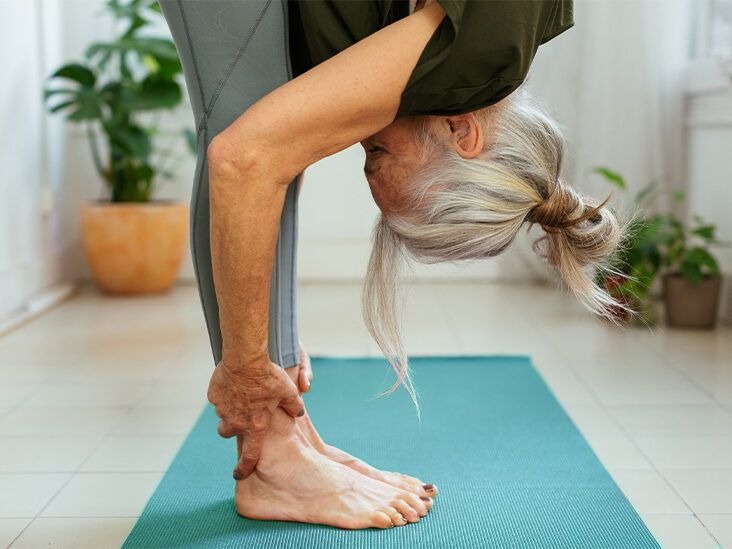
A 2025 meta-analysis of 189 studies involving 6,654 adults found that static stretching improved flexibility. Those studies tested stretching programs, and they don't set an ideal hold length for each yoga pose. During a hold, reduce the range or end the position if the sensation turns unpleasant or you can't leave it comfortably.
What to do when a pose causes pain or simply doesn't fit
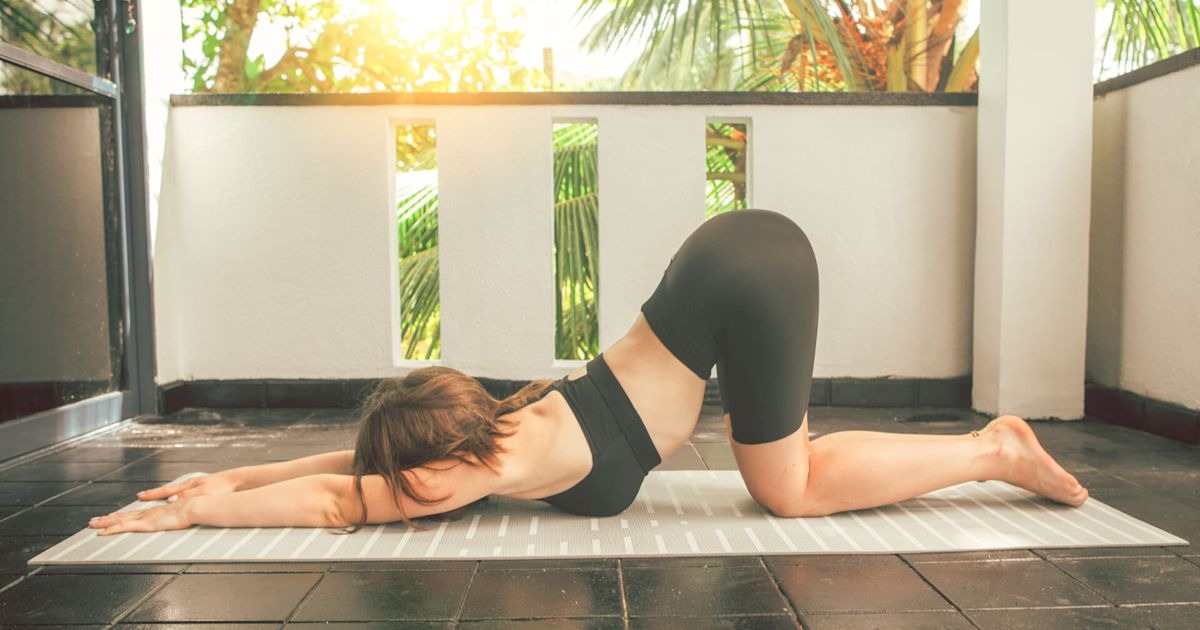
An awkward or inaccessible position often has a suitable modification. Pain is a reason to stop the movement that causes it. Sharp, pinching or radiating pain, dizziness, unusual weakness, and persistent or worsening symptoms deserve particular attention.
One practitioner described a forceful hands-on adjustment during a seated forward fold:
Yesterday during class the instructor did some hands on assist while I was in seated forward fold. She pressed down as I inhaled lengthened exhale stretched deeper, she pushed so hard my forehead and nose touched my mat she held me here for about 3 seconds and POP! My left hip popped so loud we all jumped up and she walked away immediately. I think she got just as scared as I did. I didn’t feel any pain until I walked out of class and the pain has been gradually getting worse when I walk, sit, get up etc. Pain is located at the base of left hip, radiates down my hamstring and some pain down my left leg as well. I will be going to the doctor soon but wondering if anyone else has gone through this?
The writer reported worsening symptoms and said they intended to see a doctor. A yoga instructor's physical assistance should never override the student's consent or comfort.
You can decline hands-on adjustments. Move into an easier position only if it feels comfortable. A qualified clinician should assess new, persistent, worsening or radiating pain.
The NIH National Center for Complementary and Integrative Health describes yoga as generally safe when performed appropriately, while noting injuries such as sprains and strains. Beginners are advised to avoid extreme postures. Pregnancy, existing injuries and health conditions that affect movement can call for individualized modifications or professional guidance.
Choosing a yoga class or video you can follow
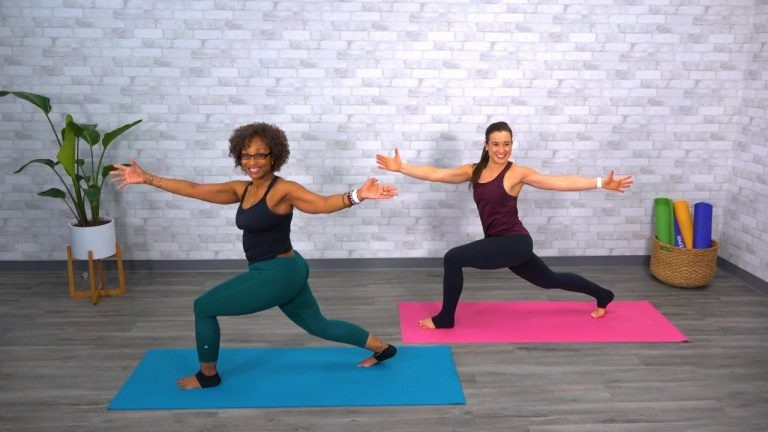
A slow, mostly floor-based session can feel manageable, while a faster class adds transitions, balance demands and unfamiliar movements. Heat, pace and teaching style all change how comfortable you feel. Hot yoga also carries risks of overheating and dehydration.
One newcomer moved from enjoying hot yin sessions to a hot hatha class and found the experience unexpectedly difficult:
Hi everyone. I've done some YouTube yoga in the past but never felt like I was doing it right, so I finally worked up the courage to try a class.
I really enjoyed the hot yin classes, which were mostly on the floor, so I thought I'd move up to hot hatha... but I was struggling SO hard to follow along. It was the opposite of intuitive.
The class was right after work, and I just couldn't get into it. I was also not tolerating the heat well and started slipping around on my mat and feeling weak, then couldn't keep up with the instructor and felt like a freaking loser hovering around the floor. I was also at the front bc I wanted to be able to see what she was doing, but it just made me feel singled out... so I left. I'm so embarrassed.
I tend to give up easily, but I really think I'd like yoga if I can just stick with it. Do you think I should try that same class again under different circumstances, or should I try non-heated classes somewhere else?
A slower, non-heated class might suit the student better, even with the same flexibility goal. Labels such as yin and hatha describe broad traditions, and the demands of a session depend on its actual format.
Videos let you pause and choose your own pace. In-person instructors can watch your movements and give feedback, as long as their guidance and hands-on contact respect your needs. Compare classes and videos by pace, temperature, accessible variations, feedback and whether you can stop or decline an adjustment.
Yoga With Adriene published a 16-minute flexibility practice in 2018. Its follow-along format is one example of a short session, although a video can't correct you as you move.
Does yoga improve flexibility? What research tells us
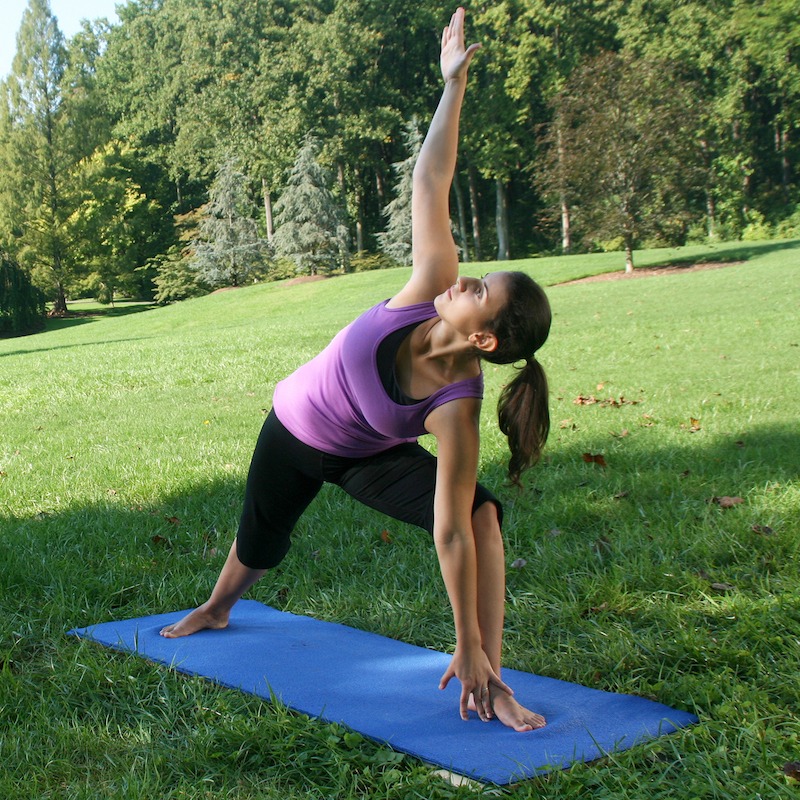
Yoga practice can improve measured flexibility, though the findings apply to the movements and programs actually studied. A 2023 randomized trial enrolled 40 female university students in China. The yoga group did supervised 70-minute sessions twice a week for 16 weeks.
The yoga group's sit-and-reach score increased by 3.5 cm, while the measured distance in its Splits test decreased by 6 cm. In that study, a smaller split-test distance counted as improvement. The students trained under a coach, so your 12-minute home routine is a different setup.
| Research | Study size | Relevant finding | What it covers |
|---|---|---|---|
| 2023 randomized yoga trial | 40 female university students | Sit-and-reach up 3.5 cm; Splits-test distance down 6 cm after 16 weeks | Specific supervised yoga program |
| 2025 static-stretching meta-analysis | 189 studies; 6,654 adults | Static stretching improved measured flexibility | Stretching interventions broadly |
| 2026 systematic review | 79 studies; 3,287 participants | Chronic static stretching improved lower-limb flexibility; results were heterogeneous (I² = 66.1%) | Healthy participants and lower-limb outcomes |
| 2024 yoga mobility review | 8 studies | Potential spinal mobility gains; evidence for shoulder mobility was limited | Mixed yoga studies; no individual-pose ranking |
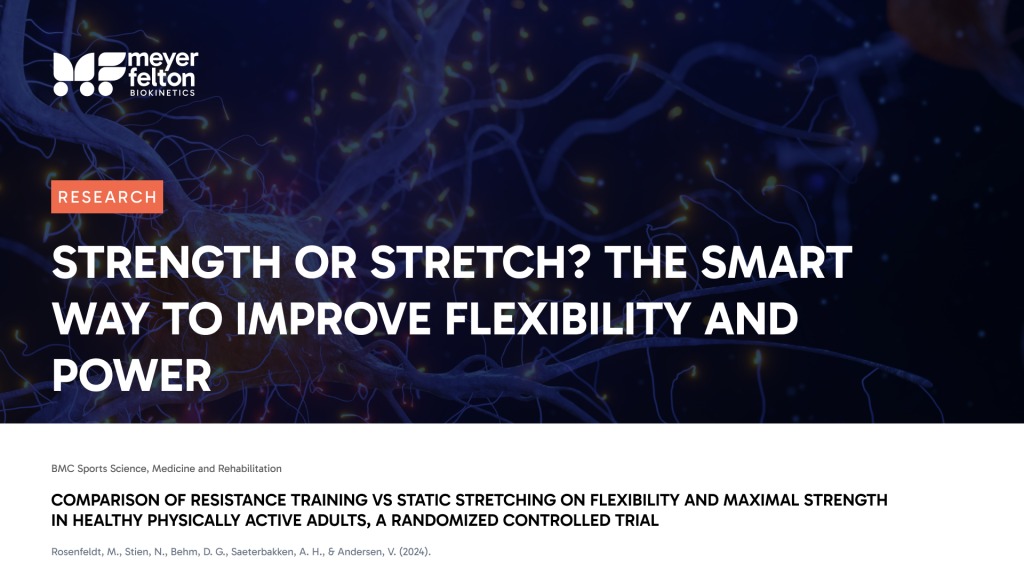
The yoga trial shows what changed after a supervised program. The broader stretching reviews support flexibility training in general. The 2023 randomized yoga study gives the intervention and test details.
Before you trust a claim about results, check who took part, how often they practiced, which movement was measured and whether the routine matches the one being recommended. A better sit-and-reach score alone doesn't show pain relief or better athletic performance.
How to track flexibility progress without chasing a picture-perfect pose
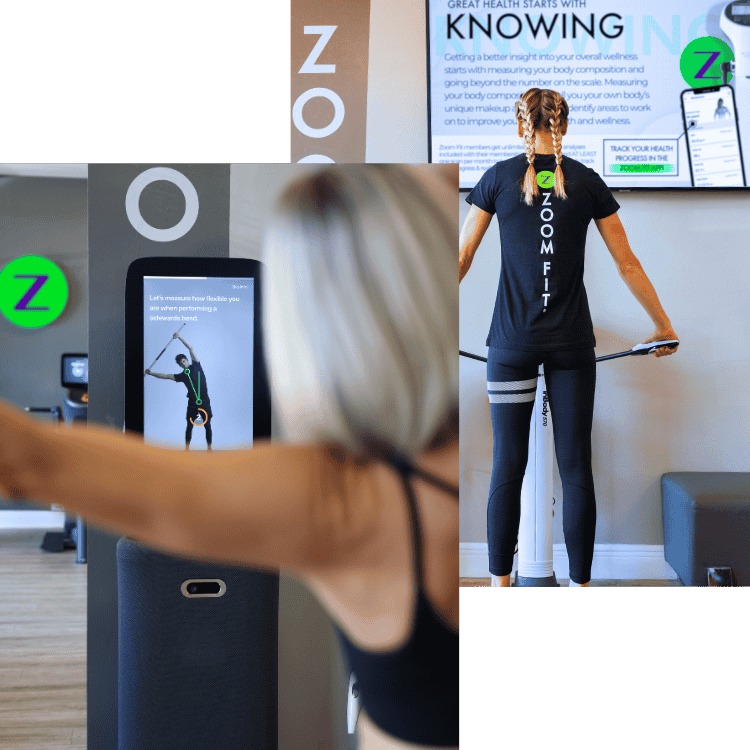
Use one repeatable, comfortable movement for personal comparison. A supported forward fold works as a hamstring-related marker if the knee bend and support height stay similar. A controlled shoulder reach suits a different goal.
Keep a small record:
- Movement: Name the same pose or reach each time.
- Setup: Note the side, stance, knee bend and support height.
- Observation: Record the comfortable reach, control and ease of entering or leaving.
- Context: Note differences in preparation or effort that could change the comparison.
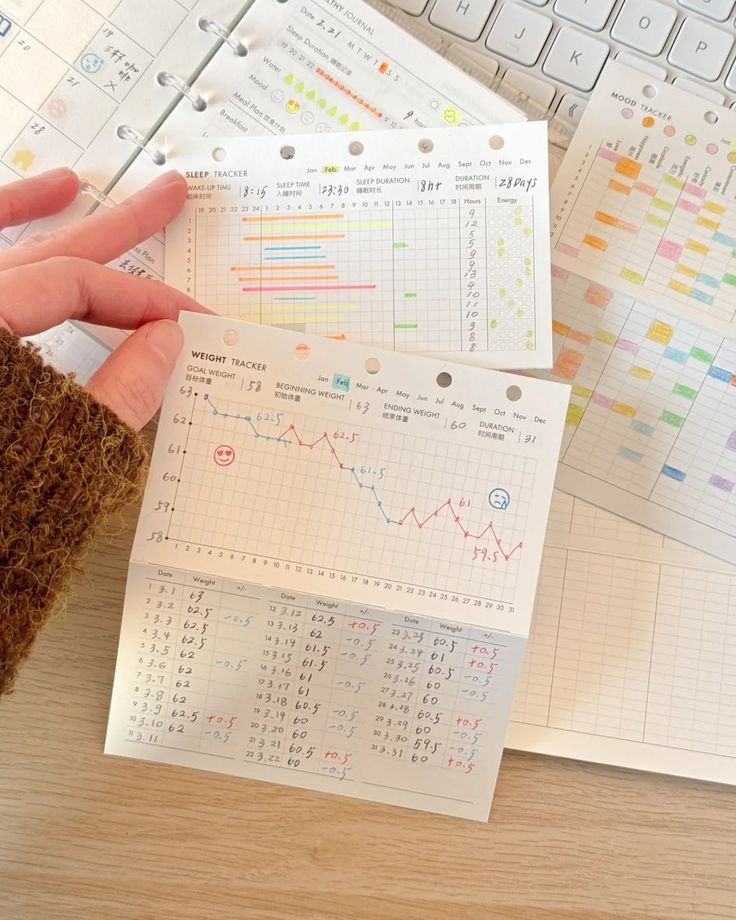
Repeat the check at comparable intervals under similar conditions. There is no target distance to reach.