What Is Power Yoga? What to Expect and How to Choose a Class
Power yoga pairs movement with breath in an athletic-style practice. It suits you if you want a vigorous flow and the class's pace, room temperature, and modifications fit you. The Ashtanga-influenced practice has no universal sequence or heat setting, so ask the studio about those details or pick a Foundations or slower-flow class before booking.
What power yoga means
Power yoga combines flowing movement, muscular effort, breathing, and attention. Its roots include Ashtanga yoga.
Instructors build their own sequences or teach recurring class templates, and the name carries no universal requirement for heat. Beryl Bender Birch and Bryan Kest helped develop the modern American approach in the late 1980s and 1990s. Baron Baptiste shaped a related teaching lineage, and mindfulness stays part of the practice next to the physical work.
What happens in a power yoga class?
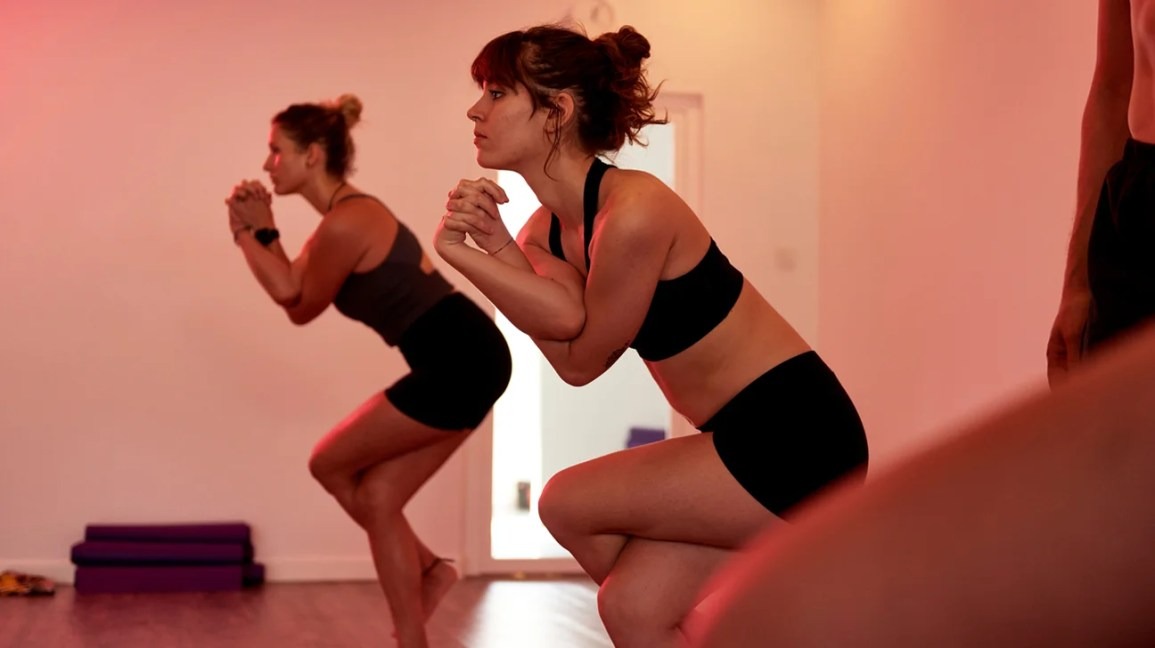
A class links postures with breathing. A typical arc runs: arrival and warm-up → Sun Salutations → standing poses and lunges → linked transitions or balance → cool-down → savasana. Phase lengths and pose order depend on the instructor.
Peloton's 20 min Power Yoga class taught by Anna Greenberg is one documented intermediate example. Its plan lists a warm-up, Sun Salutations, flow, final poses, and savasana. For how power yoga, breath-led sequences, and Sun Salutations differ, see the Sun Salutation A-versus-B guide.
The cues you may hear
A Sun Salutation links several postures. A vinyasa means movement coordinated with breathing, or a familiar transition sequence. A teacher might cue Downward-Facing Dog, Plank, a Chaturanga variation, Cobra or Upward-Facing Dog, and a return to Downward-Facing Dog.
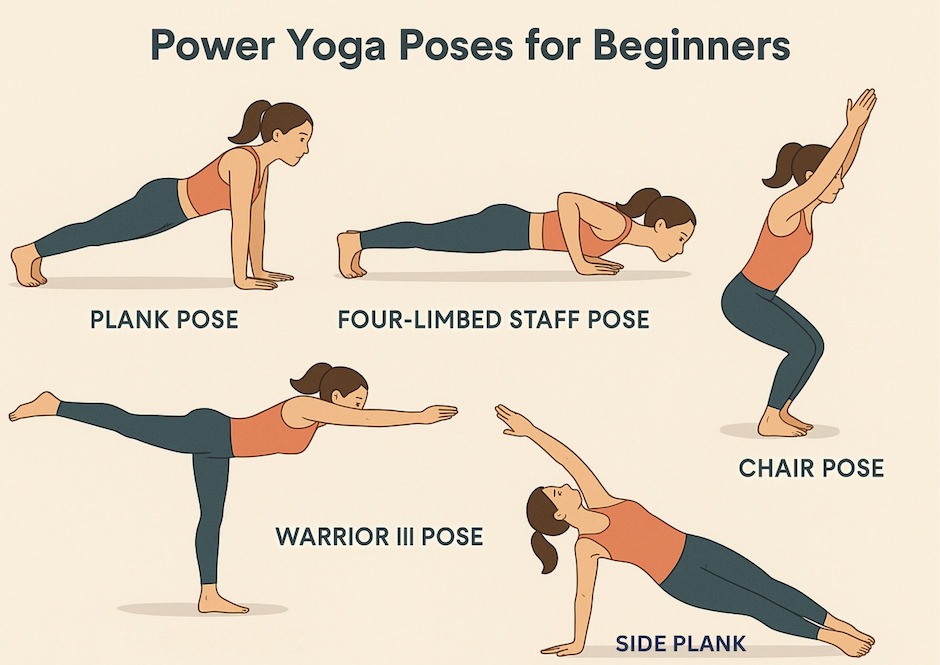
Chaturanga is an arm-supported transition. Modification means an adjusted version of a movement. Savasana is the resting pose at the end. Ujjayi breathing shows up in some classes but isn't required everywhere.
Cueing varies. Some teachers explain every transition. Others call the names and expect you to move.
Power yoga vs. Vinyasa, Ashtanga, Hatha, hot yoga, and Yoga Sculpt
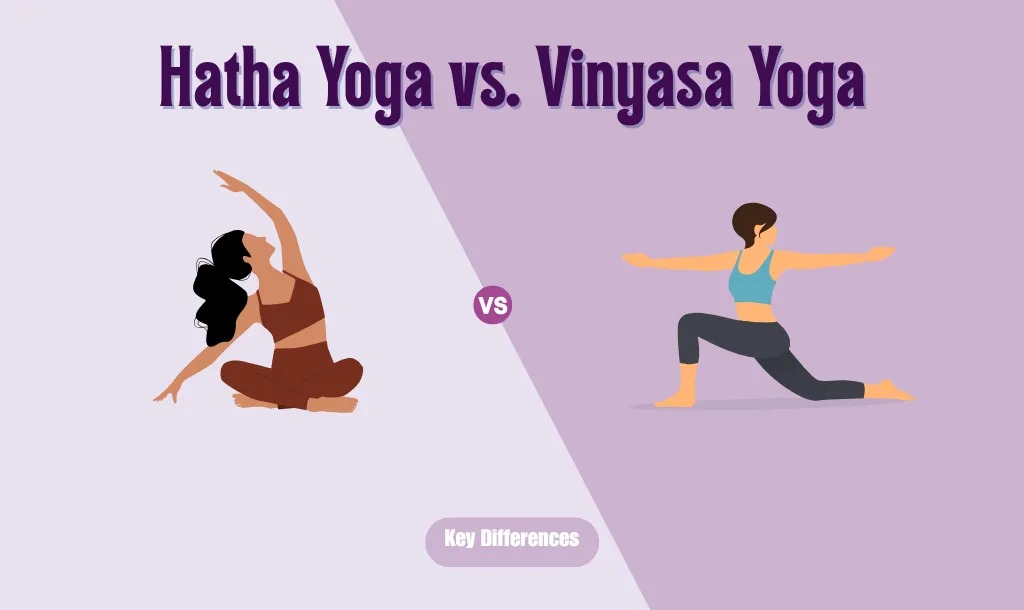
Power yoga leans toward vigorous flow, while Vinyasa covers a wider range of intensity. Traditional Ashtanga uses fixed series, and many US studio schedules use Hatha for slower classes with longer holds.
| Class format | Typical pace | Sequence | Always heated? | Always uses weights? | Ask about |
|---|---|---|---|---|---|
| Power yoga | Athletic, flowing | Teacher-built or repeating template | No | No | Level and cueing speed |
| Vinyasa flow | Gentle to vigorous | Often teacher-led | No | No | Actual flow intensity |
| Traditional Ashtanga | Demanding | Characteristic fixed series | No | No | Series and entry options |
| Hatha on US schedules | Slower, with holds | Variable | No | No | Teaching rhythm |
| Hot yoga or hot power | Variable | Depends on class | Yes, when labeled hot | Not from the hot label alone | Temperature and underlying style |
| Yoga Sculpt | Vigorous | Provider-specific fitness hybrid | No | Often; bodyweight variants exist | Weights and cardio components |
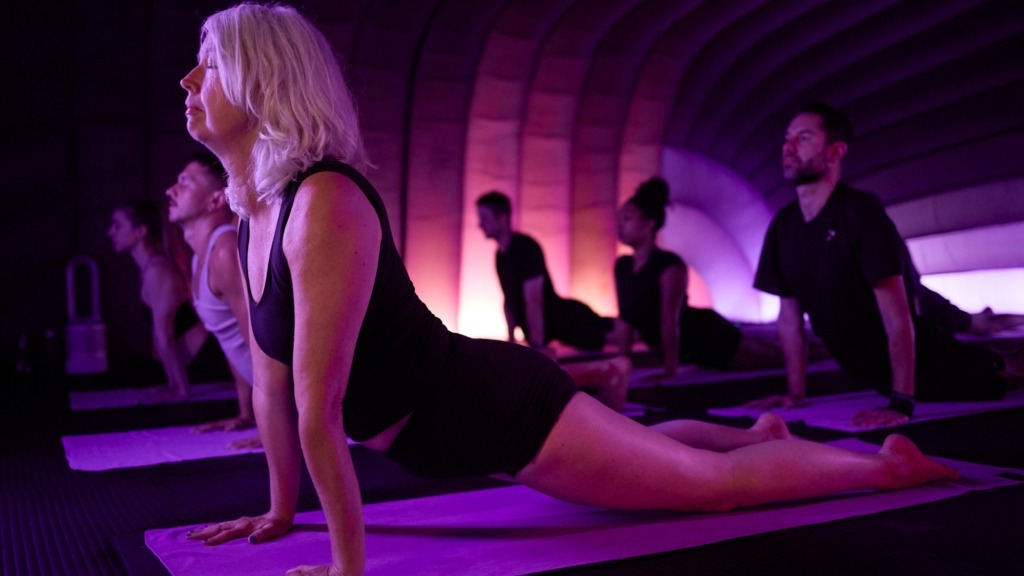
CorePower Yoga has described C1 as unheated and lower-intensity, C2 as higher-heat and more intense, and Yoga Sculpt as a format using weights. Left Coast Power Yoga has listed a Power Yoga Foundations class heated to 85 to 90°F, so a beginner-oriented class can be warm.
CorePower Yoga is a studio brand; power yoga is a broader class label.
Is power yoga suitable for beginners, and what changes at home?
You can start with power yoga if the class gives clear instruction, a rhythm you can keep up with, and alternatives for hard moves. Running or lifting weights makes strenuous effort familiar; reading yoga pose names and linked transitions is a separate skill.
A Foundations class explains movements more slowly, and an all-levels class can work too, depending on its actual teaching style. For slower instruction or restorative movement, pick a different format.
Studio classes give you live instruction and a set session structure. Home videos give you more control over scheduling and pace. One person who had practiced studio power yoga described a surprising difference after switching back to videos:
Not trouble with poses, just having the motivation to actually get through a sequence.
I've been doing yoga since 2013 and I started with videos. In 2017 I began regularly attending in-studio power yoga sessions when I was living in the city and that became my main practice.
I'm in the suburbs far from a studio now and I struggle to get through a video longer than 30 minutes. Idk what it is. I get bored doing hatha and yin, and power or ashtanga tire me out faster than when I'm in the studio. Ig being in a room full of people makes me feel like I have to finish what I started.
Anyone else have this issue?
How strenuous is power yoga, and which benefits are supported?
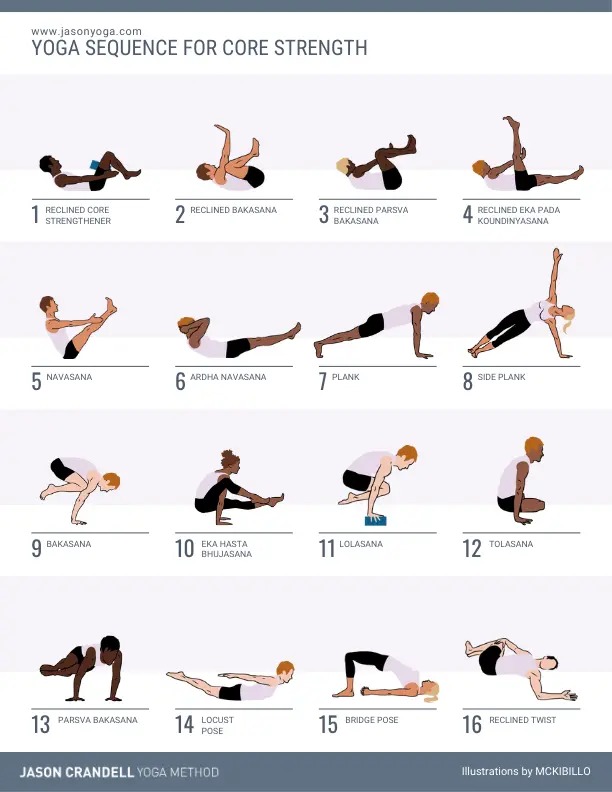
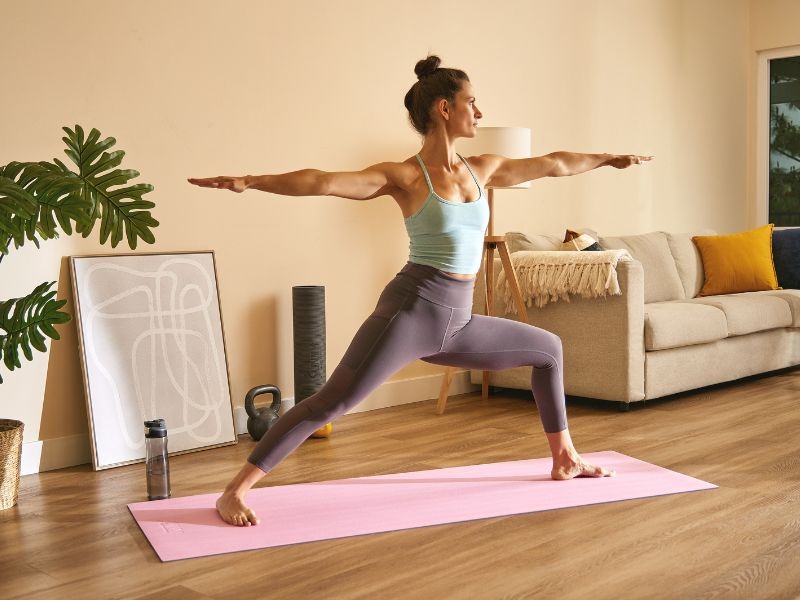
A demanding sequence of lunges, standing poses, and repeated weight-bearing transitions can raise the heart rate considerably. The studies below measure different things: direct power-yoga heart-rate response, Vinyasa energy expenditure, and variation within a Baptiste-derived flow.
| What was measured | Participants | Finding | What it doesn't show |
|---|---|---|---|
| 2018 power-yoga heart-rate study, about 45 minutes | 27 young adults | More time in moderate and vigorous heart-rate zones than in light zones | Short-term heart-rate response, not long-term training results |
| 2017 Vinyasa calorimetry study versus brisk walking | 38 adults | Vinyasa 3.6 ± 0.6 MET; brisk walking 4.4 ± 0.7 MET | A related yoga format, measured under study conditions |
| 2023 Baptiste-derived flow physiology | 40 healthy, experienced adults | Effort differed among integration, salutations, lunges, balance, and restorative phases | Intensity was not constant through the class |
A MET, or metabolic equivalent of task, expresses energy demand relative to rest. In the 2017 comparison, whole-class Vinyasa measured lower than brisk walking, because the restorative portions counted toward the whole-session figure.
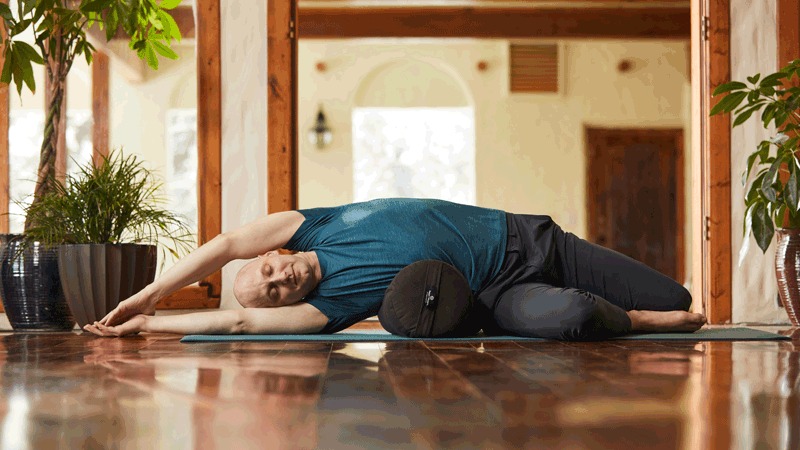
The NIH National Center for Complementary and Integrative Health describes evidence that yoga in general may help with stress management, sleep, and balance. That research spans different yoga styles and populations, and these short-term studies show no universal calorie-burn rate and no sign that power yoga replaces progressive resistance training or individualized aerobic exercise.
When a class moves too fast: modifications and reasons to stop
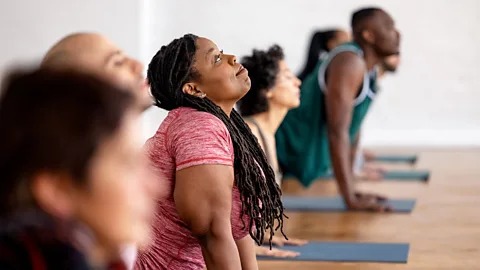
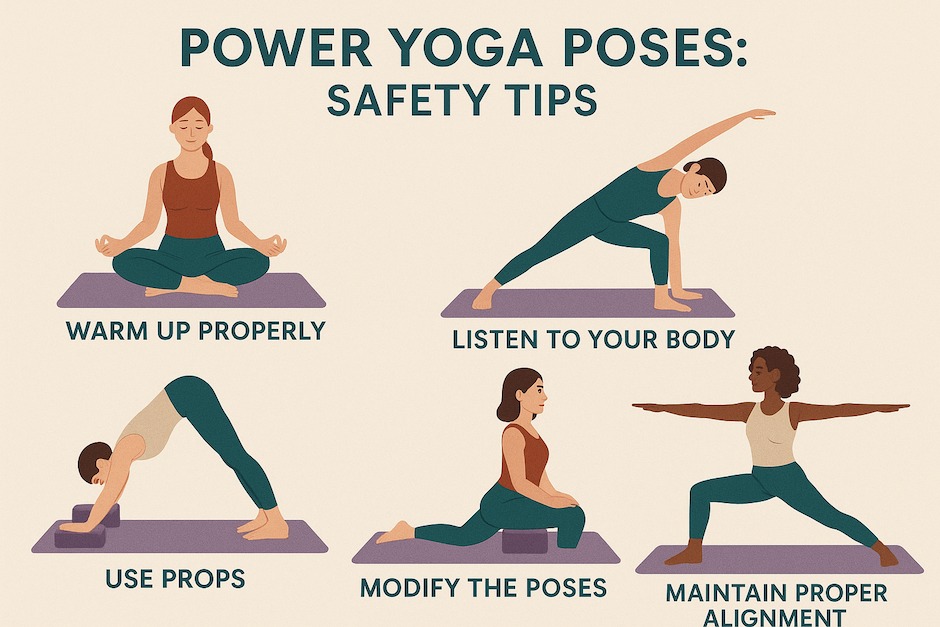
A cue can arrive before you have finished the previous movement. Repeated arm-supported transitions can also become uncomfortable when you are trying to keep up with an unexpectedly quick sequence.
An experienced practitioner described walking out of a yoga class they considered faster than power yoga, after struggling to follow its instructions:
I’ve been practicing yoga on and off for 15+ years. I’m nowhere near a pro but I’m also not new to it. Occasionally, I’ve attended a class where a student will start rolling up their mat in the middle of class and walk out. Today I was that person. Here’s why:
First, the instructor was incredibly flexible and strong, but had seemingly little knowledge of how most peoples’ bodies move. The instructor provided no options for modifying incredibly difficult and advanced moves. I know modifications for some yoga poses, but by the time they gave cues for one posture, they were already on to the next. Which brings me to reason #2.
The instructor moved through postures at lightning speed. For my body, dangerously fast. By the time my brain comprehended what the instructor was asking us to do, they were already on to the next pose. If I wanted to breathe through each pose, I would need to be hyperventilating. Example: Downward facing dog to plank to chaturanga to upward facing dog and back to downward facing dog in the span of about 5 seconds. This was much faster than any of the faster-paced yoga styles I’ve heard of (eg power yoga).
One of the major reasons I do yoga is the breathing helps to ground me and really helps me focus on something other than the difficulties/stresses of daily life.
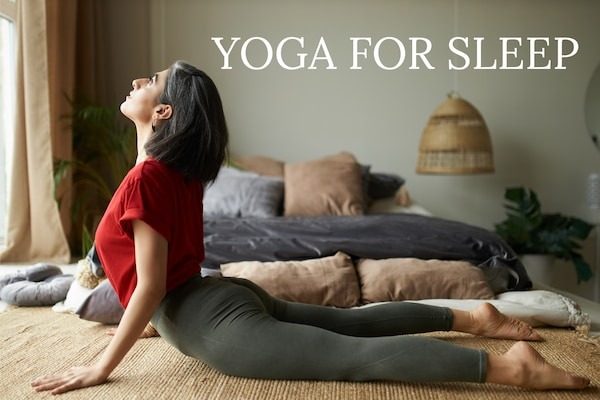
That was a different class, and an exceptionally fast one. Five seconds per transition is not a standard or recommended power-yoga pace.
- If the cues get ahead of you: Pause until you understand the movement, and use an instructor-supported variation if one is offered.
- If your wrists or shoulders hurt: Reduce or skip weight-bearing transitions.
- If heat feels overwhelming: Rest or end the session. Heat adds a separate physical demand.
- If you have severe pain or feel unusually ill: Stop and see a doctor.
Look for clear instruction, suitable modifications, and a teacher who asks consent before hands-on adjustments. You never have to finish every transition.
Five questions to ask before booking a power yoga class
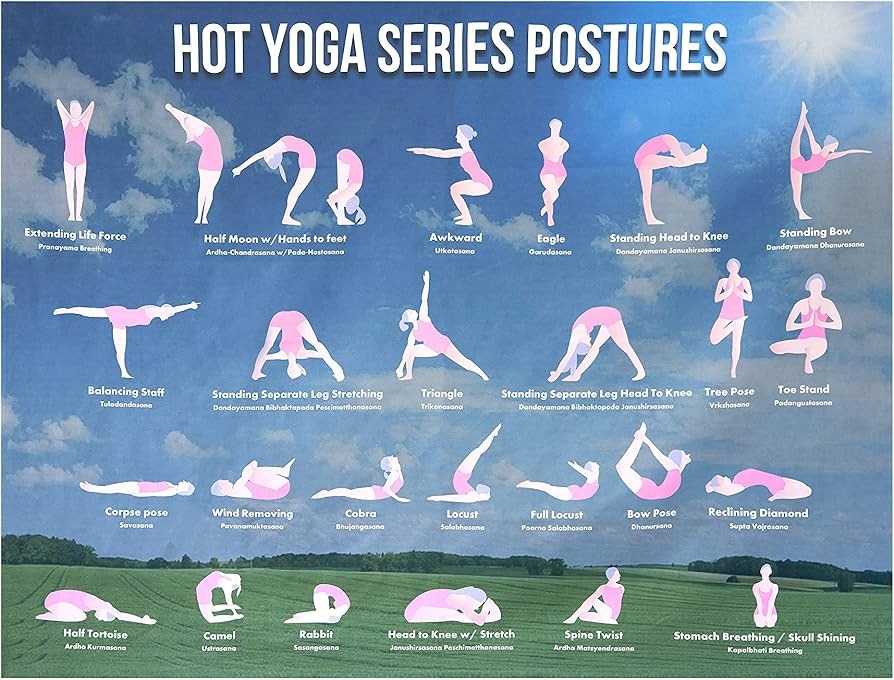
Listings often name a style without giving the details that decide fit. Use these five questions to compare real classes:
- How warm is the room? Is it unheated, warm, or hot? If it's heated, ask for the advertised temperature.
- How fast and predictable is the flow? Does the teacher explain poses step by step? Does the class follow a recurring sequence or move quickly through new combinations?
- What experience does the class assume? Is it Foundations, beginner, all-levels, or advanced? Do you need prior Vinyasa experience?
- Are modifications and rest options taught? Can you pause, and does the teacher ask before physical adjustments?
- Are weights or cardio drills included? Is it a conventional flowing class or a fitness hybrid such as Yoga Sculpt?