
Does Running Make Your Butt Bigger?
Running uses your glutes and may change their appearance, but it isn't a reliable way to build substantial glute size. If size is your goal, keep the running you enjoy and add progressive glute-focused lifting. If your butt looks different and you can't say why, look at your whole training and body composition before crediting running.
Does running make your glutes bigger, or just work them?
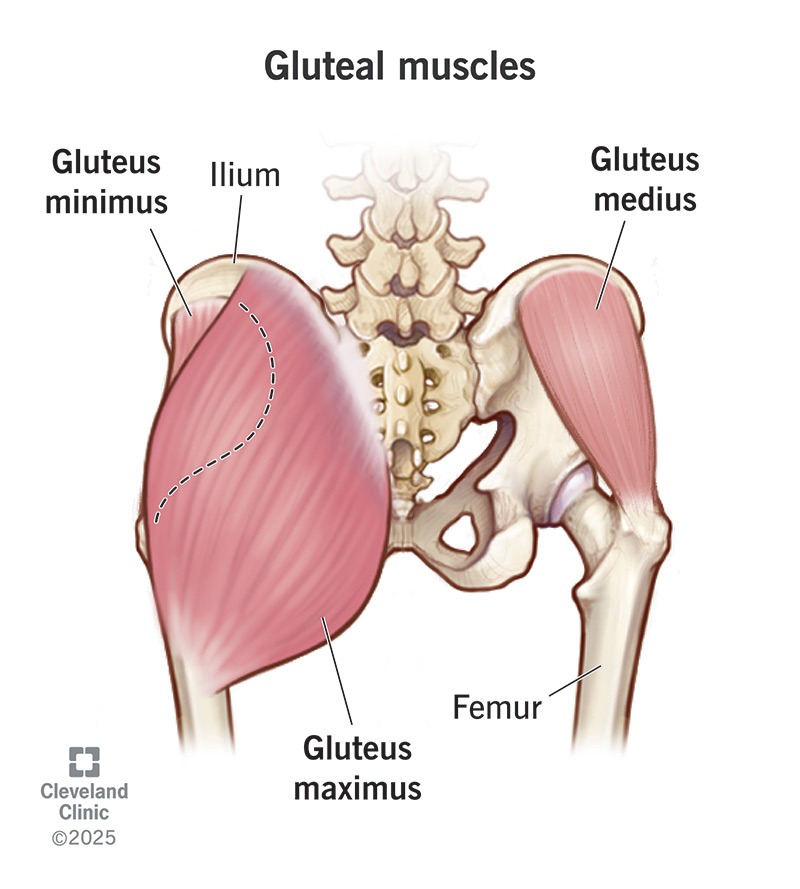
Each running stride recruits the glutes. The gluteus maximus extends your hip, while the gluteus medius and minimus keep your hip and pelvis steady.
In a 2006 study, Lieberman and colleagues recorded much greater gluteus maximus activity during running than during walking. Activity shows the muscle is working. It says nothing about whether the muscle is getting bigger.
Sprints, hills, and easy miles: what changes?
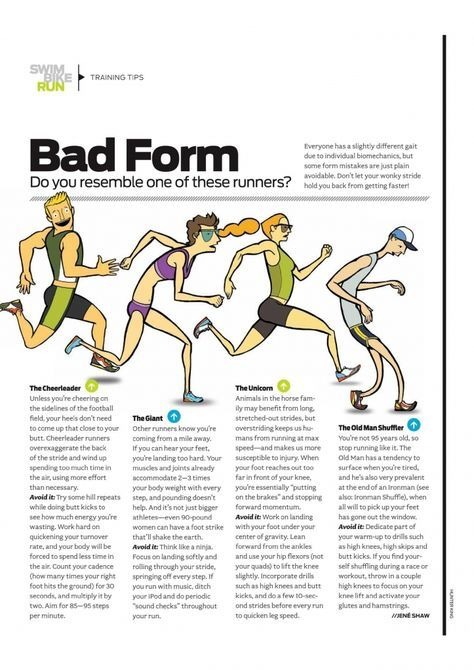
The 2014 Bartlett muscle-activity study measured gluteal muscle activity during walking, running, sprinting and climbing. The gluteus maximus was much more active during sprinting than during ordinary running. Fast acceleration demands forceful hip extension, while easy running repeats a lower-intensity movement again and again.
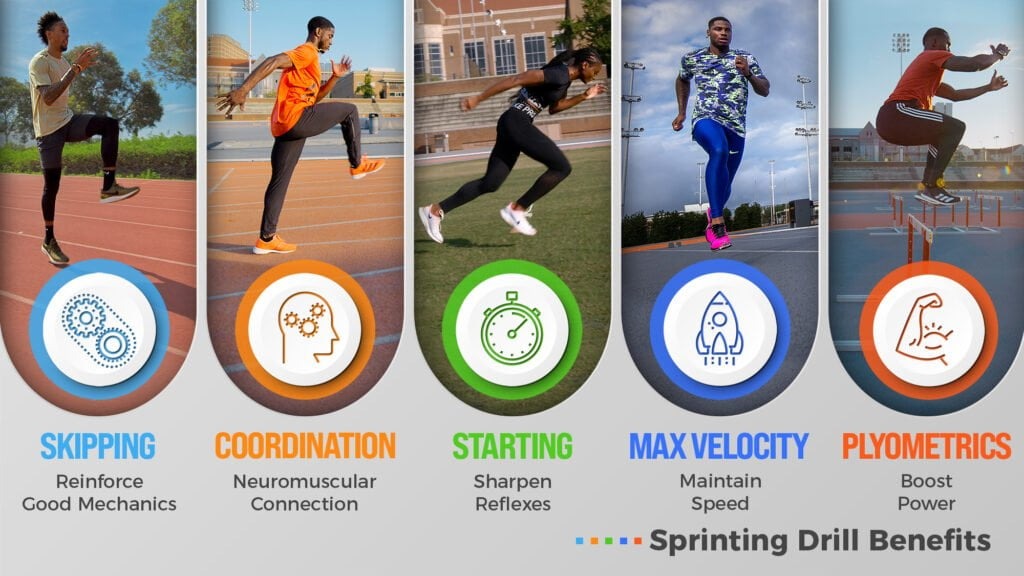
| Running approach | What the glutes do | What to expect |
|---|---|---|
| Easy, steady running | Repeated hip extension and stabilization | Builds endurance; effect on glute size is unproven |
| Sprinting and acceleration | Greater gluteus maximus activation | High muscular demand; no known growth rate |
| Uphill running | Adjust to the mechanics of the incline | A different running challenge; no proven hill dose for glute growth |
| Running with resistance training | Running plus progressively loaded exercises | Supports both fitness and muscle-building goals |
In a 2022 MRI comparison of five elite female sprinters and 17 subelite sprinters, the elite group had 15% more total lower-body muscle volume and 22% more hip-extensor muscle volume. These were differences between athletes who already trained, not the result of an assigned training program.
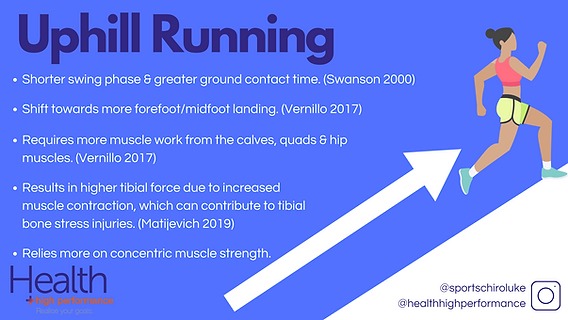
An observational MRI comparison also found larger gluteal muscles among elite male sprinters than among subelite sprinters and untrained controls.
For hills, a steep-incline experiment compared uphill walking and running at the same 1.0 m/s speed on a 30° slope. Stride mechanics differed, but gluteus maximus EMG did not differ significantly between the two gaits. The experiment measured movement and activation in a single session and tracked no muscle growth. For how hills load your glutes and hamstrings, see the posterior-chain muscle guide.
Why running can make your butt look bigger or smaller
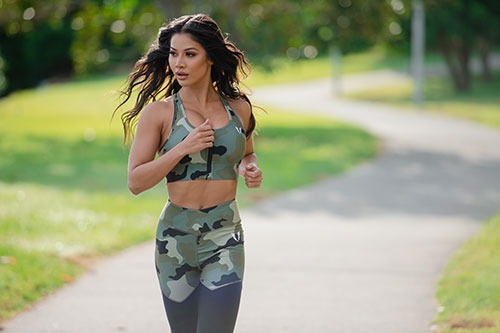
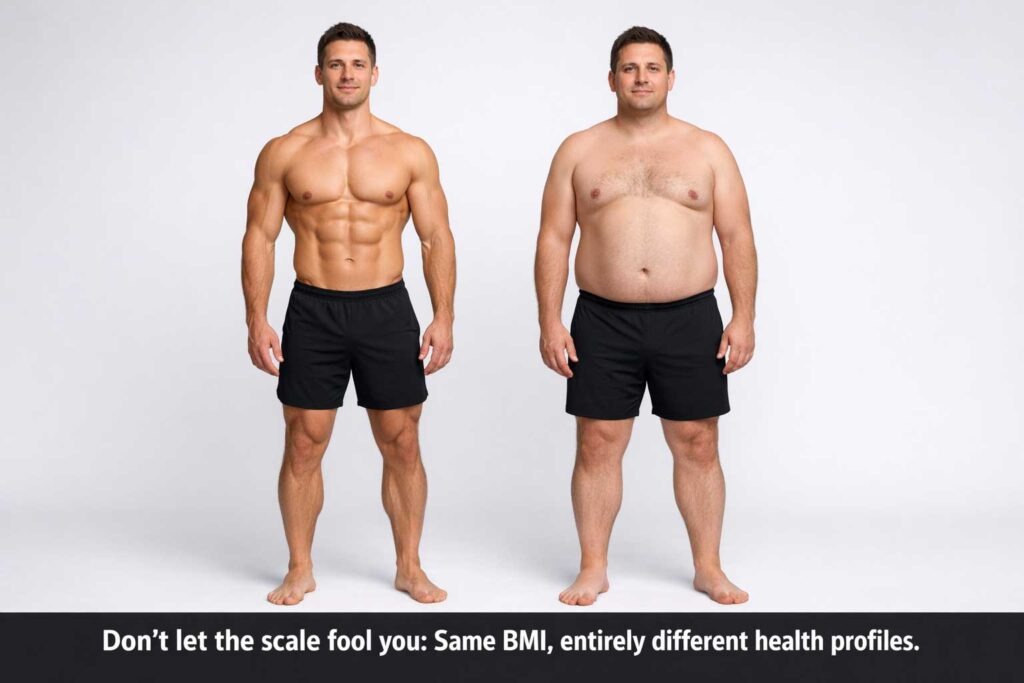
A fuller-looking butt can come from muscle, fat, changed proportions, or a mix; a smaller-looking one can show up while you get fitter. The mirror won't tell you which tissue changed.
Running burns energy, but whether you lose body fat depends on how much you eat and move over time. Fat loss, or a slimmer waist or hips, can change how your butt looks.
One runner who added running and Pilates to her week described exactly this uncertainty.
The question is pretty self explanatory. I’m a fairly petite girl by nature whose recently picked up running. I do about 5 miles 3 times a week, will run for 4 miles of it and walk for the first mile. Once a week I also do Pilates for my waist and lower stomach. I wanted to know if running will make my butt bigger. I recently feel as if it’s been getting bigger when I look in the mirror but I’m not sure if it’s the running or just my waist getting tinier.
I’m not looking for a Kim K butt just a bit more perkiness. To all my fellow runners, have you noticed running has made your butt bigger or over time does it make it smaller due to losing weight?
| What you notice | What could explain it |
|---|---|
| Jeans get tighter at the hips | Muscle, body fat, how the garment fits, or other exercise |
| Your butt looks rounder next to a narrower waist | Changed proportions, possibly changes in tissue |
| You run farther with no visible size change | Better endurance without obvious enlargement |
| Your butt looks smaller as body mass changes | Body composition and fat distribution |
“Toned,” “firm” and “lifted” describe shape or feel. Muscle-volume research uses defined measurements such as MRI.
Can you run and still build bigger glutes?
Yes. Running and resistance training fit in the same routine, and research on combined training supports it.
I’m feeling very discouraged. I have very minimal glute growth over the last 7 months, (granted I’m also not working with very heavy weight - im using 35 pound dumbbells currently). Am trying a lean gains/body recomp situation rather than a bulk or cut. I walk a lot (like five miles almost every day) and also want to become a jogger so I’ve been on and off jogging while walking.
I’m starting to feel like I need to pick one or the other.. maybe set only one goal instead of a few at a time..
Is anyone here a big walker or runner but still has made glute gains? Just looking for some outside experiences in terms of the cardio vs gains argument
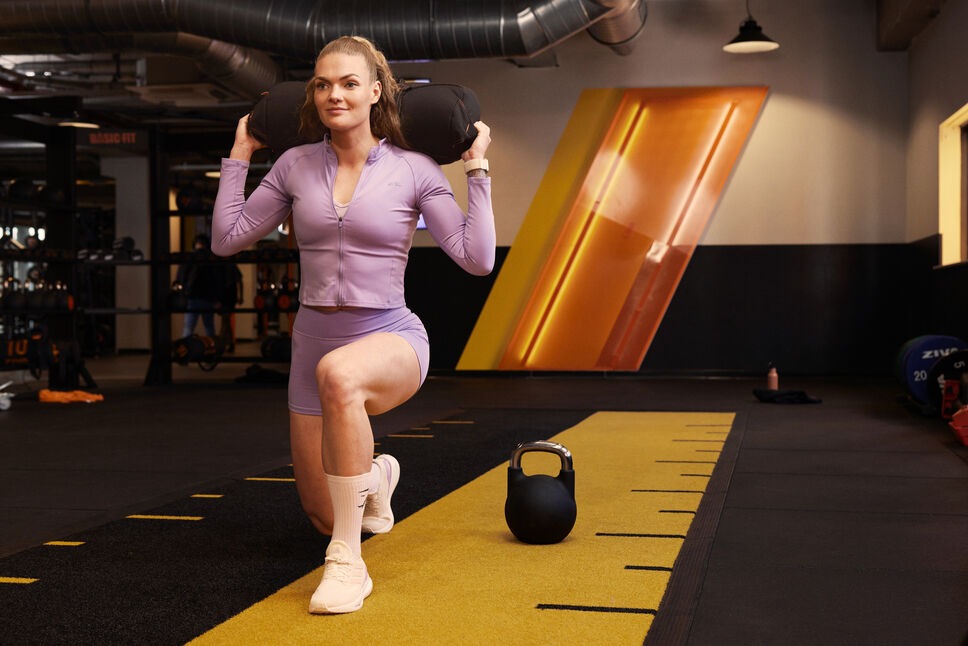
Schumann and colleagues examined 43 studies with 1,090 participants. Combining aerobic and resistance training produced no statistically significant reduction in muscle hypertrophy compared with resistance training alone (standardized mean difference −0.01, 95% confidence interval −0.16 to 0.18).
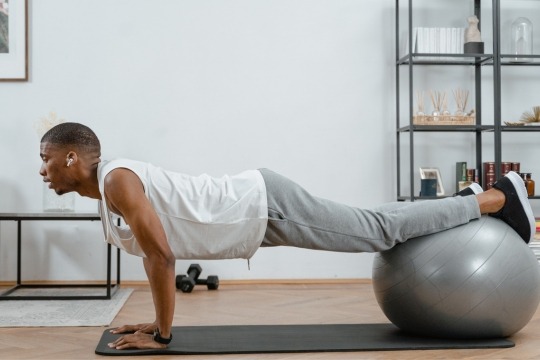
Sixteen of the studies used running as the aerobic activity; the others used different aerobic modes. The concurrent-training meta-analysis reports averages across different people and programs.
Explosive strength was a separate finding. Gains in it were smaller in the pooled concurrent-training comparisons, especially when aerobic and strength work happened in the same session. Explosive strength means how fast you can produce force.
If a bigger butt is your goal, what should you change?
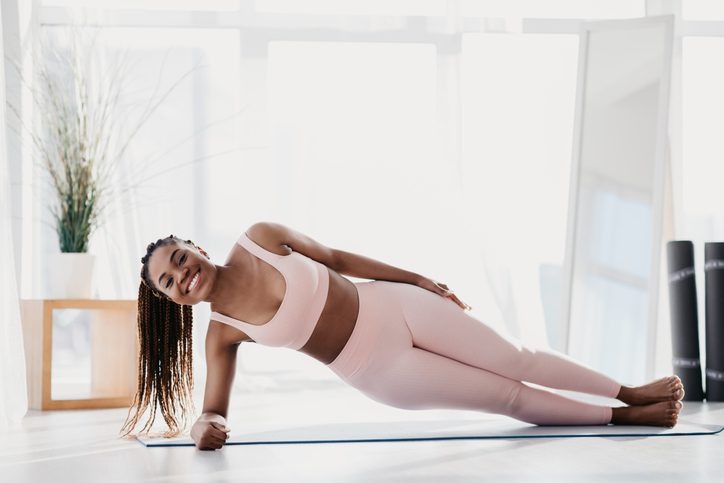
Lifting is the better route to bigger glutes. Hip thrusts or glute bridges, squats, split squats and step-ups all work. Pick the ones you can do with good form.
A 2025 systematic review by Krause Neto and colleagues assessed resistance exercise and gluteus maximus hypertrophy. Twelve studies met its eligibility criteria, and eleven went into the main pooled analysis.
The glute-hypertrophy meta-analysis reported an overall standardized mean difference of 0.71 (95% confidence interval 0.50 to 0.91). That is an effect size across studies, not a prediction that your butt will grow by 71%.
Match your training to your goal
| Your main goal | Training emphasis | Trade-off to manage |
|---|---|---|
| Larger glute muscles | Progressively loaded resistance exercises | Give strength work real effort and recovery time |
| Running performance or endurance | Consistent running that fits your ability | Running progress doesn't have to change your size |
| Both running and muscle development | A mix of resistance and aerobic training | Balance total workload, time and recovery |
Where to start
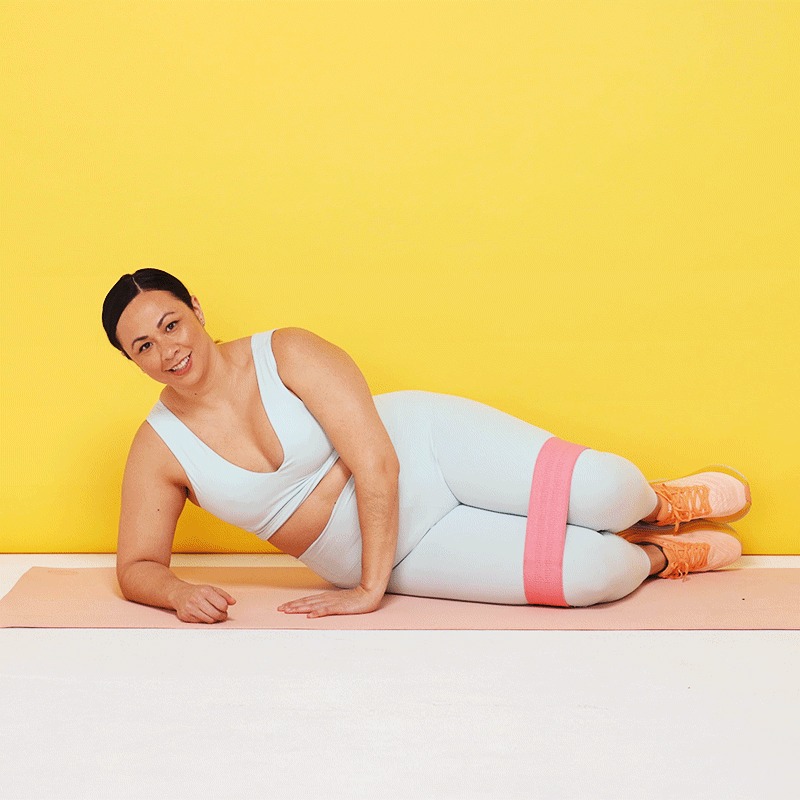
- Start small. Choose one or two glute-focused exercises you can control; a qualified coach can help with technique.
- Add load gradually. Increase weight or reps as you get stronger, and keep your total workload sustainable.
- Protect recovery. Count exercise, food, rest and consistency together.
The American College of Sports Medicine's 2026 resistance-training position stand separates several outcomes. In the reviewed evidence, training major muscle groups at least twice a week was associated with greater strength gains.
For hypertrophy, higher weekly volumes of around ten sets or more per muscle group were associated with greater muscle growth. These are population-level findings; your starting workload depends on your experience and recovery.
How can you tell if your glutes are getting bigger?
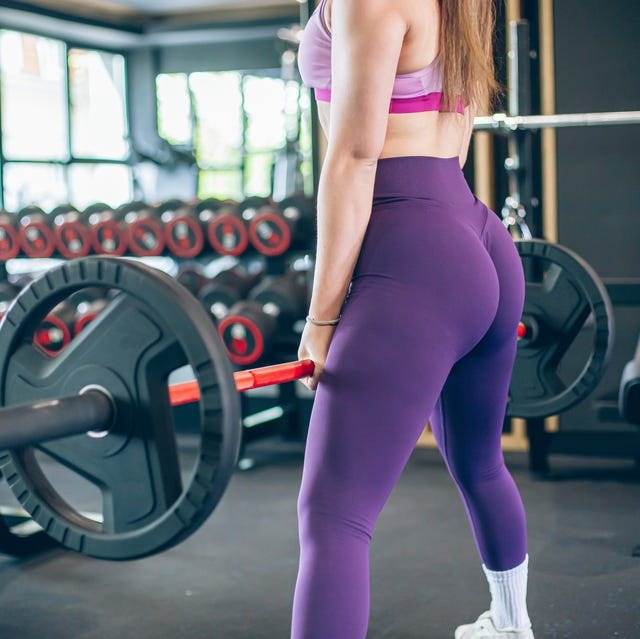
At home, measurements, photos and training notes each capture a different piece of the picture. Keep conditions the same each time:
- Keep comparisons consistent. Use the same posture, clothing, lighting and tape placement.
- Record your training. Note completed runs, lifts and changes in difficulty.
- Compare over time. Look for a change across several check-ins, not one workout.
- Read the whole picture. Look at clothing fit, appearance, strength and running performance together; add body mass if you already track it.
A faster pace or heavier lifts show you're getting more capable. Photos and measurements show a trend, but they can't separate new glute muscle from body fat or other changes.
You don't need clinical measurements. A clear training record is more useful, and if measuring stresses you out, track performance and enjoyment instead.
When is changing your running routine the wrong answer?

Adding maximal sprints or repeated hills just for looks is an unnecessary escalation, especially if your routine is already demanding. Harder intensity adds training stress with no proven promise of glute growth.
Fueling matters as training load grows. The International Olympic Committee's 2023 consensus on Relative Energy Deficiency in Sport links prolonged or severe low energy availability to health and performance problems. Brief energy shortfalls do not automatically amount to REDs.
If a harder session causes recurring pain or lingering difficulty with everyday movement, stop forcing it and get individual guidance from a qualified exercise or healthcare professional.