
Strength Training Exercises: Choose the Right Movements for Your Goal and Equipment
For an otherwise-healthy adult choosing strength exercises, begin with manageable squat or hinge, push, and pull movements that fit your goal, equipment, and ability to move with control. If pain, a health limitation, or loss of control changes the choice, seek qualified help; otherwise choose an appropriate variation and use its detailed technique guidance.
A good starting selection is small enough to understand. The aim is to know why you're choosing each exercise before worrying about every machine or lift name.
How to choose strength exercises without getting overwhelmed
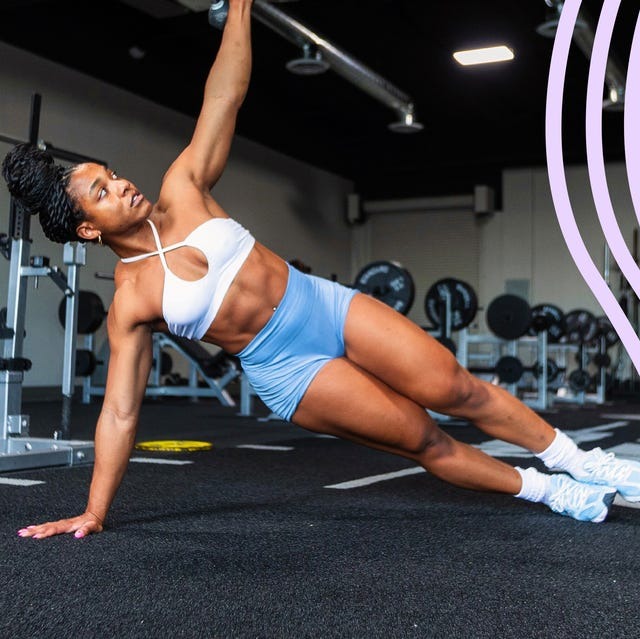
A first visit to the gym can leave you knowing where the machines are without knowing which ones belong in your session. You can make the choice more manageable by deciding what the exercises need to do.
Three questions determine the starting choice: What do you want to improve? What equipment and space do you have? Which version of that movement can you perform with control?
Everyday strength involves familiar actions such as rising from a chair, reaching, pulling, or carrying. Muscle development may eventually call for more emphasis on particular muscles. A first attempt at resistance training is about learning movements you can repeat.
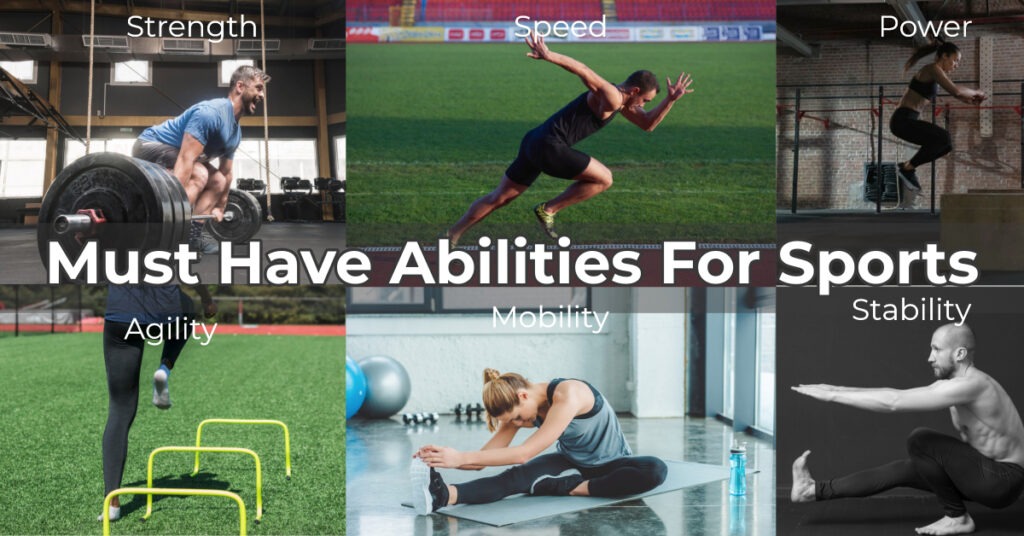
| What you want to do | Movement family | Manageable starting example | Another equipment option | Main selection check |
|---|---|---|---|---|
| Build leg strength for standing up | Squat | Chair or box squat | Goblet squat to a box or fitted leg press | Controlled descent and return |
| Learn hip-dominant movement | Hinge | Unloaded hip hinge | Appropriately taught loaded hinge | Hip motion with trunk control |
| Practice upper-body pushing | Horizontal push | Elevated push-up | Machine or band chest press | Stable support and controlled effort |
| Practice upper-body pulling | Horizontal pull | Seated band row | Cable or supported dumbbell row | Stable position through the pull |
| Handle an external load | Carry | Light loaded hold | Farmer's carry | Manageable grip and posture |
| Work on torso control | Core | Suitable plank variation | Band-based core movement | Controlled trunk position |
Suppose you want to practice pushing at home without weights. With a stable, suitable elevated surface, an elevated push-up is one option from the horizontal-push row. If that support is unstable or the movement is beyond your control, skip that version. The equipment comparison identifies alternatives that would require a different setup; until you have one, choose another manageable movement from the matrix.
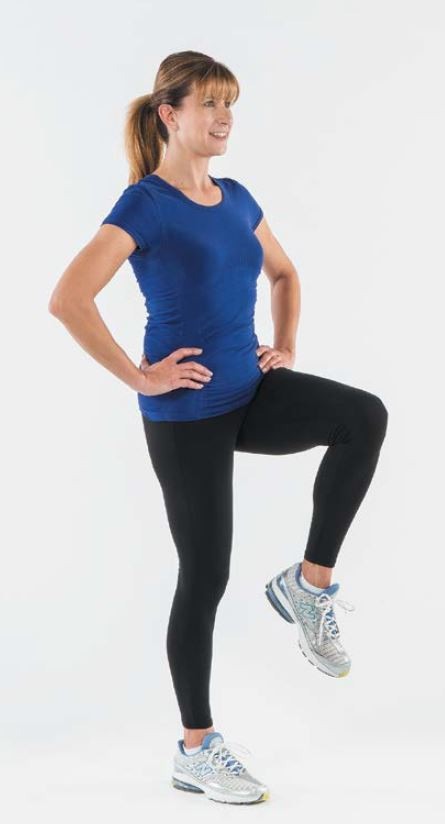
One beginner described the bewilderment that can follow an introductory gym tour:
I essentially repeated the lap we just did, no idea on weights, reps, even what the exercises were called and I left after about an hour or so. So now I have hit a predicament. I really want to better myself but I'm so nervous to go back because it intimidated me so much. I don't know what to do. I see posts about leg day, arm day, full body day.. I don't even know if I was actually doing anything constructive. Where do I start? Do I hire a PT? How often do I go? Do I focus on my arms/legs etc.
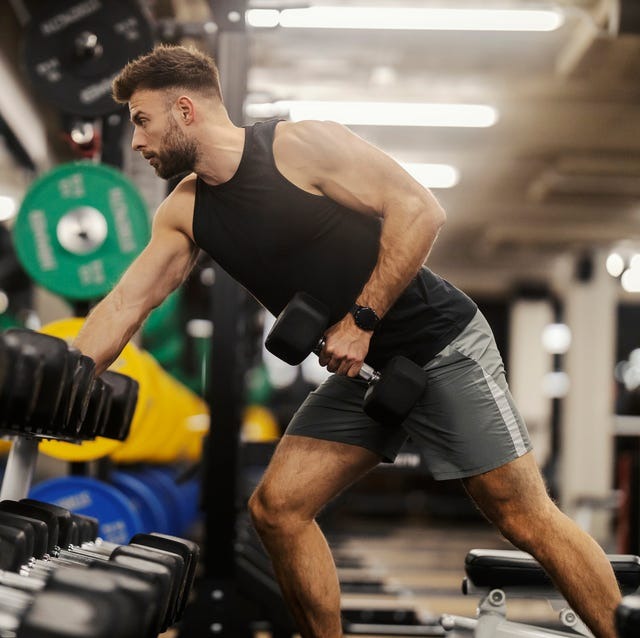
A small starter selection can cover several movement roles, while a longer-term approach to strength training addresses the major muscle groups according to the person's goal and capacity.
Learn the movement patterns behind the exercise names
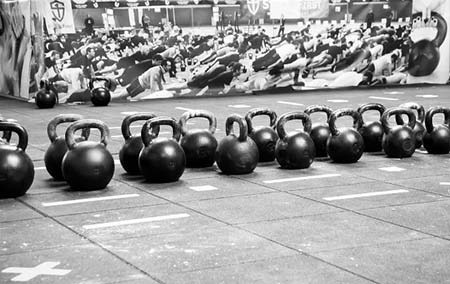
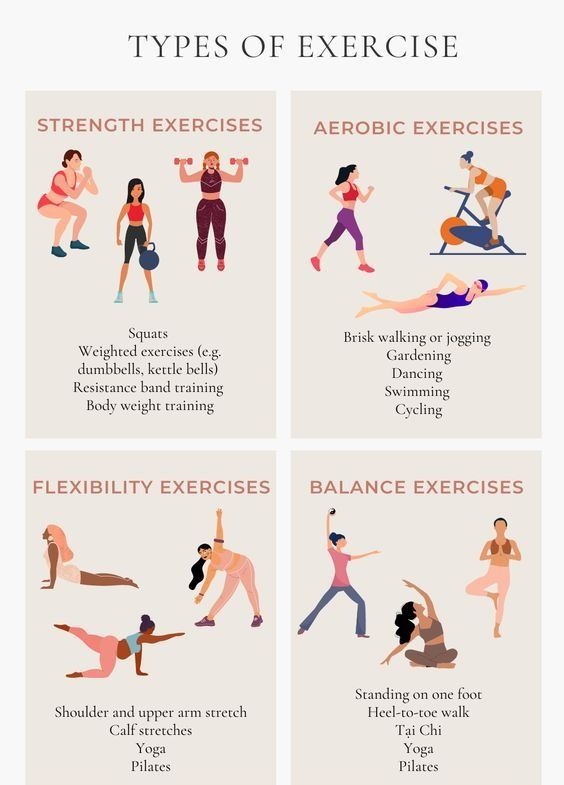
Resistance training makes muscles work against a challenge, such as bodyweight, a band, or an external load. Movement patterns describe broad actions; individual exercises are different ways of practicing them.
A squat uses the knees and hips, as when you sit on a chair and stand up. A hip hinge shifts the emphasis toward movement through the hips while controlling the trunk. Practice without a load may make the hinge easier to learn before adding resistance.
Horizontal pushing includes an elevated push-up or chest press. Horizontal pulling includes a seated band row or a supported dumbbell row. An overhead press is a vertical push; a lat pulldown is a vertical pull.
A farmer's walk is a carry: you hold or move a load while managing your posture. A plank or controlled band exercise can serve a separate trunk-control task.
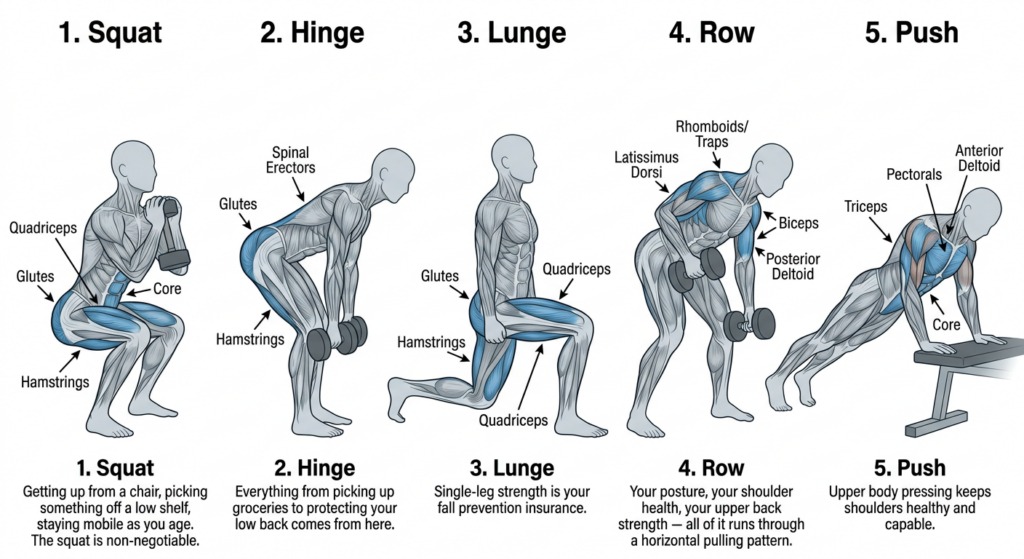
NASM groups foundational training into five broad families: carry, hinge, pull, push, and squat. Coaches may also distinguish vertical and horizontal directions or list core work separately. The categories are teaching aids, with room for different exercise choices.
Compound exercises, such as squats and rows, coordinate movement across more than one joint. Isolation exercises focus more closely on one joint action, such as elbow extension in a skull crusher. In workout instructions, a repetition is one completed movement and a set is a group of repetitions.
Choose between machines, dumbbells, bands and bodyweight
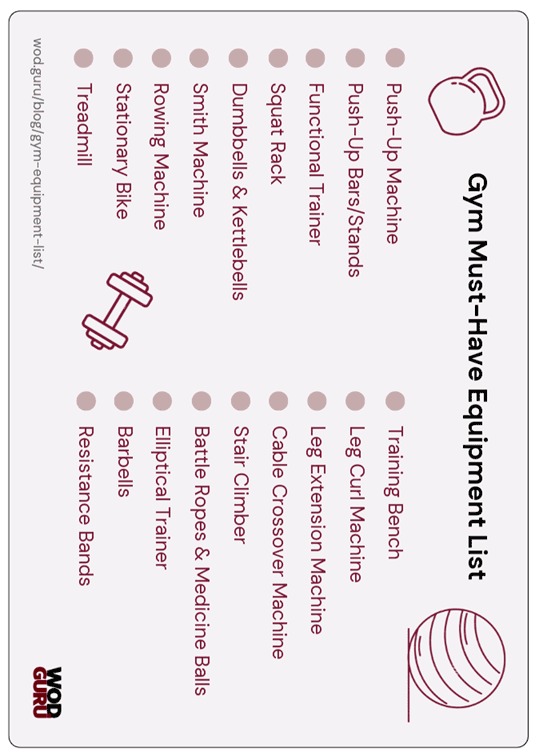
The equipment that fits your space and skill level can provide an effective way to train. Machines, dumbbells, bands, and bodyweight each change the demands of setup, stability, and resistance adjustment.
| Equipment | Examples | Setup and technique demands | Changing the challenge | Limitation to consider |
|---|---|---|---|---|
| Machines and cables | Chest press, leg press, cable row | May provide support or a guided path; body fit and settings matter | Adjust the machine or weight stack | Fixed setup and movement path may not fit everyone |
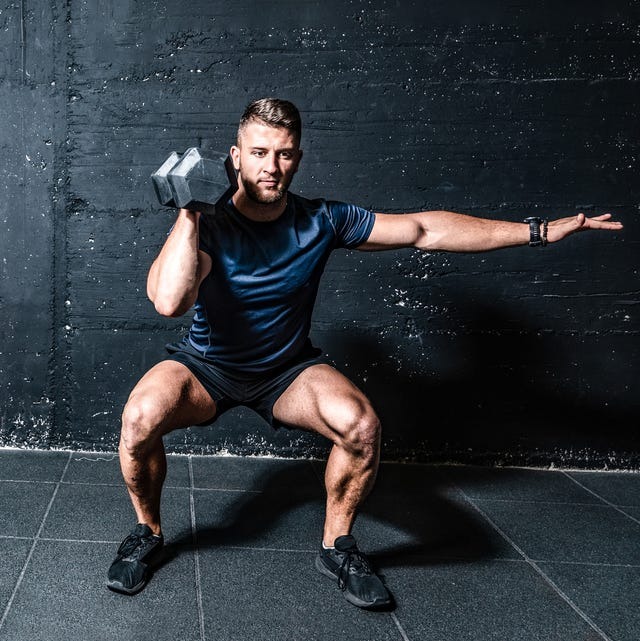
| Dumbbells | Floor press, supported row, goblet squat to box | Separate weights require handling and coordination | Select a suitable weight | Space and control demands |
| Resistance bands | Seated row, band press, core exercises | Portable but require secure positioning | Change band or suitable setup | Tension varies through the motion |
| Bodyweight | Chair squat, elevated push-up, plank | Minimal equipment; leverage affects difficulty | Adjust support, position, or variation | Some versions are technically demanding |
A machine chest press and an elevated push-up serve a similar pushing role, with different positioning and balance demands. For pulling, a seated band row, cable row, and supported dumbbell row offer different setups. Someone who has trouble maintaining a bent-over position may find supported rowing easier to learn.
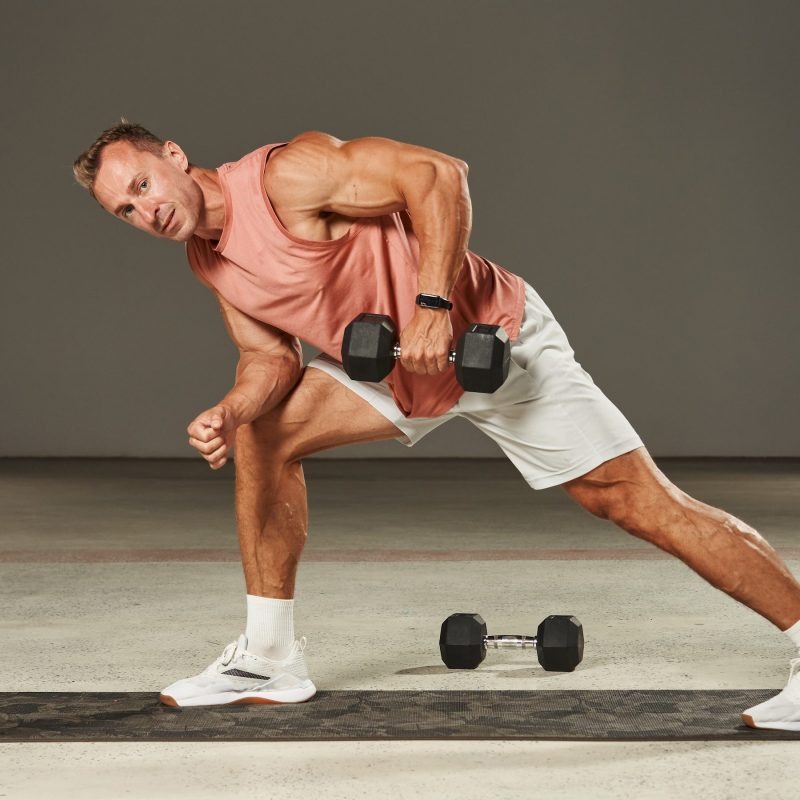
Kompf, Rhodes, and Lee's Delphi research appeared online in 2022 and in a 2025 journal issue. Experts assessed technical demands in one survey and used a 70% agreement threshold for novice suitability in a subsequent survey, identifying 41 suitable exercises across machines, bands, dumbbells, and bodyweight in the published study.
A small weight may still be difficult to coordinate, while a bodyweight exercise may demand substantial control. The American College of Sports Medicine review found benefits from several resistance-training modes, including elastic-band and home-based approaches.
Starting at home or short on time? Keep the first session simple
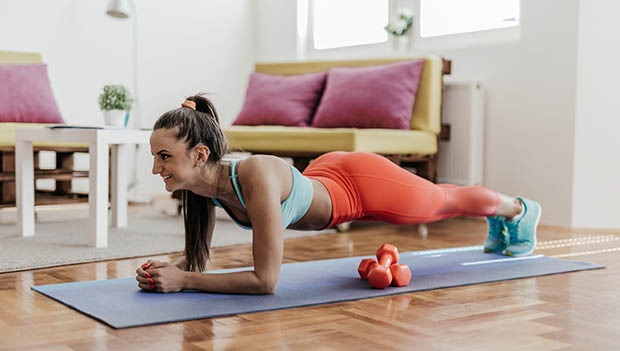
For a beginner with limited equipment, a short home session can be a chance to practice the exercise families. For illustration, that might mean a chair squat, elevated push-up, seated band row, and unloaded hip hinge. These examples provide a starting selection, with appropriate workload and future coverage determined by the person's circumstances.
A commenter described why even a modest home routine can feel difficult to plan:
Thank you for this. Right now the main reason I’m doing zero sessions per week is because I’m a 40+ yo female with two little kids, a job, in daily kcal deficit and just the thought of scheduling exercise and especially of knowing what to do is mentally exhausting. I think often of just doing some squats and lunges and a plank at home without getting all geared up for it, but then I think „how much, how often for it to even count?“. I have no idea. The only hard limit I imposed myself is not signing up for yet another gym membership until I’ve consistently exercised (at home, outdoors, whatever) for some time, say a year.
The US Physical Activity Guidelines recommend muscle-strengthening activity on at least two days per week for adults, alongside 150 to 300 minutes of moderate-intensity aerobic activity. These population-level figures describe an ongoing weekly activity pattern. The home example above illustrates the first practice session, whose workload depends on individual capacity.
A workable first step for a busy household is identifying a place and a repeatable opportunity to practice.
How to tell whether a variation is manageable
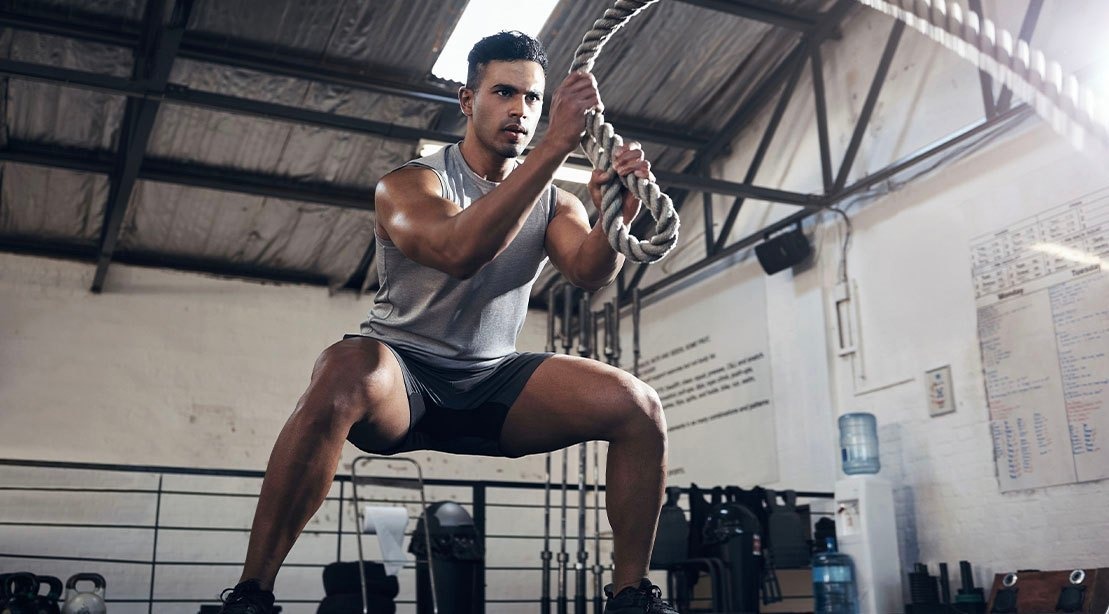
A manageable variation lets you control the movement and practice it consistently. Coaches sometimes call a less demanding version a regression. Range of motion is how far a joint or body part moves during an exercise; balance, coordination, that distance, and external resistance all affect difficulty.
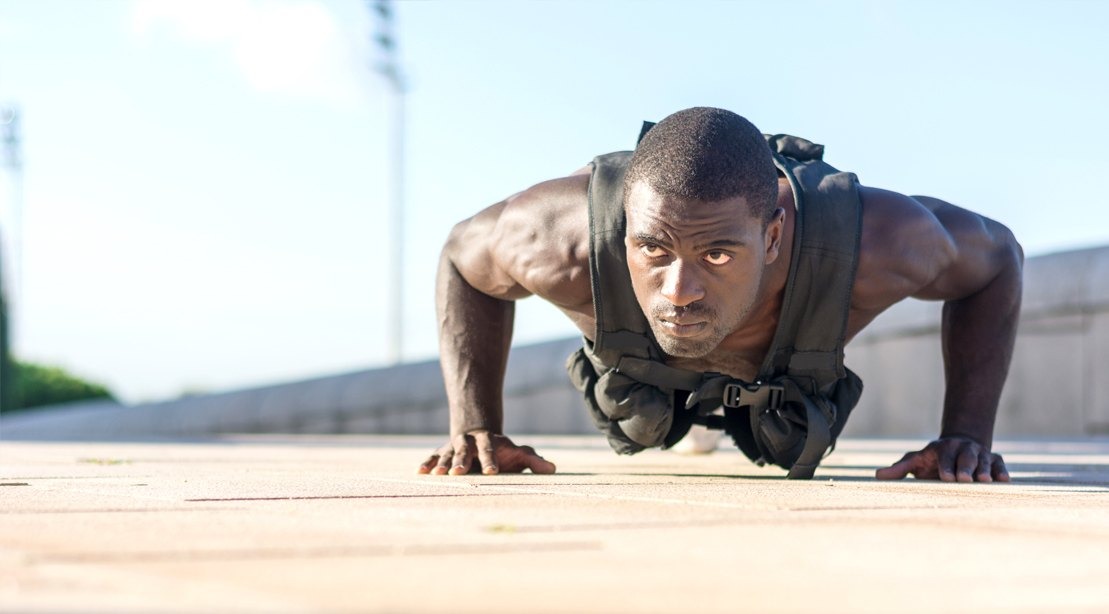
For example, placing your hands on a stable, suitable elevated surface can make a push-up manageable for a particular beginner. A floor push-up demands a different level of control. A supported row may reduce the need to hold a bent-over trunk position; a box can provide a reference point for a goblet squat.
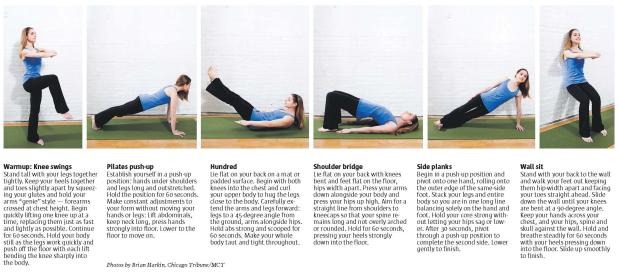
Before increasing resistance, make a light practice attempt and notice three things: whether the setup stays stable, whether the motion remains controlled, and whether you can repeat it without obvious compensations. The appropriate range of motion depends on the person and the particular exercise.
The American Academy of Orthopaedic Surgeons discusses technique, gradual progression, and instruction as part of beginning strength training. A qualified demonstration can help when the mechanics remain confusing, while detailed exercise guidance is needed for the specific lift.
Progress without chasing somebody else's lifting numbers
Progressive overload means gradually increasing the training challenge as performance develops. A learner can notice progress in control and repeatability before making a large change in resistance.
| What to observe | Possible improvement | Fair comparison |
|---|---|---|
| Control | More consistent execution | Same exercise and variation |
| Repetitions | More controlled repetitions | Similar resistance and technique |
| Resistance | A manageable increase in load or difficulty | Comparable exercise setup |
| Range of motion | More controlled movement within an appropriate range | Same exercise and personal constraints |
An increase in weight becomes meaningful when you know what stayed comparable: the exercise version, the execution, and the conditions. A simple record of those details is more informative than an isolated number.
The American College of Sports Medicine's 2026 position stand synthesized 137 systematic reviews involving more than 30,000 participants. Across the evidence reviewed, resistance training improved outcomes including strength, muscle growth, power, and several measures of physical function when compared with no exercise.
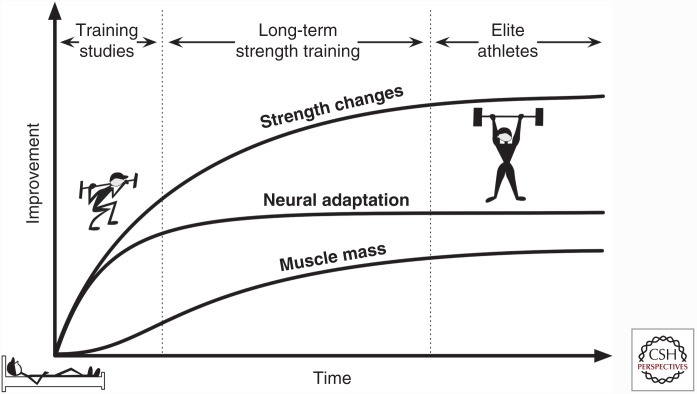
The review found that heavier loads, including at least 80% of one-repetition maximum (1RM), favored maximal-strength outcomes in some comparisons. Higher training volume, including at least 10 weekly sets per muscle group, favored muscle growth. Those figures compare outcome-specific training protocols among adults; a novice's starting load and any maximum-lift testing require separate judgment.
One commenter in a discussion of squat progress explained why social-media lifting numbers can become misleading benchmarks:
I feel like it's important to mention that a 75kg squat in one year which is also beyond your body weight is a brilliant achievement. The weights you see people lifting on social media are not the norm. I hate squatting and avoid it at all costs -- I've been strength training three years and I think my max full range squat is 85kg at 60kg bw. You've literally no idea what this woman's squat form looked like, and strength can change so much based on sleep, nutrition, stress, etc. It's really not a good idea to compare yourself against others.
Training history, exercise depth, equipment, technique, sleep, and other conditions differ between lifters. Compare your own repeated performance under similar conditions and raise the challenge when the movement remains controlled and recovery allows it.
When to modify an exercise or get qualified help

Stop exercising if acute pain, significant dizziness, chest discomfort, or unusual shortness of breath occurs; seek medical help promptly for concerning symptoms and call emergency services if symptoms suggest a heart attack. A qualified trainer or physical therapist can help with exercise technique and selection within their scope, while concerning symptoms and relevant medical restrictions belong with a licensed clinician. Someone returning after injury or managing a condition affecting exercise may need individualized guidance before applying general examples.
Find the detailed strength-exercise guide you need
If a movement name is unfamiliar, the movement-pattern guide above will help identify its role; the technique checks explain what makes a variation manageable.
- Squat workload and leg movements: How Many Squats Should You Do a Day? A Goal-Based Guide covers volume and recovery. Curtsy Lunges: Technique, Muscles Worked, and Alternatives covers the named leg movement.
- Pushing and arm anatomy: Biceps vs. Triceps: Anatomy, Functions, and Training Differences explains the muscle groups. Do Push-Ups Work Your Biceps? Muscles and Alternatives addresses one muscle-emphasis question. Reverse Push-Ups: Variations, Technique, and Limitations clarifies a movement with an ambiguous name.
- Arm and shoulder isolation: What Muscles Do Skull Crushers Work? Technique and Variations and Rear Delt Raises: Technique, Muscles Worked, and Variations focus on narrower exercise techniques.
- Core training: Resistance Band Ab Exercises: A Practical Core Workout, Transverse Abdominis Exercises: A Guide to Deep Core Training, and Toe Tap Exercises: Variations and How to Do Them cover different equipment, muscle, and named-movement questions.
- Carries: Farmer's Walk: Muscles Worked, Technique, and Benefits explains the loaded carry.
- Conditioning combinations: Burpee Benefits, Technique, and Beginner Modifications treats a mixed movement with conditioning demands.
The running-and-glute-size question belongs to a separate endurance and body-composition explanation.
For an otherwise-healthy adult choosing strength exercises, begin with manageable squat or hinge, push, and pull movements that fit your goal, equipment, and ability to move with control. If pain, a health limitation, or loss of control changes the choice, seek qualified help; otherwise choose an appropriate variation and use its detailed technique guidance.
Explore this topic
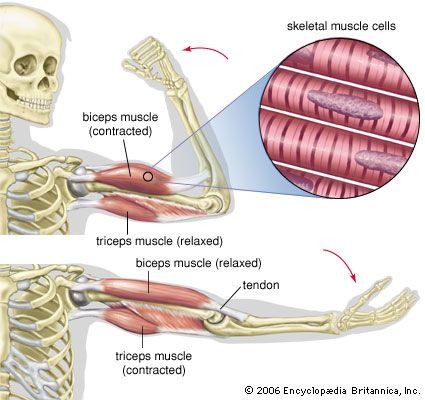
Biceps vs. Triceps: What They Do and How to Train Them
See how biceps and triceps differ in anatomy and elbow movement, which lifts involve each, and how to arrange arm work without derailing your main lifts.
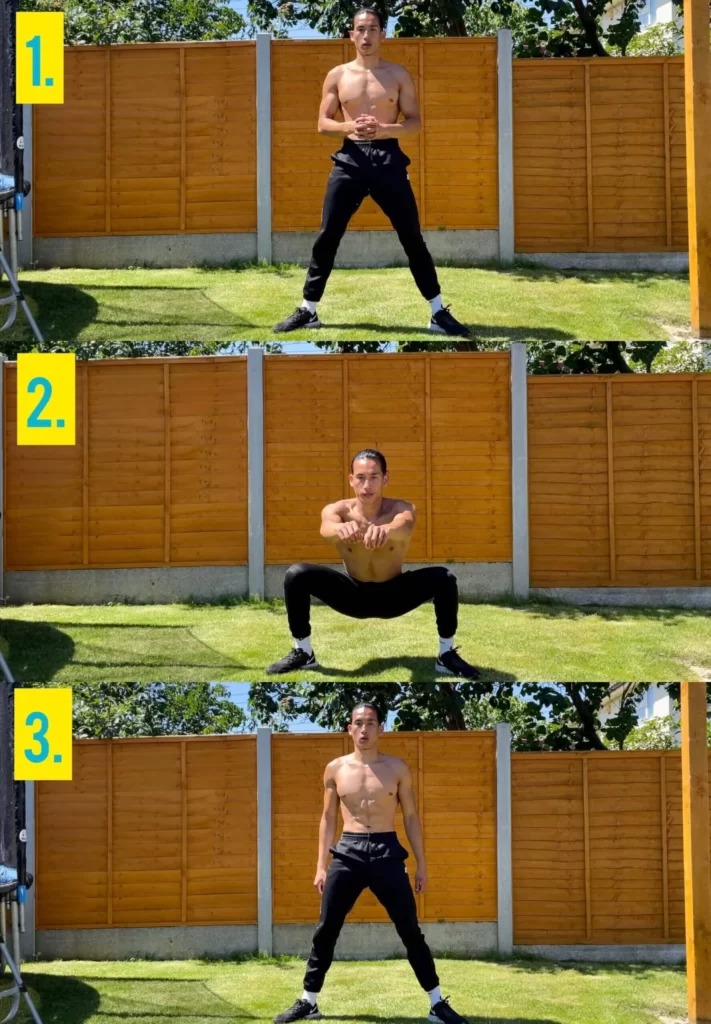
How Many Squats Should You Do a Day? A Goal-Based Guide
Find a manageable starting squat set, see when daily practice fits, and learn how effort, recovery, and your goal change the number you need.
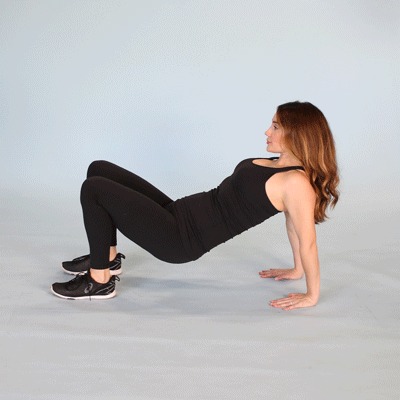
Reverse Push-Ups: How to Tell the Variations Apart
Identify reverse push-up variations by body position and movement. Learn the floor, push-back, and reverse-grip techniques, plus when to choose an alternative.
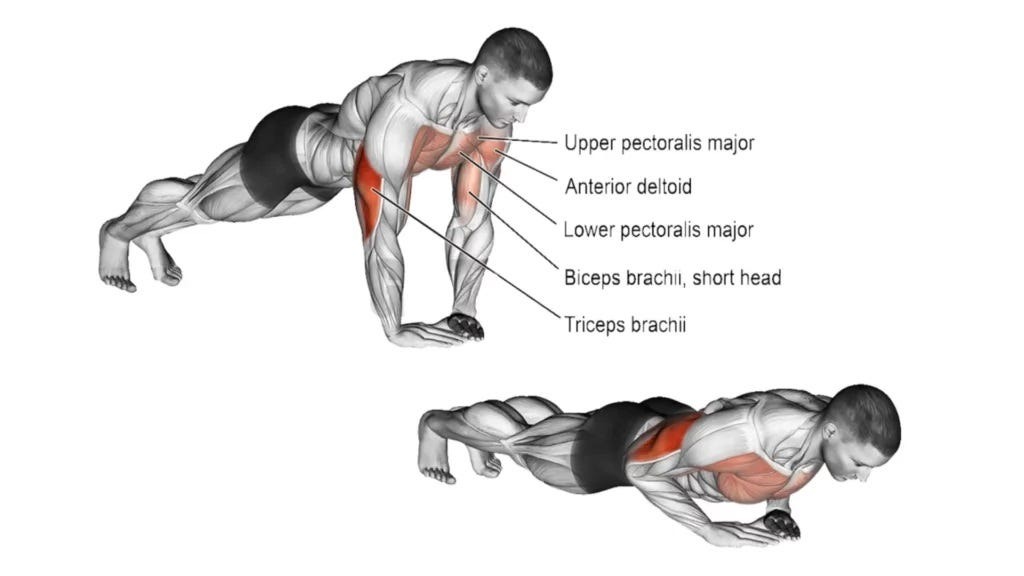
Do Push-Ups Work Your Biceps? Muscles and Better Alternatives
Push-ups can involve the biceps but mainly train pressing muscles. Compare grip variations and choose curls, chin-ups, or rows for your goal and equipment.
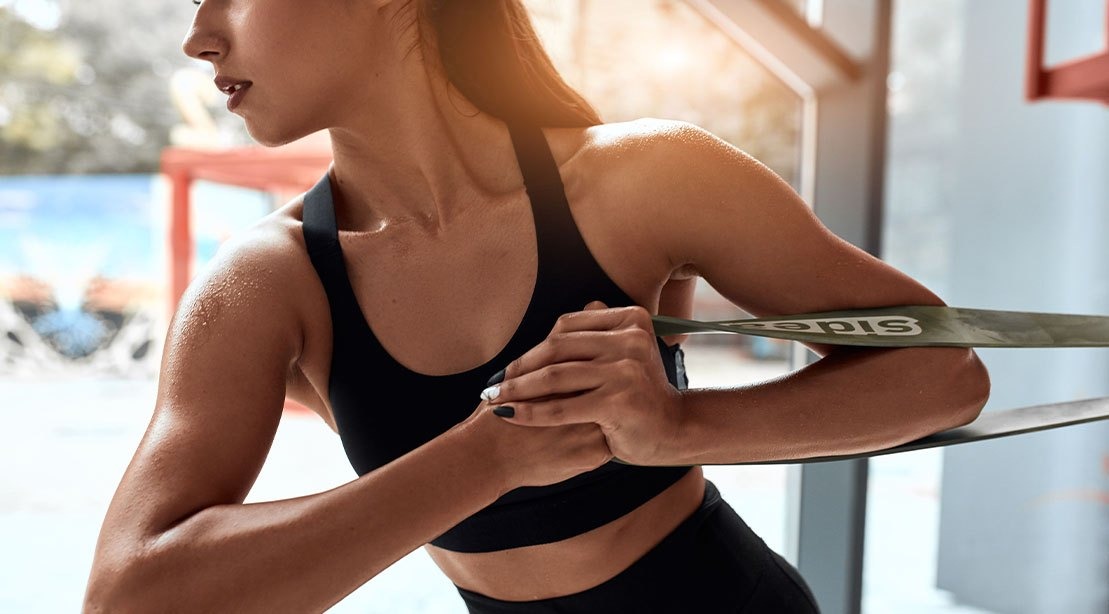
Resistance Band Ab Exercises: Choose Your Setup and Workout
Match ab exercises to your mini-loop, long band, or secure anchor. Follow a short core workout with clear form cues, safer setup checks, and ways to progress.
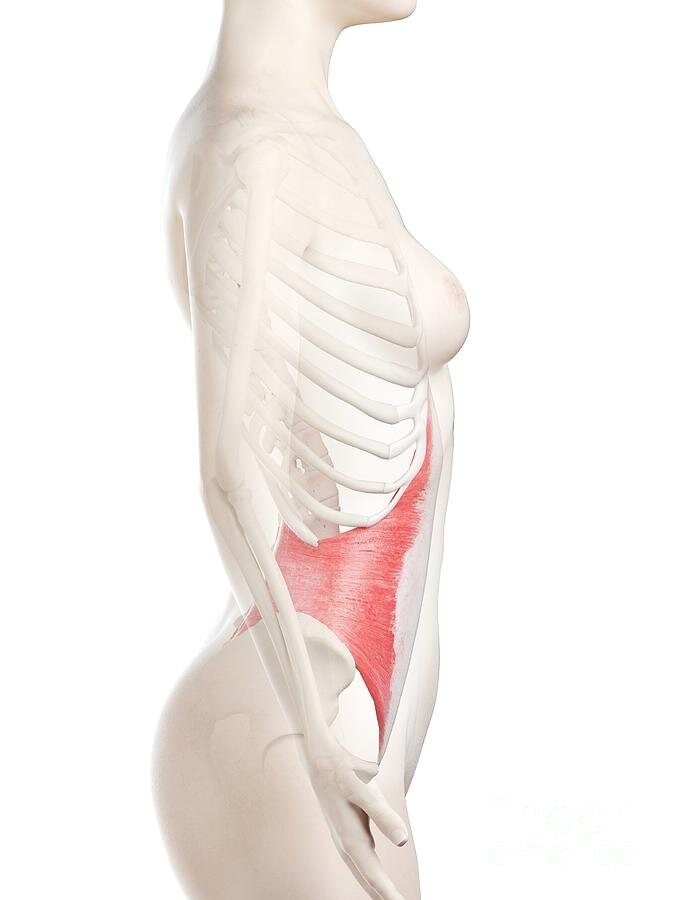
Transverse Abdominis Exercises: A Practical Deep-Core Guide
Learn a gentle deep-core cue, compare hollowing with bracing, and choose toe taps, dead bugs, bird dogs, or planks with clear form checks and easier options.
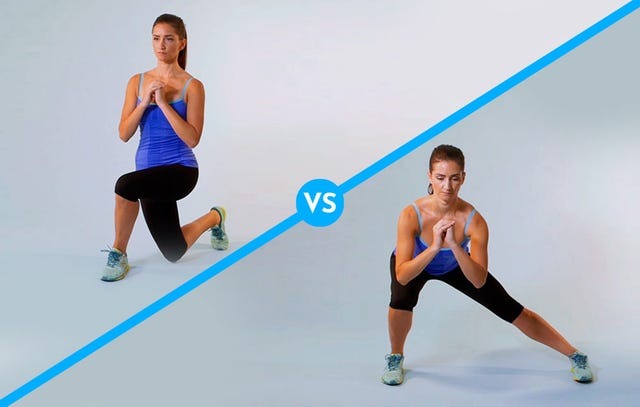
Curtsy Lunges: How to Do Them, What They Work, and When to Switch
Learn a controlled curtsy lunge, check your knee and hip alignment, and compare reverse lunges, split squats, and easier options if balance slips.
Toe Tap Exercises: Variations and How to Do Them
Learn standing step, three-way balance and Pilates toe taps. Follow clear instructions, adjust difficulty, and recognize when to stop or switch versions.
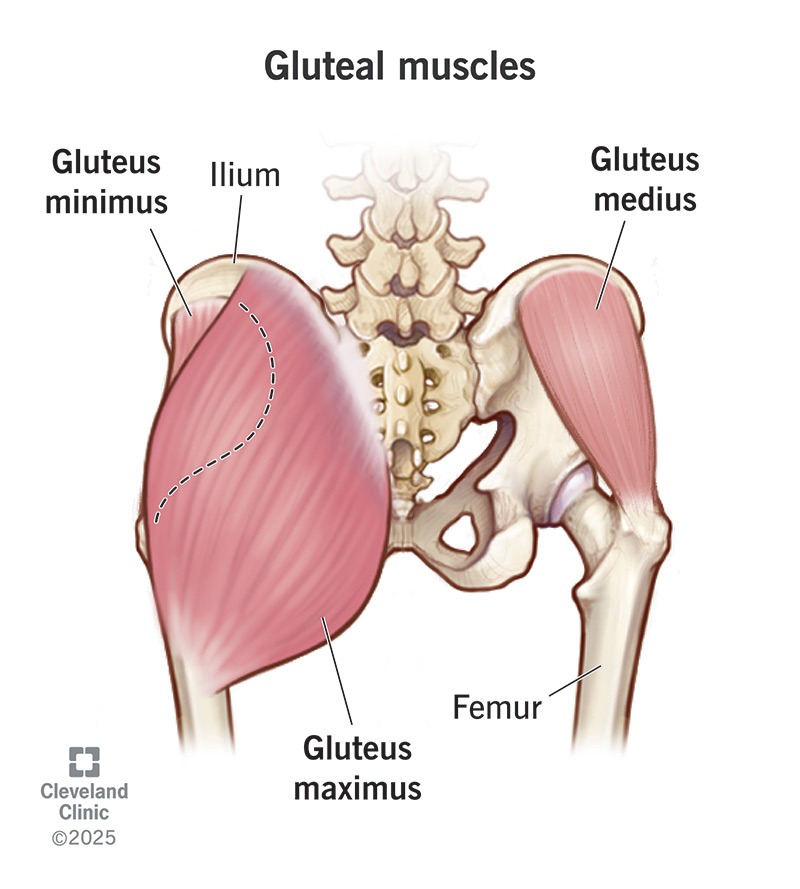
Does Running Make Your Butt Bigger?
Learn what running does to your glutes, how sprints and hills differ from easy miles, and when strength training is the better choice for muscle growth.
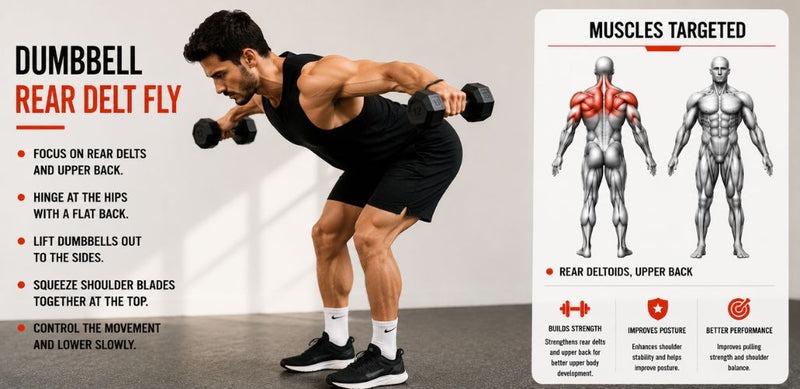
How to Do Rear Delt Raises: Form, Muscles, and Variations
Learn rear delt raise form, spot fly-versus-row mistakes, compare dumbbells with machines, and choose a variation that fits your equipment and control.
Farmer's Walk: Muscles Worked, How to Do It, and What It Helps Train
See which muscles a farmer's walk works, how to lift and carry with control, when grip limits you, and how walks differ from suitcase carries and holds.
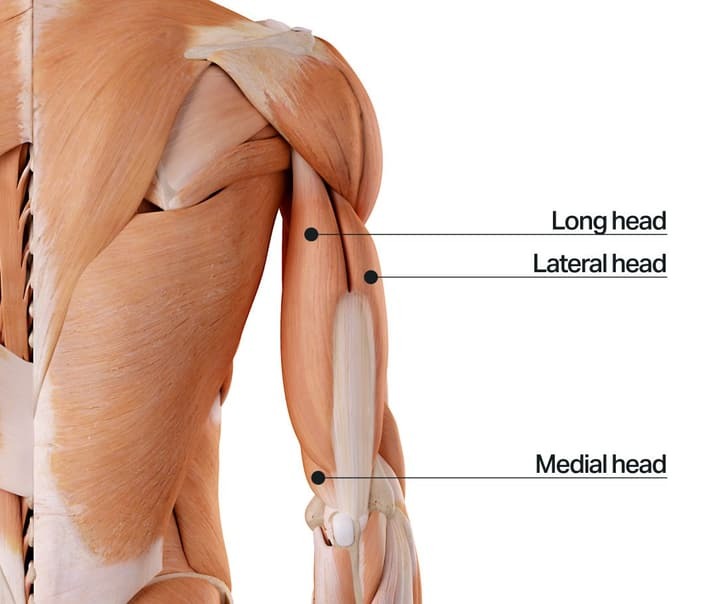
What Muscles Do Skull Crushers Work? Form and Variations
Skull crushers train all three heads of your triceps. Learn controlled form, compare forehead and behind-head paths, choose equipment, and spot reasons to stop.
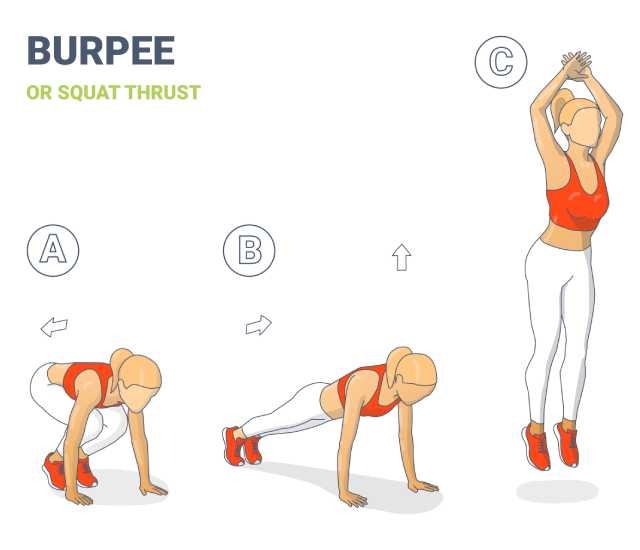
Burpee Benefits: What They Improve and How to Do Them
Learn what burpees improve, what studies measured, how to perform each phase, and when a step-back, incline, or lower-impact exercise makes more sense.