
Reverse Push-Ups: How to Tell the Variations Apart
“Reverse push-up” can mean three different exercises: a rear-support dip, a push-back push-up, or a push-up with your fingers pointing toward your feet. The name isn't enough to tell you what the move involves. Identify the variation before attempting one you can control without pain or slipping. If the position doesn't suit you, switch to an easier option.
What Does “Reverse Push-Up” Mean?
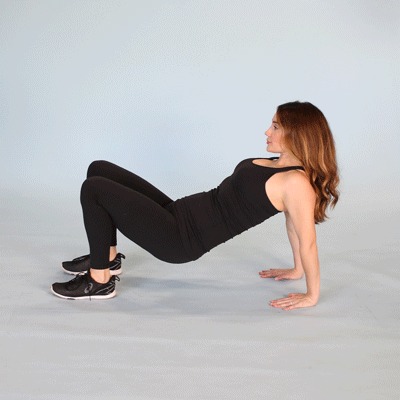
To identify a “reverse push-up” in a video, look at which way the body faces, where the hands sit, and whether the movement pushes up, shifts backward, or pulls toward a support.
One exercise starts seated with your hands behind you; another begins low to the floor and drives the hips back. A third looks like a regular face-down push-up with the fingers turned toward the feet.
| Movement | Starting position | What moves | How to recognize it |
|---|---|---|---|
| Floor rear-support reverse push-up | Seated, hands behind the body | Hips rise and lower | Weight shifts onto hands and heels |
| Bench dip | Hands on a bench behind the torso, feet grounded | Body lowers and rises as elbows bend and straighten | Raised support behind the body |
| Push-back reverse push-up | Face down, chest close to the floor | Hips travel backward and upward, then forward | Pronounced backward shift |
| Reverse-grip push-up | Face down, fingers turned toward the feet | Body lowers and presses upward | Unusual palm orientation |
| Inverted row | Body beneath a bar or suitable support | Torso pulls toward the support | Horizontal pulling action |
| Reverse tabletop | Facing up, supported on hands and feet | Hips lift or the position is held | Supported bridge or hold |
The first four rows are the pressing and rear-support versions. The last two are different exercises that sometimes share the name.
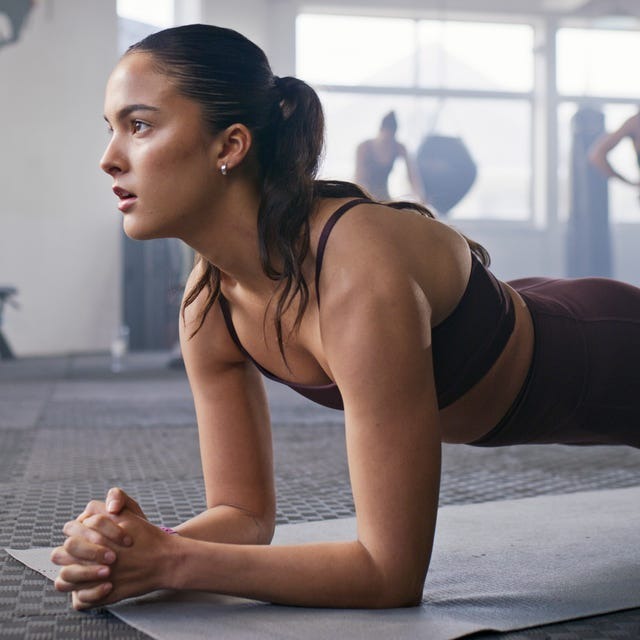
When you follow a demonstration, check all three features before borrowing its technique cues. A video with hands on a bench calls for different instructions from one in which the hips slide toward the heels.
Floor Reverse Push-Ups and Bench Dips
For the floor version, sit with your knees bent and plant your hands behind you, close to your hips. Press through your arms to lift your hips, then extend your legs until your weight rests on your hands and heels. Lower with control.
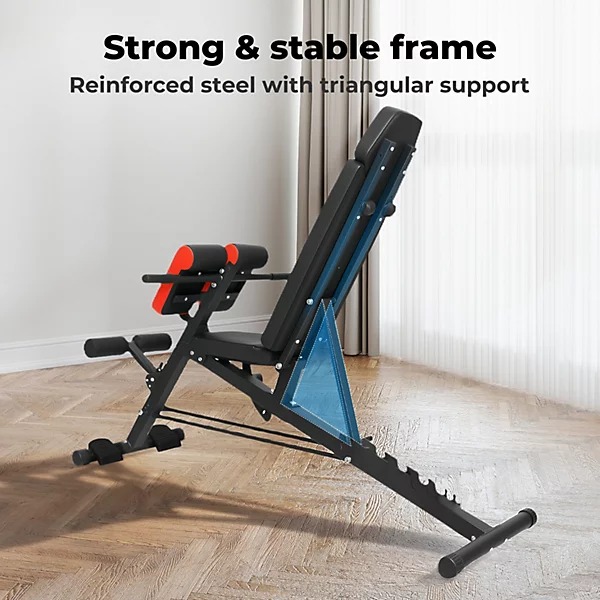
In a bench dip, place your hands on a stable bench behind your torso and your feet on the floor. Bend your elbows to descend, then straighten them to return. Both versions use the triceps to extend the elbows, but raising the hand support changes the movement path and shoulder position.
Push-Back Reverse Push-Ups: When the Rep Falls Apart
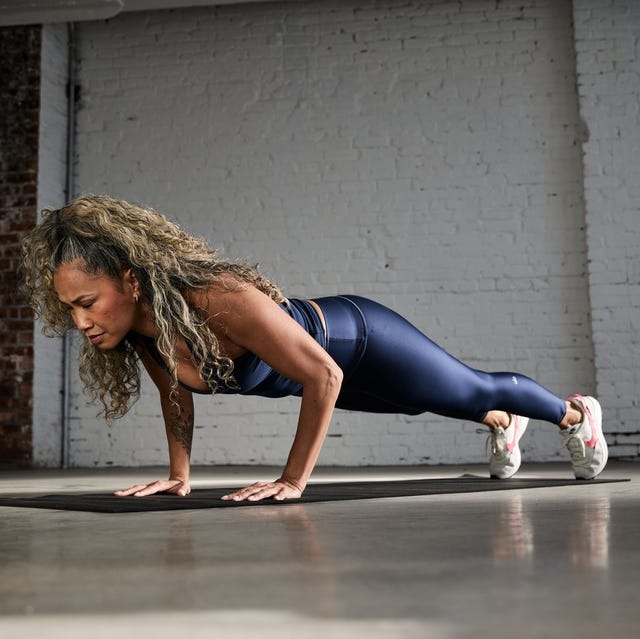
A push-back reverse push-up starts near the bottom of a face-down push-up. Straighten your arms as the hips move backward and upward, then shift forward to return toward the low starting position.
The hard part is keeping your hands and feet planted on the way back and on the way forward. You can lower into the position fine and still lose control on the return.
One new bodyweight trainee ran into exactly this:
Hey all :)
I'm totally new to bodyweight training, I've spent the last few days setting up a workout plan and practising each of the exercises to try and learn form & decent technique as much as possible before I get into a proper routine.
the only exercise I'm having real trouble with is the Push Back Push Up or Reverse Push Up (video attached). I find it almost impossible to do more than 1 at a time without either my hands slipping (especially when sweaty) or my feet slipping, and the whole position just kind of collapsing every time I slip. I've tried on carpet and on a gym mat, tried barefoot, tried socks, tried shoes, same result every time. slipping so much that I can barely practice it, let alone attempt it at a higher intensity.
does anyone have any advice? and is this an exercise worth sticking with anyway? it doesn't seem hugely popular so I don't know if I should persevere with it or just sub it for something different.

Use a stable surface and a manageable range, and make the backward travel and forward return deliberate. If your hands or feet keep sliding, drop this variation. A simpler controlled press still serves a general upper-body pressing goal.
Reverse-Grip Push-Ups and Wrist Position
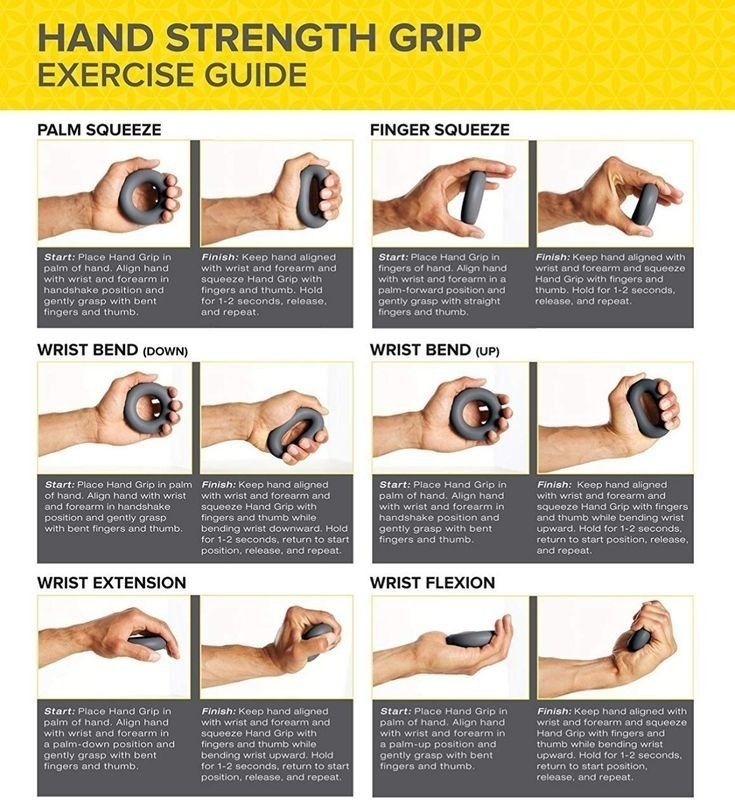
A reverse-grip push-up keeps the usual face-down pressing action but turns your hands so the fingers face your feet. As the elbows bend and straighten, your wrists bear weight in a different orientation from a conventional push-up. For reverse-hand positions, triceps loading, and pressing mechanics, see the standard push-up muscle analysis.
Comfort varies with how far you turn your hands. A reader reported wrist pain halfway through the second set after trying this grip for biceps work:
Simply put I want to be able to have a calisthenic variant bicep workout and planches are a bit too high level for me, I can do reverse grip pushups though but they hurt my wrist in the middle of my 2nd set
Stop if this grip hurts your wrists, whatever muscle you're after.
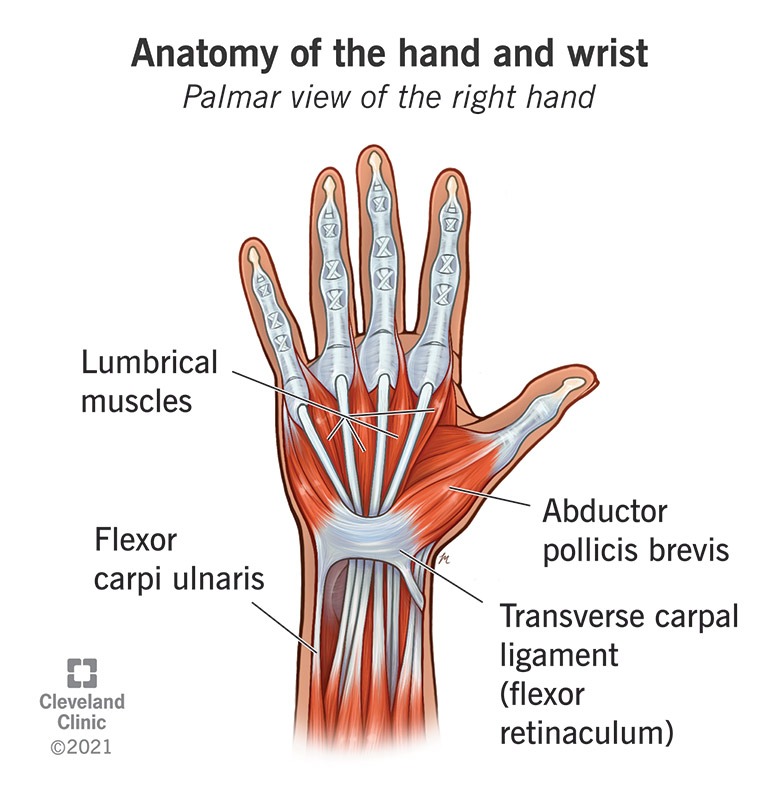
A conventional push-up keeps the face-down pressing goal with a more familiar hand position. Use a row or another elbow-flexion exercise if you want a pulling task instead.
Which Muscles Do Reverse Push-Ups Work?
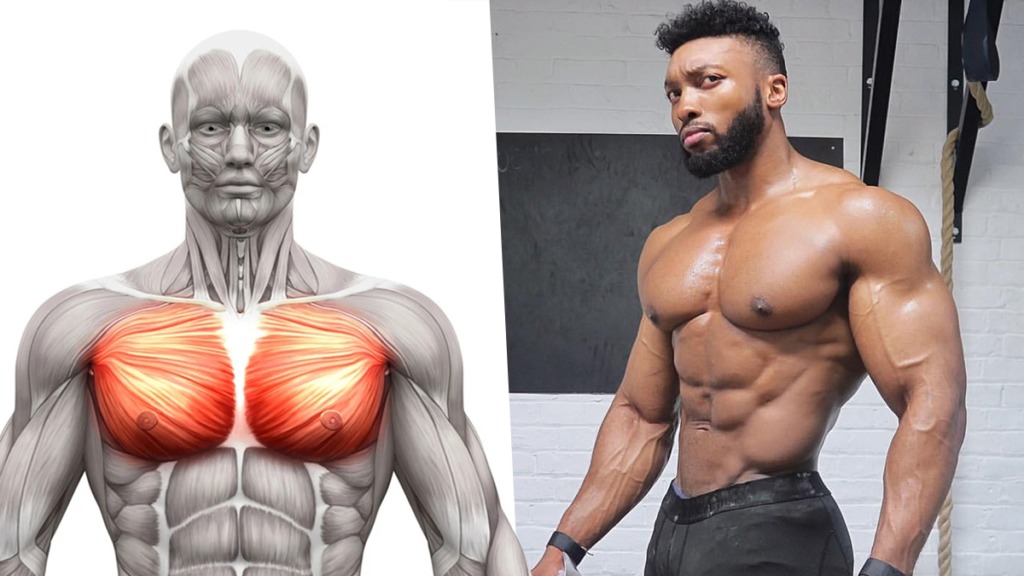
Bench dips rely on the triceps brachii to straighten the elbows. A face-down push-up recruits the triceps, pectoralis major, and shoulder muscles including the anterior deltoid. The push-back version changes body position and loading during the repetition. An inverted row pulls the torso toward a support using back muscles and elbow flexors.
Electromyography (EMG) measures muscle electrical activity. In a comparison of bench, bar, and ring dips, mean peak triceps EMG was lowest on bench dips (0.83 ± 0.34 mV) and about equal on bar (1.04 ± 0.27 mV) and ring dips (1.05 ± 0.40 mV).
A 2005 push-up hand-position study tested 40 adults (11 men and 29 women) using narrow, shoulder-width, and wide hand spacing. Narrow positions produced higher pectoralis and triceps EMG than wide positions (p < 0.05).
In a 2026 comparison of standard, diamond, and wide push-ups, 20 recreationally active young men performed six repetitions of each condition. Diamond push-ups produced the highest relative triceps activation, although some diamond-versus-standard comparisons were not statistically significant.
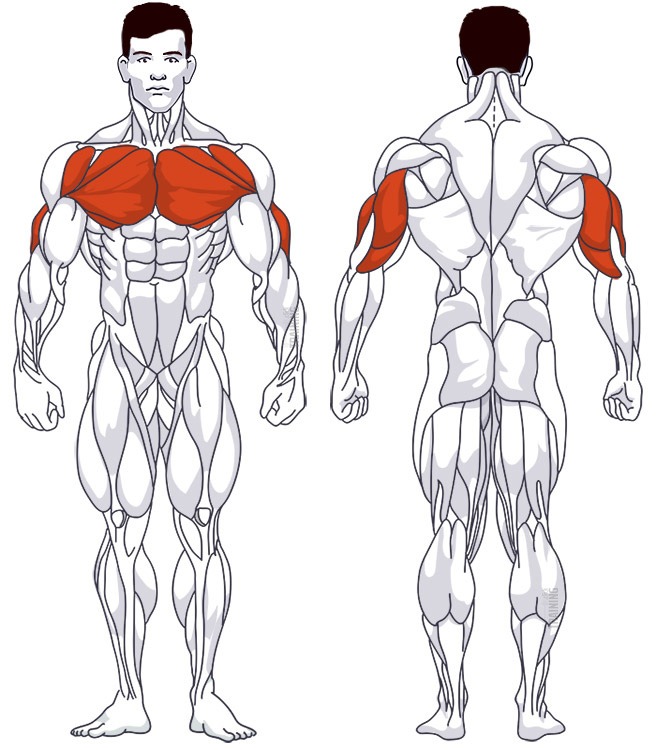
Both push-up studies varied hand spacing. Neither tested fingers pointing back toward the feet, so they don't show long-term biceps growth from reverse-grip push-ups.
The joint action is the clearer guide to muscle emphasis. Pressing extends the elbows against resistance. Rowing pulls the body toward a support through the arms and shoulders.
Why Bench Dips Can Be Demanding on the Shoulders
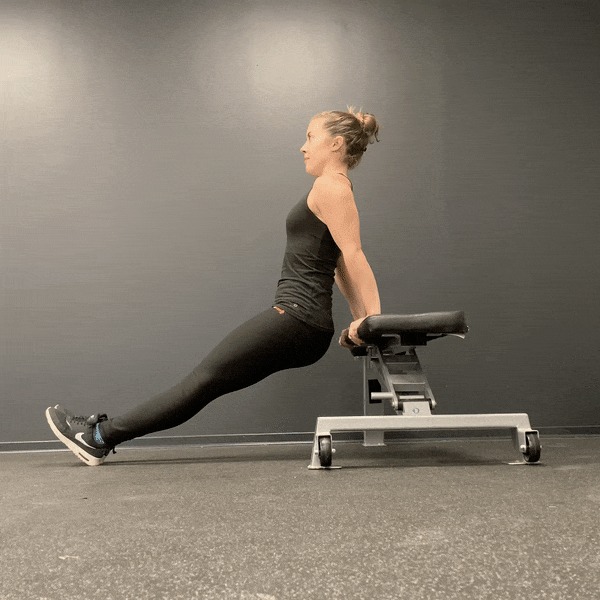
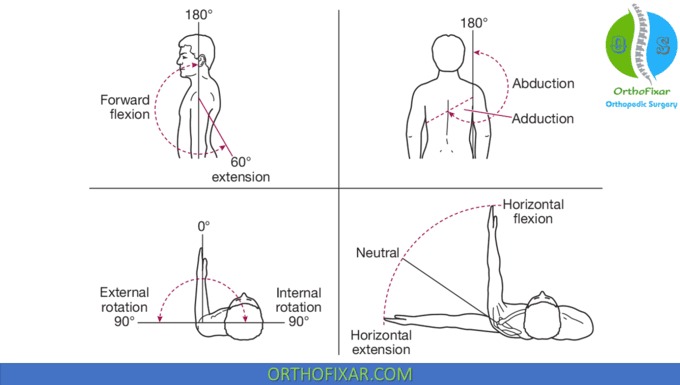
With your hands planted behind your torso, a bench dip puts the shoulders into loaded extension as you lower. This can make the movement uncomfortable even if you feel strong in other shoulder exercises.
In a study published October 14, 2022, researchers used three-dimensional motion capture and surface EMG while 13 experienced men performed four repetitions each of bench, bar, and ring dips. Two participants were excluded from the ring-dip condition because they had not regularly performed that variation.
Here is peak shoulder extension from the bench, bar, and ring dip study, relative to each participant's separately measured self-selected maximum:
| Dip variation | Peak shoulder extension relative to measured maximum |
|---|---|
| Bench dip | 101.35% ± 6.49% |
| Bar dip | 88.03% ± 10.20% |
| Ring dip | 68.88% ± 13.88% |
Bench dips involved the greatest relative shoulder extension in this small laboratory comparison. The authors cautioned against routinely prescribing them because of the loaded end-range position.
The percentages are relative to an individual reference, not joint angles or injury rates. The study recorded acute biomechanics in experienced men. Bar and ring dips have different demands and are not automatic beginner substitutions.
One exerciser found dips felt very different from their usual shoulder training:
Pretty much what the title says. Am I the only one that feels like dips hurt way more than they should? Whenever I do them, it feels like both rotator cuffs are about to explode. I have good shoulders. No injury history, fairly flexible, and I have good stamina and very good strength with other shoulder exercises. Every trainer or group that I've ever worked out with does bench dips.They feel dangerous.
As far as form, I keep my legs slightly bent with my heels on the ground. I try to keep my back straight and chest out. Fingers pointed towards my feet, on the edge of the bench. I vary my width and that alleviates the pain a little temporarily, but after a couple of reps it comes back. The lower I go the more it hurts.
The study above shows why the position is demanding.
The Edmonton Bone & Joint Centre advises people recovering from shoulder pain or injury to avoid loaded arm positions behind the body, including dips, reverse crab walks, and reverse planks.
Stop the exercise if it causes sharp or worsening joint pain or concerning chest discomfort. If chest pain or pressure is persistent, recurrent, severe, or accompanied by breathlessness, sweating, faintness, or discomfort spreading to the arm, jaw, or back, call 911 immediately in the United States. Ongoing joint pain or a suspected musculoskeletal injury needs assessment by a health professional.
Which Reverse Push-Up Should You Choose?
Start with the movement you want to train. Related exercises still place your joints and body weight in different positions.
| Training goal | Go with | Check first |
|---|---|---|
| Triceps-focused elbow extension | Push-up or another resistance exercise | Whether behind-body support is comfortable |
| General upper-body pressing | Conventional or easier incline push-up | Whether the range and setup stay controlled |
| Push-back bodyweight skill | Push-back variation through a manageable range | Whether hands and feet keep contact throughout |
| Back and biceps pulling | Row or another elbow-flexion exercise | Whether the goal calls for a pulling action |