Do Push-Ups Work Your Biceps? Muscles and Better Alternatives
Your biceps contribute during a push-up, but the exercise chiefly works the chest, triceps, and front shoulders. If you want bigger biceps, keep push-ups for pressing strength and add a curl, chin-up, or row that you can do with control and make harder over time. If you want better push-ups, keep practicing and progressing them.
Which muscles do the work in a push-up?
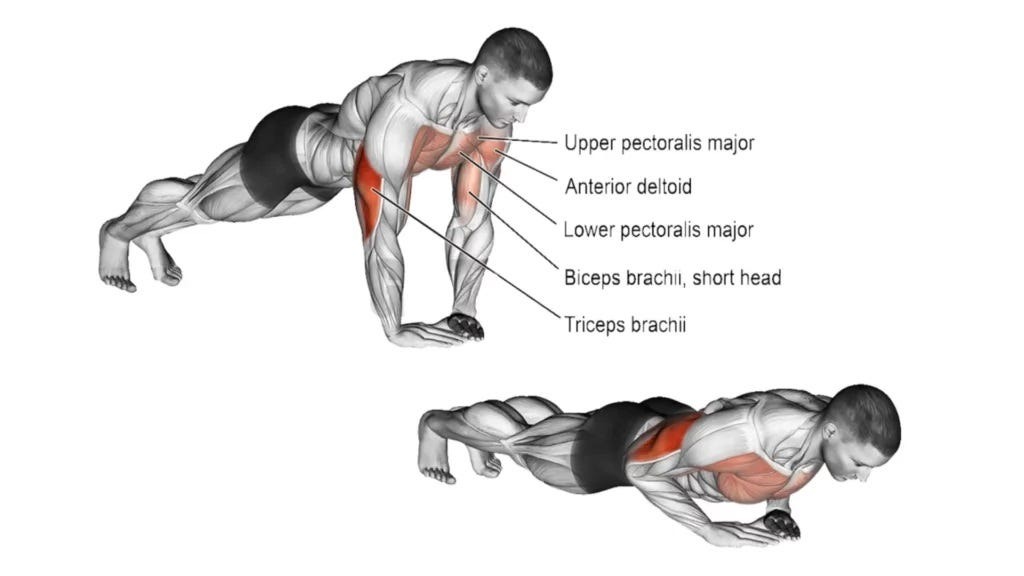
Notice how your elbows move during a push-up; they straighten as you press away from the floor. Your triceps extend the elbow, while the chest and front shoulders help move your upper arms through the press. Muscles around your trunk and shoulders keep the movement steady.
The NASM push-up exercise reference lists the pectoralis major, triceps, and anterior deltoid among the main muscles involved.
Your biceps brachii has other main jobs: bending the elbow (flexion) and turning the forearm palm-up (supination). In a curl, elbow flexion works against resistance. In the upward phase of a push-up, elbow extension drives the movement. Your biceps still helps with stabilization and coordination.
Why biceps activation is not the same as building bigger biceps
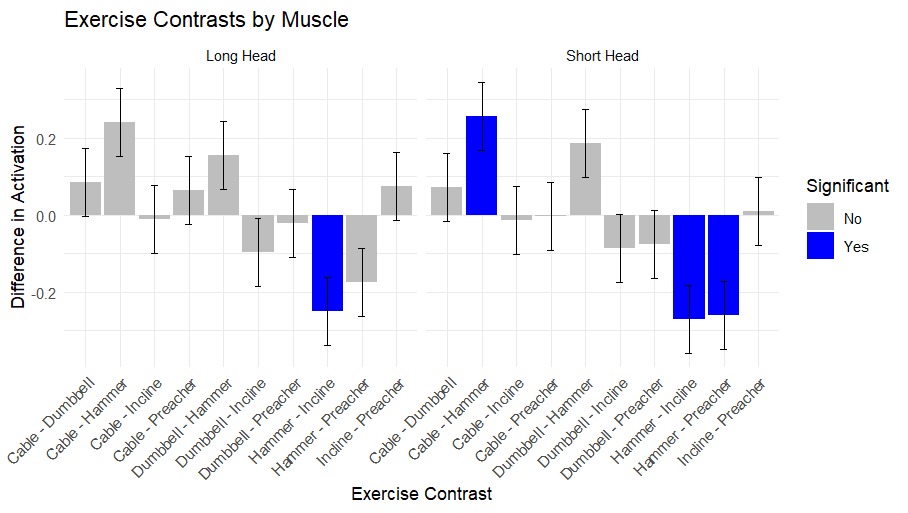
Electromyography, or EMG, records the electrical activity of muscles as they contract during exercise.
Biceps activity was lower in push-ups than in bench presses. A 2020 push-up and bench-press study reported normalized biceps EMG of 9.4 ± 2.9% during push-ups and 16.4 ± 10.1% during bench presses in the upward (concentric) phase.
The researchers normalized those readings using their bench-press maximum voluntary contraction procedure. Those percentages show muscle activity under that protocol. They don't tell you how much force the biceps supplied or how much muscle an exercise would build.
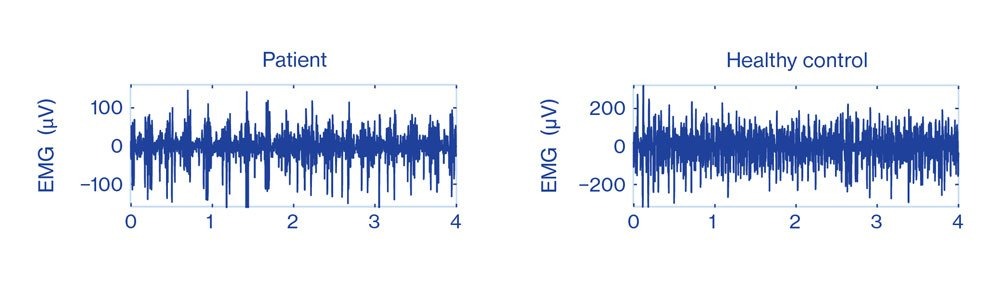
Biceps growth comes from repeated training that keeps challenging the elbow flexors over time. The biceps-versus-triceps guide explains how biceps, triceps, and elbow movement work together.
Do diamond, close-grip, reversed-hand, or one-arm push-ups train biceps better?
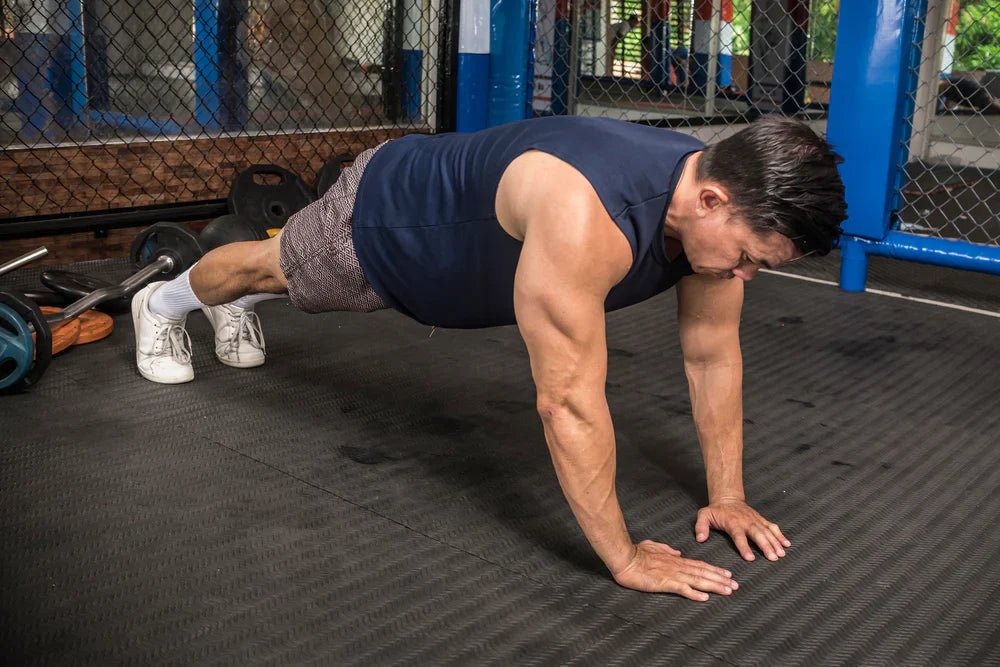
Hand position changes what a push-up demands. In the cited studies, the clearest findings concern the chest and triceps, especially when the hands move closer together.
What narrow-hand experiments measured
In 2015, Marcolin and colleagues tested five push-up variations in eight participants and recorded 12 muscles, including biceps brachii. Narrow hand placement particularly emphasized triceps brachii and pectoralis major.
A separate 2005 study of 40 participants also found higher chest and triceps activity with narrow hand placement. It measured only those two muscle groups.
A 2026 diamond, standard, and wide push-up study tested 20 young men performing six repetitions per variation. The researchers recorded the pectoralis major and triceps brachii. They did not measure biceps activity.
Diamond and standard push-ups produced more activity than wide push-ups in the reported comparisons. The difference between diamond and standard was not statistically significant on the main raw or normalized EMG comparisons.
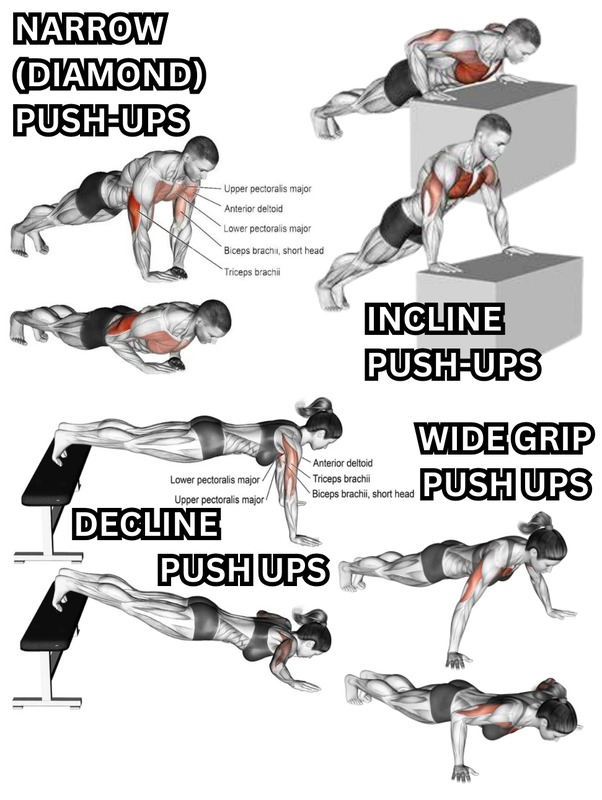
| Variation | Training emphasis or evidence | What it means for a biceps-first goal |
|---|---|---|
| Standard | Chest, triceps, and front-shoulder pressing | Good for pressing; the biceps get indirect work |
| Close-grip | Narrow-hand studies show more chest and triceps activity | Shifts more work to the triceps |
| Diamond | High chest and triceps EMG; no significant difference from standard in the study's measured comparisons | Another close-hand pressing option |
| Reversed-hand | Changes hand orientation and wrist demands | Check wrist comfort first |
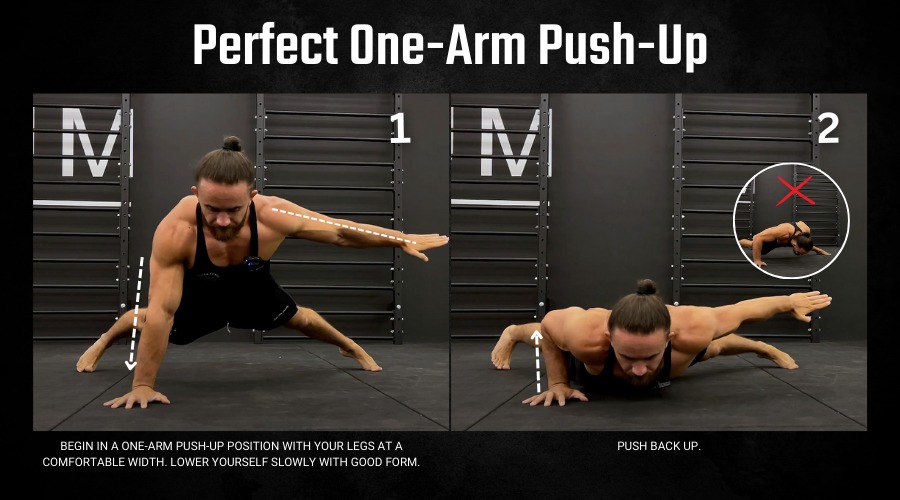
| One-arm or pseudo-planche | Advanced strength, loading, and balance demands | A pressing skill challenge |
| Sling or suspension | Higher biceps activity in a tested static sling condition | Adds stabilization demand |
What reverse grips and slings change
Rotating the hands into a reverse grip changes wrist position. A “reverse push-up” described in one routine can be a different movement from the backward-positioned hands tested in a study. Check the actual hand orientation, loading, and comfort before you trust a claim about either.
In 2014, Maeo and colleagues tested a static sling-based push-up at a 90-degree elbow angle and found biceps EMG 128% higher than in the ground condition. That figure compares MVC-normalized electrical activity between the two setups. The study did not measure muscle growth.
Suspension adds stability demands, and one-arm work adds a lot of skill requirements. Both can suit other training goals, but neither makes an awkward variation necessary for straightforward biceps work.
Why do I feel push-ups in my biceps instead of my triceps?
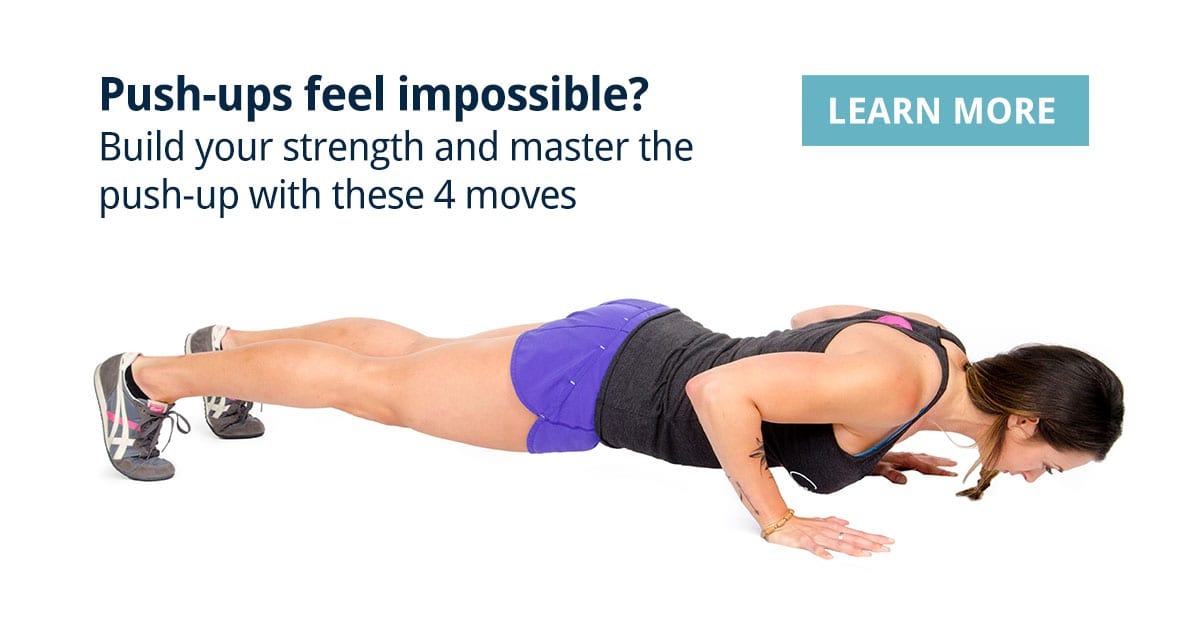
You can feel a push-up in your biceps, since they work during pressing and stabilizing. The sensation alone won't tell you whether your form is off or which muscle supplies most of the force.
One person in a bodyweight-training discussion raised the question:
When doing all sorts of pushups I mainly feel it in my outer chest, biceps, and slightly shoulders. I hardly ever feel it in my triceps. I've seen posts and articles in the past talking about the way you rest your body weight on your hands makes a difference. You can either rest in towards the inner area of your hand, or the outer area of my hand.
Could shifting it to my outer portion of my hands make me feel it more in my triceps and shoulder? I would just do it, but I'm worried that I might on accidentally disrupt my form or pick up a bad habit.
Have some of you even considered this before? Cause if you have to you ever change it depending on which muscle groups your trying to hit, or do you try to get it as in between as possible?
The worry about shifting hand pressure is fair. Forcing weight onto one edge of your hand to chase a different feeling can make push-ups less comfortable. To check your form, use a comfortable hand position, do a controlled standard push-up, and watch whether your elbows and shoulders move smoothly.
What should you do instead if you want to build your biceps?

Curls load the elbow flexors directly. Chin-ups and rows load them too while recruiting other muscles for pulling.
| Equipment | Exercise | Why it fits | What to check |
|---|---|---|---|
| Dumbbells or suitable weights | Biceps curl | Direct resistance during elbow flexion | A weight you can control |
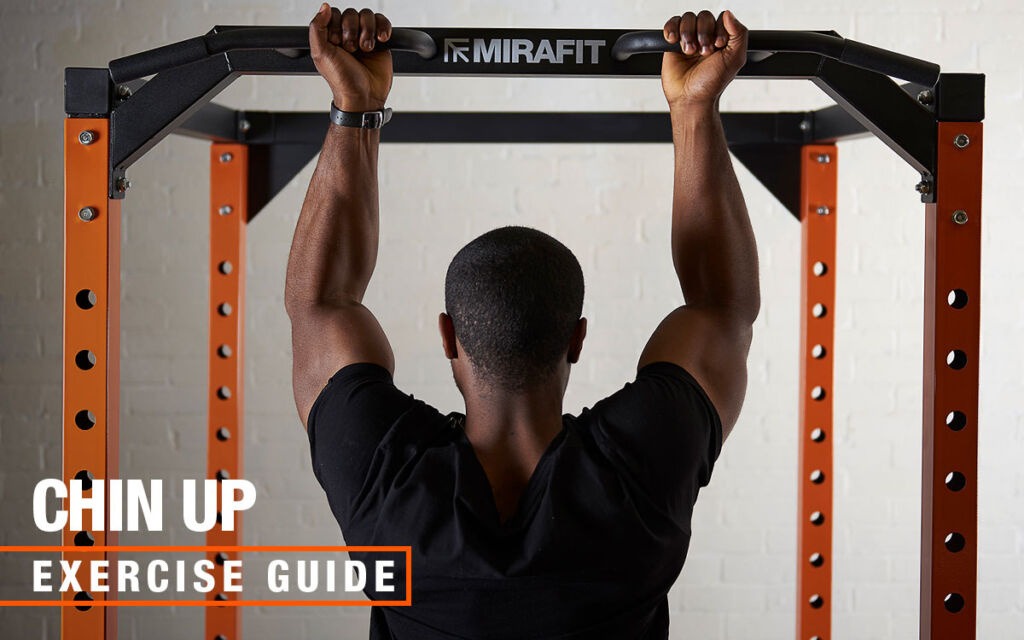
| Secure pull-up bar | Chin-up | Elbow flexion during a compound vertical pull | Bar security and manageable difficulty |
| Secure row station or rings | Inverted row | Compound pulling with an elbow-flexion component | Equipment stability and body position |
| Resistance band | Band curl | Resistance during elbow flexion | Band condition and secure setup |
| No suitable equipment | Continue standard push-ups for pressing | Keeps pressing practice going until a safe pulling or curling option is available | Avoid unstable improvised anchors |
Choose a difficulty you can control. As you get stronger, add resistance or move to a harder variation while keeping your technique.
A 2026 American College of Sports Medicine position stand drew on 137 systematic reviews involving more than 30,000 adults. Its resistance-training findings support progressively harder exercise matched to a person's goals and abilities.
Should push-ups and biceps exercises go in the same routine?
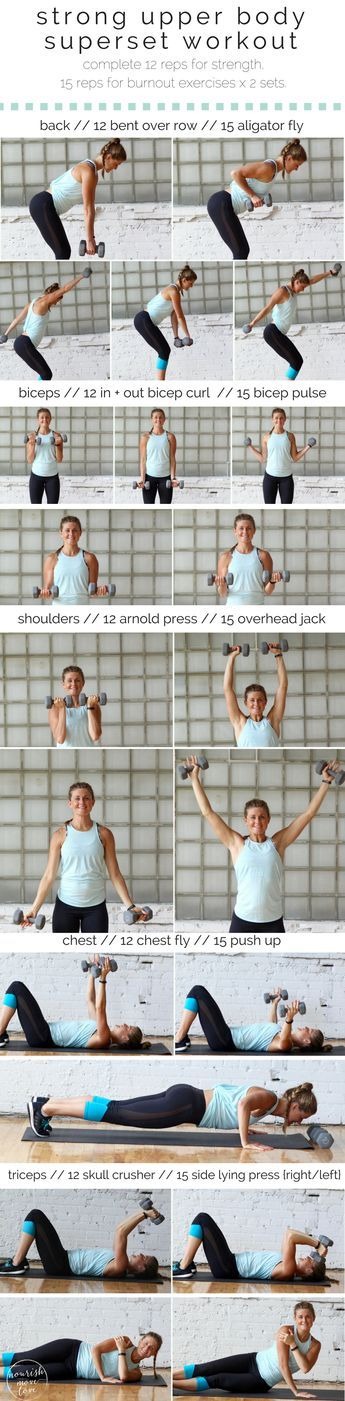
Push-ups train pressing; curls, chin-ups, and rows add elbow-flexion and pulling work.
When should you change a push-up variation or stop?
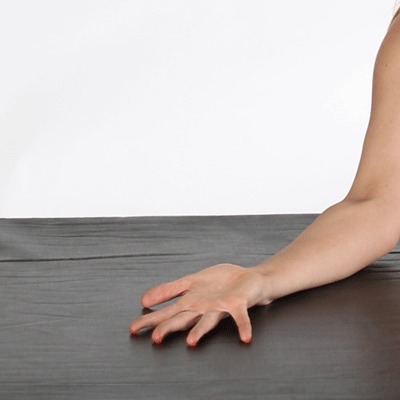
If a hand position hurts your wrist or arm, drop it. The biceps benefit isn't worth the pain. Follow these steps:
- Stop: End the movement if the pain is sharp or getting worse.
- Change: Switch to a version you can tolerate that still serves your goal and avoids the painful wrist position.
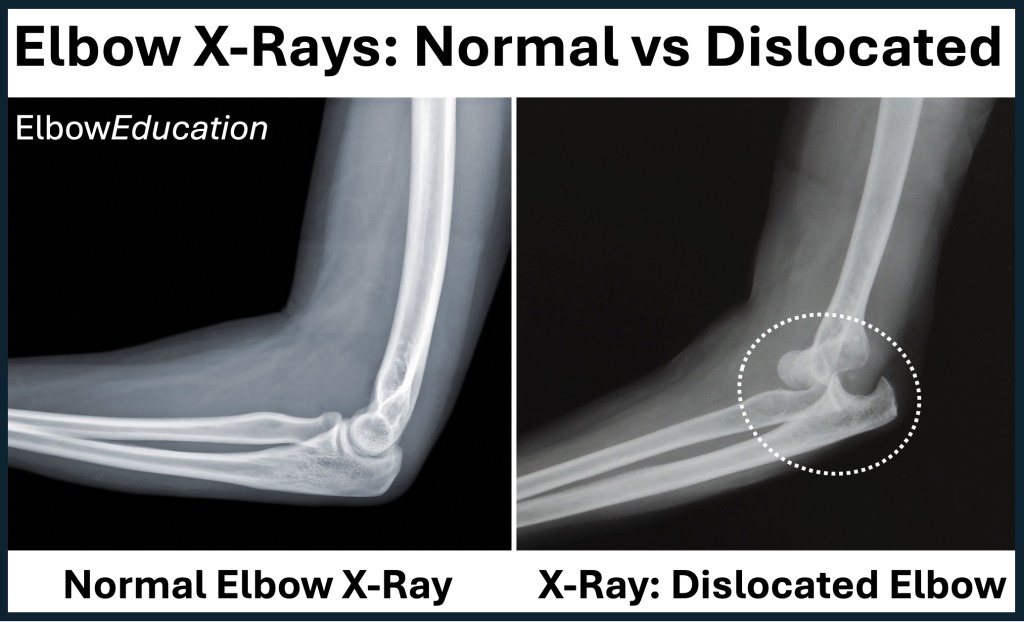
- Get it checked: Have a professional evaluate persistent, recurring, or worsening symptoms. Severe pain, numbness, marked swelling, deformity, or loss of function need prompt medical attention.