
Curtsy Lunges: How to Do Them, What They Work, and When to Switch
Curtsy lunges challenge balance while working the legs and glutes; they're one option among lunges, not an essential or inherently superior exercise. Keep them if you can make a small, controlled crossover without joint pain or losing your balance. Otherwise, choose a supported reverse lunge or a stable split squat.
What is a curtsy lunge, and who needs one?
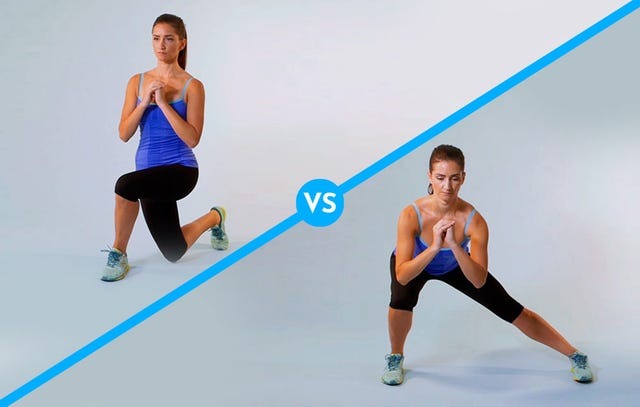
For a curtsy lunge, step one foot diagonally behind the other, bend both knees, then stand up again. The front leg does most of the work; crossing behind the body adds a balance and coordination challenge to an ordinary lunge. Conventional lunges and split squats serve those goals just as well, so the question is whether the diagonal step adds anything to your workout.
How to do a curtsy lunge step by step
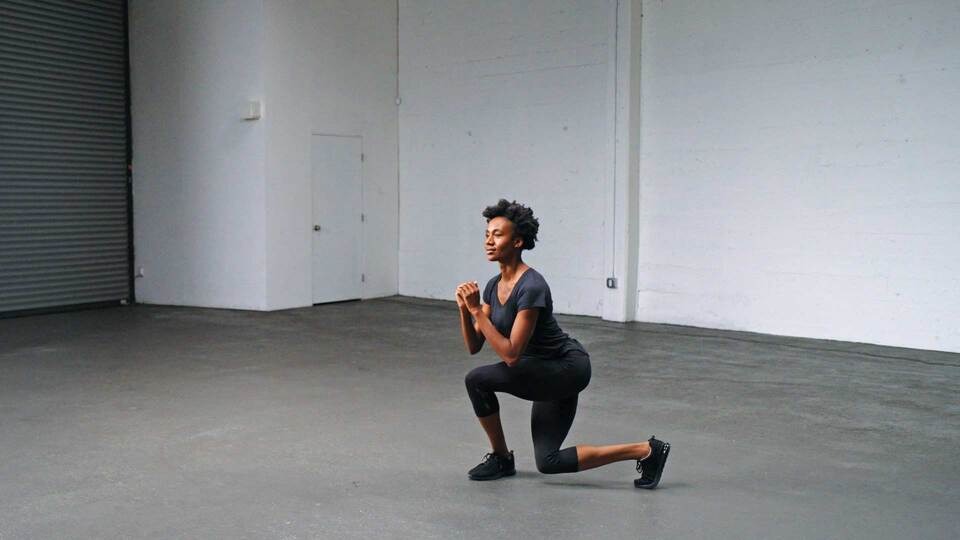
Start with a small crossing step and a shallow range. You should be able to lower yourself and stand up again without twisting, stumbling, or forcing the back leg into an extreme position.
- Set your stance. Stand on a firm, clear surface with your feet about hip-width apart. Lift your chest and put your arms wherever they help you balance. Begin without weights.
- Step back and across. Move your left foot behind and slightly to the right of your planted right foot. Keep most of your weight over the right leg. Leave the crossing foot room to land securely.
- Lower. Bend both knees as you go down. Your front knee follows the direction of that foot, and your back knee heads toward the floor without needing to touch it.
- Return to standing. Press through the planted front foot and rise smoothly. Bring the back foot to its starting position without swinging your body sideways.
- Change sides. Repeat with the right foot stepping behind the left.
The American Medical Association's curtsy-lunge demonstration stresses control and a comfortable descent. Start with a small crossover. No fixed number of inches or thigh-parallel depth is required.
Try one shallow, unloaded rep on each side in a clear space. Place the back foot securely and return to a steady stance.
Check your knee, hips, balance, and common mistakes
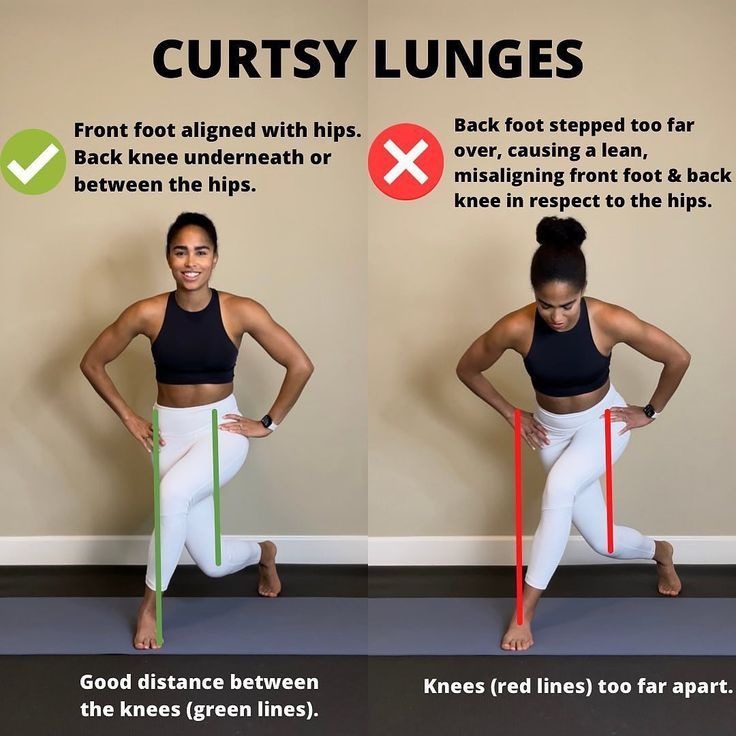
Plant your foot, then watch your front knee, hips, and torso move together. Fix only what you can see, such as repeated wobbling or a forced crossover.
| What to watch | Controlled movement | Correction when control slips |
|---|---|---|
| Back-foot placement | A modest diagonal step behind the front leg | Shrink an exaggerated crossover |
| Front knee | Tracks broadly with the planted foot | Reduce range if the knee collapses inward |
| Pelvis and torso | Move together, no sudden twist | Shorten the descent and stop jerking |
| Descent | Steady lowering through a comfortable range | Stop bouncing or dropping fast |
| Added resistance | Balance stays the same | Go back to bodyweight |
Your knee can travel past your toes in a lunge. That alone doesn't mean you're hurting it. Load, control, and pain are what count.
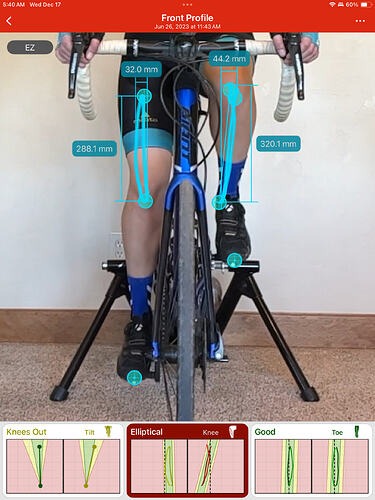
To check your form, use a mirror or film a few unloaded reps from the front and the side. Compare your planted foot, supporting knee, hips, and torso on both sides. Look at those visible features before you decide a glute muscle has stopped working if one side feels different.
Which muscles do curtsy lunges work?
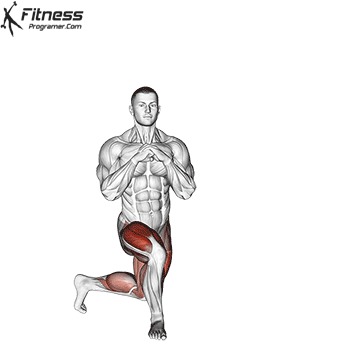
Curtsy lunges work your quadriceps and glutes. Other muscles control your hips and pelvis and keep you balanced. The diagonal step demands different coordination than a straight-back lunge.
| Muscle or group | What it does |
|---|---|
| Quadriceps | Extend the working knee as you rise |
| Gluteus maximus | Extends the hip as you rise |
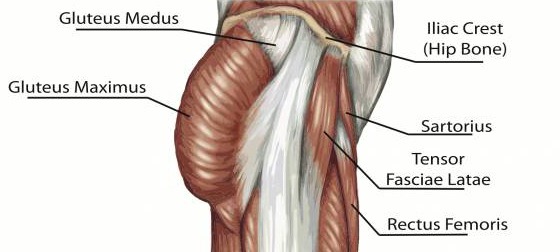
| Gluteus medius | Controls the hip and pelvis |
| Hip adductors | Help control the lower body |
| Other leg and trunk muscles | Keep you balanced and coordinated |
The gluteus medius gets attention in curtsy-lunge descriptions because it helps stabilize the pelvis.
Electromyography, or EMG, measures electrical muscle activity during a specific movement. A 2025 forward-lunge study of 20 participants found that step length and stepping conditions affected muscle activity. A 2024 study measured reverse-lunge EMG in 20 healthy young adults. Neither looked at curtsy lunges or long-term muscle growth, so they can't show that curtsy lunges build glutes faster than reverse lunges.
When to modify or stop for knee and hip comfort
One lifter described sore hips after trying curtsy lunges, felt in the joint and not the muscle:
Hi! So I'm really trying to gain mass in my legs and glutes and I've been training legs 3X a week for the past few months now. I'm trying to incorporate new exercises that I haven't done in the past. I always see women on youtube performing curtsy lunges (while holding dumbbells) so I thought I'd give them a shot. I did them a few days ago and my hips were sore but I mainly felt it in the joint, not the actual muscle.
I was talking to my friend who is a powerlifter, and he said these are really bad for your joints and won't promote any real muscle gain. He stated that it's an "unnatural movement". However, I'm almost a physical therapist (a few more months of school to go) and I know that we perform variations of lunges all the time in everyday movements.
I tried to find some research based evidence on them but couldn't find too much... So, what are your thoughts/experiences with curtsy lunges? I enjoyed performing them but I really don't want to injure myself or perform them for no reason.
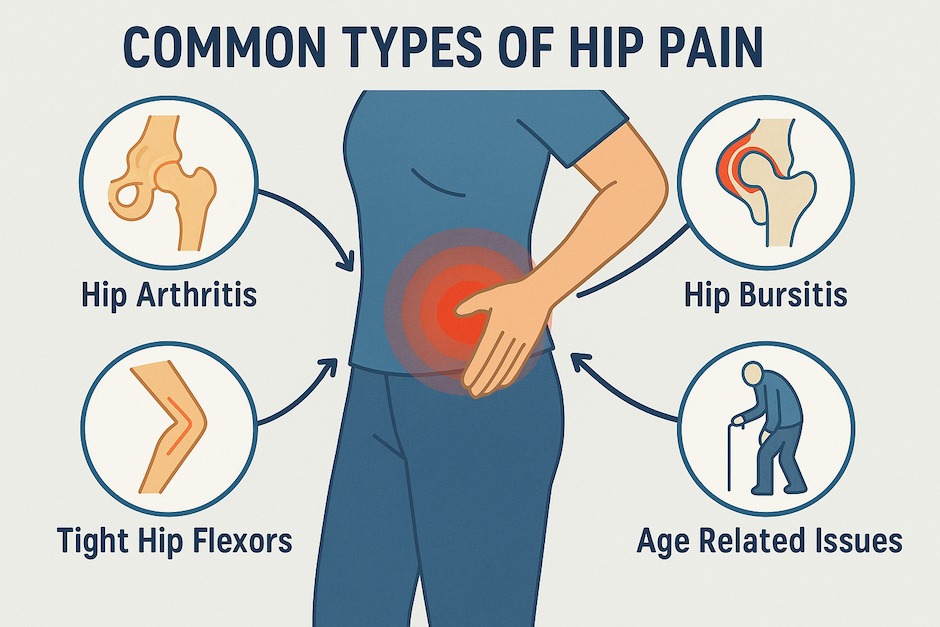
Joint soreness like that is a cue to adjust, not to push through. Stop the rep if you feel joint pain, catching, or giving way, or if you lose your balance. Don't try to overcome those signs by crossing farther, lowering deeper, or adding weight. The Cleveland Clinic's lunge guidance likewise advises reassessing exercises that cause joint or back pain.
If the pain keeps coming back, limits your movement, or you already have a joint problem, see a physical therapist or doctor.
Easier curtsy-lunge modifications and sensible progressions
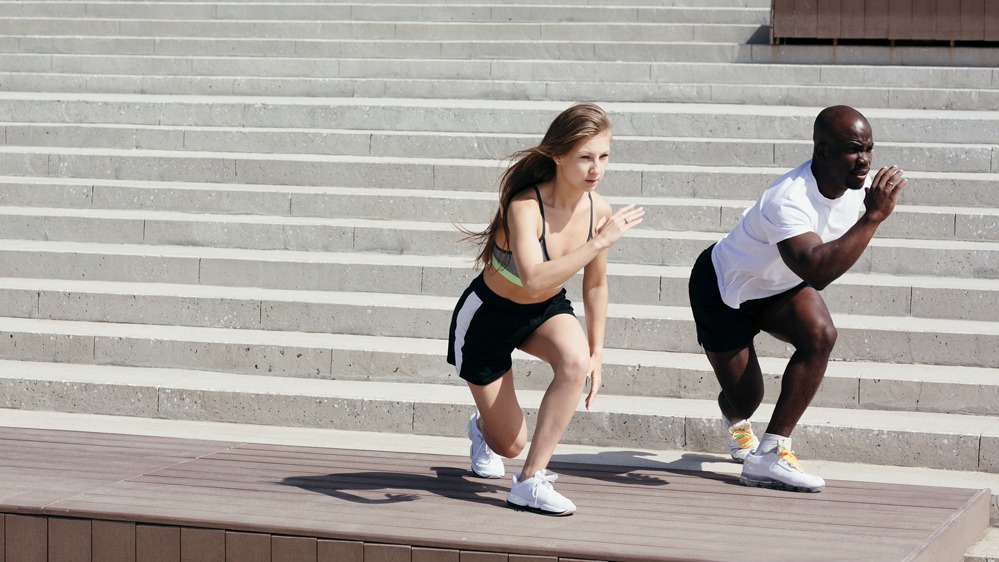
If the crossover feels fine but awkward to coordinate, cut the balance challenge first. Support and a smaller movement make the exercise easier.
- Use stable support. Stand beside a wall, sturdy countertop, or secure chair and rest a hand on it while you practice the back-and-across foot movement.
- Keep the crossover small. Step only a little way behind the planted leg so you can return without swinging your weight sideways.
- Practice the descent. Add a shallow knee bend and move smoothly. Increase the range gradually as it gets easier.
- Build up. Repeat the same version until it feels easy, then reduce assistance or add depth, one change at a time.
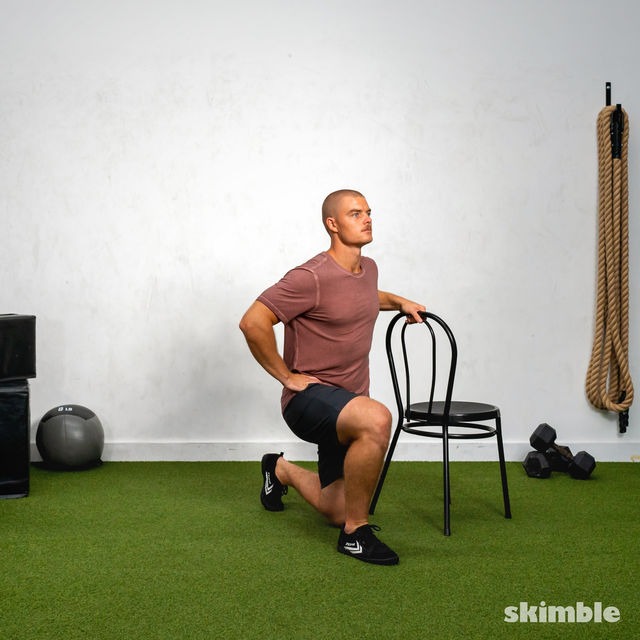
If you stay steady in the position but wobble when you step, try a small stationary cross-behind stance. It removes the repeated foot movement. Practice lowering and rising from that stance before you go back to stepping.
Curtsy lunge vs reverse lunge, split squat, and other alternatives
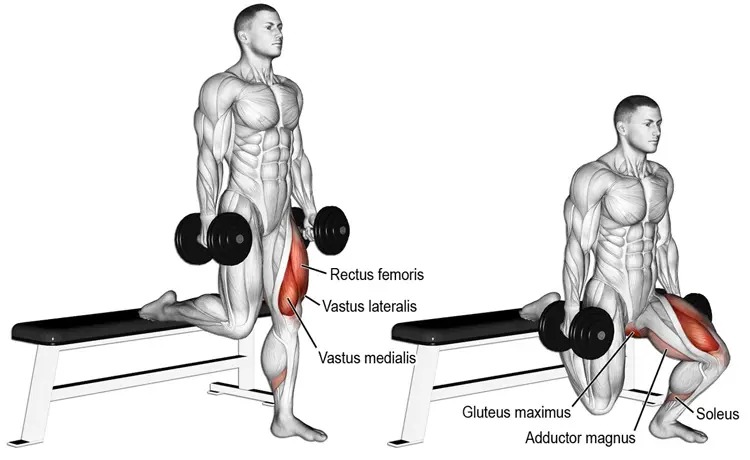
If curtsy lunges feel awkward or don't fit your goal, pick a replacement that solves your specific problem.
| Main constraint or goal | Exercise to consider | What changes | Trade-off |
|---|---|---|---|
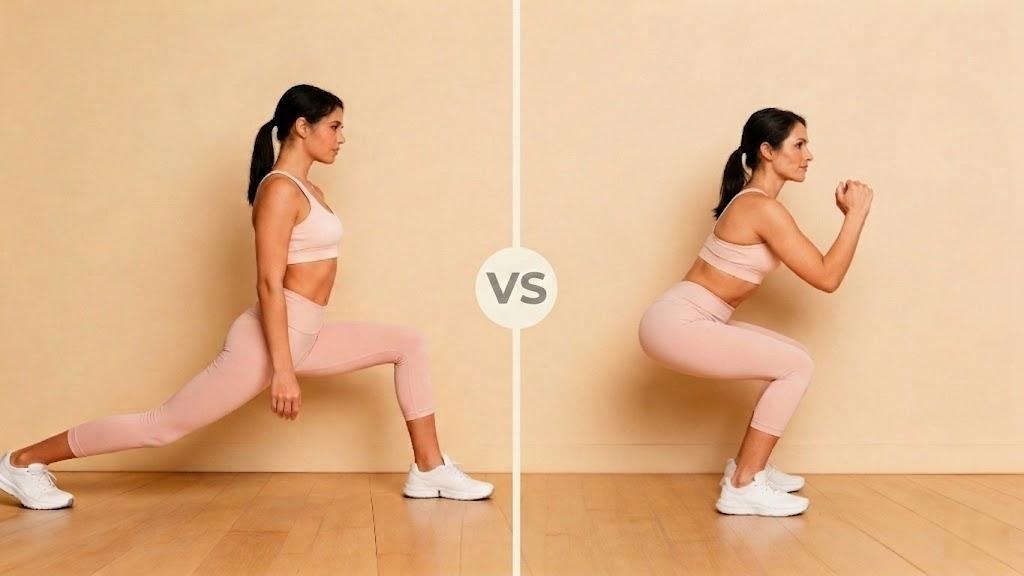
| The diagonal crossover feels awkward | Reverse lunge | Back foot steps straight behind | Still needs balance and coordination |
| Stepping makes you wobble | Static split squat | Feet stay in a staggered stance | Less stepping, same lunge-like demand |
| You need balance support | Supported reverse lunge | A hand on something stable helps | Reduces the balance challenge |
| You want another standing leg exercise | Step-up | Step onto a stable platform | Platform setup and height change the task |
| You'd rather train your hips from the floor | Glute bridge | Hip extension happens from the floor | Doesn't reproduce standing-lunge balance demands |
| You want sideways movement | Lateral lunge | Foot moves sideways | Different mobility and loading demands |
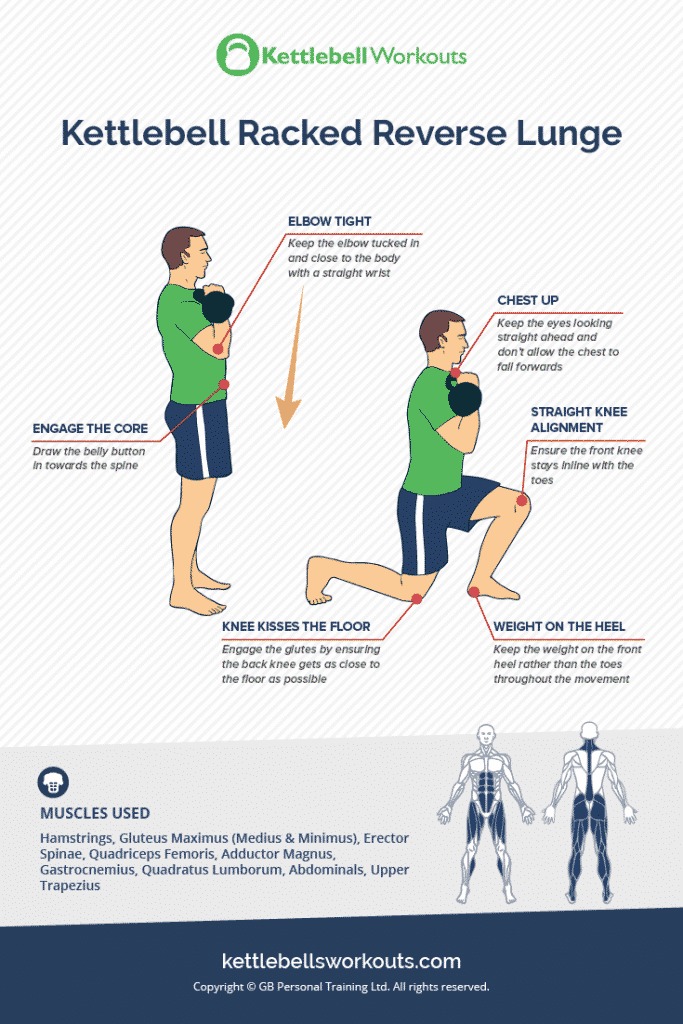
Choose the row that matches your main obstacle.
How to use curtsy lunges in a workout
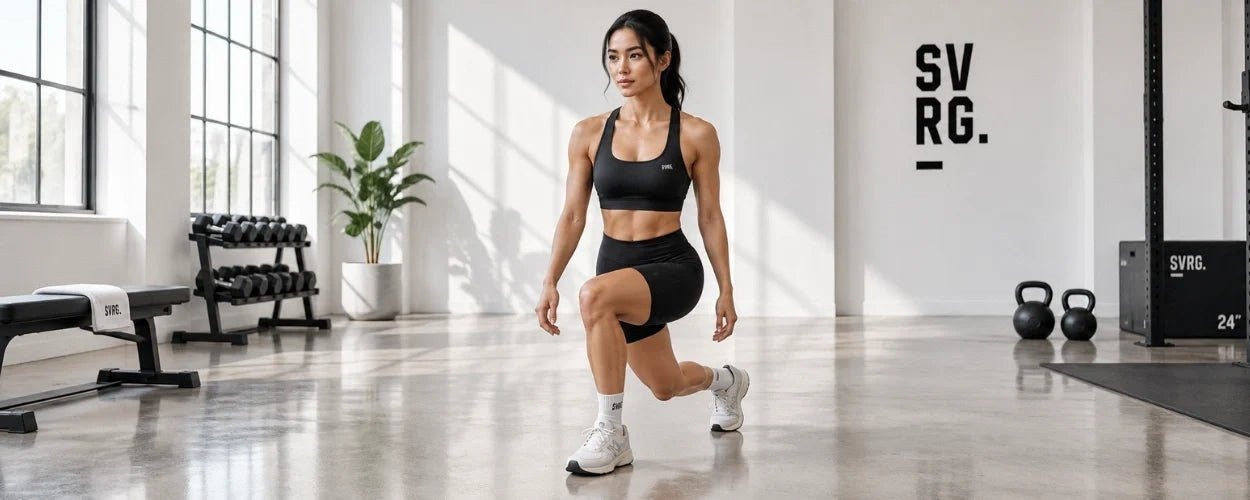
Add curtsy lunges after a general warm-up, as an optional exercise in your lower-body training. If your form falls apart as you tire, shorten the set or skip them that day.
The American Medical Association's October 15, 2026 demonstration gives 2 to 3 sets of 8 to 10 repetitions per side, performed 2 to 3 days per week, as a general example.
A session that already includes squats and reverse lunges may cover the lower-body work you want. The American College of Sports Medicine's resistance-training guidance stresses consistency and adapting training to your goals and abilities.
Increase the weight only once your bodyweight form stays consistent through the whole set. Squats train both legs at once, and the daily-squat programming guide covers them.