
How to Choose a Fitness Routine You Can Stick With
For generally healthy adults starting or restarting exercise, choose movement you can realistically repeat, then build toward a mix of aerobic activity and strength. If symptoms or a health condition change what is safe, get individualized guidance first; otherwise, choose the matching workout route and plan your first manageable week.
Starting from almost no activity
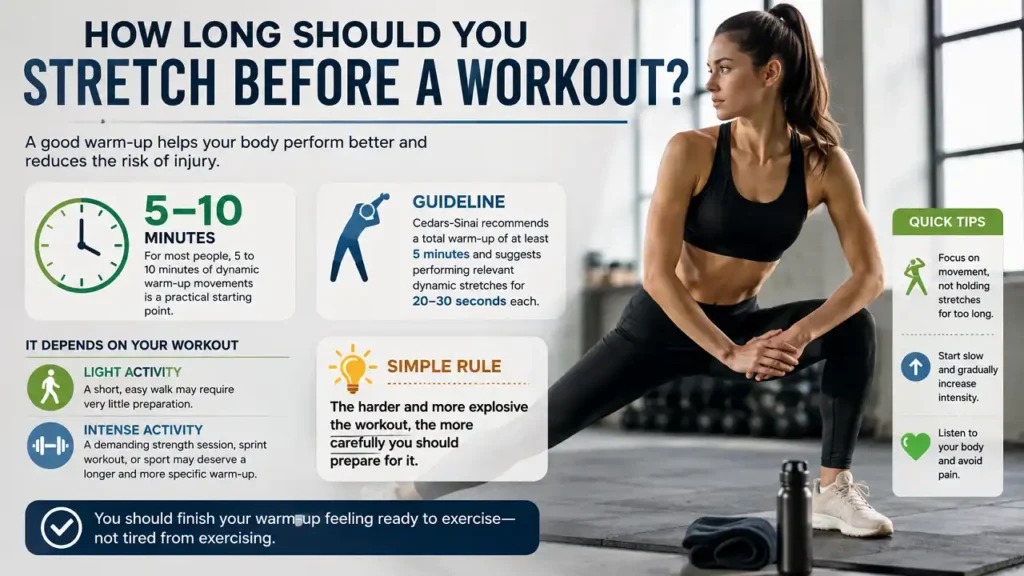
If most of your day is spent sitting, a short walk or another manageable movement can be your first session. A five-to-ten-minute walk after lunch is one possible trial for a generally healthy adult, with that duration offered as an illustrative example. Pick a window that could work again on an ordinary weekday.
Choosing a routine that fits your life

Choose your main goal, then rule out routines that do not fit your available time, facilities, ability or effort tolerance. Among the remaining options, choose an activity you would willingly repeat next week.
The same person might enjoy a long swim on Saturday but need a short walk on a workday. A reader interested in strength has a different task from someone looking for a convenient aerobic activity.
| Main goal | Condition to check | Routine to consider | Detailed route |
|---|---|---|---|
| Build regular aerobic activity | A walkable route or accessible outdoor space | Walking or another outdoor aerobic activity | Outdoor exercise options |
| Move with less jarring | Reliable pool access and ability to exercise safely in water | Pool-based movement at a manageable effort | Pool exercise routines |
| Address movement needs at age 65+ | Current mobility, impact tolerance and balance needs | Adapted movement that includes relevant strength and balance work | Low-impact exercise for older adults |
| Develop strength | Home space available, with little or no equipment | Beginner bodyweight or resistance-band work | Strength instruction when available |

Walking may be particularly appealing when it fits an existing commute, lunch break or neighborhood routine. Gentle walking provides movement; a brisk walk that reaches moderate intensity can also contribute to the CDC's moderate-aerobic target.
One Reddit contributor described abandoning gym activities after weeks or months while continuing to walk because it fitted daily life:
I see it all the time in weight loss groups (not everyone, and not just this sub which I love btw 😂) - people saying walking doesn’t count, it’s not a proper workout, it won’t make much difference, and so on. Obviously it’s different from lifting weights or doing high-intensity exercise, I’m not disputing that for a second. But for me, walking was absolutely a game changer. I really don’t enjoy the gym, and with most other forms of exercise I’d stick with them for a few weeks or months and then eventually give up. Walking was different because it was something I could easily build into my routine and actually stick to long term. Assuming you don’t have any physical limitations that prevent you from doing it, walking is cheap (just a pair of comfy shoes needed!), accessible, and sustainable. I live in a walkable area, which definitely helps and I know that isn’t the case for everyone, but I know plenty of people use walking pads too.
The contributor's walkable neighborhood is a meaningful condition. Someone without similar access might choose an indoor or aquatic option for the same scheduling reason.
What aerobic, strength, and balance workouts each add
Different activities serve different purposes. Aerobic movement raises breathing and heart rate; strengthening challenges muscles against resistance; balance work develops control of body position.
| Movement type | Examples | Main function | What to account for |
|---|---|---|---|
| Aerobic | Brisk walking, cycling, recreational swimming | Cardiovascular activity and endurance | Relative intensity varies by person and pace |
| Strength | Bodyweight exercise, resistance bands, weights | Challenges major muscle groups | Suitable technique and manageable resistance |
| Balance | Appropriate standing or walking balance tasks | Postural control | Particularly relevant for adults 65 and older |

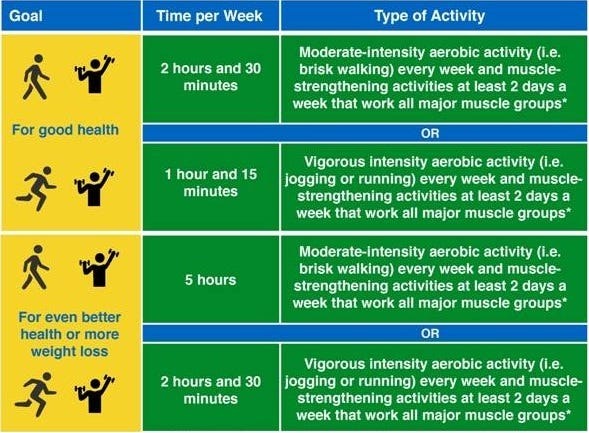
The CDC's adult activity guidance recommends at least 150 minutes of moderate aerobic activity per week, or 75 minutes of vigorous activity, or an equivalent combination, together with muscle-strengthening activity involving all major muscle groups on at least two days. These are goals to build toward according to ability; some activity provides benefits before the full weekly amount is reached. CDC guidance for adults 65 and older also includes balance activity.
In a position-stand announcement dated March 17, 2026, the American College of Sports Medicine described an evidence base of 137 systematic reviews representing more than 30,000 participants. Its resistance-training recommendations address generally healthy adults and emphasize consistent participation and individualized programming.
The ACSM resistance-training update supports straightforward, consistent strength work tailored to the individual.
Low impact doesn't mean low effort
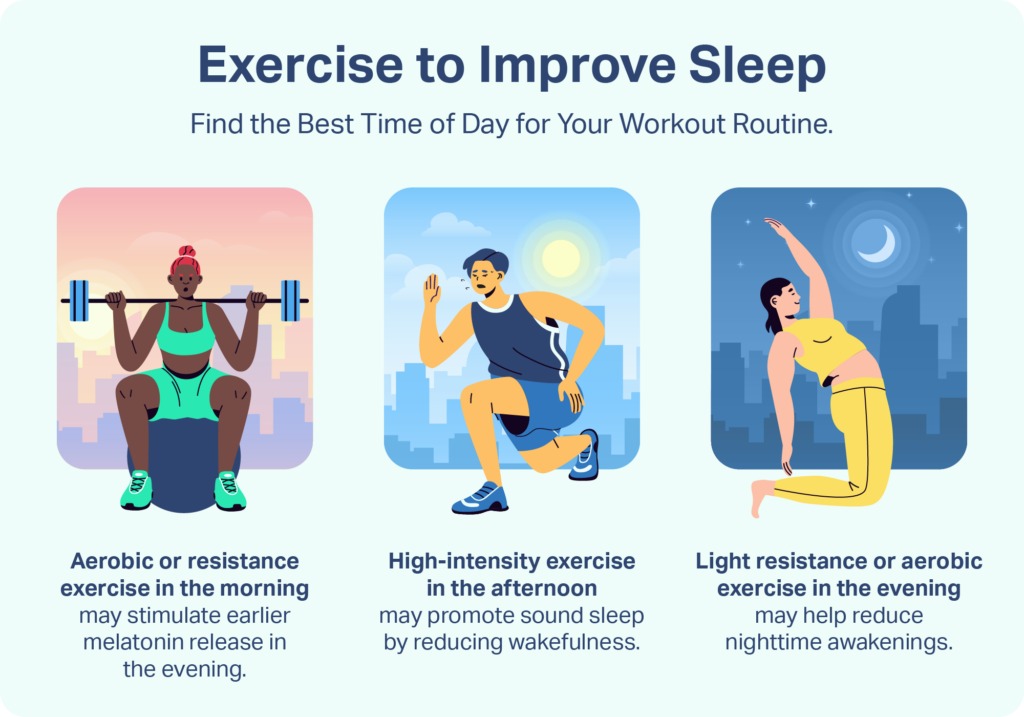
Impact concerns the jarring or loading characteristics of a movement. Intensity describes how hard your body is working. An activity with relatively little jumping can still demand substantial aerobic effort.
Someone seeking an option with less jarring might compare a walk, steady cycling and aquatic exercise. Each has different movement demands, access conditions and effort levels.
The CDC generally places recreational swimming among moderate-intensity examples and lap swimming among vigorous examples. These descriptions depend on the actual activity and the person's fitness.

For an otherwise appropriate aerobic activity, the talk test is an accessible effort check: at moderate intensity, you can generally talk but cannot comfortably sing; at vigorous intensity, you may manage only a few words before pausing for breath. The CDC intensity guide describes moderate relative effort around 5 to 6 on a ten-point scale and vigorous effort around 7 to 8.
The talk test helps describe exertion during suitable exercise. It does not medically clear unexplained pain or concerning symptoms.
When a generic routine isn't the right starting point
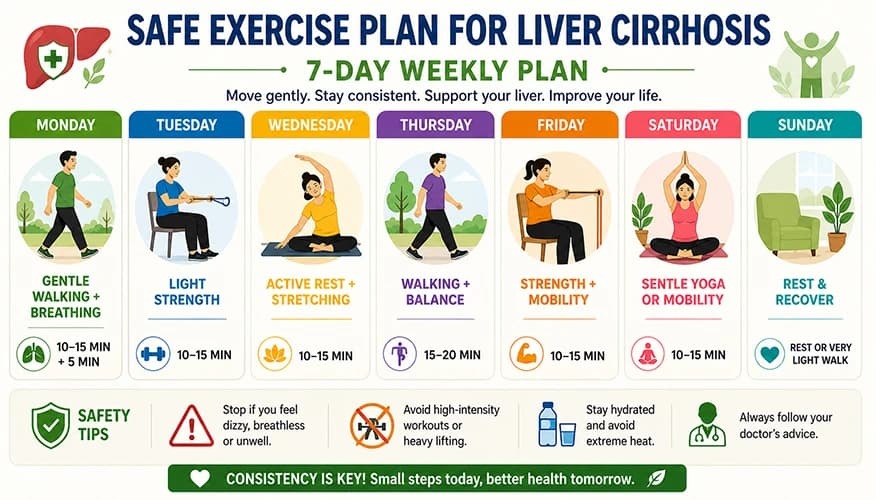
Ordinary uncertainty about which exercise to try can be addressed with a routine selector. Exertional symptoms or significant medical restrictions may require a different first action.
Possible emergency: Stop exercising. If you develop acute chest pain, sudden severe shortness of breath (even without chest discomfort), or other possible heart-attack warning signs, call 911 in the United States. Do not continue exercising or delay emergency care to try a gentler routine.
Stop activity for dizziness, near-fainting, unusual breathlessness or other concerning symptoms. For symptoms that are not an immediate emergency, obtain appropriate medical assessment before resuming an unsupervised progression plan.
Chronic conditions, disabilities, recent injuries, pregnancy-related concerns and known exercise restrictions can change what is appropriate. A clinician or qualified exercise professional working within the relevant scope can help establish suitable boundaries. A general article cannot diagnose the cause of symptoms or prescribe rehabilitation.
How to build a week you can repeat
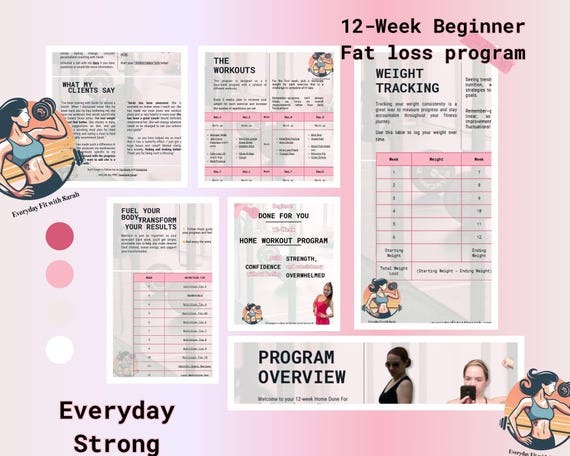
A weekly plan works better when each session has a purpose and a realistic place among work, family obligations and recovery. Leave room to change a session that becomes impractical.
This illustrative week shows how a generally healthy beginner might arrange small activity windows. Its durations and placements are planning examples, with exercise choices and effort adapted to individual ability.
| Day | Illustrative session | Role | Adaptation |
|---|---|---|---|
| Monday | 10-minute walk | Aerobic movement | Choose a tolerable pace |
| Tuesday | Brief beginner resistance session | Strength | Use suitable movements and resistance |
| Wednesday | Easy walk or rest | Light movement or recovery | Allow for how you feel |
| Thursday | Walk | Aerobic movement | Fit the available time |
| Friday | Brief resistance session | Strength | Adjust workload to capacity |
| Saturday | Optional easy pool or outdoor session | Aerobic or mixed activity | Account for access and exertion |
| Sunday | Rest or light movement | Recovery or optional activity | Keep flexible |
This is an illustrative starter week below the full aerobic guideline target. For Tuesday and Friday, choose beginner resistance movements that collectively address the major muscle groups, with exercise selection and effort suited to current ability. Pool or outdoor activity can fill aerobic windows when access and exertion allow.
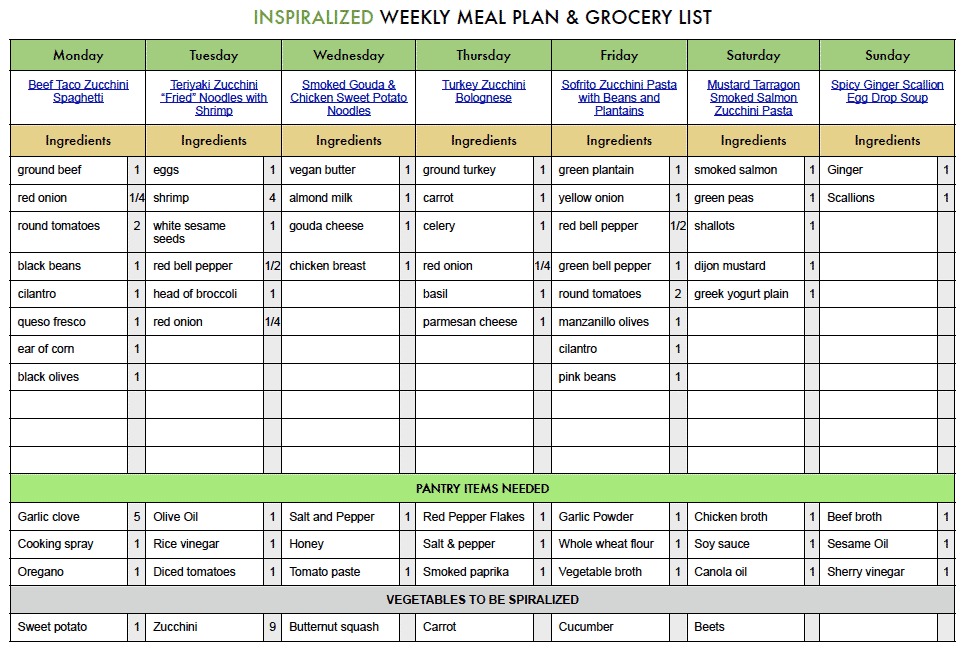
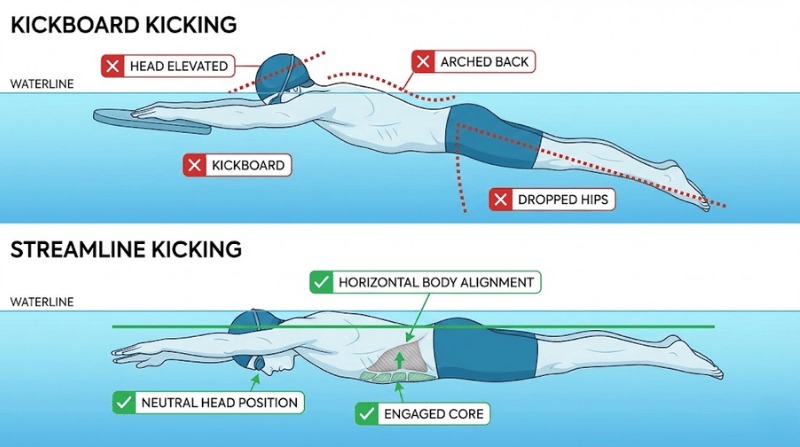
Combining activities becomes trickier when both are demanding. A swimmer preparing for an open-water event described how lifting sessions affected the next trip to the pool:
I workout 3 days a week, pretty heavy. I'm talking almost to failure, 3 sets of 6-10 reps or 8-12 reps. And recently I've added quite a bit of muscle, going from 73kg to 79kg in 5 months while dropping my bodyfat by 1-2%. Now I'm training for a 2km (1.2 miles) open water race, and I've noticed that I'm really struggling. I used to compete at high school, short-distances (50m butterfly, 100m freestyle), but that was a long time ago. Now, nearly or technically middle-aged, I'm finding I can't even do 500m freestyle without having to rest for 10 seconds every 50-100 meters. In addition to that, I find I quickly get sore/feel fatigued. If I did push exercises (like bench press) the day of or before, I feel it in my triceps and shoulders when I'm swimming. If I worked out my back, then I feel it in my back (I think in my lats). Anyone experienced anything similar? Just trying to figure out how to lift heavy 3 times a week without it affecting my swim training. Thanks.
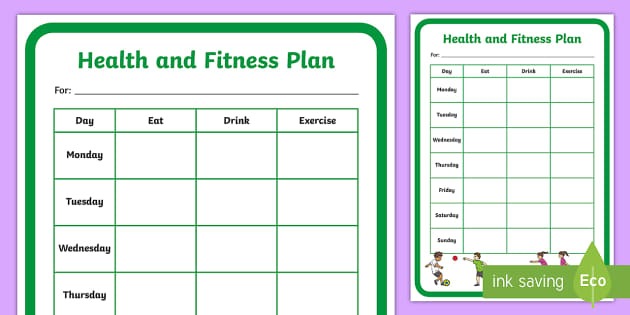
Place your chosen activity windows on a seven-day calendar, label each as aerobic, strength, balance or recovery, and look at adjacent demanding sessions. If two sessions interfere with each other, adapt their placement or workload. This planning choice matters as much for a regular pool visitor as for someone combining walking with basic resistance work.
What if weather, access, or time breaks the plan?
Weather, facility access and available time can change the setting for an exercise session. A replacement should preserve the intended activity purpose at a feasible effort.
| Disruption | Possible response | Purpose | Important change |
|---|---|---|---|
| Outdoor heat | Choose cooler conditions, an indoor activity, or postpone | Preserve an aerobic opportunity where safe | Heat exposure changes |
| Pool unavailable | Consider walking or another land-based aerobic activity | Maintain an aerobic opportunity | Loading, access and intensity may differ |
| No gym equipment | Use beginner bodyweight resistance movements | Keep strengthening in the plan | Exercise selection changes |
| Only ten minutes free | Use a brief manageable session or reschedule | Keep an achievable activity window | Duration is shorter |
| Ordinary fatigue after a demanding day | Choose lighter movement, rest or reschedule | Fit activity to current capacity | Workload changes |
When outdoor heat is the obstacle, the CDC heat guidance favors cooler conditions and advises stopping exercise if you feel faint or weak. A different time of day can alter exposure, though conditions still need to be suitable.

Swimming adds its own safety considerations, including drowning and water-related illness risks. An available land workout might suit the same broad aerobic purpose, with different physical demands.
Before the week begins, identify one likely interruption and its replacement activity or rescheduling choice.
How to check effort and progress without chasing soreness
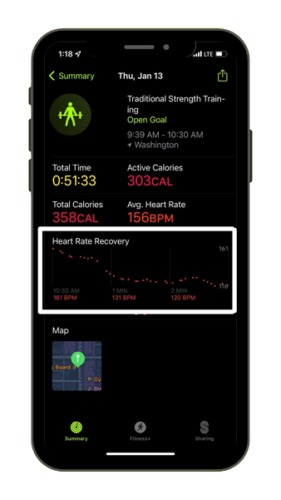
Judge a developing routine by the activity completed, its effort, and whether ordinary daily functioning stays manageable. Muscle soreness can follow an unfamiliar or demanding workout.
If a demanding session leaves everyday tasks unusually difficult, the next session may need to be lighter or deferred. Concerning symptoms belong to the medical decision described earlier.
A brief record can help separate a scheduling problem from an excessive workload:
- Activity: What did you do, and for how long?
- Effort: Did it feel comfortable, moderate or demanding?
- Next-day functioning: Did ordinary activity become difficult?
- Repeatability: Does the next planned session remain realistic?
- Obstacle: Was it time, access, enjoyment or exertion that caused difficulty?
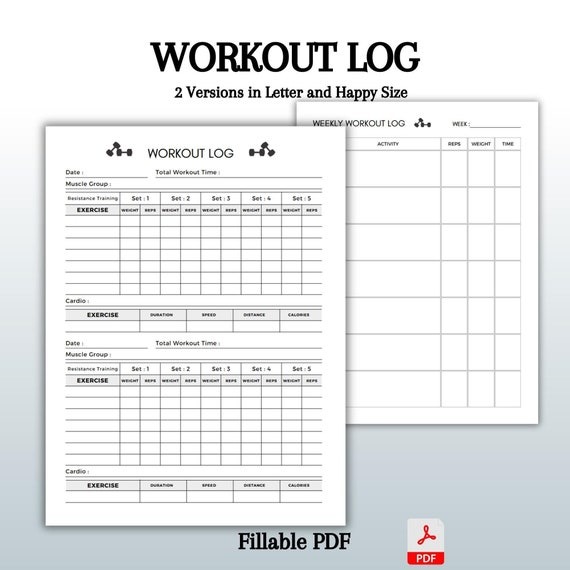
If sessions remain manageable without concerning symptoms or substantial disruption of everyday functioning, a modest progression may be appropriate to your goal. If soreness or fatigue interferes with ordinary activities or the next workout, scale back or delay the demanding session; persistent or worrying problems deserve individualized assessment. The log helps organize a decision and is not a medical screening test.
For generally healthy adults starting or restarting exercise, choose movement you can realistically repeat, then build toward a mix of aerobic activity and strength. If symptoms or a health condition change what is safe, get individualized guidance first; otherwise, choose the matching workout route and plan your first manageable week.
Explore this topic

Low-Impact Exercises for Seniors: A Practical Guide
Compare walking, chair exercises, cycling and pool workouts. Learn supported moves, build a balanced week, and recognize when to seek medical guidance.

Outdoor Workout Ideas for a Park, Path, or Backyard
Try a flexible outdoor workout for a park, path, or backyard. Includes a 20-minute walking and bodyweight circuit, easier options, and safety checks.

Pool Exercises: Build a Water Workout That Fits
Choose pool exercises by water depth, learn walking and resistance movements, and follow a practical workout sequence with effort and safety checks.