
Low-Impact Exercises for Seniors: A Practical Guide
Low-impact exercise works best as a mix of aerobic movement, strength, and balance activities suited to your mobility, interests, and available support. If a recent significant fall, a new symptom, or a medical restriction makes exercising on your own uncertain, get individual guidance first. Otherwise, pick one activity and start at a comfortable level.
Walking around the neighborhood, pedaling a stationary bike, and joining a water aerobics class are all forms of low-impact exercise. Each activity places different demands on balance, mobility, and the setting.
Comfortable on level ground? Walk outdoors. Need a steady handhold? Try supported movement at home. Cycling can be part of the routine, but balance needs its own practice. Start with what you want to improve and what lets you move steadily.
What low-impact means, and why it can still feel hard

Low-impact exercise involves fewer repeated jolts than running or jumping, but it can still take real effort; a leisurely walk, a brisk walk, and a lively water aerobics class feel very different. Impact is how the movement loads your body. Intensity is how hard it feels, including your breathing and exertion. Aerobic activity builds endurance, resistance work challenges your muscles, and balance practice improves steadiness when you stand and move.
Choose a low-impact exercise by goal and support
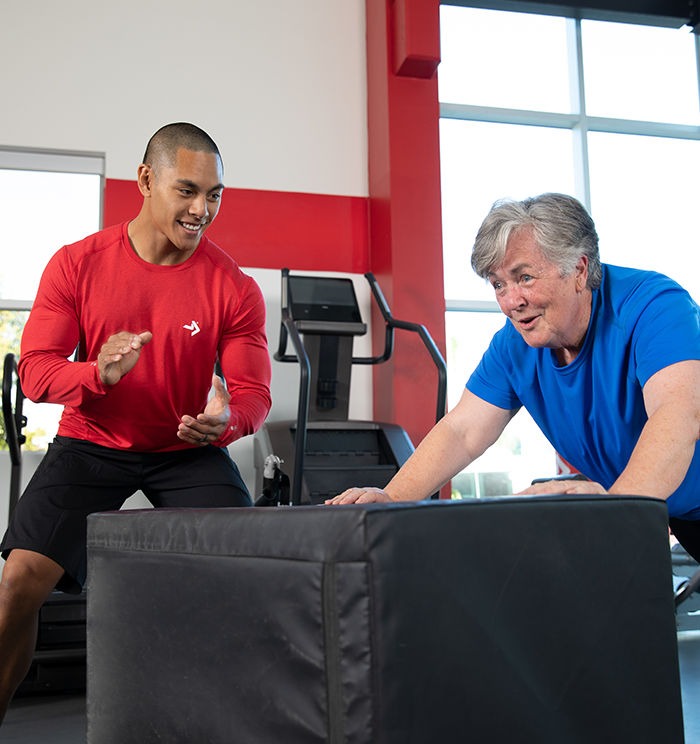
Start with one goal: aerobic endurance, easier daily movements, stronger muscles, or better balance. Then pick a position, a level of support, and a setting you can get to.
| Your goal | Activity to consider | Support or setting | What could change the choice |
|---|---|---|---|
| Build aerobic endurance | Walking | Upright movement on a predictable route | Uneven ground or low confidence outdoors favors an indoor setting |
| Exercise aerobically while seated | Stationary cycling | Accessible, well-fitted bike | You still need separate standing balance work |
| Move in a supported position | Seated hip marching | Sturdy chair, secure foot placement | It is a mobility movement only, so you need other activity types too |
| Strengthen a daily task | Sit-to-stand | Secure chair and hand support | Difficulty standing or discomfort means a modified version |
| Practice balance | Supported standing movement or tai chi | Reliable support or a good instructor | Marked instability needs an individual assessment |
| Enjoy aerobic movement in water | Water walking or water aerobics | Accessible pool, easy entry and exit, right class level | Travel, pool access, and class pace can make another activity more practical |
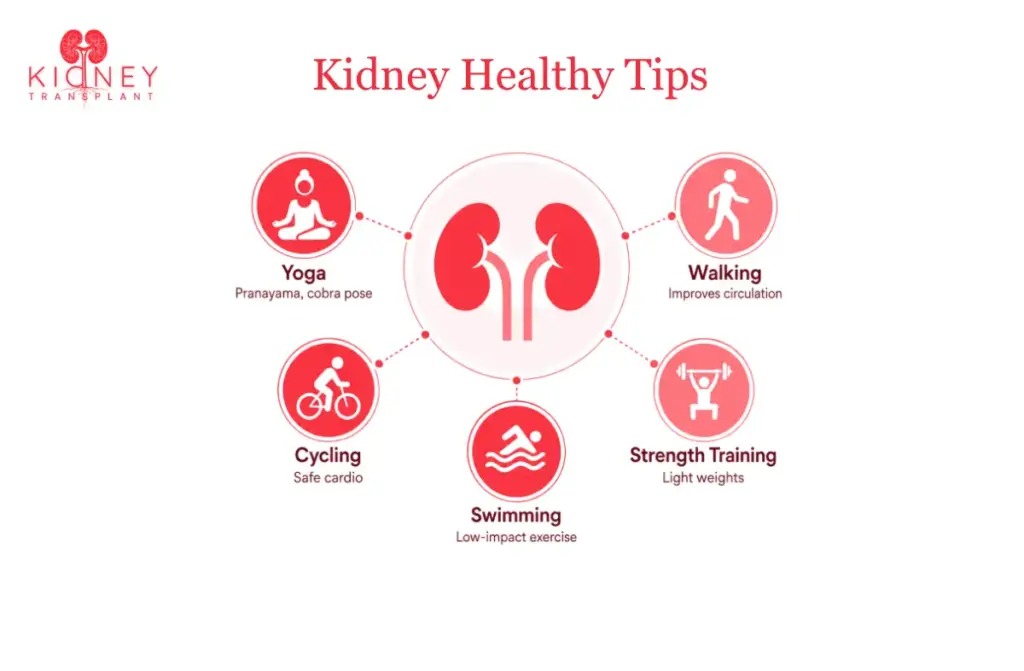
For each exercise, decide between two outcomes:
- Try it: The movement matches your goal, setting, and what you can do today.
- Modify it: The goal makes sense, but the position, support, equipment, or range needs changing.
Beginner-friendly moves, with stable-chair and standing options
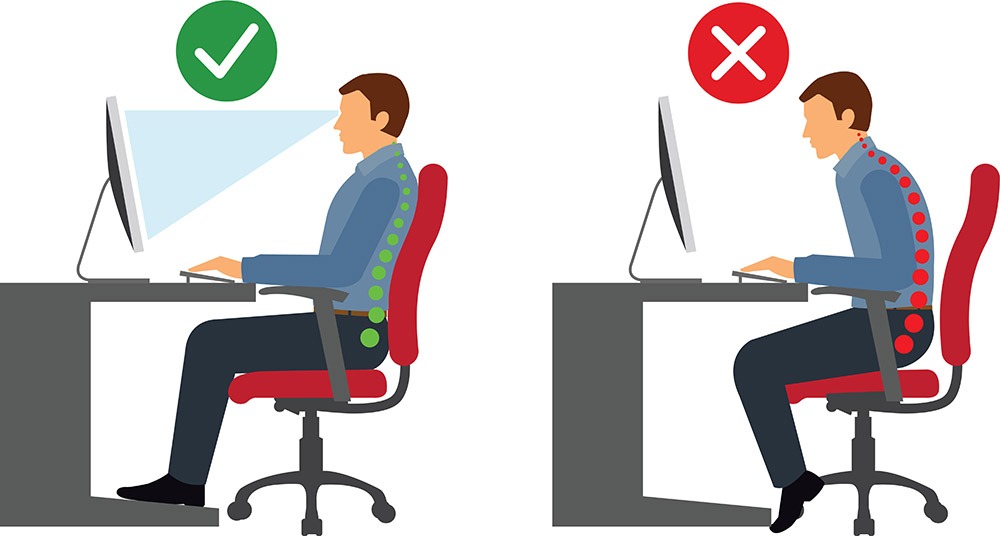
For seated exercise, use a sturdy chair without wheels. Check that it's stable, your feet rest securely on the floor, and the space around you is clear. Make any move smaller if you start to lose control, and stop any move that hurts or leaves you unsteady.
Seated hip marching: controlled movement
Sit upright with both feet flat. Lift one bent knee as far as feels comfortable, lower it smoothly, then alternate legs. Keep the movement small enough that your torso doesn't rock and the leg doesn't swing upward.
The NHS seated-exercise guidance demonstrates five hip-march lifts on each side.
Sit-to-stand: strength for a familiar task
Use a secure chair with your feet comfortably apart. The NHS describes leaning slightly forward, rising in a controlled way, and returning to the seat slowly. Use your hands for help if you need it.
A qualified instructor can help you choose a chair height or an assisted version. Don't drop abruptly into the seat. If you can't stand and sit back down steadily, don't attempt it without support.
Supported heel raises: standing control
Stand beside a stable support and hold it as needed. Lift both heels a comfortable distance, then lower them slowly and stay upright. The exercise adds a modest muscle challenge to supported standing. Keep your handhold dependable and avoid rolling furniture.
Supported sideways leg lift: strength and control
Stand behind a stable chair and hold its back. Keep your torso upright and your hips facing forward, move one leg slowly out to the side through a comfortable range, then bring it back.
Switch legs. Stop if the chair shifts. Other bodyweight movements and resistance bands add strengthening options once you have instruction.
Check your walking route before you go
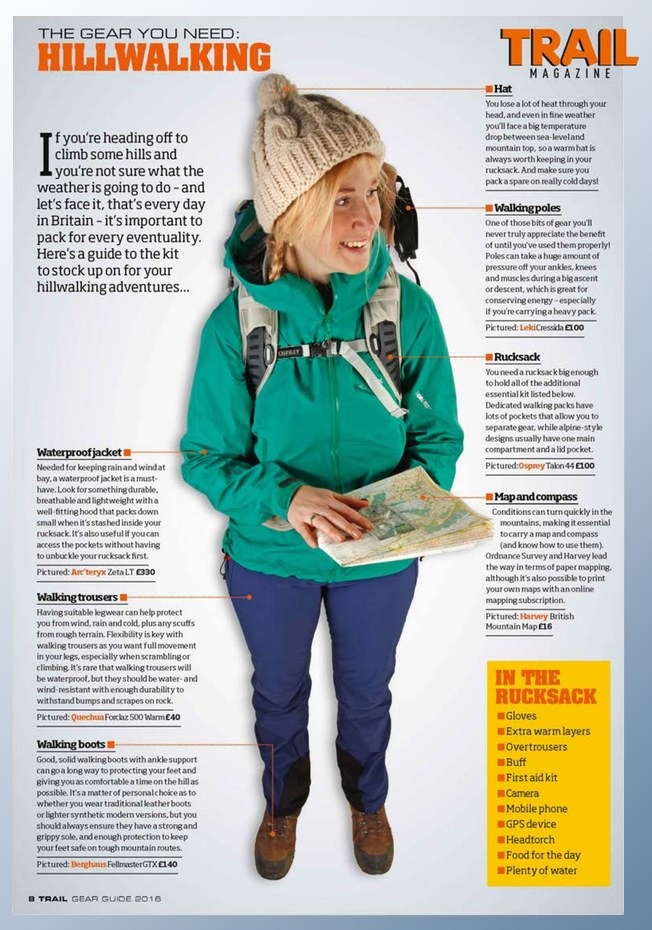
Walking fits easily into errands and daily life. The route matters, especially if you feel unsure of your footing. For an accessible walking path, park bench, and bodyweight movement outside, see an outdoor workout using everyday surroundings.
Uneven sidewalk slabs, curbs, clutter, poor lighting, and distractions can make a familiar route harder to navigate.
I was out on my walk and I’m pretty careful about the uneven sidewalks in my neighborhood because I tripped and fell once before. But I must have zoned out and the next thing I knew I was flat on my face on the concrete. Lost a cap from my tooth, fat lip, swollen jaw and scratches on my chin and hands. I must have hit hard to knock a cap out. My two front teeth still hurt. It’s made me afraid to walk around the neighborhood. I never felt my age so much as I do now. I don’t want to become afraid to walk.
Has this happened to anyone else? I’m 61. Have always been in good shape until about three years ago and am trying to get back to it with walking and strength work.
Before you head out, scan the route for changes in pavement height, curb transitions, and obstacles. If the neighborhood path worries you, walk indoors on a predictable route.
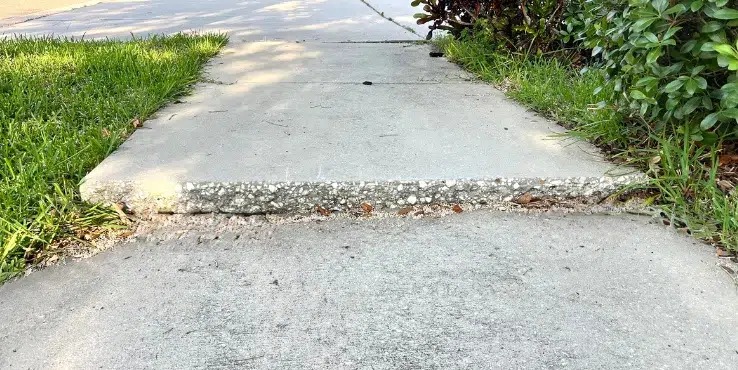
Changing the route helps with the immediate surroundings after a fall. Persistent unsteadiness or a worrying fall history needs an individual assessment.
Walking to a store is among the aerobic activities in the CDC's older-adult guidance.
Walking, cycling, pool exercise, or a class?
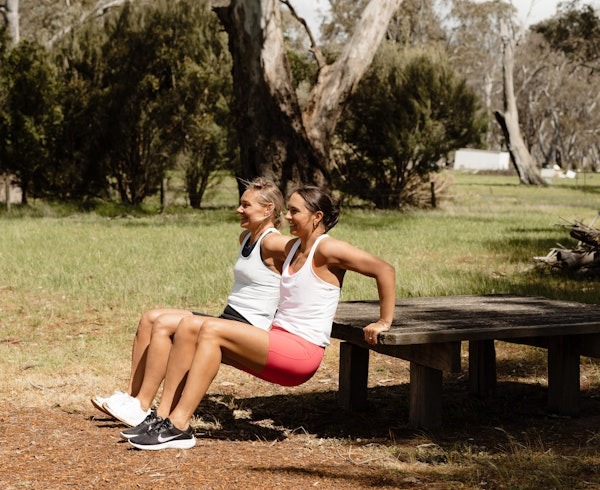
Several low-impact activities build aerobic endurance. They differ in equipment, access, upright movement, instruction, and how hard a session is.
| Activity | Main role | What you need | Principal trade-off |
|---|---|---|---|
| Walking | Aerobic endurance and upright movement | Indoor space or an outdoor route | Footing, weather, and confidence affect the setting |
| Stationary cycling | Aerobic endurance | Accessible, properly fitted bike | Seated cycling leaves standing balance unpracticed |
| Water walking or aerobics | Aerobic activity | Pool access, entry and exit, an instructor | Class pace can be demanding and the setting takes planning |
| Tai chi or a similar class | Balance, coordination, sometimes other components | A class at the right level, an instructor | Movements and teaching style have to suit you |
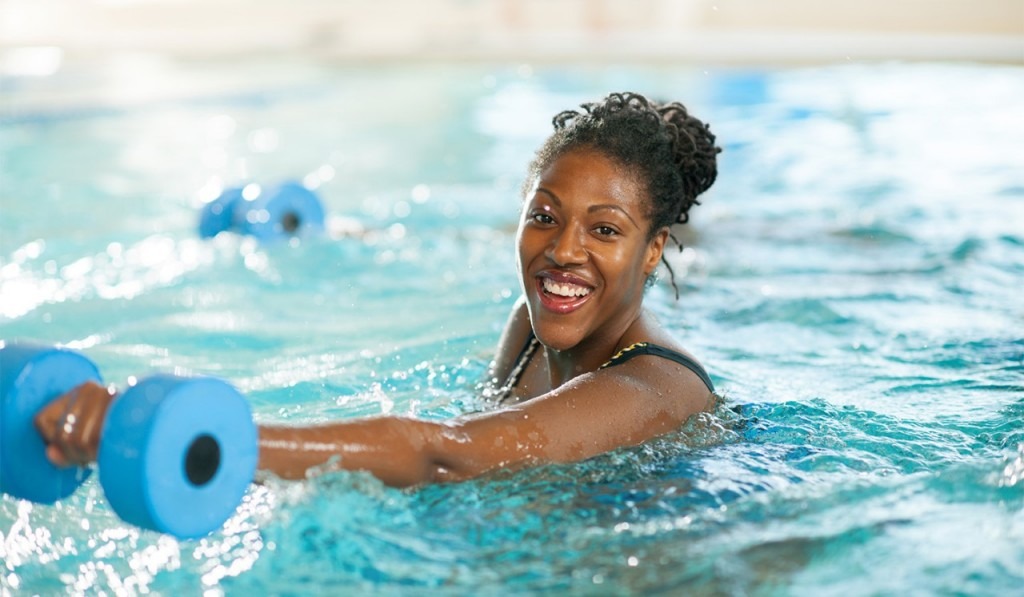
A stationary bike suits you if you have convenient equipment and unreliable outdoor footing. Pool exercise makes sense when getting in and out of the water is easy and the class level fits. A group instructor can help with modifications, while solo exercise gives you flexible timing. For walking alternatives involving buoyancy, balance support, and joint comfort, compare pool exercises for different abilities.
I walk 3 to 4 miles 5 days a week. I carry a plastic groccery sack and pick up trash. It is my little thing to improve the neighborhood and the world. I sometimes think about my sacks of trash. I have been doing it for 4 years. I would hate for all that to still be laying around.
I have been jogging a bit and trying to increase the distance for cardio. My hips and knees do not like it. I garden and do yoga.
Feeling good at 66
Pick an activity with a purpose or setting that makes you want to repeat it: a destination, a class, a companion, or time outdoors.
Build a balanced week: aerobic, strength, and balance
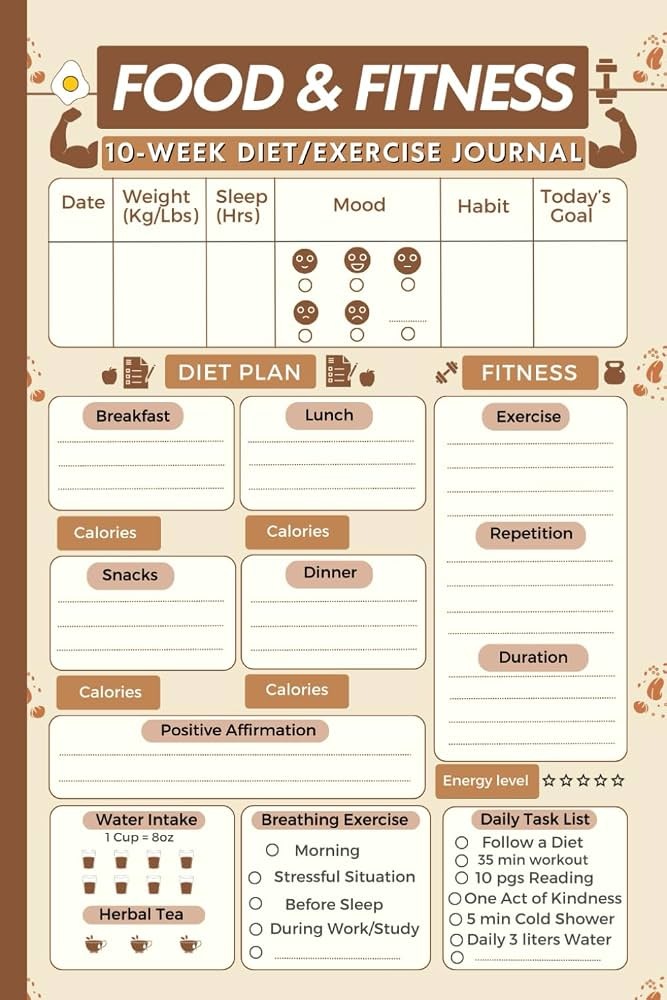
The CDC's guidelines for older adults cover aerobic activity, muscle strengthening, and balance. Each does something different.
| Activity category | General CDC recommendation for adults 65+ | Examples |
|---|---|---|
| Aerobic | At least 150 minutes a week at moderate intensity, or 75 minutes vigorous, or an equivalent combination | Brisk walking, cycling, water aerobics |
| Muscle strengthening | At least two days per week, involving major muscle groups | Bodyweight, band, or weight exercises |
| Balance | Include deliberate balance activities | Supported balance practice, tai chi, functional movements |
These are weekly goals, not a day-one workload. If you're starting again after a period of inactivity, begin with shorter sessions and adapt them to your ability and health.
The CDC gives 30 minutes on five days as an example of reaching 150 weekly minutes of moderate aerobic activity. If you're already comfortable at that level, here is one way to fit all three categories into a week.
| Day | Aerobic example | Other activity |
|---|---|---|
| Monday | 30-minute brisk walk | Strength session |
| Tuesday | 30-minute brisk walk | Balance practice |
| Wednesday | 30-minute brisk walk | – |
| Thursday | 30-minute brisk walk | Strength session |
| Friday | 30-minute brisk walk | – |
| Saturday | – | Balance practice |
| Sunday | – | Flexible day according to ability and preference |
Start gently, judge effort, and change a poor-fitting exercise
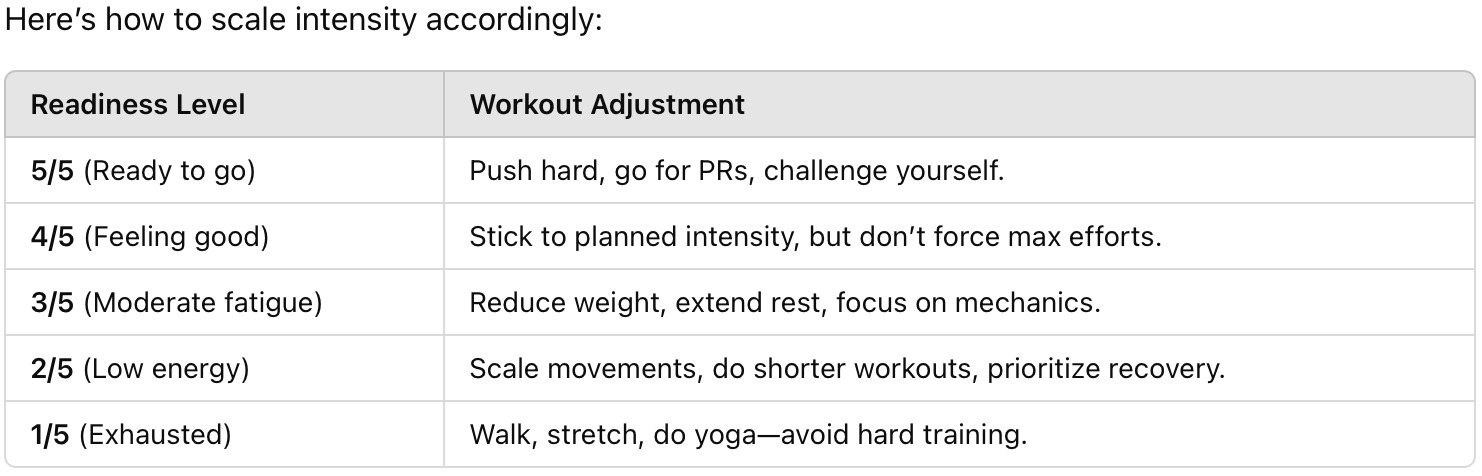
Warm up with gentler movement, build time or effort gradually, and finish at an easier pace.
The CDC's activity and intensity guidance offers the talk test:
- Moderate intensity: You can talk but can't comfortably sing. The CDC puts this at about 5 to 6 on a 0-to-10 effort scale.
- Vigorous intensity: Speaking more than a few words requires a pause for breath. The effort is about 7 to 8 on that scale.
The same walk or class feels different from one person to the next.
Technique matters too. A machine can have an awkward reach, a squat can demand too much depth, or a standing movement can need more support than you expected.
I don't think once size fits all. I'm 80M and started lifting weights 4 years ago with a trainer. All my exercises, even compounds, are 10 reps to reduce injury instances. I've had one injury, strained hamstrings, during an ill-advised attempt to squat deeper and a hernia which is likely not related to weight training. Certain accessory exercises can be problematic because some machines are not great for my long arms so I substitute another exercise.
My deadlift for 2x10 is 195 lbs, 225 prior to hernia surgery.
Avoiding injury doing the compounds at higher reps at any age is maintaining concentration as the fatigue builds up, but so far so good. This is my personal experience YMMV.
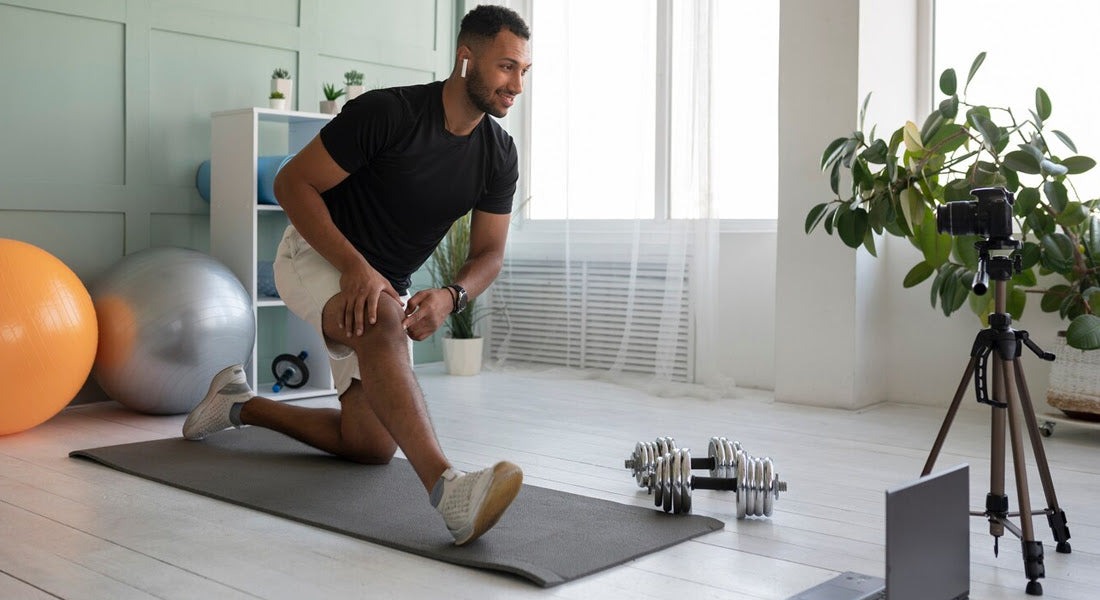
When an exercise fits poorly, adjust based on the problem:
- Range feels uncomfortable: Use a smaller controlled movement, or have an instructor suggest a variation.
- Equipment does not fit your reach or proportions: Choose a better-fitting setup or another movement for the same goal.
- Effort becomes difficult to sustain: Reduce pace, duration, or resistance and keep control.
Progress by doing a familiar movement with more comfort and control before you make it harder.
What exercise research says about preventing falls
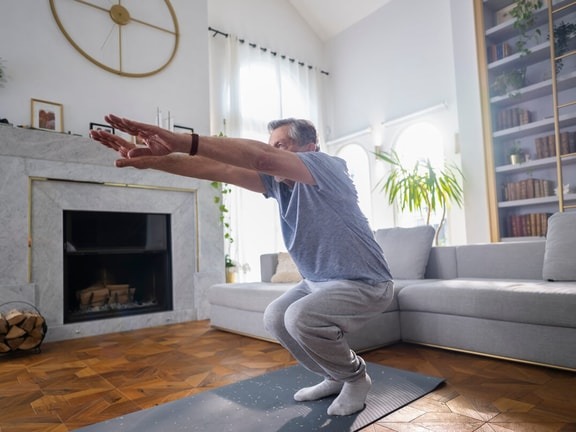
Structured exercise programs reduce the rate of falls among older adults living independently in the community. Programs with balance and functional exercises have particularly strong supporting evidence.
A 2019 Cochrane review of exercise for preventing falls included 108 randomized trials with 23,407 participants. The studies took place in 25 countries. Participants were about 76 years old on average, and 77% were women.
About 23% lower rate of falls in studied exercise programs. The overall exercise-versus-control analysis included 59 trials and 12,981 participants. Its fall-rate ratio was 0.77, with a 95% confidence interval of 0.71 to 0.83.
The percentage describes the rate of falls across the studied programs in community-dwelling older adults.
The review also reported about 15% fewer people experiencing at least one fall in a separate comparison. That outcome differs from the total rate of falls.
Balance and functional exercise programs had particularly strong support. The evidence was insufficient to isolate the fall-prevention effect of walking-only and certain other single-category programs.
When professional advice should guide the next step
A significant fall, repeated unsteadiness, an unexplained change in walking, persistent pain, or a post-surgical restriction can require an individual assessment.
The American Heart Association's physical-activity planning guidance lists several warning symptoms during exercise:
- Chest pressure or discomfort: Stop exercising and get medical advice promptly. Severe or persistent chest pressure, especially with other worrying symptoms, needs emergency help.
- Lightheadedness, dizziness, or feeling faint: Stop the activity and get a prompt assessment.
- Unusual or severe shortness of breath: Stop and get prompt medical attention. Severe breathing difficulty needs emergency help.
- An unusually fast or uneven heartbeat: Stop and get prompt medical advice.
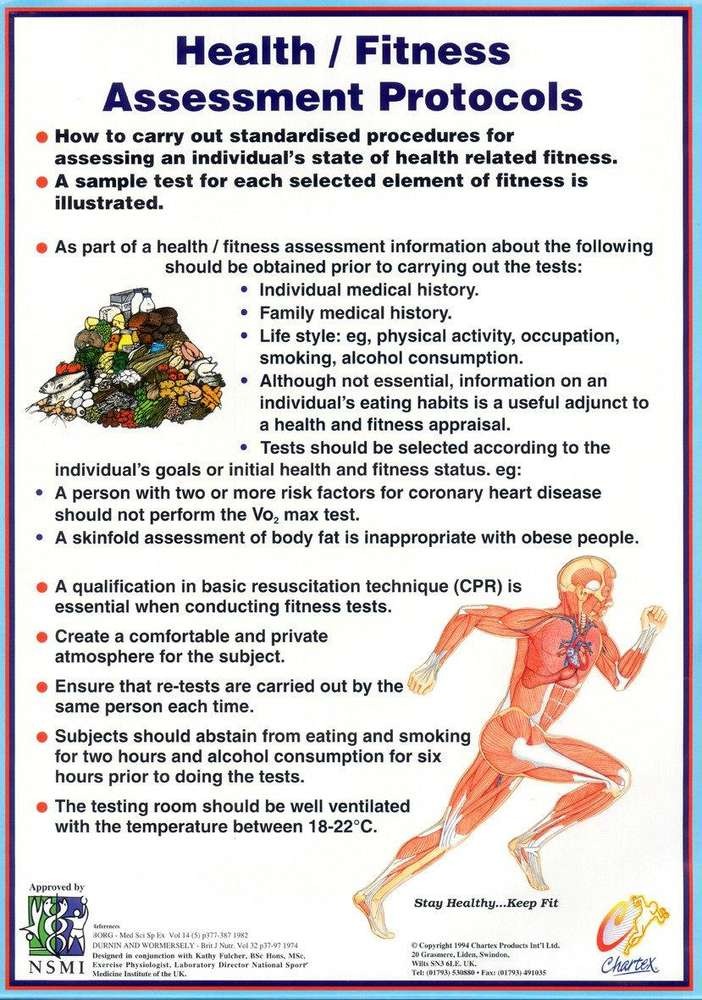
A clinician can assess medical restrictions and new symptoms. A physical therapist or another qualified movement professional can adapt exercises to your daily needs. An instructor can help with technique.
A chronic condition or disability doesn't automatically rule out physical activity. The type, amount, and support may need tailoring.