
Outdoor Workout Ideas for a Park, Path, or Backyard
If you can exercise safely, walking plus a few bodyweight moves makes a full outdoor workout. A park, backyard, or clear patch of ground is enough; you don't need a gym, bench, or pull-up bar. If the weather, the surface, or your body says no, shorten the session or go indoors.
Check the Conditions Before You Work Out Outside

Heat, polluted air, thunderstorms, or poor footing can change your exercise plans. Check three things first:
- Heat and weather: Look at the local forecast, then look at the sky and the ground. On hot days, pick a cooler time, ease off, or exercise indoors. Drink water regularly; the CDC's heat guidance advises drinking more than usual. If you feel weak or faint, stop and get somewhere cool.
- Air quality: Use AirNow's Air Quality Index guidance to read the local AQI and forecast. Air quality varies by location and time of day, and people sensitive to pollution may need to change their plans.
- Thunderstorms: If you hear thunder, get into a substantial building or a hard-topped vehicle with the windows closed. The National Weather Service advises waiting at least 30 minutes after the last thunder before going back out. Trees and open park shelters aren't safe places to wait.
Clouds don't remove sun exposure, so wear sun protection. If you develop new or severe chest pain, severe difficulty breathing, or sudden confusion, stop exercising and call 911.
Heat changes how a familiar route feels, and this runner found a fix:
I'm a former army officer who got out and let himself go after we had kids. I have never been overweight in my life until the past 5 or so years. I have recently taken back up running as my primary source of physical activity (because I love it) and am dying right now in the summer sun. Having said that, God bless those people who love their lawns so much they install sprinklers. I will literally run out of route to purposefully run through (and jog in place) that amazingly cool and refreshing water. It feels like immediately afterwards I can run much faster and always gives me a boost. Hopefully it's not just me (otherwise I'm sure I look super weird) who does this!
A sprinkler cools you for a minute. If the heat is dangerous, shorten the workout anyway.
Pick a Spot and Know What "No Equipment" Means
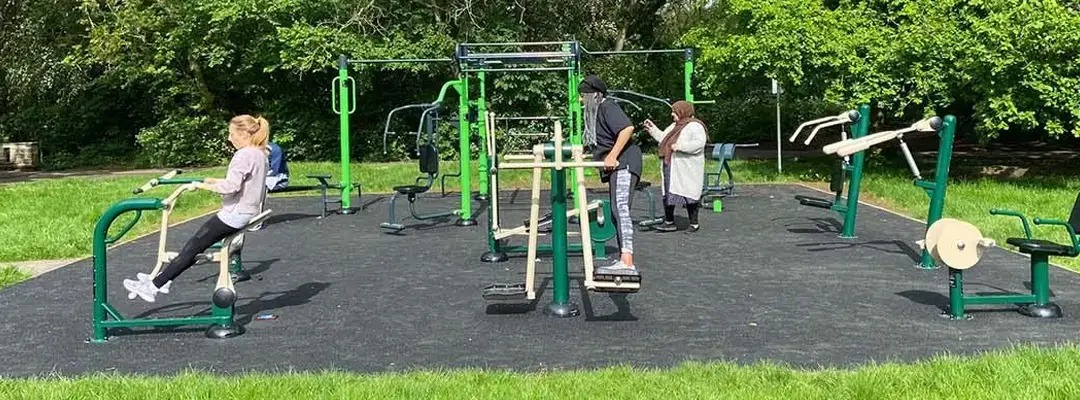
Open ground, a walking path, and a park with exercise fixtures each give you different options, so match the movements to the space. For park paths, aerobic warm-ups, and balance-oriented steps, consider the different toe-tap exercise variations.
Truly equipment-free means just your body and the ground. No equipment carried means you bring nothing but may use a park fixture. Minimal equipment means a portable item such as a mat or resistance band. The routine below is the first kind.
| Where you are | Workable exercises | What to check | No-prop option |
|---|---|---|---|
| Open grass or backyard | Squats, side steps, marching, calf raises | Level ground, traction, room to move | Standing circuit |
| Walking path | Walking intervals, plus standing moves away from the route | Foot traffic, hills, footing | Walking and steady steps |
| Park with a bench | Walking, standing exercises, optional incline push-ups | Whether the fixture is sturdy and allowed | Same standing circuit without the bench |
Wherever you are, you need firm footing and room that doesn't get in other people's way. Don't trust a bench, rail, playground structure, or tree branch with your body weight just because it looks solid.
Try This No-Equipment Outdoor Workout
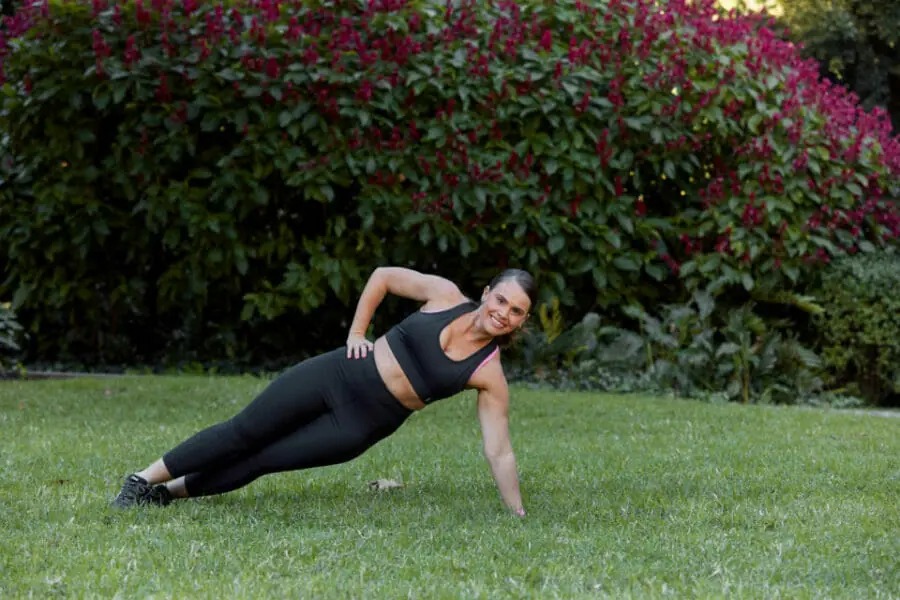
This session pairs walking with simple standing moves. You can do it from warm-up to cooldown without a bench, weights, mat, or pull-up bar. It organizes one visit and is light on upper-body strength work; building strength across all major muscle groups takes more training.
Allow about 20 minutes. Change the pace and rest when you need to, and treat the timings as a starting point.
A simple 20-minute session
| Phase | Approximate time | What to do | Easier option |
|---|---|---|---|
| Warm-up | 5 minutes | Walk at an easy pace and gradually loosen up your movements | Start very slowly |
| First movement loop | 5 minutes | One minute each: squats, side steps, marching, calf raises, then easy walking or rest | Move for part of each minute, then recover |
| Second movement loop | 5 minutes | Repeat the five movements if it feels good | Walk gently or rest for part of the block |
| Cooldown | 5 minutes | Walk easily until your breathing settles | Slow down further |
In each minute, do a few slow, steady reps and move on to the next exercise when you're ready.
For a squat, set your feet in a comfortable stance, bend at the hips and knees as far as you can control, then stand up. A partial squat counts. For side steps, step sideways and place each foot with intent; march by lifting and lowering one foot at a time. For calf raises, lift your heels slowly and lower them the same way.
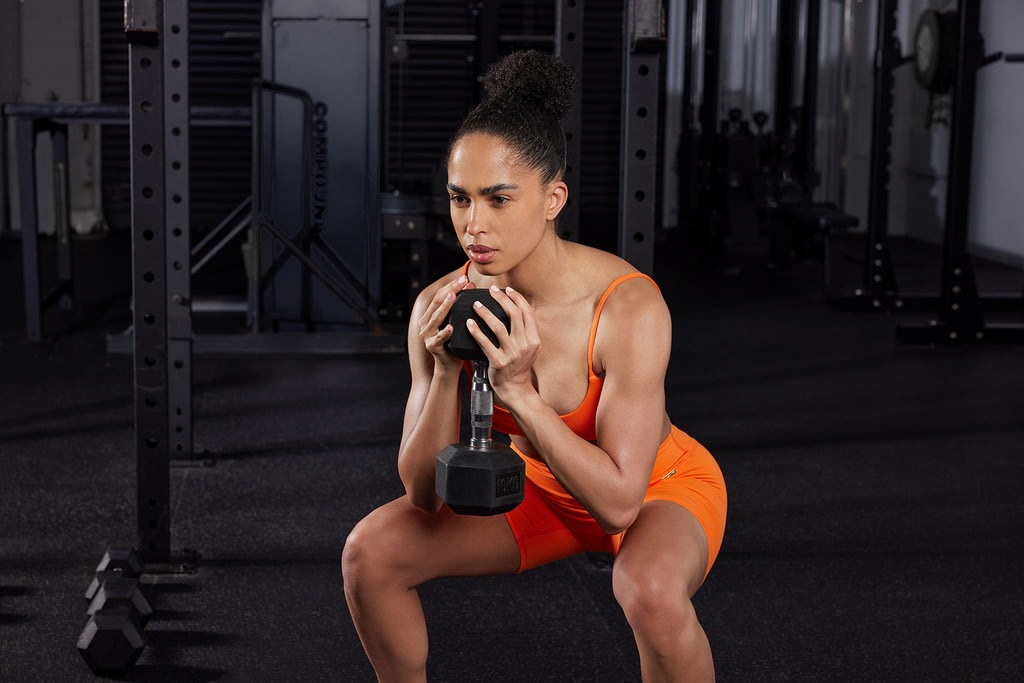
The same sequence scales up or down:
- About 10 minutes: Shorten the warm-up, do one movement loop, and finish easy.
- About 20 minutes: Follow the sequence above.
- About 30 minutes: Walk longer or repeat a movement loop, with recovery in between.
MedlinePlus's outdoor fitness guidance includes a walking warm-up of about five minutes. It describes aerobic activity, strength, balance, and flexibility as complementary types of exercise.
For the weekly picture, the CDC recommends at least 150 minutes of moderate aerobic activity per week for adults, plus muscle-strengthening activity on two days. Short bouts of moderate or vigorous aerobic activity count toward the weekly aerobic target.
Adapt the Workout to a Bench, Walking Path, or Grass
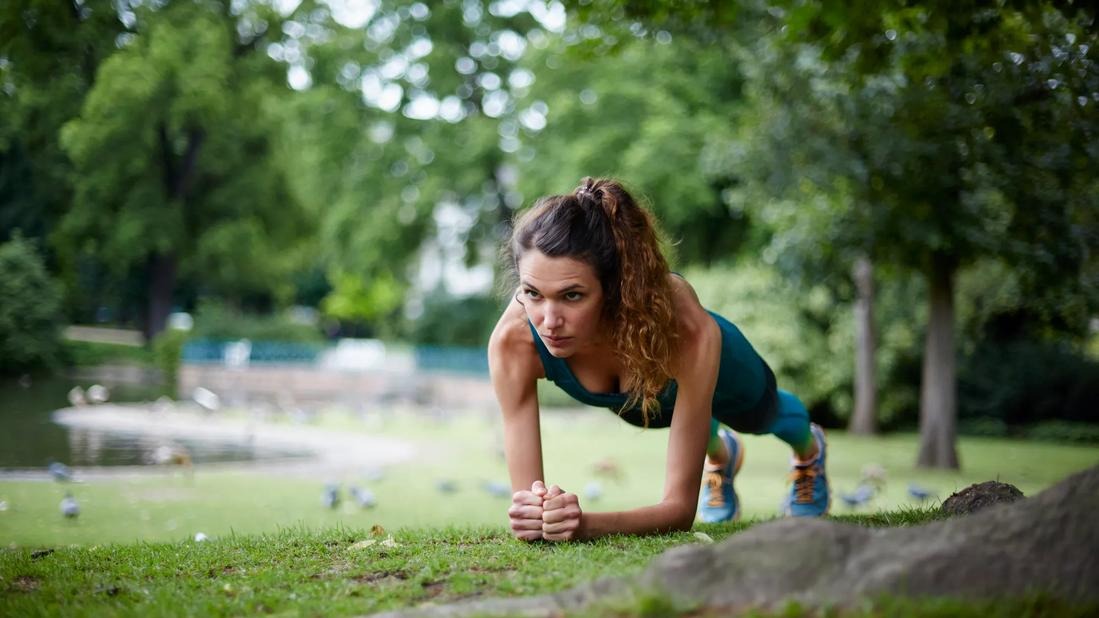
The routine travels with you. A sturdy bench adds a pushing option, while a busy path or uneven ground calls for simpler moves.
| Situation | Change the exercise | Why it helps |
|---|---|---|
| A bench is available and allowed | Try an incline push-up with your hands on the bench | Adds an upper-body push |
| The walking path is busy | Walk on the path; do standing moves in an open area | Keeps the path clear for others |
| Grass is wet or uneven | Move the standing exercises to a level surface | Gives you steadier footing |
| No bench or bars are available | Keep the standing circuit | No change needed |
For an incline push-up, put your hands on the support, set your body at an angle you can hold, bend your elbows through a range that feels good, then push back up. Skip it if the setup feels shaky.
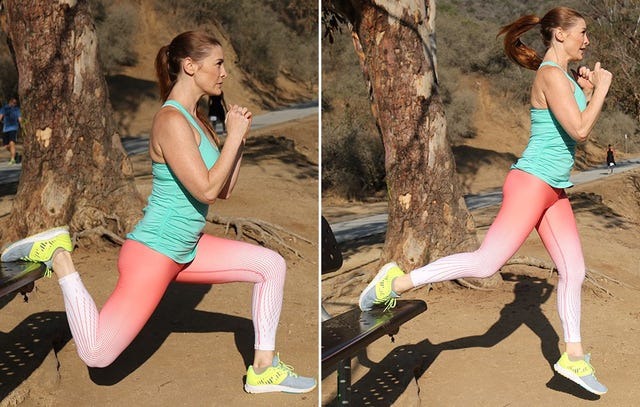
A walking loop gives you another variation: alternate brisk walking with easier stretches. Hills change how demanding a familiar pace feels, so the route itself can be enough to vary your effort.
On grass, watch your foot placement. A move that feels fine on firm ground gets awkward on a slope or an uneven patch.
Make Outdoor Exercises Easier or Harder
Change one variable at a time: range, speed, complexity, or recovery. The right version is the one where you keep control.
- Squats: Use a shallow bend if a deeper squat feels hard. Go deeper only while you stay steady.
- Side steps: Step so both feet return to the ground. Hopping adds impact and balance demands, so keep stepping if you're unsure of your landing.
- Walking: Shorten the brisk sections or slow down. An experienced exerciser can extend the brisk intervals.
- Calf raises: Keep the lift small if your balance is shaky. Don't bounce through reps.
- Recovery: Pause when your technique slips. Add work only once the current version feels manageable.
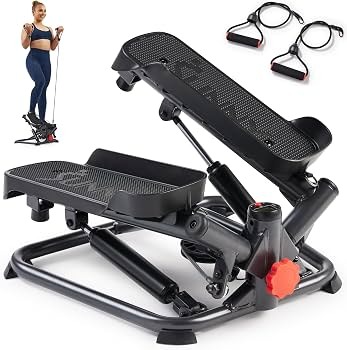
A beginner can do one small movement loop with plenty of recovery; a regular exerciser can add another loop or walk longer. Don't turn the session into exhausting intervals or push any movement to failure.
If you have an injury or medical condition, or a movement causes pain, talk to a qualified professional first. This routine doesn't prescribe rehabilitation exercises.
The Limits of a Truly No-Equipment Workout
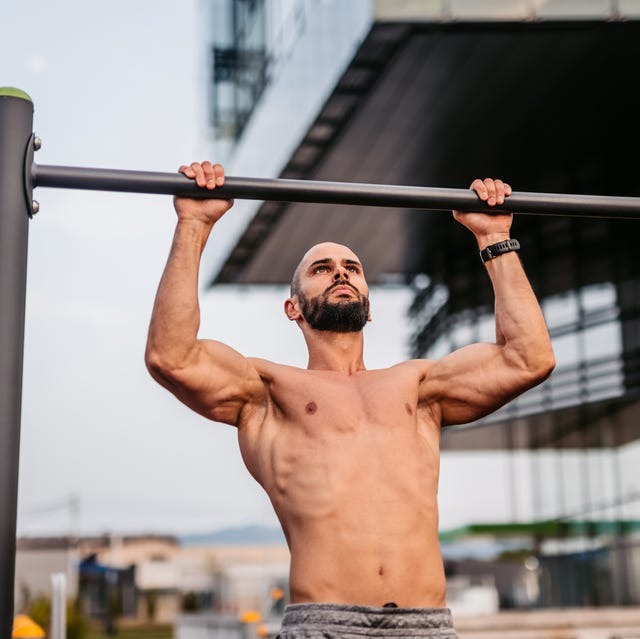
A prop-free outdoor session covers walking, lower-body strength, balance, and mobility, with pushing options depending on your setting. Loaded pulling for the upper back is harder without a bar, band, or other resistance. If pulling strength is a goal, plan that resistance work separately.
Work Out in Public Without Taking Over the Park
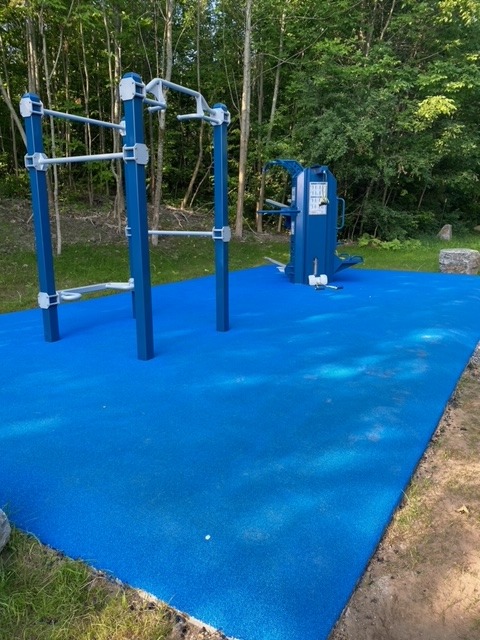
Exercising where people can see you can feel awkward. Parks also have shared routes and facilities, so follow posted rules, keep walkways clear, give children room in play areas, and don't take over common equipment.
Here's how one person felt about a first workout outside the privacy of home:
I have always worked out either in my room or basement and never outside. I am an introverted person and caring about other peoples opinions has affected my relationship with others and my confidence.
However, for the first time in my life, I trained with gymnastic rings on a path way that people walk on and completed a workout.
[...]
To anyone who is worried about the awkward gazes people give you or the mom telling her kid to come to her when you're doing pull ups at the park, try using headphones and music those really helped me a lot and at the end of the day no one will remember the guy working out.
I promise no one really cares unless they're genuinely interested in calisthenics too.
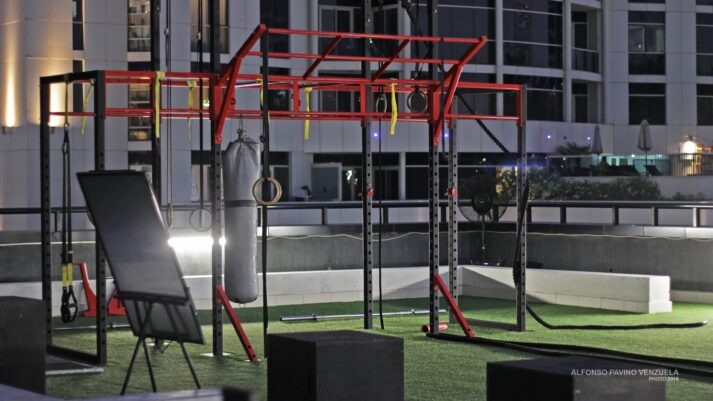
For your first public session, keep the goal small and stick to a routine you already know.
How to Tell Whether the Workout Worked for You

Use what happened to plan the next session. Four questions give you what you need:
- Completion: Did you finish the version you planned, or did you shorten it?
- Control: Could you do the moves without losing balance or technique?
- Aerobic effort: The CDC's talk test is a simple cue. At a moderate aerobic intensity, you can talk but not sing; at vigorous intensity, you can't say more than a few words without pausing for breath.
- Next adjustment: Pick one change for next time, such as an easier squat, a different route, or a bit more walking time.
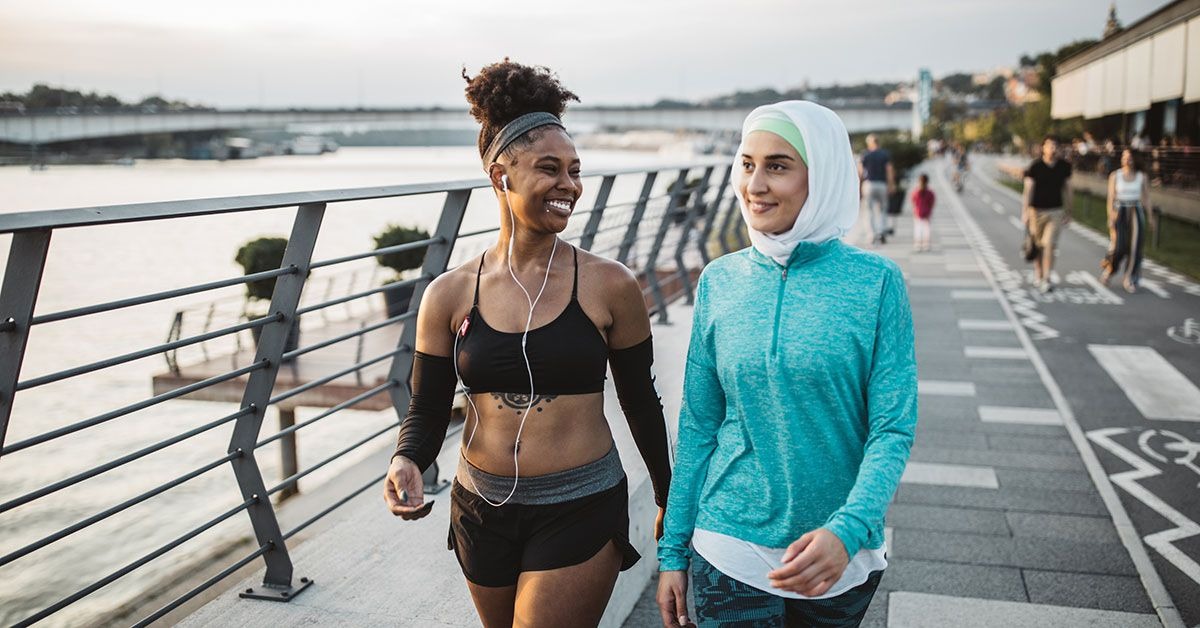
Getting out the door can take longer than the workout, as this runner found:
Spent 45 minutes this morning negotiating with myself about whether to run. Finally got out the door. Finished the run in 35 minutes.
The run itself is never the hard part. It's the 47 layers of mental excuses beforehand. "It's too cold." "My legs feel weird." "I'll go tomorrow." "What if I need to pee mid-run."
Then you finish and immediately think "that wasn't bad at all, I should do this more often."
Every. Single. Time.
What's everyone's go-to excuse that you know is BS but still try to use anyway?
Try the 10-minute version before lengthening the workout. How it feels will help you choose the next session.