
How Your Energy Can Change Across the Menstrual Cycle
Energy can fluctuate across a menstrual cycle, but a phase label cannot predict how any one day will feel. Your own observations over several cycles are more useful for planning. See a doctor if fatigue is severe, persists, or comes with heavy bleeding.
Does your menstrual cycle change your energy levels?
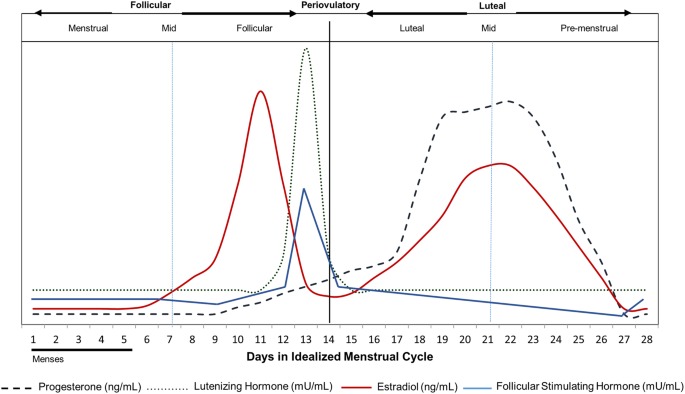
Some people report more energy during bleeding, others feel drained. A 2025 study by Doornweerd and Gerritsen followed 22 naturally cycling participants and 18 oral-contraceptive users with daily symptom reports and saliva samples over 28 days. The researchers found differences in self-rated energy and in how much it varied. The study was small and observational, so it can't predict your energy on a given day.
What energy changes might happen across the cycle?
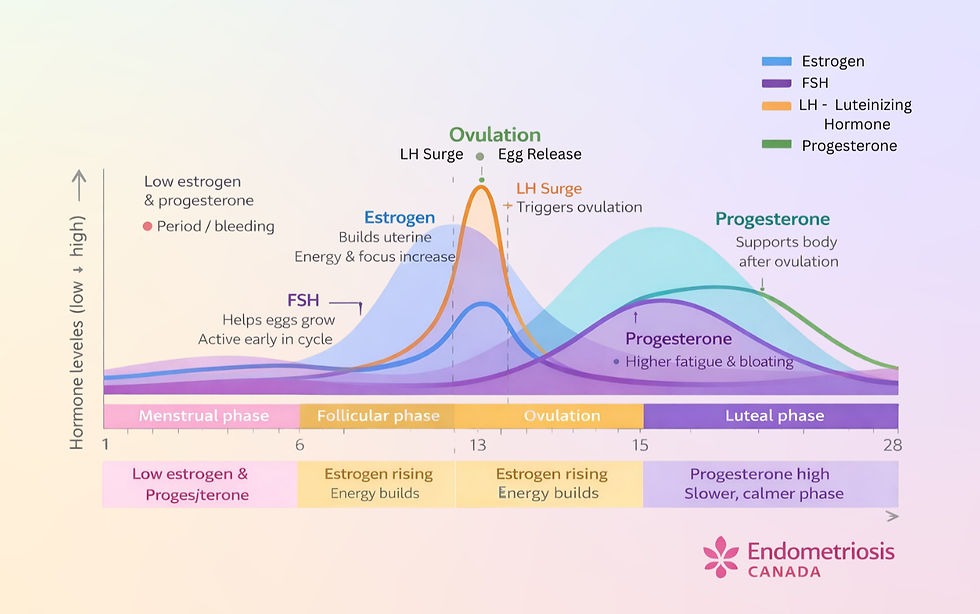
Hormones set the biological background, but experiences differ. The common four-stage description separates menstrual bleeding, the later follicular phase, ovulation and the luteal phase. Bleeding is technically part of the follicular phase; the separate labels just make orientation easier.
The first day of bleeding marks day one of a new cycle. Estradiol, a form of estrogen, rises during the follicular phase, and progesterone becomes more prominent after ovulation. Hormone levels fall toward the next period if pregnancy does not occur. For resting metabolism, see the review of calorie burn during menstruation.
| Cycle stage | Broad physiological picture | What you might feel |
|---|---|---|
| Menstrual bleeding | Estrogen and progesterone are relatively low around the start of bleeding | Fatigue, discomfort, usual energy or a surprising lift |
| Later follicular phase | Estradiol rises before ovulation | More alertness or motivation for some people |
| Ovulation | Hormonal changes accompany release of an egg | A noticeable shift for some, little change for others |
| Luteal and premenstrual phase | Progesterone rises after ovulation; hormone levels fall later if pregnancy does not occur | Fatigue, sleep changes, premenstrual symptoms or no change |
These stages are not fixed energy peaks, and ovulation does not reliably fall on day 14.
One person in a running community described a pattern that goes against the assumption that bleeding is the lowest-energy time of the cycle.
Personally my energy levels are insanely different depending on where in my menstrual cycle I am. The week before my period I usually feel like a slug, I don't have any energy and motivation is a bitch. Then as soon as I bleed I feel fucking invincible again and the motivation skyrocket again.
So I wondering how other people deal with this. Do you construct training plans around this? Or do you have enough mental fortitude to override your body? And what's the best thing to do, adapt or keep pushing?
The Office on Women's Health also recognizes that energy during menstruation can move in either direction. Treat the first day of bleeding as your calendar anchor, since ovulation timing varies.
Why cycle-syncing charts may not fit your experience
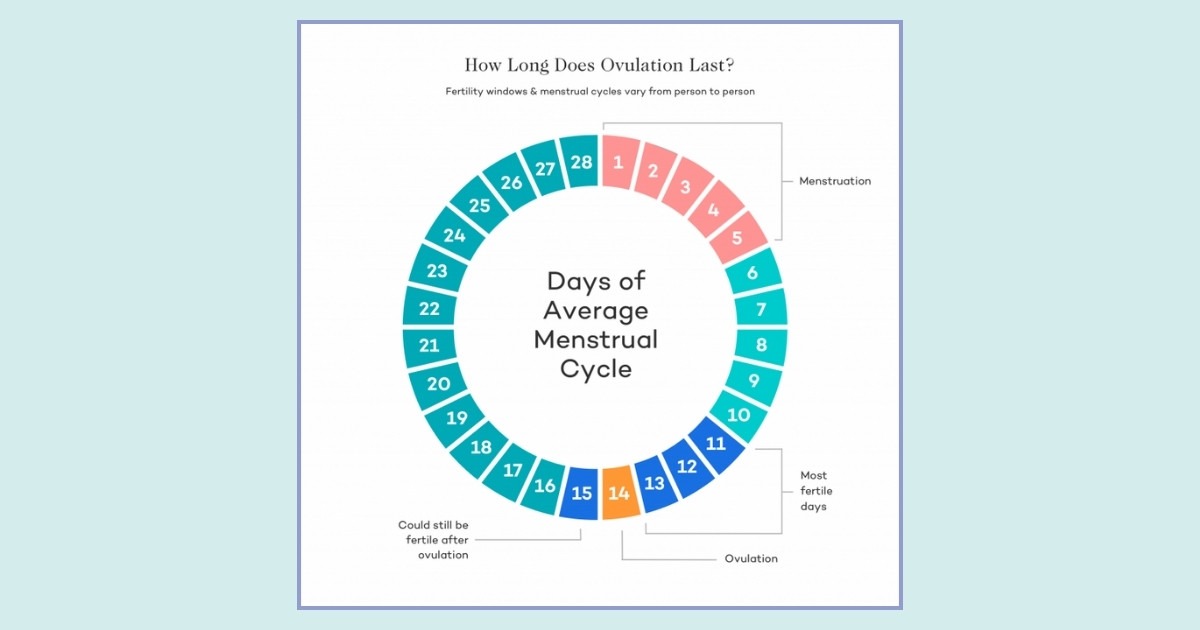
A four-week chart shows an illustrative cycle. Real cycle lengths vary, and the dates an app predicts can differ from when events actually happen; the same person can also feel quite different from one month to the next.
That matters when you plan a demanding trip or workout. A predicted easy day can turn out uncomfortable, and a supposed low-energy day can feel ordinary.
Hormonal contraception adds another variable. In the 2025 diary study, oral-contraceptive users had lower average energy ratings and less day-to-day variation in several psychological measures than naturally cycling participants.
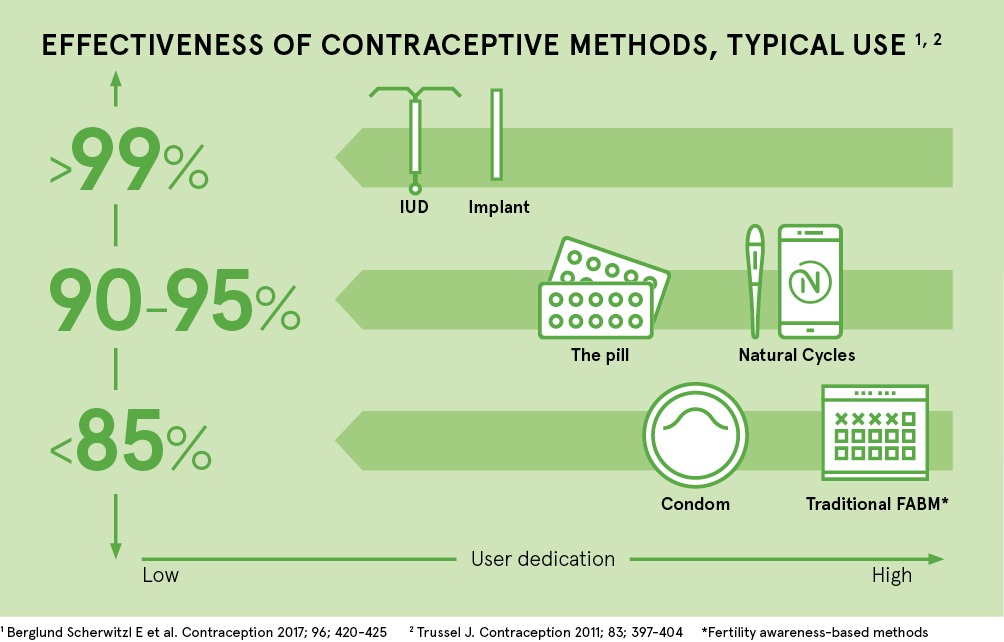
Hormone exposure and bleeding patterns on hormonal contraception can differ from those in natural-cycle diagrams. A copper IUD is nonhormonal and does not belong in the study's oral-contraceptive group.
Feeling energetic, performing well and burning calories are different measures
You can feel exhausted and still get through an ordinary day. Felt energy describes how the day feels. A performance test or step counter records something else.
| Measure | How it is observed | What the evidence shows |
|---|---|---|
| Felt energy or vitality | Personal ratings of tiredness, alertness or energy | The 2025 daily diary study documented variation in self-reported well-being |
| Exercise performance | Tests of strength, endurance or other physical outcomes | A 2020 review of 78 studies found a trivial average phase difference, with low-certainty evidence |
| Recorded movement | Steps and logged workout sessions | A Flo analysis of more than 5,000 app members found similar median steps in two compared phases |
| Food and metabolic energy | Calories consumed or resting metabolic rate | Studies measure energy intake and expenditure, which differ from perceived vitality |
The 2020 review by McNulty and colleagues found a trivial average reduction in exercise performance in the early follicular phase compared with other phases. The 78 studies differed widely in methods and results, and the overall evidence quality was low.
Flo's 2026 observational analysis of step data from 5,657 app users reported median daily steps of 4,399 in the midfollicular phase and 4,491 in the late luteal phase. That is a difference of 92 steps, about 2%. A separate group of 197 users supplied exercise-session logs; gym, cycling and running entries varied across phases.
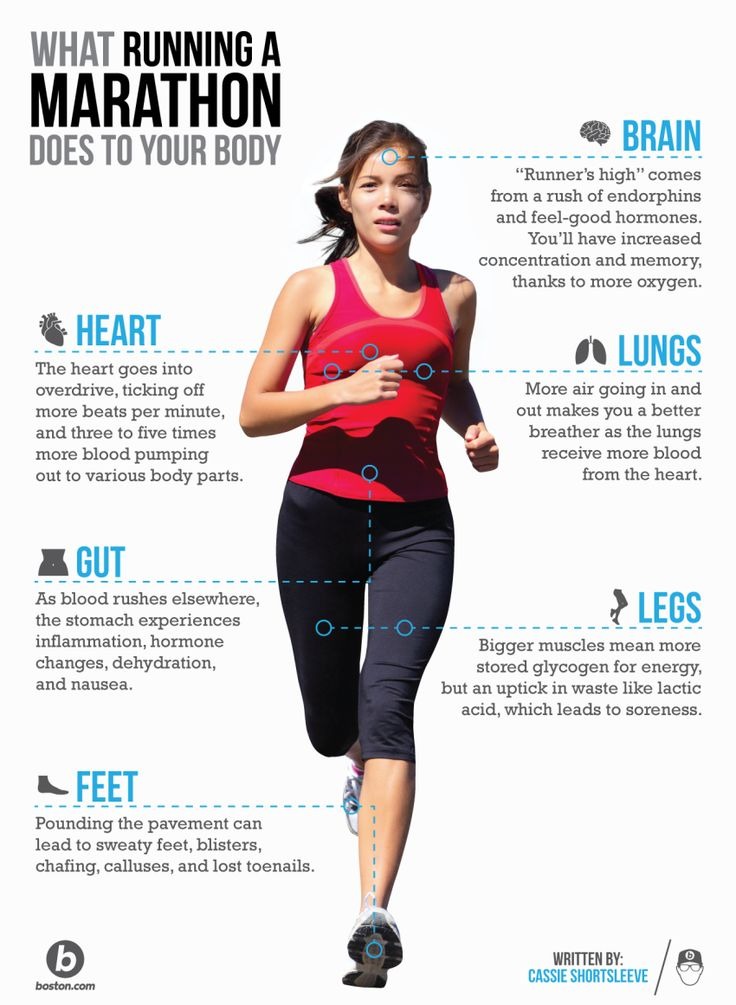
A runner described two very different training days and struggled to judge how much effort was realistic.
[...] For example, on 2/5 I ran 5 miles as a long run and it was tiring but felt good; today I set out for 4 miles, trudged through one mile that felt like absolute shit before giving up and going home.
I’m a big proponent of listening to your body, but with the eventual goal of running a half and full marathon, how can I adjust my training around my cycle? The low energy runs can be super demoralizing and have myself convinced I can never run a half. But a few weeks later I’ll crank out the same distance no problem.
Research on calories uses the word energy in yet another way. A 2025 meta-analysis pooled 15 datasets involving 330 women from restricted adult study populations and found average reported food intake approximately 168 calories per day higher in the luteal phase than in the follicular phase. That is a difference in food eaten. Resting metabolic rate studies measure expenditure at rest, which is a different question from how energetic you feel.
When you read a claim about cycle-related energy, check what was measured first: a diary rating, a performance test, a step count, sleep, food intake or metabolic expenditure.
What else can affect energy during your cycle?
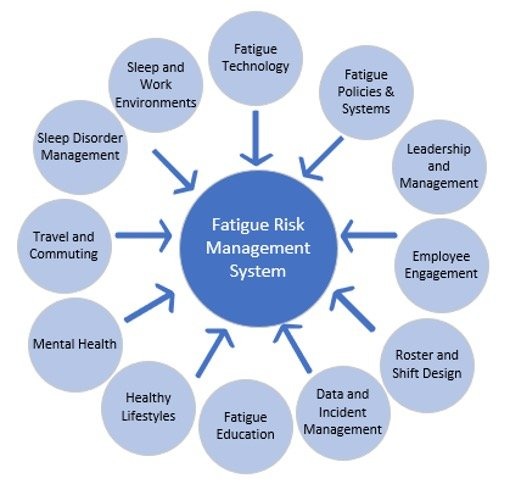
Sleep, stress, pain, illness, workload and bleeding can overlap with menstrual timing, and each can make a familiar day of the cycle feel harder.
The American College of Obstetricians and Gynecologists (ACOG) lists fatigue and sleep changes among possible premenstrual symptoms. Other health conditions cause similar complaints, so menstrual timing is one piece of the picture.
In a 2024 study of 51 women aged 18 to 35, nighttime wakefulness was higher during the perimenstrual phase than during comparison phases. Diary reports estimated 8 to 16 additional minutes, while actigraphy recorded 4 to 7 additional minutes.
The study measured nighttime wakefulness and related emotional outcomes. It speaks to sleep, not directly to a daytime energy score.
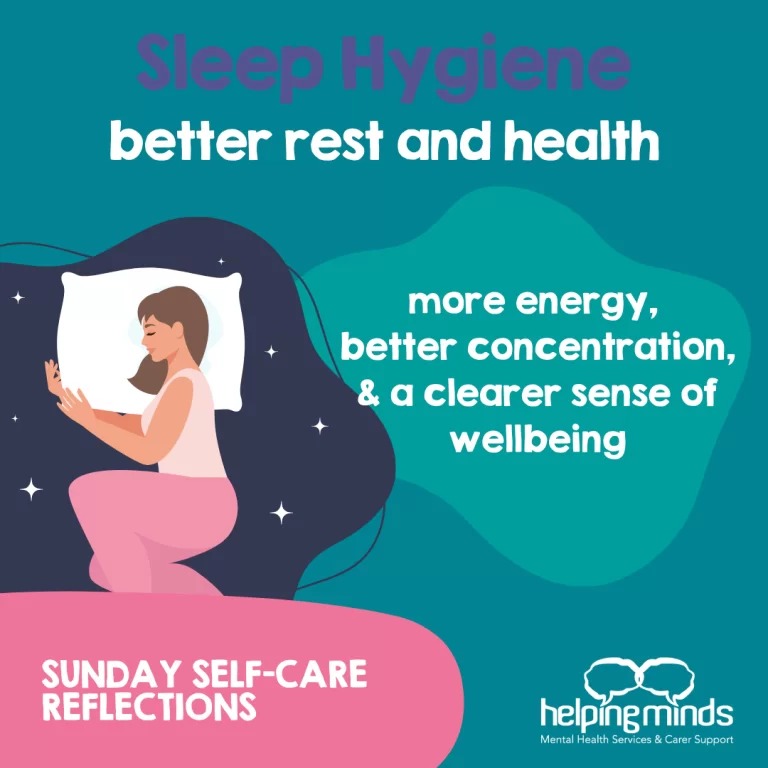
Suppose a low-energy day follows several nights of poor sleep and an unusually demanding workweek. Those factors matter alongside cycle timing. Before you blame your cycle, check what changed in sleep, illness, stress, pain or bleeding compared with your usual.
How to track your energy without making it a chore
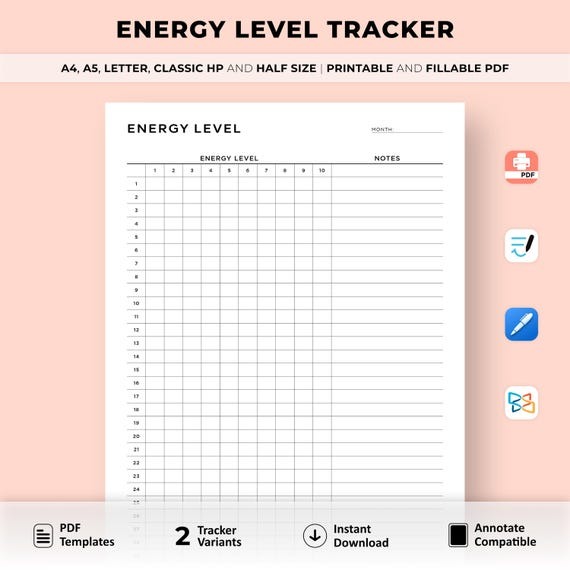
A small, repeatable diary shows whether tired days cluster around similar menstrual dates.
ACOG recommends recording menstrual dates and symptoms daily for at least 2 to 3 months when evaluating a possible premenstrual pattern. A phone note, paper calendar or familiar app works.
One poster described the less glamorous obstacle: remembering to track at all.
I've never been able to keep up with tracking anything. Every time the doctor asks when my last period was, I just sorta make it up.
I'd realllllly like to get my act together and track things so I can find out what helps/hurts my energy levels, sleep, ability to focus, etc. Starting with my period because I feel that would be easiest.
The problem is partly forgetfulness, and partly task avoidance. I don't remember to track things when they happen, and I ignore app notifications and alarms because "it's too much work" 🙃
Post inspired by my NT boyfriend who's been tracking everything he eats recently, totally effortlessly. The jerk.
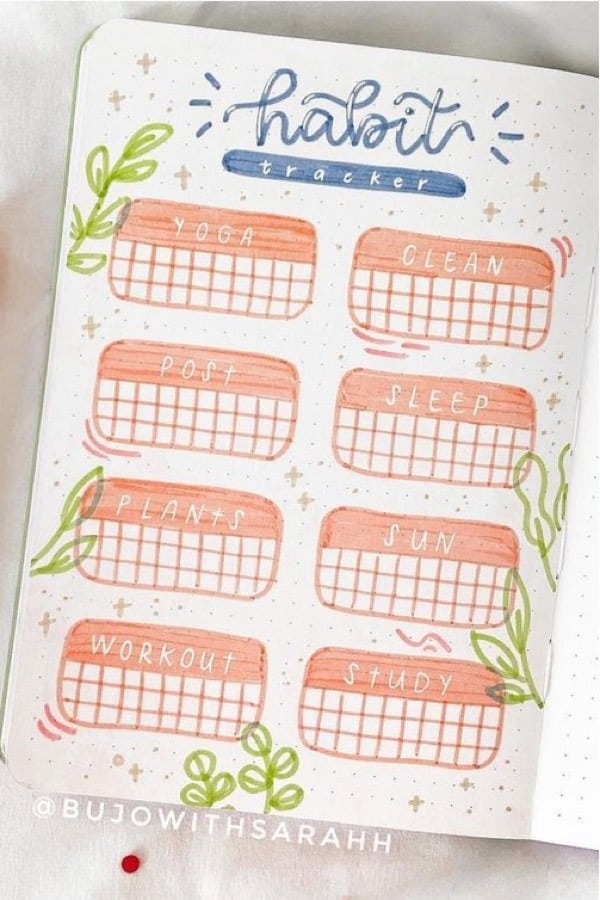
For a starting format, one line a day is enough: date, whether bleeding began or continued, felt energy on a 1 to 5 scale, and one unusual circumstance. On the scale, 1 is very low felt energy and 5 is very high.
Example of a one-minute energy log
These entries are fictional examples of the format, not research observations or predicted cycle-phase scores.
| Date | Bleeding | Energy (1 to 5) | Context |
|---|---|---|---|
| May 4 | First day | 2 | Poor sleep |
| May 13 | No | 4 | Normal sleep |
| May 25 | No | 2 | Unusually late work shift |
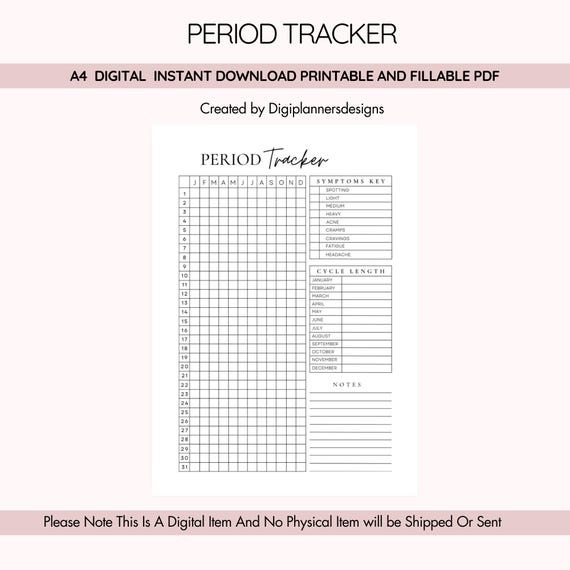
After 2 to 3 months, check whether similar energy changes recur near the start of bleeding, including months that contradict your first impression. The diary can show an association and give you something to bring to a medical visit. It can't diagnose a condition or confirm an exact ovulation date.
Should you change your workouts or daily plans?
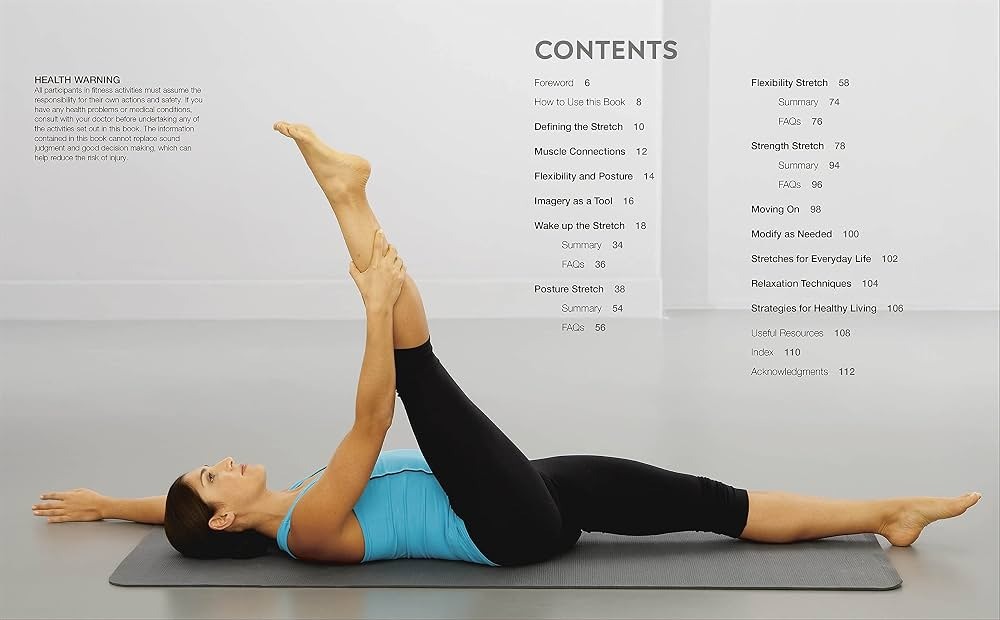
Adjust optional activities to how you feel today. Physical activity during menstruation is possible, according to the Office on Women's Health, and some people find that movement helps their symptoms or mood.
| Today's situation | What to do |
|---|---|
| Comfortable and capable | Continue usual exercise and other plans |
| Noticeably tired or uncomfortable | Shorten a workout, lower intensity or move a flexible task |
| Depleted, painful or unable to perform an optional activity comfortably | Choose lighter movement or rest |
If a planned hard workout feels unmanageable one morning, a shorter walk can be enough for that day. If you feel well while menstruating, the calendar gives no reason to skip your usual activity.
Research has not established a universal cycle-syncing program that improves everyone's fitness or work performance.
When fatigue deserves medical assessment
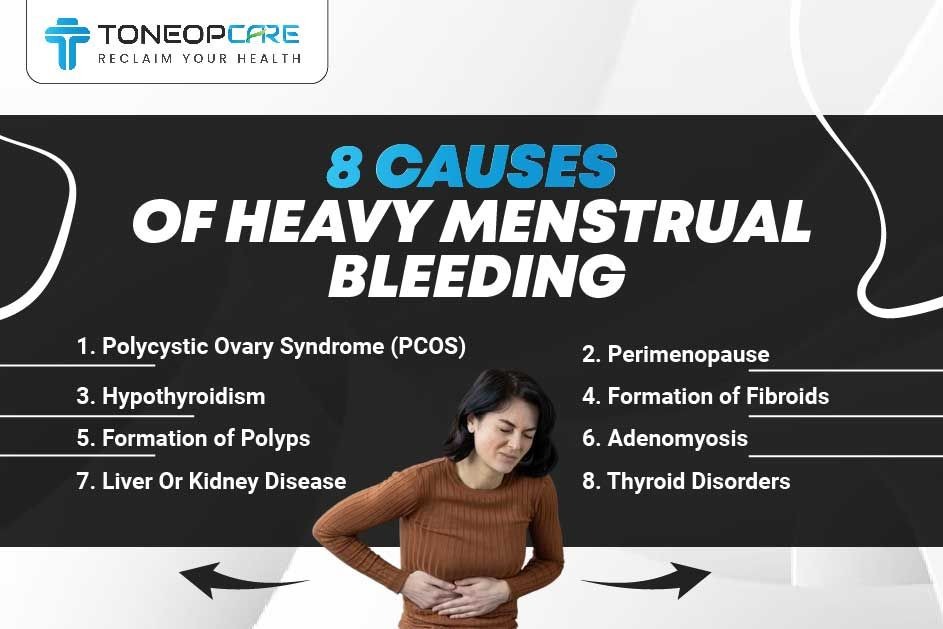
Fatigue that is unusually severe, persistent or disruptive deserves a doctor's visit, especially when bleeding is heavy or prolonged. Heavy menstrual bleeding can cause anemia, which brings tiredness, weakness and sometimes shortness of breath.
The CDC guidance on heavy menstrual bleeding lists several signs worth discussing with a healthcare professional:
- Long periods: Bleeding that lasts more than seven days.
- Frequent product changes: Needing a new pad or tampon in less than two hours.
- Repeated soaking: Soaking through a pad or tampon every hour for several consecutive hours.
- Large clots: Passing clots about the size of a quarter or larger.
- Associated symptoms: Significant tiredness, weakness or shortness of breath, particularly alongside heavy bleeding.
These symptoms call for finding the cause. They do not by themselves diagnose anemia, PMS, PMDD or another condition.

Get urgent medical help for severe symptoms. Fainting, chest pain or major difficulty breathing should not wait for several weeks of symptom tracking.