
Do You Burn More Calories on Your Period? What the Evidence Says
Bleeding itself has not been shown to increase calorie expenditure. Some studies find a small rise in resting expenditure in the luteal phase, the days before your period, but results vary and don't justify a standard extra-calorie allowance. If hunger or the scale shifts around your period, check which cycle phase and which measurement a claim is about.
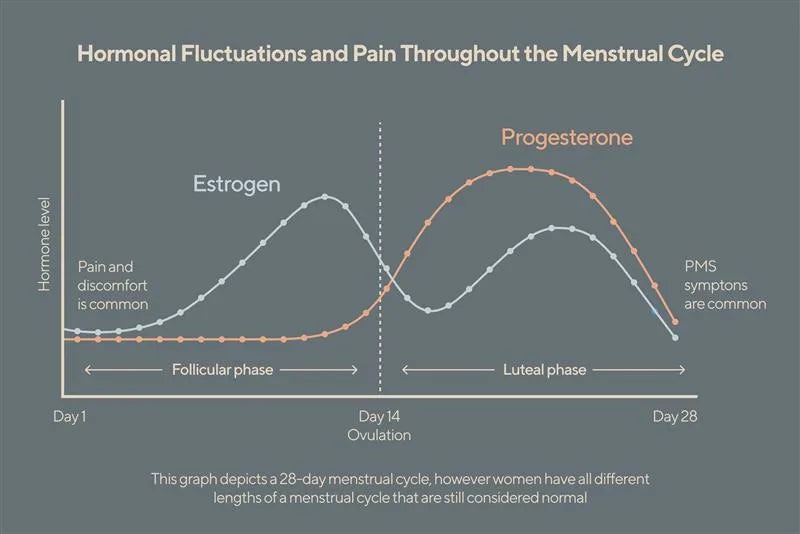
Your period and the days before it aren't the same phase
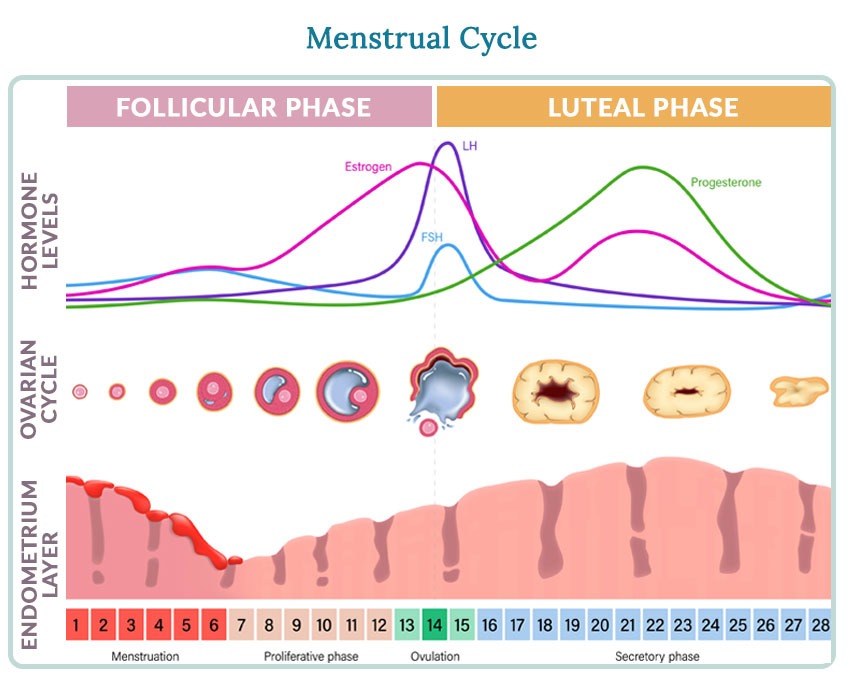
Days leading up to a period are not the same phase as the days of bleeding.
The first day of bleeding is day 1 of a new cycle, according to the US Office on Women's Health.
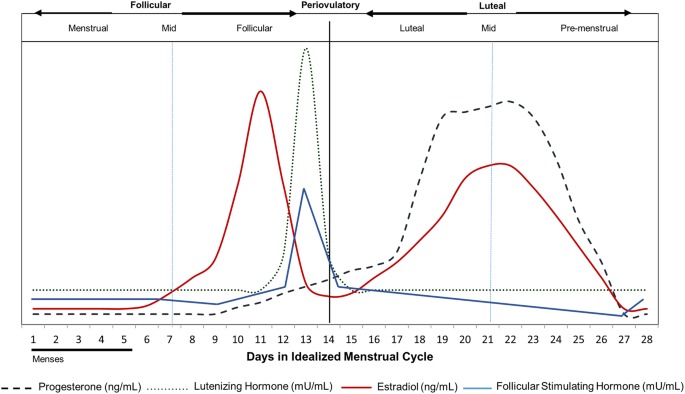
Many studies that report slightly higher resting calorie burn compare the early follicular phase with the mid-luteal phase, so their measurements cover the time before the next bleed.
Cycle sequence: first day of bleeding (day 1), follicular phase, ovulation, luteal phase, then the next period. Bleeding days, the luteal phase, and ovulation are explained in the menstrual-cycle phase guide.
Say you're hungry "on your period." You might mean the first days of bleeding, or the five days before, when your period feels close. Each one points to a different part of the research.
Cycle length and ovulation timing vary, so counting calendar days can't tell you when ovulation happened.
What changes in resting calorie burn?
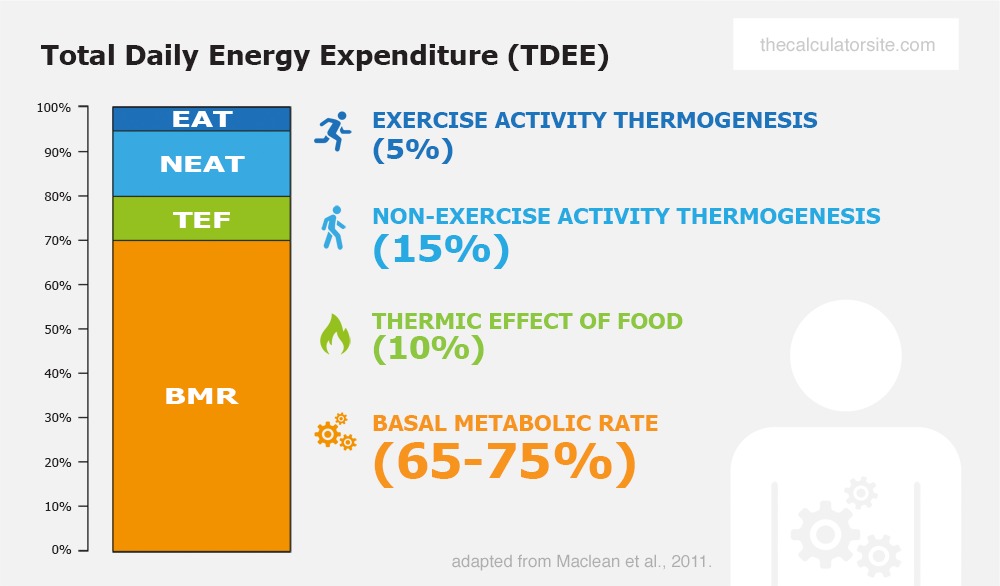
Some studies have found a modest increase in resting energy expenditure during the luteal phase; the differences are generally small, and the measurement used determines what the numbers mean.
Resting metabolic rate (RMR) is the energy your body uses at rest. Researchers typically estimate it under controlled conditions through indirect calorimetry, which measures respiratory gas exchange. Resting energy expenditure (REE) is a closely related term; basal metabolic rate (BMR) uses stricter testing conditions.
| Measurement | What it describes | How to interpret it |
|---|---|---|
| Resting metabolic rate (RMR/REE) | Energy used at rest, usually reported in kcal/day | A controlled resting estimate |
| Total daily energy expenditure (TDEE) | Resting expenditure plus other energy use, including activity | A broader estimate of daily energy use |
| Energy intake | Calories consumed through food and drinks | What you eat and drink |
| Hunger or appetite | The felt desire to eat | A subjective experience |
A change measured at rest in a lab doesn't automatically mean the same change in your total daily energy needs.
A March 2026 systematic review by Hurtová and colleagues examined seven studies involving 124 healthy, naturally cycling participants aged 18 to 34. Five studies showed a trend toward higher metabolic expenditure in the luteal phase, and four reported statistically significant increases.
Reported differences across the included studies were approximately 30 to 120 kcal/day. These were estimates from different studies, including some that assessed sleeping metabolic rate. The review gives no single pooled increase of that size for everyone.
Some estimates were changes of roughly 3% to 5%, small enough that testing methods and ordinary biological variation matter.
Why the studies reach different answers
Not all studies detect the same change in resting metabolism. Some report a small luteal increase; others produce estimates too uncertain to show a clear difference. They also vary in how they identify cycle phases, how they measure expenditure, and whether they assess resting or sleeping expenditure, which limits which estimates can be compared.
| Research | Population or method | Finding | What matters |
|---|---|---|---|
| Benton et al., 2020 | Meta-analysis of menstrual-phase RMR studies | Small overall luteal increase; studies published since 2000 gave p=.055 | The result changes when older studies are excluded |
| Löfberg et al., 2024 | 38 naturally cycling participants | About +40 kcal/day; 95% CI −2 to 82; p=.061 | The full-sample estimate stayed statistically uncertain |
| Hurtová et al., March 2026 | Seven studies, 124 participants | Five trend-positive; four statistically significant | Several small studies favor a modest effect, using different methods |
| Wagner et al., September 2026 | 21 physically active, naturally cycling participants | No statistically significant RMR phase difference; p=.148 | This sample showed no clear change across the tested phases |
The 2024 study gave two results. The full sample showed an increase of about 40 kcal/day, with a 95% confidence interval from −2 to 82 and p=.061. After researchers excluded outliers in a sensitivity analysis, the estimate was 44 kcal/day, with a confidence interval of 12 to 76 and p=.007. Both come from the same data, so quoting only the significant one would leave out what the full sample showed.
The 2020 meta-analysis shows a related problem. Its overall findings favored a small luteal increase, yet its analysis restricted to studies published since 2000 did not reach the usual significance cutoff (p=.055). Which studies and eras are included changes the conclusion.
The Wagner study published online in September 2026 compared early follicular, ovulatory and mid-luteal measurements among 21 physically active adults. It found no statistically significant resting-metabolism difference (p=.148). With 21 people, a nonsignificant result doesn't rule out an effect.
In the September 2026 study, researchers used urinary luteinizing hormone tests to help identify the ovulatory phase. Studies relying chiefly on calendar timing use a different basis for the phase comparison.
Why you might feel hungrier before your period
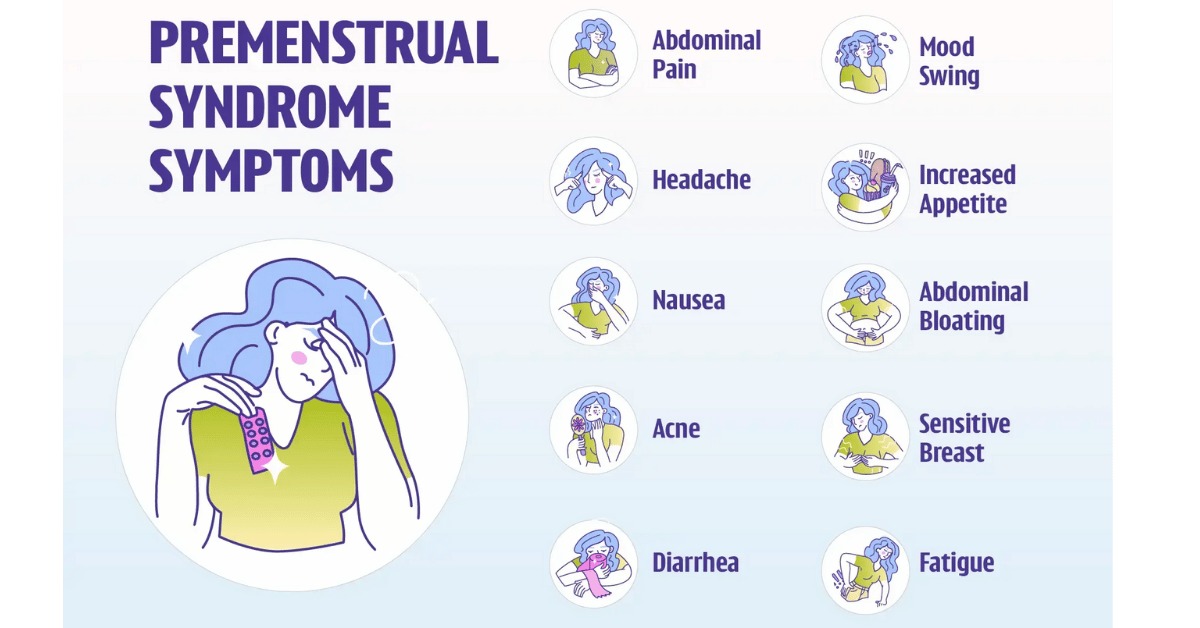
For some people, hunger becomes noticeably stronger in the days before menstruation, even when their usual meals and daily routine haven't changed.
Wondering if anyone else experiences this, but starting around 5 days before my period or so I get SO hungry. And I’m not even in a major deficit. I don’t even realize what it is until I complain about not understanding why and my husband says, “You said this last time before your period.” Lol. Do you eat some more calories during this time? I’ve been but I’m wondering if it’s really slowing my weight-loss overall. I just don’t think it’s healthy to avoid it. And I’m eating just healthy choices for the extra food. It’s just annoying bc I stick to the same meals and all of a sudden that one weak I’m like, “I’M STARVING!!!l”
A 2025 meta-analysis by Tucker and colleagues examined 15 datasets involving 330 participants. The average reported energy intake was 168 kcal/day higher in the luteal phase than in the follicular phase (p=.039).
The datasets differed substantially (I²=83%). Eight reported statistically significant findings and seven did not.
The 168 calories are average food intake in the study samples, not calories burned. They say nothing about a matching rise in resting metabolism or in how much you need to eat.
Should you eat more calories during your period?
The studies give no fixed number of extra calories to add on period days. A group average for resting expenditure can't tell you how much you personally need to eat. Activity, individual physiology and other factors also affect daily energy expenditure, and these studies tested selected participants under specific research conditions.
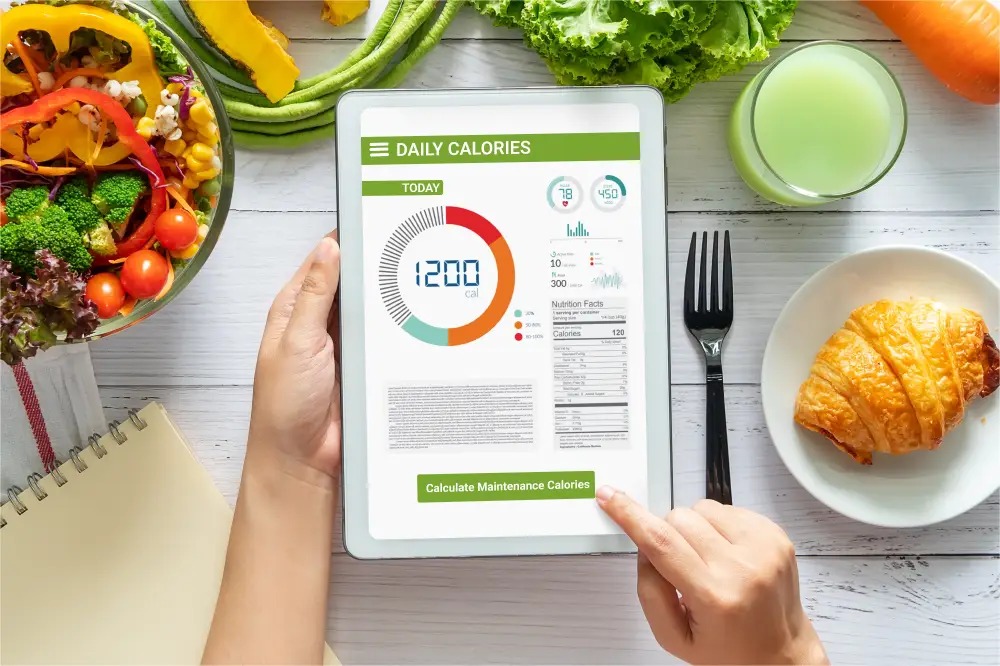
Is it normal to be extremely hungry on your period? I’m normally eating at a 1200 deficit (or 540 deficit? Idk how to say it lol I’m eating 1200 calories) and my maintenance is 1740cal but for the past few days I’ve eaten 2000-2600cal. I honored my hunger cues because I don’t know whether or not I’m supposed to be more hungry on my period.
Side notes, I started my weight loss journey this March, haven’t started exercise yet I’m just trying to get a hang of eating my majority of meals home prepared first. This is the first period I’m feeling super hungry, i don’t remember how I ate during my last two periods I was still getting used to tracking my food
In tracking language, calorie intake is the amount eaten, while estimated maintenance is the amount thought to balance energy expenditure over time. A deficit is the estimated difference when expenditure exceeds intake. Fatigue, perceived energy, and menstrual-cycle phases require a separate explanation; see how energy levels can change across the menstrual cycle.
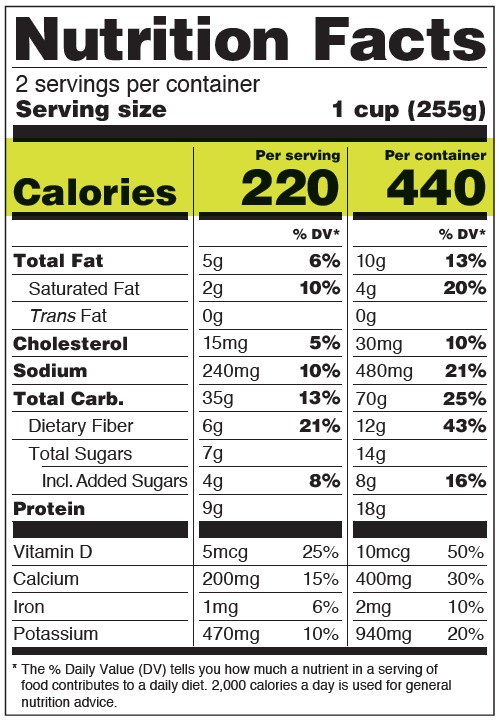
Using the numbers from that post, estimated maintenance of 1,740 kcal/day minus reported intake of 1,200 kcal/day gives a calculated deficit of 540 kcal/day, assuming both estimates are accurate. These figures only illustrate the terms; they aren't eating targets or clinically measured requirements.
Treat that number as the app's assumption if your tracking app adds calories based only on where you are in your cycle.
What a changing scale can tell you
Body weight can shift around menstruation, partly through fluid retention. A scale reads total weight at that moment, water and other body tissues included.
Cleveland Clinic lists water retention among the reasons your scale reading can differ around your period.
I always gain 2-5 lbs before my period and it plays mind games with me. I know I should be more prepared for it, but man is it tough to know you’ve eaten well the day before and well within your caloric range, only to have your body be like, “Oh, did you say you were trying to LOSE weight? Your period misheard you and added a few pounds to the scale. See you again next month!”
Edit: Did I just make every menstruating loseit user sync up to my period?? Are we all on the same cycle now???😂
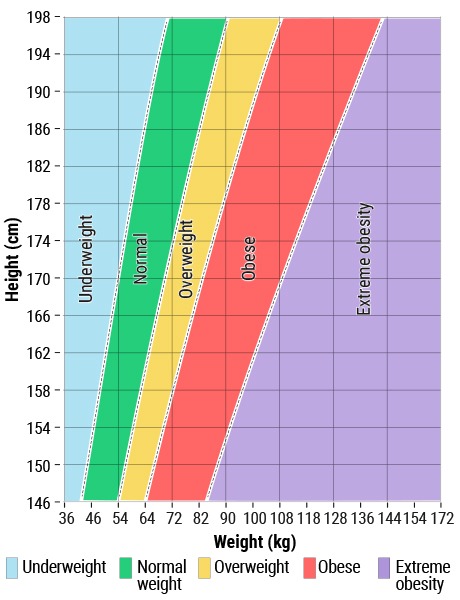
The September 2026 Wagner study found cycle-related associations with body weight and bioimpedance-related measurements, but no statistically significant change in resting metabolic rate.
If a scale reading surprises you, check the basics first: same stable surface, repeatable reading, same weighing conditions as before. A large, lasting or unexplained change is worth a clinician's look.
Who the study findings apply to
These studies mainly involve selected healthy young adults with natural menstrual cycles. The March 2026 review covered ages 18 to 34 and excluded hormonal-contraception users.
In the 2024 Löfberg study, 19 combined oral-contraceptive users showed no comparable phase difference, though that finding doesn't cover every type of hormonal birth control. The September 2026 Wagner study included 21 physically active participants, so its findings apply most directly to that sample.
The studies don't cover people with irregular or anovulatory cycles, those who are pregnant, postpartum or lactating, or those in perimenopause or with clinically significant symptoms.
How to use the evidence without a fixed calorie rule
When you see a claim that menstruation burns extra calories, run three checks:
- Phase: Does the claim cover menstrual bleeding, or the days after ovulation and before the next period?
- Measurement: Did the study look at resting expenditure, total daily expenditure, food intake, hunger or body weight?
- Study population: Were participants naturally cycling, on hormonal contraception, physically active or selected in other ways that affect who the results apply to?
If hunger or scale weight seems to change in a repeating way, jot down when it happens and what else was going on. That shows your own pattern without pinning it on a specific metabolic cause or calorie amount.
If food or energy concerns affect your medical care or sports energy availability, a registered dietitian or clinician can assess your needs.