
Asexual vs. Aromantic: What's the Difference?
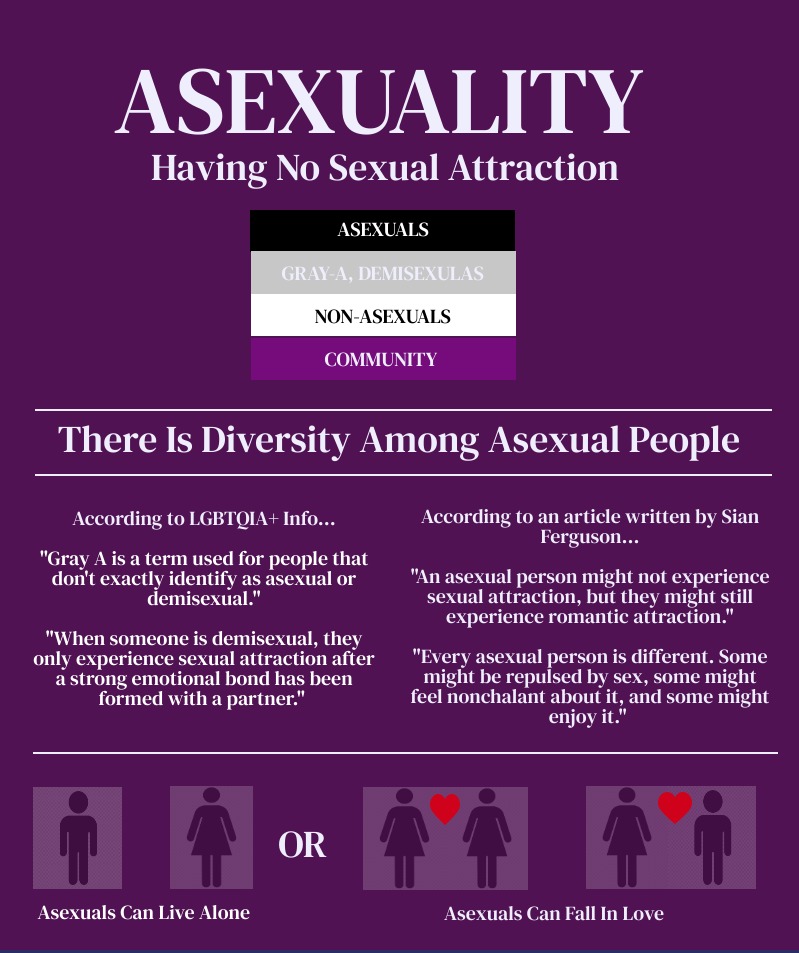
Asexual people feel little or no sexual attraction. Aromantic people feel little or no romantic attraction. You can be one, both (aroace) or neither.
If attraction is rare or only shows up under certain conditions, spectrum labels like gray and demi may fit. Dating or having sex doesn't rule any label out. The useful labels are the ones that fit your experience; dating partners still need to talk about what they each expect.
Asexual vs. aromantic: the difference at a glance

Asexuality and aromanticism describe different experiences. An asexual person is often called ace, an aromantic person aro, and someone who is both is aroace.
| Term | What it describes | What it leaves open |
|---|---|---|
| Asexual (ace) | Little or no sexual attraction | Romantic attraction, libido, sex and relationships |
| Aromantic (aro) | Little or no romantic attraction | Sexual attraction, affection and relationships |
| Aroace | Identifying as both asexual and aromantic | Friendship, affection, partnership preferences and closeness |
The split-attraction model lets people describe sexual and romantic orientations separately. It helps when one kind of attraction shows up and the other doesn't. The Ace and Aro Advocacy Project's terminology guide covers these terms in more detail.
Can you be asexual but not aromantic, or the other way around?
Yes. The two orientations can show up separately or together. Allosexual means outside the asexual spectrum, and alloromantic means outside the aromantic spectrum.
| Combination | Sexual attraction | Romantic attraction | Example |
|---|---|---|---|
| Asexual and alloromantic | Rare or absent | Can experience it | Enjoying a romantic partnership with little sexual attraction |
| Allosexual and aromantic | Can experience it | Rare or absent | Feeling sexual attraction but no romantic attraction |
| Aroace | Rare or absent | Rare or absent | Valuing close friendship or a nonromantic partnership |
| Allosexual and alloromantic | Can experience it | Can experience it | Feeling both attractions while choosing to stay single |
Consent is a separate question from either orientation, and the bodily-autonomy discussion covers it.
Attraction, libido, and the words people use
Sexual attraction means feeling sexually drawn to a person; libido is plain sex drive, aimed at no one in particular. Sexual behavior, meaning what happens or has happened, doesn't establish attraction on its own. Celibacy means abstaining from sexual activity.
An asexual person can have a libido or have sex. An allosexual person can abstain.
Attraction also comes in other kinds:
- Aesthetic attraction: appreciating how a person looks, with no sexual or romantic pull required.
- Sensual attraction: wanting touch or physical closeness, whether or not it carries romantic meaning.
- Platonic attraction: feeling drawn toward friendship or another nonromantic connection.
- Romantic attraction: a pull toward a particular person that can include wanting a romantic relationship with them.
Words like crush, hot and want to kiss mean different things to different people. One contributor to r/asexuality assumed for years that talk of attraction was exaggerated by books and movies and that people were just imitating them:
For me, I used to believe anything about attraction etc was greatly exagerated in media for fiction purposes and people talking about it were just imitating what they saw in movies/books but did not actually meant what they said.
Tropes where there was a super attractive person coming up and everyone is into it (F.E.: Fleur Delacour from Harry Potter) I used to roll my eyes at it like "oh my god stop that's so dumbbb lmao nobody ever thinks that when seeing a good-looking person that's ridiculous" starting from age 9, then around 13 tried to be more open minded about it because I thought I was just being edgy and bitter but didn't really get better lmao.
I actually only had the full-blown realisation that it is a very real thing that is experienced by other people when I was 17, as opposed to shit people said just because you had to, because movies and society showed it that way. Nope lol
Or like people talking about wanting to kiss. Always thought they said it just because you had to, because it was expected from you as shown in movies etc. Well no. Admit I'm still confused to this day about what the purpose of this is like why the body would want to do that lol but you do you bud I respect it have fun
When someone calls a person attractive, ask whether they mean admiration, romantic interest or sexual desire.
Graysexual, grayromantic, and demi identities
Attraction can be rare, limited or conditional. Graysexual and grayromantic are terms some people use when sexual or romantic attraction occurs infrequently or outside usual expectations.
Demisexual and demiromantic describe experiences in which sexual or romantic attraction develops only after a significant emotional bond.
A person might feel romantic attraction on only a few occasions, or find that sexual attraction becomes possible only after getting close to someone.
Dating, friendship, and sex across ace and aro identities
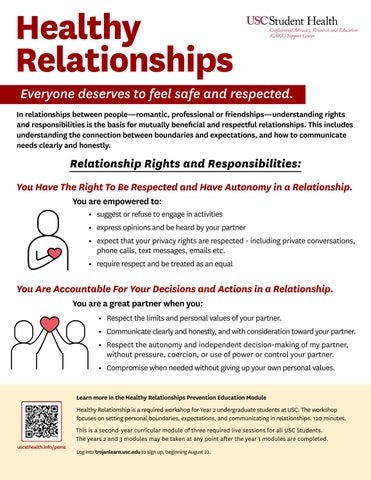
Relationships can hold romance, sexual attraction, affection, commitment and friendship in different combinations. People using either label can date, have sex, remain single or build long-term partnerships.
A queerplatonic relationship is a close, committed bond that its participants don't see as conventional romance. Friendship and chosen family can be just as central to a person's life.
One self-described aroace commenter in r/aromantic was invited on dates several times without realizing it, including to a Valentine's Day dance:
Three times, in fact, all by friends and former friends of mine. They never said the word date, so I assumed we were just friends hanging out as friends. I only know they were supposed to be dates when they told me at the end. The worst was an incident in high school.
Before realizing that I'm aroace, I was one of those annoying people who bitched and moaned about being single on Valentine's Day. My best male friend gave me a rose and chocolate and asked me to the Valentine's Day dance. It never even occurred to me that he was expressing romantic feelings and asking me on a date. I thought he was just humoring me to stop all my complaining. He had to tell me midway through the dance that it was a date.
I had a lesbian friend in college (who I didn't know at the time is gay and is practically a sister to me now) take me to a movie and dinner at a restaurant. Still never realized. There was a split second where I considered it might be a date, but I told myself I'm being presumptuous and threw the thought in the trash. It wasn't until five years later she told me that she meant for it to be a date.
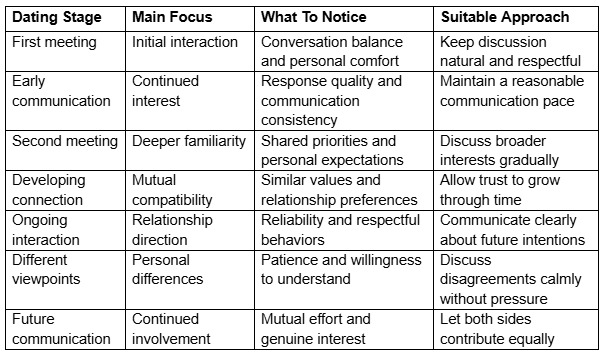
If you're unsure what an invitation means, ask:
- About the outing: “Did you mean this as a date, or as friends?”
- About the relationship: “What kind of relationship are you hoping for?”
If you're questioning which label fits
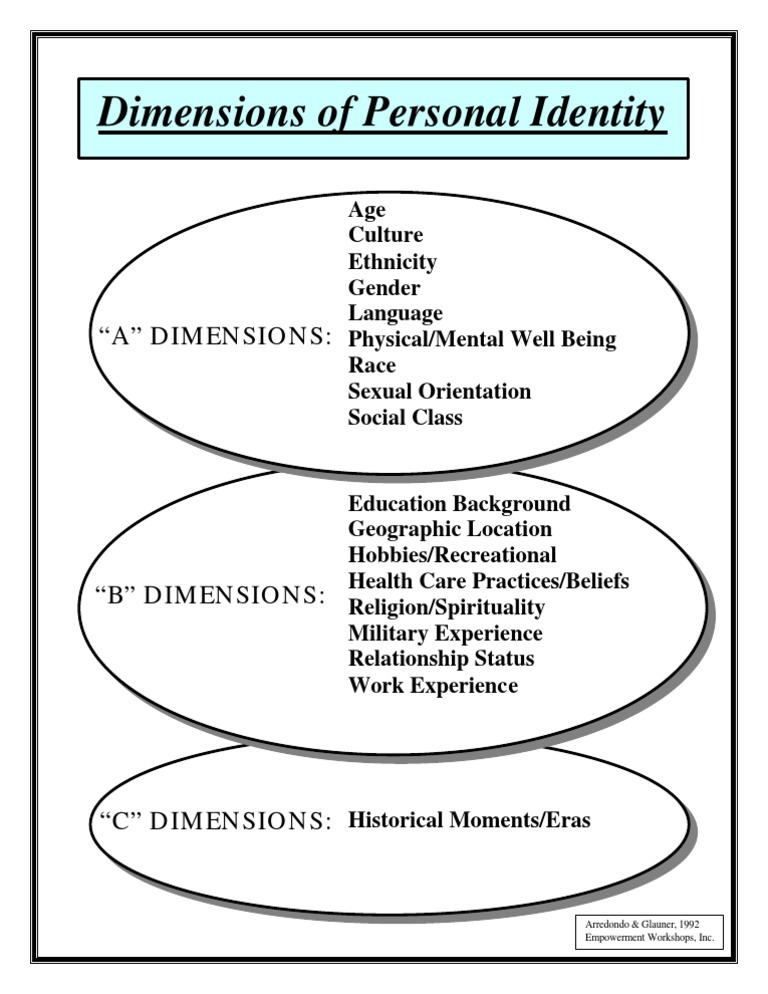
A past relationship, a rare crush or a single moment of attraction doesn't have to decide your label. You can try a broad word, a specific spectrum term or no label at all while you find language that fits your experience. Resources such as AUREA's aromantic FAQ explain the terminology without a quiz or anyone's approval.
What the research shows
Asexual identity is not a disorder that needs curing. The American Association of Sexuality Educators, Counselors and Therapists opposes treating asexual and ace-spectrum identities as conditions to correct or change.
That position covers identity only. A new, unwanted change in sexual desire that causes distress is a separate matter and can still be addressed as an individual health concern.
Researchers have examined how sexual and romantic attraction can differ. A 2020 secondary analysis by Antonsen and colleagues pooled data from seven previous studies, comprising 4,032 participants across the included groups.
Among the asexual participants analyzed, 74.0% reported romantic attraction.
Carvalho and Rodrigues studied relationship experiences in 447 asexual participants recruited from online communities. Their cross-sectional study reports group differences within that sample.
Winer interviewed 77 asexual people about how they understood romantic and sexual orientation.
Labels are useful when they reflect a person's experience, not when they are assigned from outside. If you need to understand someone's intentions, ask them directly.