
What Is Bodily Autonomy? Meaning, Examples, and Boundaries
Bodily autonomy means you decide what happens to your body, and other people respect the choices and boundaries you set. The principle applies to physical contact, healthcare, appearance, sex, and reproduction. A legal exception, or a finding that someone can't make a particular decision, changes how consent is obtained. In a real medical or legal case, find out first whose consent is required and which rules apply.
What bodily autonomy means
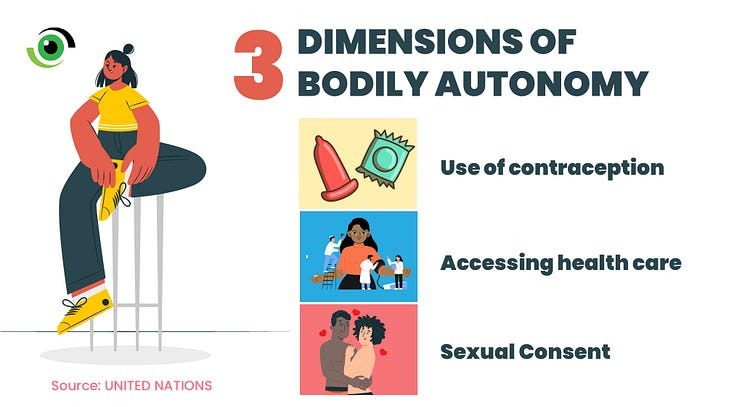
Bodily autonomy means making decisions about your body without coercion or violence, a principle described by the United Nations Population Fund describes it. It shapes decisions about accepting physical contact, seeking healthcare, and making intimate or reproductive choices.
Bodily autonomy, bodily integrity, consent, and privacy

Four terms get mixed up a lot; each answers a different question.
| Concept | What it means | Everyday example |
|---|---|---|
| Bodily autonomy | Your say over choices involving your body | Deciding whether to accept proposed medical care |
| Bodily integrity | Protection from unwanted physical interference | Someone respecting a request not to be touched |
| Consent | Voluntarily agreeing to a specific act or procedure | Agreeing to a test after it has been explained |
| Privacy | Control over who gets your personal information | Choosing who sees your sensitive health information |
A patient agrees to an examination but wants the results kept from an unrelated person. The examination is a matter of autonomy and consent. Sharing the findings is a privacy question.
Everyday examples of bodily autonomy
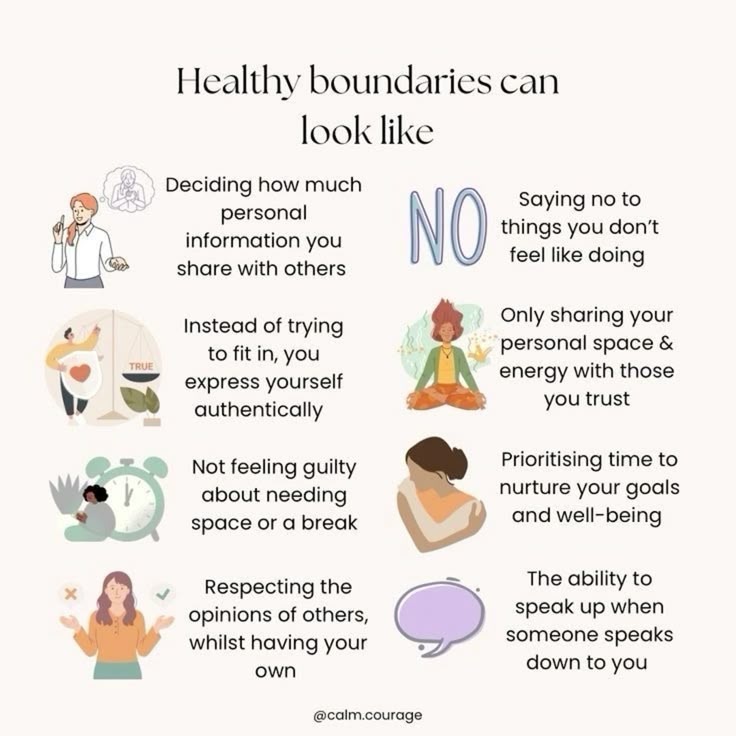
Bodily autonomy shows up in ordinary moments. A hug, a tattoo, or a tickle can raise the question of whose wishes decide what happens to a person's body.
| Situation | The choice at stake | What matters |
|---|---|---|
| A child turns away from a relative's hug | Whether to accept affectionate touch | The child's preference counts, since a hug isn't essential |
| An adult wants a tattoo that a partner dislikes | Whether to change how they look | It's the adult's call. The partner can still say how they feel. |
| Someone laughs while being tickled and asks for it to stop | Whether the touching continues | The spoken request counts, even if the laughing was involuntary |
| Someone considers whether to have sex or try to become pregnant | Whether to take part in an intimate or reproductive choice | A voluntary choice, free of coercion |
A grandparent reaches for a hug. The child might prefer to wave or stand nearby. Asking first leaves room for that.
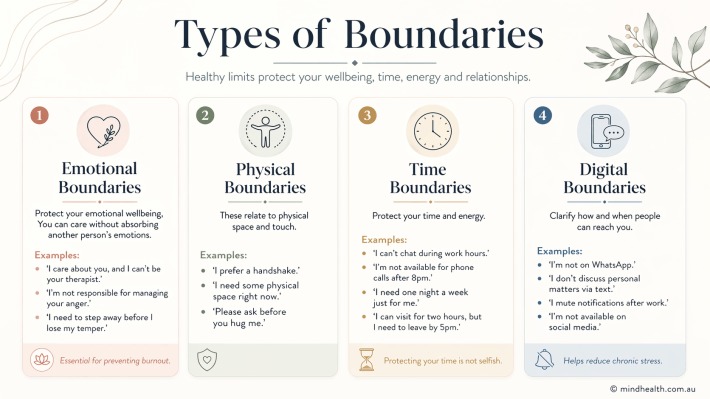
Boundaries run both ways. If you want your own refusal respected, you owe the same attention to someone else's request.
Consent can change during an interaction
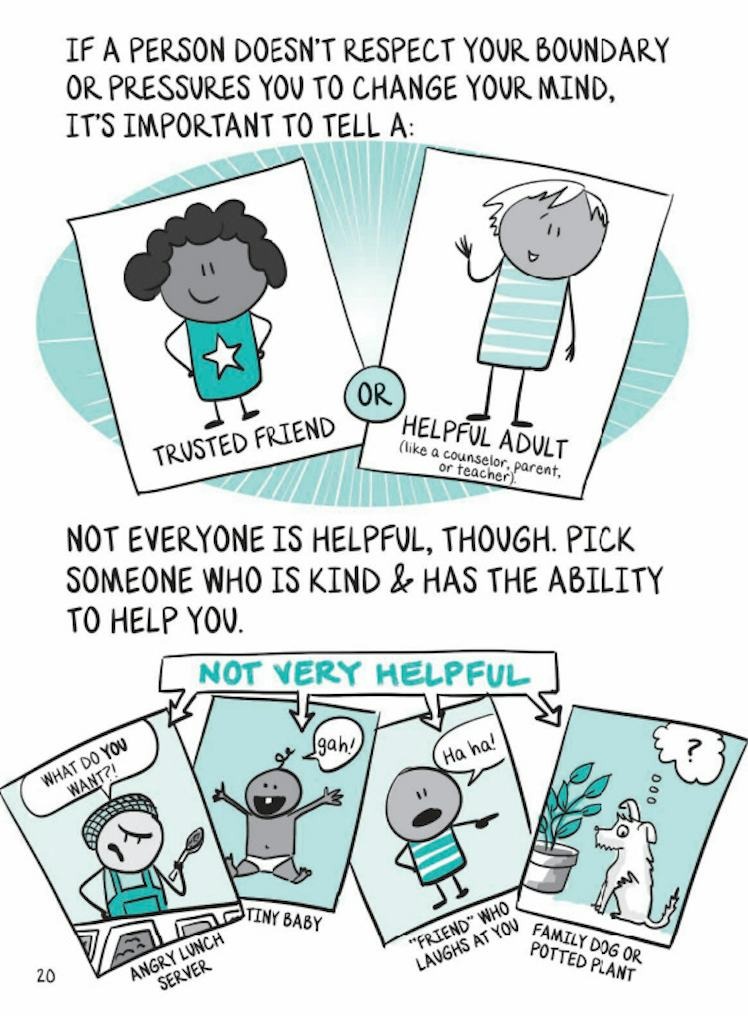
Someone may agree to an activity and then ask for it to stop. The current request wins, because consent covers the interaction as it unfolds.
Say a person agrees to a shoulder massage. After a minute the pressure hurts, and they ask the other person to stop. The original agreement explains how the massage began. The later words say what they want now.
A smile, politeness, or laughter is an unreliable sign of how someone feels. A clear request to stop gives a definite answer to respect. Pressure or fear can also make it hard to voice a free choice.
How bodily autonomy works in healthcare

In healthcare, bodily autonomy takes the form of informed consent: the patient gets an understandable explanation and takes part voluntarily in deciding about proposed care.
The American Medical Association's guidance on informed consent describes a conversation about the purpose of an intervention, its expected benefits and risks, and the available alternatives, including forgoing treatment. The clinician also considers whether the patient can understand and decide.
A signed form documents authorization. The American College of Obstetricians and Gynecologists stresses that real informed consent needs an actual discussion that accounts for the patient's understanding, values, and voluntary choice.
Say a clinician asks for a urine sample. You can ask what the test looks for and how the result could affect your care. Even a routine request deserves that conversation.
Four questions make the conversation useful for any proposed test or treatment:
- Purpose: What is it meant to accomplish?
- Benefits and risks: What outcomes and possible harms apply here?
- Alternatives: What else is available, including doing nothing?
- Declining: What could happen, medically or practically, if I say no?
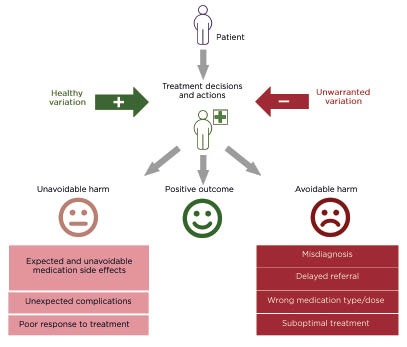
Does bodily autonomy mean a clinician must perform a procedure a patient requests?No. Patients choose whether to accept or refuse proposed care. Clinicians have professional responsibilities when assessing and offering treatment, and medical appropriateness, available services, and law shape what can be provided.
Children, caregivers, and decision-making capacity

Respecting a child's bodily autonomy means listening to their preferences as their understanding grows. Parents and guardians still have a responsibility to protect the child's health and wellbeing.
Refusing a casual hug and deciding on urgent medical treatment carry different responsibilities. A child can have a real say about affection while a parent or guardian stays responsible for serious healthcare decisions.
The AMA's guidance on pediatric decision-making encourages involving young patients according to their maturity and understanding. Assent is a child's agreement or participation when someone else may hold final legal authority. The guidance says a refusal of assent should generally be respected and explored when circumstances permit, while immediate intervention needed to preserve life or avert serious irreversible harm can justify proceeding.
In an appointment, that can mean explaining the proposed care in terms the child understands, hearing their concerns, and including them in the discussion even when an adult makes the final decision.
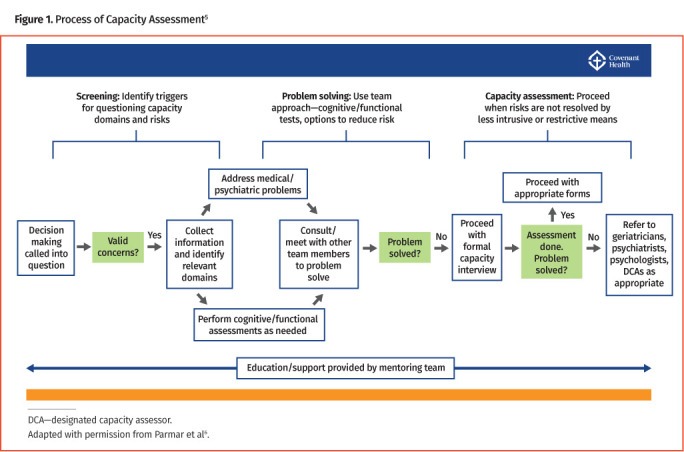
Adults sometimes need help with particular medical decisions. When a patient lacks decision-making capacity for the matter at hand, a legally authorized surrogate may take part, and existing medical directives can matter. A disability diagnosis alone does not show that an adult cannot make an informed choice.
Where bodily autonomy meets US law

Bodily autonomy is a broad ethical principle. An enforceable legal right needs a defined source of law, its conditions, and the facts of the case. Professional medical ethics add responsibilities of their own.
Public health is one area where the law sets limits. The Centers for Disease Control and Prevention explains that federal, state, local, and tribal authorities have legally defined powers involving isolation and quarantine for certain communicable diseases.
Emergency care is another. AMA ethics guidance describes an exception when treatment is urgent, the patient cannot take part in the decision, and no appropriate surrogate is available.
On June 24, 2022, in Dobbs v. Jackson Women's Health Organization, the US Supreme Court overturned the federal constitutional abortion-right holdings established in Roe and Casey. The decision changed the federal constitutional framework for abortion regulation.

Rules differ by state, so a disputed US consent question turns on the state and federal requirements that apply.
How to apply bodily autonomy to a real situation

Describe the particular decision before debating the principle in the abstract.
- Describe the act: Is someone proposing touch, treatment, an intimate activity, or sharing of bodily information?
- Listen for the choice: What has the person said about whether they want it to happen or continue?
- Check the conditions: Do pressure, missing information, or an inability to communicate limit how freely they can choose?
- Identify the setting: Is it an everyday boundary, a healthcare choice, or a legal dispute? The setting decides which rules matter.
One question ties the steps together: What specific decision is being made, and what would show the affected person had a real say?
For a related examination of power and consent in helping relationships, read the white-savior-complex discussion.