
Unrealistic Beauty Standards: How They Work and What They Cost
An appearance ideal becomes a problem when it's treated as a requirement for everyone—especially when edited images, inherited traits, high costs, or penalties for looking ordinary shape the standard. A look you choose freely is a different matter. When appearance turns into a compulsory or harmful rule, ask who set it and what it costs you, pick a response you can sustain, and get qualified support if distress gets in the way of daily life.
A face without visible pores. Hair that never seems to frizz. A body that is muscular but never too muscular, slim but never too slim, and somehow immune to aging. These images can begin as aesthetic preferences and become expectations about how an ordinary person ought to look.
Beauty standards work in two directions. They shape what you notice and criticize about yourself, and they shape how others judge, reward or penalize you. Seeing both sides shows when a harmless-looking ideal has become a demand.
What makes a beauty standard unrealistic?
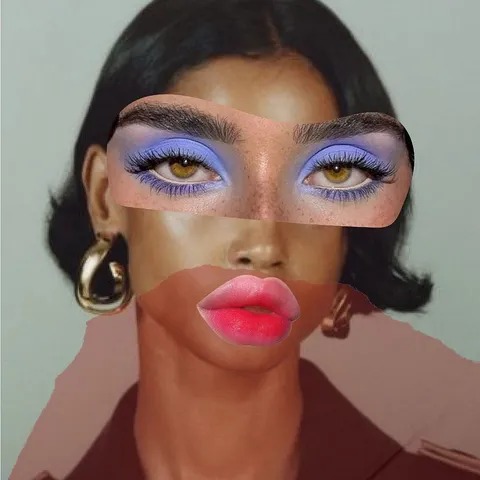
A beauty standard is a socially reinforced idea about which physical features or presentations are valued. It becomes unrealistic when a narrow ideal is treated as a normal requirement for everyone: textureless skin, identical facial proportions, permanent youth, tightly prescribed body shapes or muscularity, hair and grooming that always look professionally done. Some people naturally have the features these ideals celebrate, and others simply enjoy elaborate makeup, fitness or fashion. The trouble starts when ordinary variation counts as failure and people face criticism, embarrassment or practical penalties for looking different.
Who reinforces beauty standards on screens and off?
Beauty standards gain force through repetition, approval and the authority of whoever communicates them; fashion imagery supplies recognizable ideals, and friends, relatives and employers turn them into personal expectations. Social platforms add a feedback loop: recommendation systems can surface more appearance-focused content when people engage with similar posts, as the American Academy of Pediatrics explains in its guidance for families.
Admiring a hairstyle in a magazine doesn't oblige you to copy it. The expectation appears when a coworker keeps commenting on your unstyled hair or a workplace requires a set level of grooming.
A commenter in r/AskWomenOver30 described the appearance rules at her first big law firm in 2005. For an account of facial anatomy rather than appearance ideals, see the cheekbone measurement guide.
In 2005 at my first big Law Firm they told me the rule about five and five as well as nylons. I needed to have five types of make up for example foundation, blush, mascara, and lipstick plus one more. I also had to have five pieces of jewelry two earrings, a necklace, a watch and a ring. We were allowed to wear skirts without nylons on Friday, but the rest of the week nylons or tights were absolutely required.
The partner who recited these rules to me, apologized and said that he’s not wearing a vest because he enjoys it. At which point I realized all of the senior lawyers were wearing three-piece suits, watches, and lace up shoes with a thin sole… and I felt even worse for them than myself.
The rules went well beyond ordinary clothing, and the partner described a matching obligation to wear formal menswear.
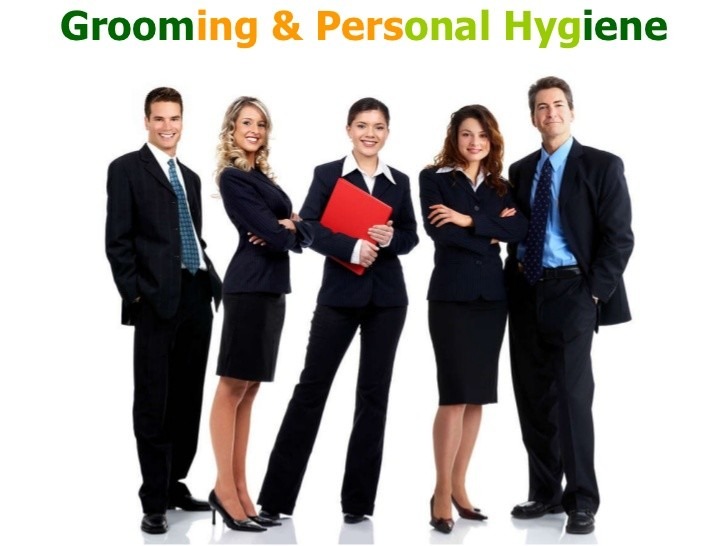
A formal dress code is only one form of pressure. Repeated comments, praise at work or being told you look tired without makeup can make a choice feel mandatory.
In a 2026 PNAS study of 793,199 fashion-media records from 2000 through 2024, representation grew while the median modeled physique stayed comparatively stable. During 2017 through 2024, non-white models in the sample had approximately 4.5 times the odds of being classified as plus-size compared with white models. More diversity on the page left the central body ideal in place.
Age adds another layer. Youthful looks get read as effort, professional polish or personal discipline, even though aging is ordinary human variation. Research on U.S. Midlife women shows these expectations reach well beyond adolescents.
What matters most is the cost of opting out. A workplace requirement and a passing trend can produce similar outfits with very different degrees of choice.
Why flawless photos are not a fair everyday benchmark
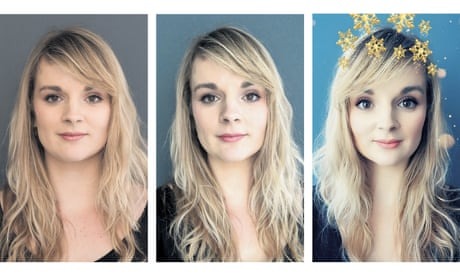
A polished photograph reflects its viewing conditions. Lighting, camera position, styling, image selection and optional digital modification all change how a face or body looks on screen. Even an unretouched photo is one frame picked from many, taken under light that shows some details and hides others.
A 2025 study examining 225 Instagram beautifying filters from 2021 through 2024 documented skin smoothing and alterations around the lips, nose and eyes.
For this Instagram-filter study, Miller selected effects from nine creators and manually tested them on one researcher-participant.
| Mechanism | What changes | What you can't tell from the photo |
|---|---|---|
| Camera position and lighting | Shadows, visible texture and the apparent proportions of features | Whether the look holds up under ordinary viewing conditions |
| Image selection | One preferred frame is chosen from multiple attempts | How the subject looked in the rejected shots |
| Beautifying filters | Facial texture or proportions may be digitally altered | Which features were changed, or whether the image was edited at all |
| Styling and camera-oriented makeup | Colors, contrast and definition are chosen for a particular presentation | How the same styling looks in person |
No visual shortcut reliably tells you whether a photo was filtered. Natural traits and ordinary photographic effects can look like digital changes.
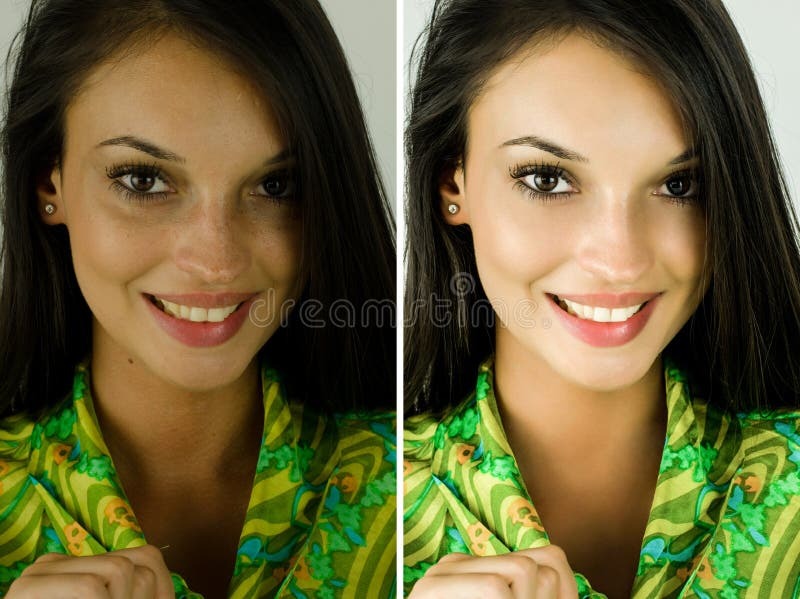
A camera-oriented makeup tutorial can reverse the result completely. A commenter tested the effect with a friend:
Ooh this happens to me too. My foundation always makes my face look super pale, even though in person it matches me. God forbit I turn the flash on, that's when I'll end up looking like a ghost.
Some makeup looks good on camera, but not good in person and vice versa. I once followed a YouTube makeup tutorial for "Instagram photos", used foundation a shade darker than my normal foundation as the tutorial said, lighter concealer than normal too, darker than usual lip shade and a bunch of other changes too.
It looked ridiculous in person but in photos it looked very good! I was sitting with my friend and she had commented on silly it looked, so I brought up my phone camera, took a selfie and showed it to her. She said that I looked fantastic in the photo.
I think it has to do with the camera not having "colour correction" like our eyes do, so things end up looking washed out or too dark than it would in person. It's also a 2D image so things are slightly distorted and isn't a good visual representation.
The friend's reaction flipped as soon as the same makeup appeared in a photograph.
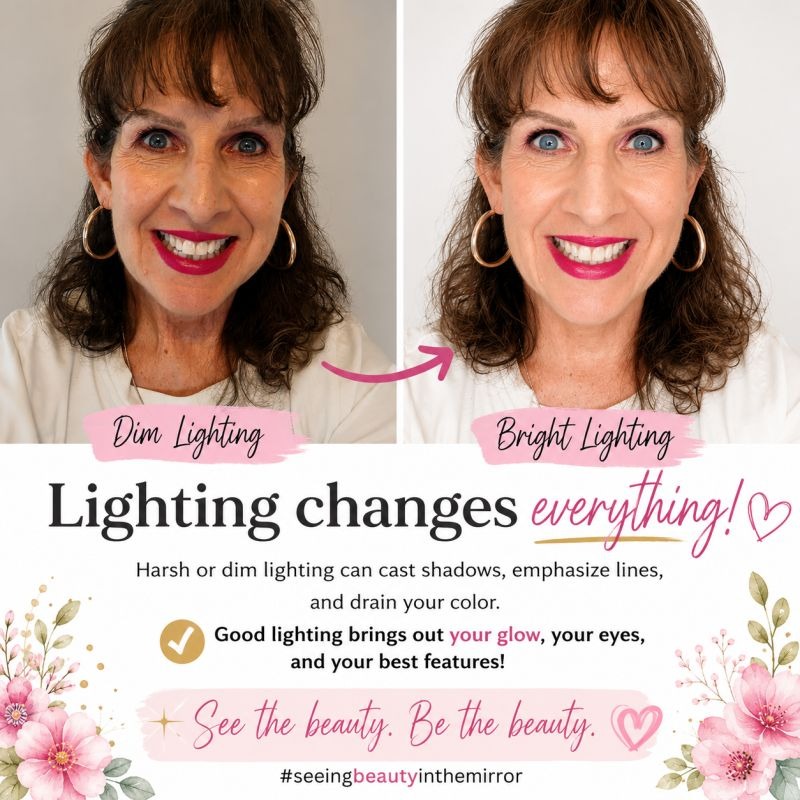
The same applies to skin texture. In a close-up, pores, tiny hairs and uneven surfaces look like defects, yet they barely register at conversational distance. A selected portrait, a close-up selfie and a face seen across a room are three different viewing conditions, and comparing them makes ordinary texture look like a flaw.
Why meeting one ideal may not end the pressure
Sometimes the goal moves the moment you reach it. A commenter in r/SkincareAddiction noticed this after achieving a longstanding skincare goal:
THIS. I recently caught myself because I was lamenting the fact that I just noticed some discolouration and acne scars on my face and was about to start researching what to do with them, before realising that:
1. I had finally achieved my (literally) LIFE-long goal of reducing my skin's oiliness, and I hadn't really appreciated it that fully.
2. I literally did not notice or even care about the scars/discolouration until like, 2 days ago. The reason being that I was too preoccupied with my oiliness and had told myself if I could get that down I'd consider myself satisfied with my skin.
And what had happened? The moment I reached my skincare goal, I was already unhappy with my skin and looking to 'fix' the next thing! When in truth, I was TOTALLY oblivious to it just a few days ago cos it had not bothered me in the slightest, until I decided it bothered me!Thanks for the reminder OP :)
The new worry arrived the moment the lifelong goal was met.
Personal experiments can be enjoyable and finite. A haircut, a fitness goal or a skincare preference has a clear purpose and a satisfying end. When the ideal keeps shifting, each achievement invites another correction. Ask whether your goal has a stopping point or whether satisfaction keeps getting postponed.
The costs of beauty pressure: self-criticism and unequal treatment
Unrealistic beauty standards cause two kinds of problems: how you judge your own appearance and how other people treat you because of it.
A 2022 U.S. Report from Dove, Deloitte Access Economics and Harvard STRIPED separates body dissatisfaction from appearance-based discrimination. The report defines discrimination as unfair or prejudicial differential treatment based on appearance and focuses on natural hair, skin shade and weight. A person can experience both: private dissatisfaction with an ideal and unfair treatment by others.
| Pathway | What changes | Example | Relevant evidence |
|---|---|---|---|
| Body dissatisfaction | Someone judges their appearance negatively against an ideal | Feeling inadequate after viewing highly selected or idealized images | Experimental research on appearance-ideal exposure |
| Appearance-based discrimination | Other people treat someone unfairly or prejudicially because of their appearance | Unequal treatment directed at someone's natural hair | U.S. report on unfair treatment involving natural hair, skin shade and weight |
The law-firm dress rules are an imposed norm. Whether they also count as discrimination depends on unfair differential treatment, which the report measures more narrowly than the existence of a grooming rule.
What experiments tell us about appearance ideals
A 2021 meta-analysis by de Valle and colleagues found that exposure to appearance-ideal social-media images worsened measured body image in experimental research. Across 24 experimental samples involving 3,816 participants, the average effect was negative (Hedges' g = −0.61).
The researchers separately examined longitudinal associations between general social-media use and body image. Across 10 samples involving 5,177 participants, that association was smaller (Fisher's Z = −0.08). The two statistics measure different exposures and outcomes, so they can't be read as percentages or compared directly for size.
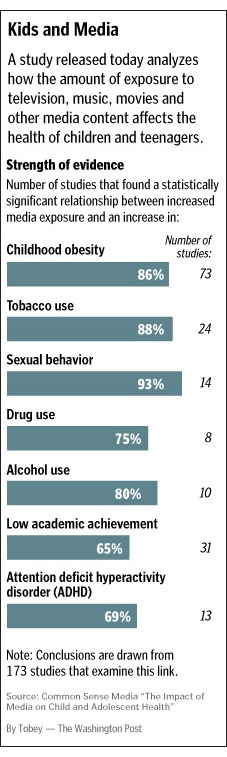
The experiments show what happens after specific ideal-image exposure. The longitudinal findings track general platform use over time and say little about which images someone saw.
A separate 2025 meta-analysis of 20 experiments involving 3,603 young female participants reported a negative average effect on body satisfaction after body-ideal content (d = −0.29) and a smaller positive average effect after body-positive content (d = +0.20). These are short-term responses in experimental settings, and they support paying attention to the content of the images people see.
Adolescents need particular attention because appearance comparison and feedback can become tied to developing self-image. The American Psychological Association and American Academy of Pediatrics have addressed this in guidance about young people's social-media experiences.
For someone already struggling with persistent appearance-related anxiety or disordered eating behavior, repeated comparisons carry more weight.
The external cost can exist without personal insecurity
You can feel comfortable with your appearance and still get criticized for missing a workplace or social expectation. You can also feel significant dissatisfaction with no dress code or discriminatory act involved. Confidence doesn't remove unfair treatment by other people.
How to question a beauty standard without giving up your style
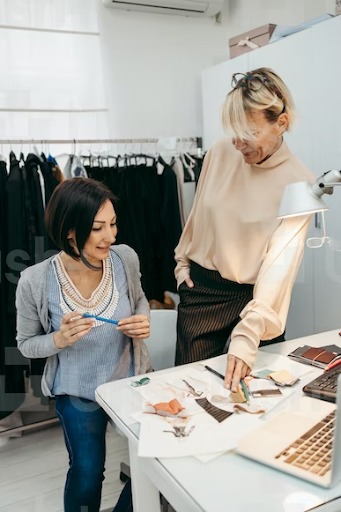
Some people keep the parts of a beauty routine they enjoy and drop the daily parts they find burdensome. An r/AskWomenOver30 contributor described what changed after giving up daily makeup at work:
Same!! My workspace was deemed critical/necessary so we were in-office for most of the pandemic (probably got 4-6 weeks of WFH). I was a full-faced gal before the pandemic, including wearing contacts every day. I wore makeup for a little while with the mask, but very quickly realized that it didn't matter. I'm glad I stopped because masking all the time gave me the WORST adult acne and makeup absolutely would have made it worse.
Once masking stopped being such a regular thing, I just never went back to makeup. I enjoyed the extra 20 minutes I got to sleep in on work days; nobody died because they could see my real skin, dark under eye circles, and natural lip color. Nobody mentioned anything to me and I wasn't treated any differently (though tbf I think I'm mostly invisible in public anyway hahaha).
Now I do makeup on special occasions only, or if I feel like getting a little dolled up. I definitely do look "better" with makeup, but we all do, so who really cares 🤷🏻♀️ I do miss it sometimes, but clearly not enough to do anything about it 😂
The change she reports is 20 extra minutes in the morning, with makeup still available whenever she wants it.
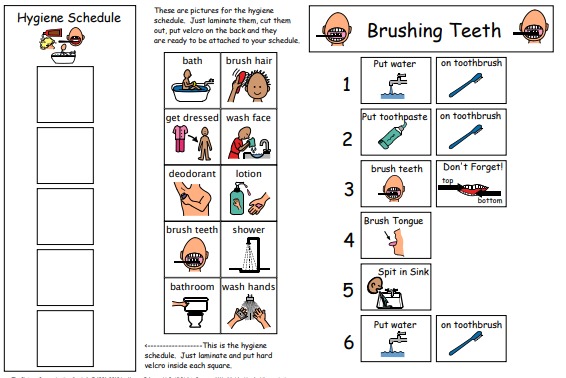
A four-step appearance-pressure check
- Name the expectation. Describe the specific look that seems to be required in your situation.
- Examine the conditions. Ask how the reference appearance is produced and shown. A selected photograph, a filtered image, heavy styling and a formal grooming code each make different demands.
- Account for the cost. List the time, money, recurring effort, repeated checking or social consequences you can actually observe.
- Consider your freedom to choose. Decide whether the practice is still enjoyable and voluntary. If it is costly, coerced or distressing, change your exposure, routine or personal boundaries.
Changing what you scroll through is an option for you. A workplace requirement with practical consequences leaves fewer options.
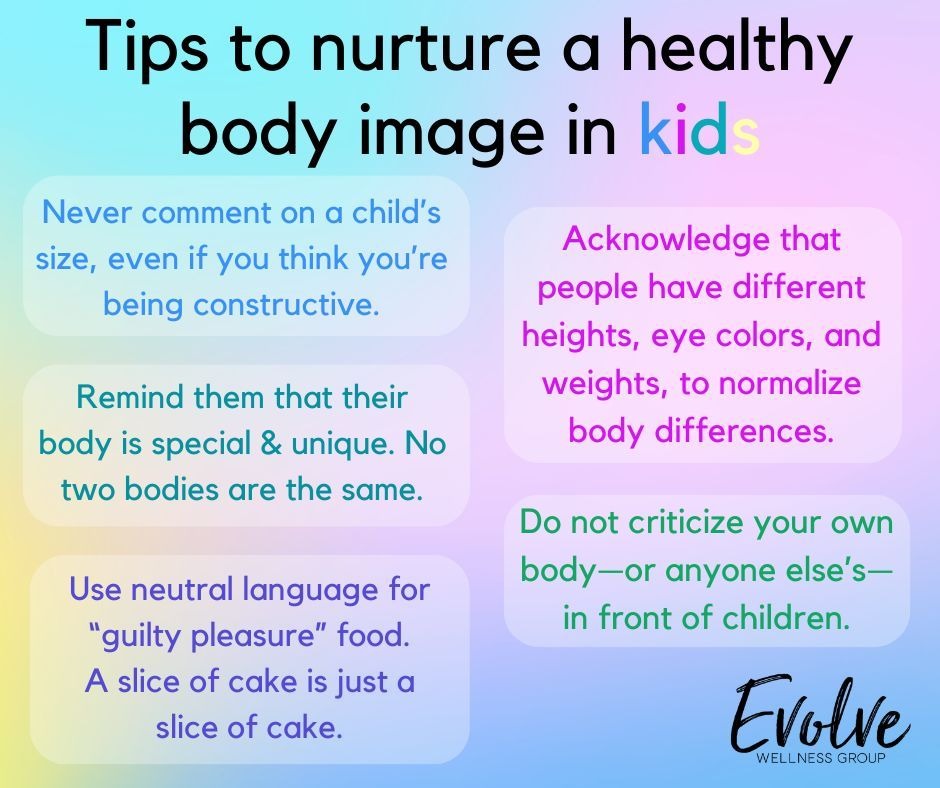
One response is to change the images you see: fewer appearance comparisons, more neutral imagery, a supportive conversation.
A 2021 review found mixed or limited benefits for some appearance-acceptance captions, while neutral or non-person imagery showed promise in certain studied settings. In a 2024 experiment, 172 women with eating disorders and 210 without viewed 30 Instagram posts assigned to fitspiration, body positivity or text-based body neutrality. Body dissatisfaction rose after fitspiration and fell after the other two conditions, although emotional responses did not change in the same way across every measure.
These short-exposure findings offer alternatives to an appearance-focused feed, most directly relevant to the women studied. Clinical treatment calls for individual care.
For adolescents, a conversation with a trusted adult helps place online images and appearance feedback in context. The American Academy of Pediatrics provides family-focused guidance on body image and social media.
If appearance concerns cause persistent distress, disordered eating behavior or significant interference with daily life, seek qualified medical or mental-health support. Changing grooming or media habits doesn't replace that care.
Keep the parts of a beauty routine you genuinely enjoy; question the rules that make a particular appearance feel compulsory.