
What Does Gender-Expansive Mean?
Gender-expansive covers gender identity, gender expression, or both, beyond conventional expectations. It doesn't mean nonbinary, and you can't assign it to someone from how they look. The term belongs in a description when a person uses it for themselves or the group being discussed is clearly defined. If you don't know how someone describes themselves or which pronouns they use, ask.
What does gender-expansive mean?
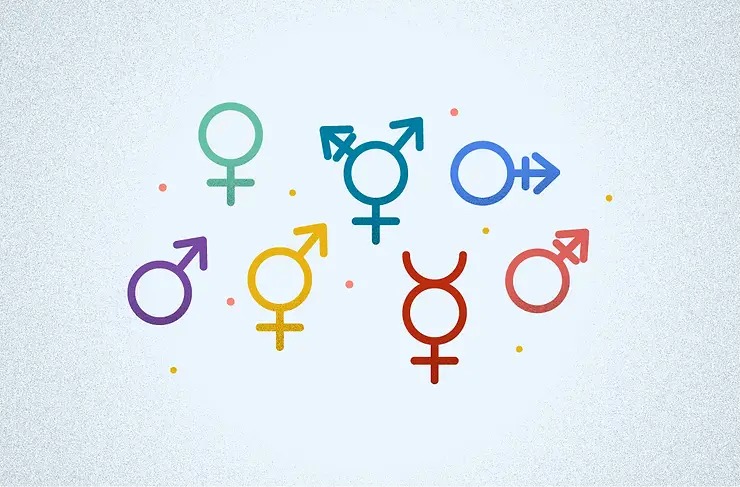
Clothing, mannerisms, social roles, and assumptions about masculinity or femininity all shape conventional gender expectations. The PFLAG National Glossary applies the term to people of any gender identity. You'll see it in a person's own description or in phrases such as “women and gender-expansive people,” where it names the audience an organization wants to reach.
Is gender-expansive about identity, expression, or both?
Some definitions cover both identity and expression; others focus on outward presentation and behavior, so the source matters.
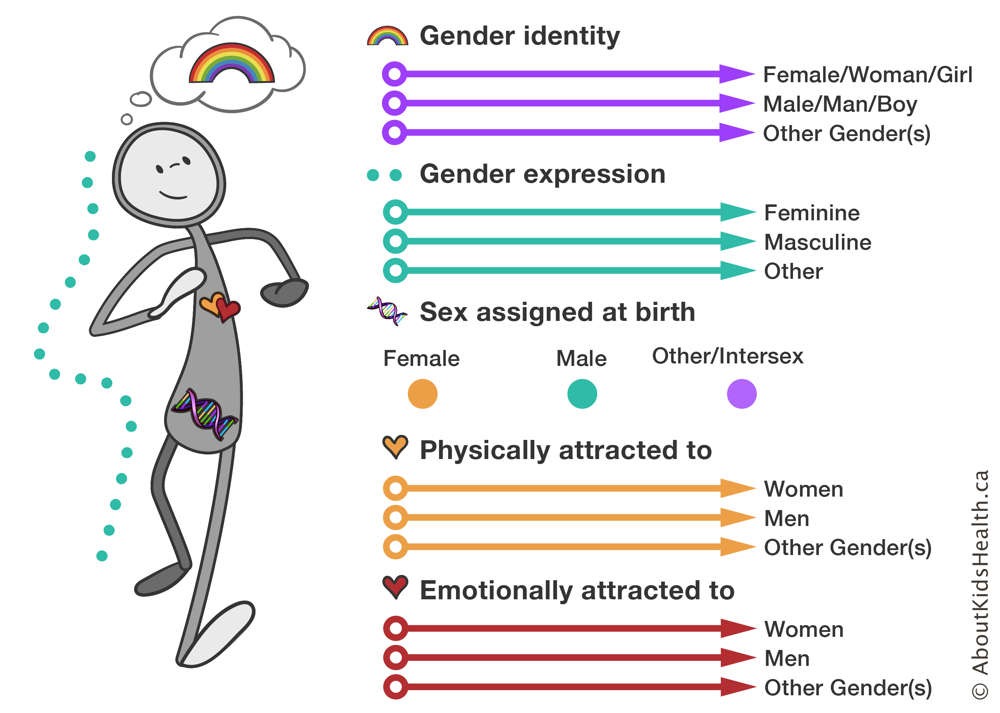
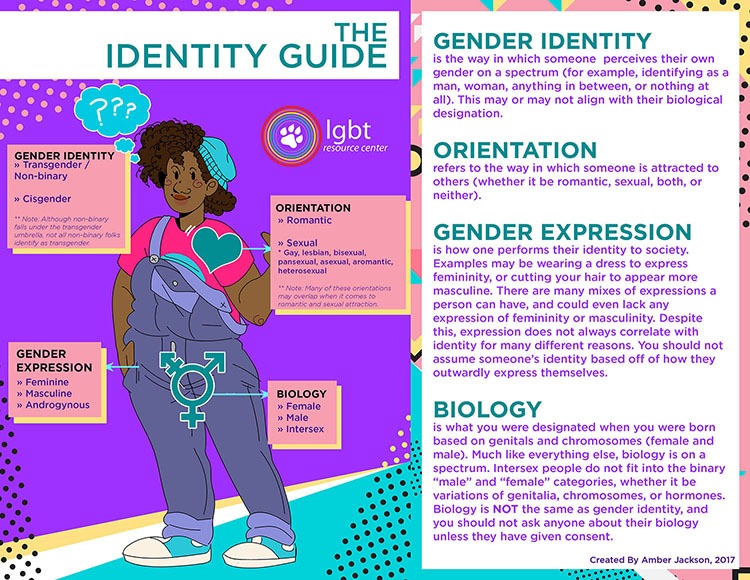
Gender identity is a person's internal sense of their gender. Gender expression is how someone presents or communicates gender to others. The Centers for Disease Control and Prevention's terminology guide separates the two, and they vary independently of each other.
PFLAG and the Human Rights Campaign describe gender-expansive as covering identity, expression, or both. The University of California, Davis, Trans 101 guide emphasizes expression and behavior. UC Davis's separate LGBTQIA glossary takes a wider view that includes identities, social roles, and gender expectations.
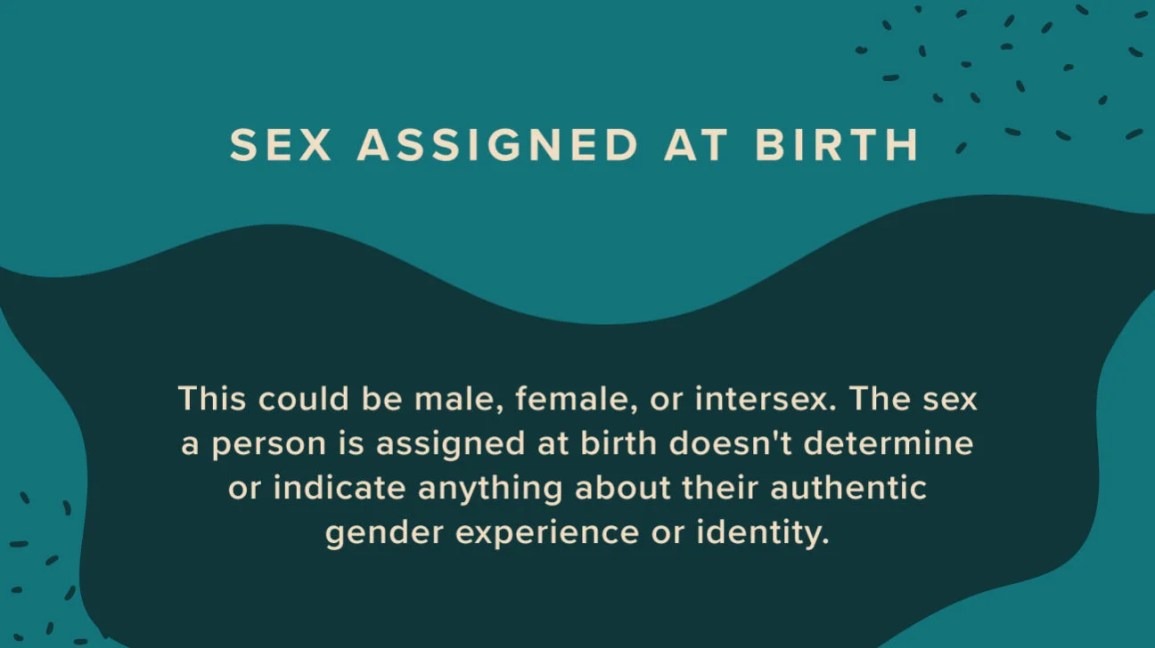
NYC Public Schools also emphasizes expression in its guidelines for transgender and gender-expansive students.
How is gender-expansive different from nonbinary, transgender, and gender nonconforming?
These terms overlap, but each describes a different aspect of gender or a different way of grouping experiences.
| Term | What it describes | Connection to gender-expansive |
|---|---|---|
| Gender-expansive | Identity, expression, or both, beyond conventional gender expectations | Covers a range of experiences |
| Nonbinary | A gender identity that is neither exclusively man nor exclusively woman | Some nonbinary people also use the broader term |
| Transgender | A gender identity that differs from the sex assigned at birth | Some transgender people also identify with the term |
| Gender nonconforming | Expression or behavior outside conventional expectations; some glossaries also use it more broadly for identity | Substantial overlap, with differences in emphasis and personal preference |
| Cisgender | A gender identity corresponding with the sex assigned at birth | A cisgender person can express gender in unconventional ways |
For a specific person, the identity term they choose tells you more than the broader category does. The broader term works best when a speaker wants to include several different experiences.
Genderfluid describes a gender experience that changes over time. A genderfluid person may also find gender-expansive meaningful. Asexuality and aromanticism relate to sexual and romantic attraction, which is separate from gender identity and expression.
Can someone personally identify as gender-expansive?
Yes. Anyone can choose gender-expansive to describe their experience, even though the word also appears often in institutional language. PFLAG's guidance respects the terms individuals use for themselves.
After 15 years of questioning their gender, an r/genderfluid writer asked whether “gender-expansive” fit their own experience:
Hi all, I've been super confused about my gender for like 15 years. I have long phases where I'm more androgynous, long feminine phases, and sometimes my gender sense flips halfway through a day and I feel like I'm cross-dressing whatever I'm wearing. It's been really confusing, often distressing, and I sometimes I judge myself and wonder if I'm just overthinking it. But I had a super cool, I would say spiritual moment recently that changed my perspective.
I was able to realize that maybe it's actually a gift to be able to feel such a range of gendered experiences. It was a moment where I sort of understood in an embodied way what "gender expansive" means because I realized that the gift gender fluidity gives me is a sense of expansion into ways of being and thinking that step outside of cisheteronormative restraints.
My shifting gender has helped me stay out of oppressive and stifling gender norm-y relationships, passionately follow my career, given me permission to embrace the fact that I don't want kids which has been really freeing for me. I've been feeling in love with gender ever since I saw what a wonderful effect gender fluidity has had on my brain and non-normative life choices that have genuinely made me happy.
I thought I would share and see if anyone else has had a similar experience, and ask if gender expansive is something I can call myself, not just a group of people.
There is no required outfit, diagnosis, or personal history for someone to describe themselves this way.
What can gender-expansive look like in everyday life?
Gender expectations show up in ordinary places: separate men's and women's clothing departments, assumptions about hairstyles, ideas about which interests belong to which gender.
- A man with an unconventional style. A cisgender man might enjoy eyeliner, painted nails, or clothes other people classify as feminine. He is still a man.
- A nonbinary person with a conventional wardrobe. Someone who identifies as nonbinary might dress in ways others consider traditionally masculine or feminine. Clothing won't tell you how this person identifies. Their own words will.
- A child exploring interests. A child may choose toys, games, or clothes adults associate with another gender. The American Academy of Pediatrics discusses this exploration as part of development. A child's toy or clothing preference does not predict their future gender identity.
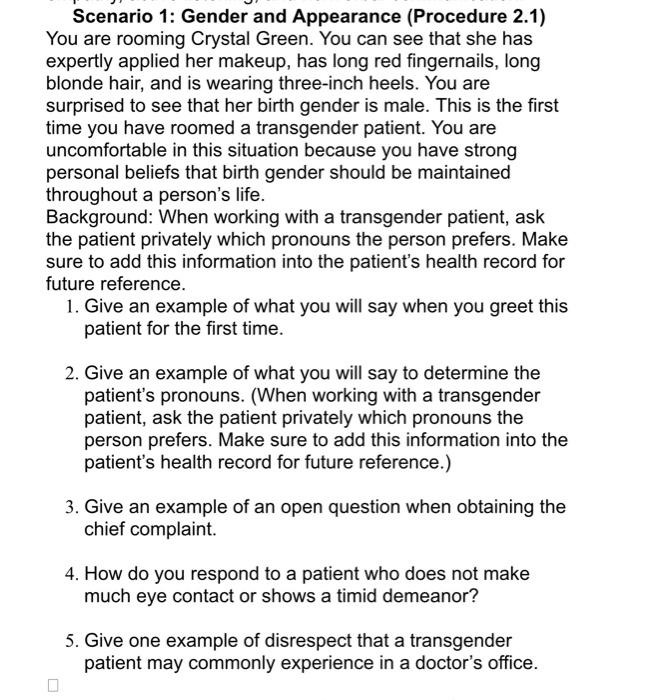
Gender norms vary by social and cultural setting, so an appearance seen as unconventional in one place can be ordinary in another.
Why do schools and health organizations use the term?
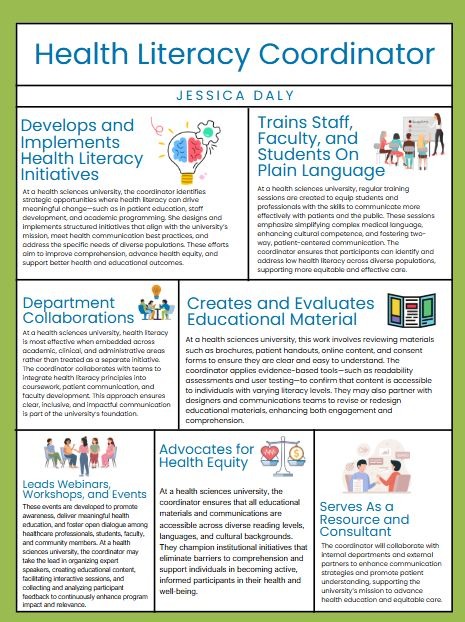
Schools, publishers, and clinics often write for readers with many different identities. Gender-expansive gives them one phrase for that whole group.
| Setting | How the term is used |
|---|---|
| Our Bodies Ourselves | “Women and gender-expansive people” describes the readership of its health information |
| NYC Public Schools | “Transgender and gender expansive students” appears in student-support guidelines |
| American Society for Reproductive Medicine | 2024 inclusive-language guidance covers communication with reproductive-health patients |
Being part of that audience doesn't mean a person identifies as gender-expansive.
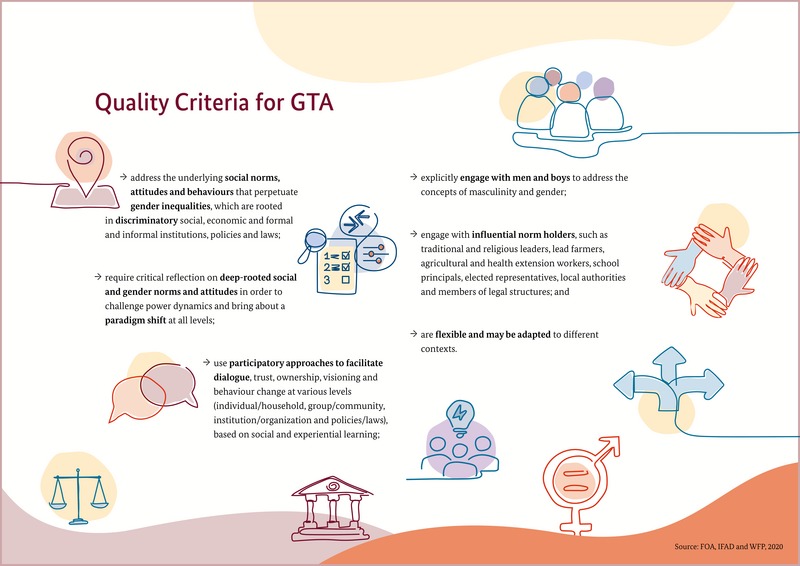
Our Bodies Ourselves publishes health information on menstruation, reproduction, and heart health that applies to some trans men.
How can you use gender-expansive respectfully?
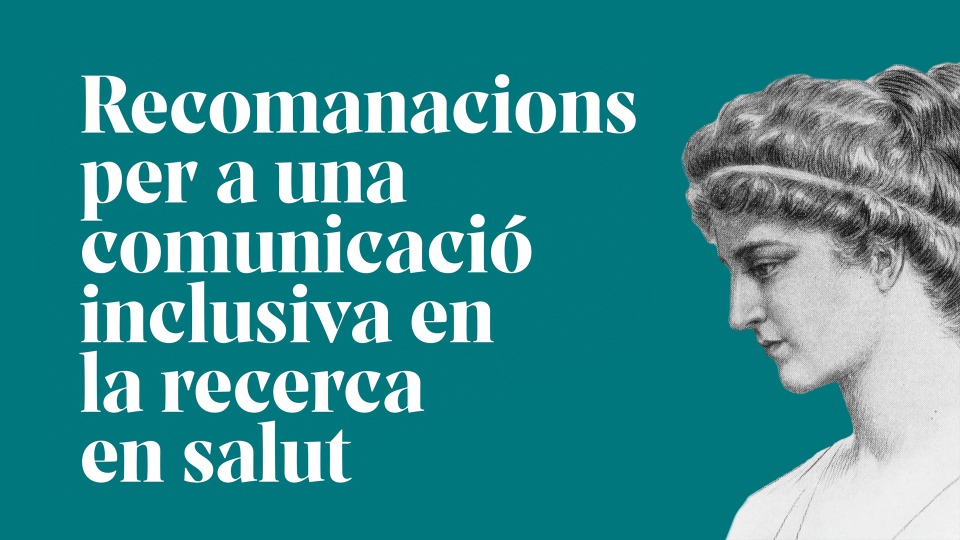
Gender-expansive says nothing about pronouns: someone may use she, he, they, multiple forms, or something else.
At work, a truck driver nervously asked an r/NonBinary poster, “Do you have any pronouns?” The poster describes it as awkward but touching:
Had a truck driver at my work the other day nervously ask me that, which was awkward, but touching, especially since he explained that he asked his gay brother the best way to ask.
Anyone else have any awkward but wholesome stories about strangers validating your identity in clunky ways?
- Follow a person's wording. If they've told you an identity term or pronouns, use them.
- Ask when it matters. “What pronouns do you use?” is a clear, neutral question when you need to know and the question is welcome.
- Leave room for privacy. If you don't need the information, don't ask someone to explain their identity.
The bodily-autonomy guide takes a closer look at consent and personal agency.