
Women's Health Month and National Women's Health Week: What's the Difference?
In the United States, some states and organizations observe May as Women's Health Month, while the HHS Office on Women's Health leads National Women's Health Week, which began May 10 in 2026. The date and theme depend on the state, workplace, or clinic organizing the campaign. Check its schedule before choosing one health action.
Is Women's Health Month the Same as National Women's Health Week?
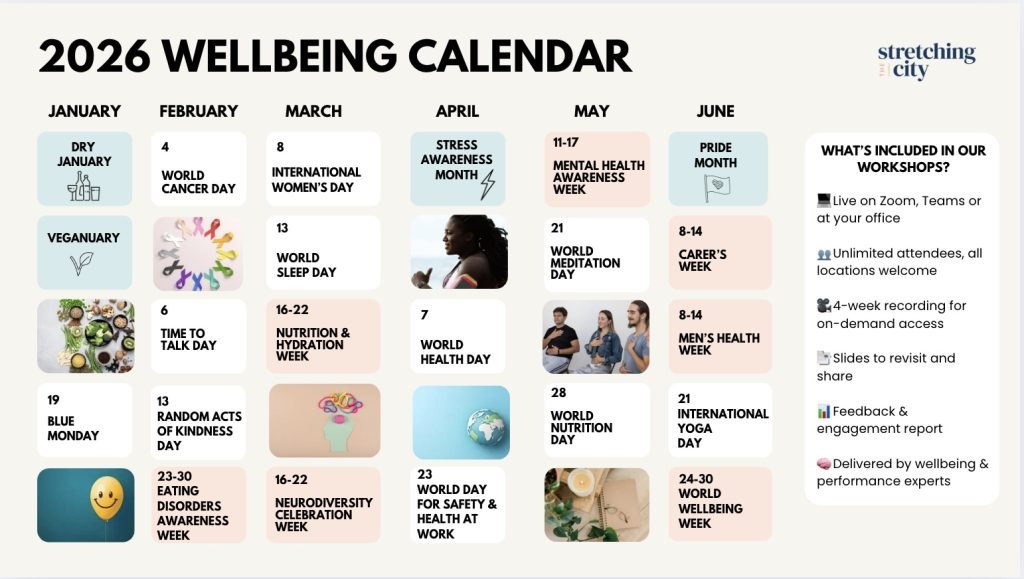
The HHS Office on Women's Health (OWH) leads National Women's Health Week, which begins on Mother's Day. States and organizations, including healthcare providers and community groups, use the name Women's Health Month for May.
In 2026, Michigan's governor issued a proclamation recognizing May as Women's Health Month and designating a separate Women's Health Week within it. The proclamation sets up a state observance. It does not make the month a federal HHS observance.
You will see flyers, work emails, and calendars that say “National Women's Health Month.” A clinic may run a monthlong campaign, while a government agency publishes materials for a single week.
When Is National Women's Health Week?

Dates depend on who issues them. The table lists the ones documented for 2026 and 2027.
| Observance | Issuer or jurisdiction | Dates | Note |
|---|---|---|---|
| National Women's Health Week | HHS Office on Women's Health, United States | May 10 to 16, 2026 | Federal office's national week; official 2026 dates |
| Women's Health Month | State of Michigan | May 2026 | Official state proclamation |
| Women's Health Week in Michigan | State of Michigan | May 11 to 17, 2026 | State's designated week; official state dates |
| National Women's Health Week, 2027 | Immunization Coalition of Los Angeles County (ICLAC), independent event calendar | May 9 to 15, 2027 | Third-party calendar listing |
Michigan's 2026 proclamation starts its week one day later than the federal one.
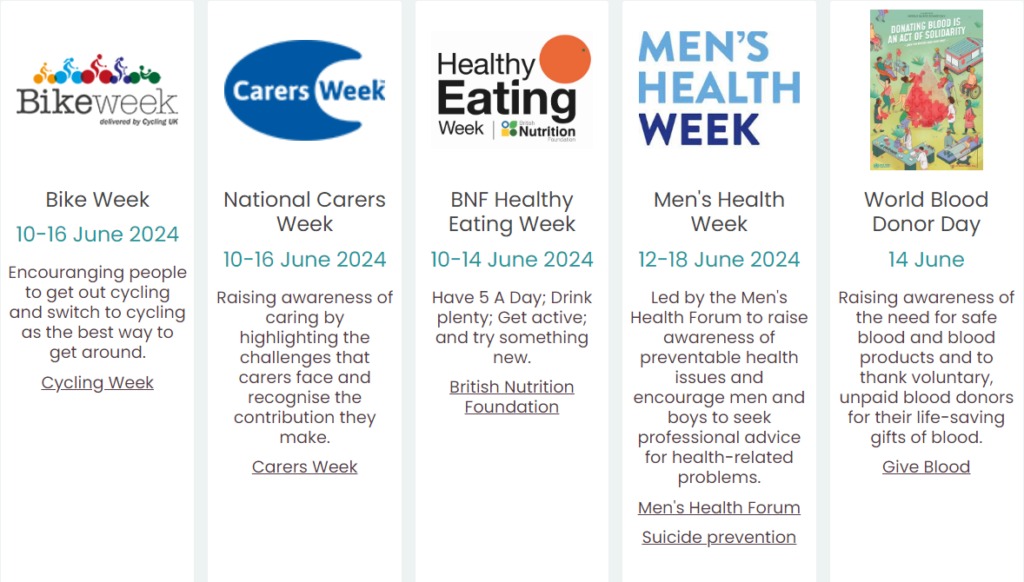
The independent 2027 calendar entry lists May 9 to 15, which fits a week beginning on Mother's Day. For a future federal event, wait for that year's announcement from the Office on Women's Health before treating a date range as official.
Who Runs It, and What Did the 2026 Campaign Focus On?
The HHS Office on Women's Health built its 2026 National Women's Health Week campaign around “Prevention, Innovation, and Impact: A New Era in Women's Health.” It had four focus areas:
- Prevention and early detection
- Sex-specific biology and hormonal foundations
- Chronic disease, midlife, aging, and longevity
- Innovation that brings research into healthcare improvements
The FDA Office of Women's Health used a separate 2026 focus, “Know Your Nutrition.”
How Can You Participate as an Individual?
For its 2026 #OneThingForMyHealth initiative, OWH suggested four everyday steps: a walk, better sleep, more water, or a health appointment.
| Personal option | OWH campaign example | Try this |
|---|---|---|
| Movement | Take a walk | A 10-minute walk after lunch |
| Rest | Pay attention to sleep | Lights out at the same time every night |
| Hydration | Drink water | A glass of water with each meal |
| Healthcare logistics | Make a health appointment | Call the clinic and book the visit you postponed |
The initiative also had a public sharing route in 2026: photograph the health-related activity, post it on a social platform with #OneThingForMyHealth, and tag the Office on Women's Health. You don't have to post anything to take part.
HHS MyHealthfinder explains how factors like age, sex, and pregnancy shape the prevention information that applies to you.
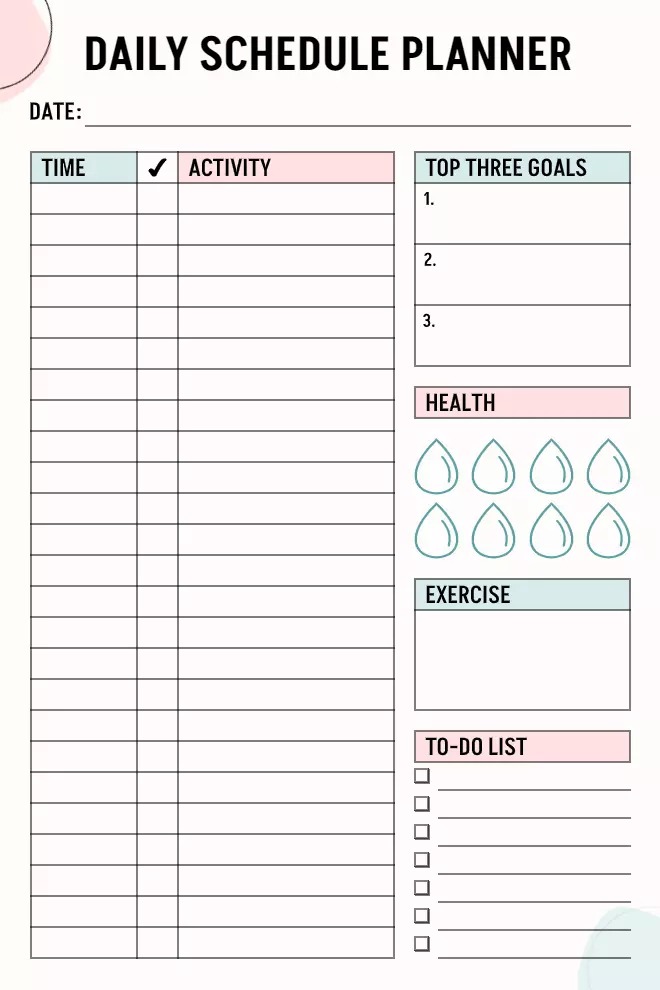
I'm 7 months pregnant, and I am severely anxious about making doctor's appointments. I've always had a really hard time doing it. My first one was a breeze because I got assigned to a coordinator who set me up with an OB over the phone and made it for me, and the rest after that were pretty easy because they would just reschedule me when I came in. In late July they scheduled me for an appointment in early August, but I forgot about it completely, which is already out of character for me.
I didn't know what to do after that. I got so freaked out about forgetting it that I was too scared to call and ask to reschedule, and every time I tried to pick up the phone to do it I just couldn't bring myself to. This went on for over a month, it's bad I know. Yesterday I finally worked up the courage to do it. I don't know what I was expecting them to say to me, but they were really nice and didn't even bring up me missing the appointment.
I had myself so worked up over this, and the phone call only took about 5 minutes, and it was super easy. I now have an appointment on Monday! If anybody is in the same boat, take it from me, it feels like a huge weight came off my shoulders. It was truly not as bad as it seemed. You can do it!
Booking the visit can be the hardest part, long before you reach the clinic. For the basics of cycle phases and timing, read the menstrual-cycle explanation.

How Can a Workplace, Clinic, or Community Group Take Part?

Decide first which observance you are marking: the federal week, your state's, or a local awareness program. Then share a reliable resource, run a short educational activity, or point people to an official page.
The HHS Office on Women's Health publishes National Women's Health Week resources with shareable graphics, fact sheets, and sample social messages. OWH describes its 2026 toolkit materials as free to use and copyright-free. The FDA Office of Women's Health offers a separate partner toolkit for the 2026 nutrition-focused campaign.
A clinic can post the FDA's 2026 “Know Your Nutrition” graphic, credit the FDA, and describe National Women's Health Week separately.
Check three things before you print or post anything:
- Name and year: Use the event name from the issuer's own material, and confirm the exact dates and theme for that year.
- Reuse terms: Read the reuse instructions for the specific resource, including any conditions attached to it.
- Proofread: Look for old dates, wrong agency names, and typos.
What If a Health Appointment or Test Follow-Up Raises More Questions?
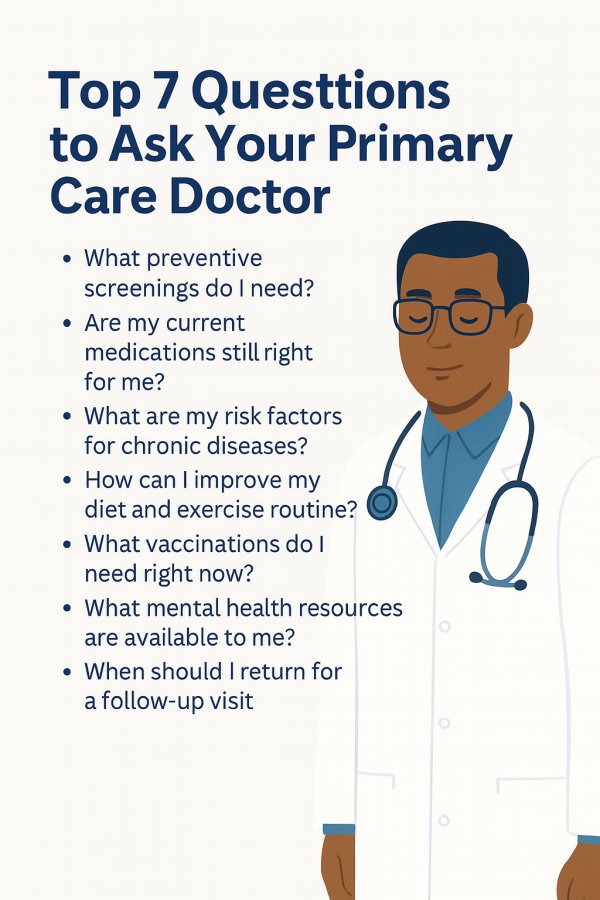
A health campaign can send you to the doctor with questions. An unclear test result, a callback request, or a possible extra charge is something your clinician, imaging center, or insurer has to explain.
Update (original post below):
I reached out to my PCP office who reviewed my results. She then confirmed that two masses were found and recommended that I do an US. The imaging center had originally recommended both a diagnostic mammo and an US. I just got done with my US today. I have two fluid filled cysts which need to be monitored annually for now.
The takeaway for me personally, is to always follow up on results with your primary doctor and follow their advice. The imaging center also mentioned that their letters are usually kept very brief due to privacy concerns.
Thanks everyone for your inputs and hope this helps someone in a similar situation.
Original post: I understand it happens to most of us, yet it's not easy to deal with in real time, and I'm feeling anxious/scatter brained already. It was my first mammogram last week and I received a letter from the imaging center for a second appointment, with no further details other than "there may be an area of concern", and an instruction that any extra cost that insurance will not cover will be owed by me. I'm freaking out already, especially over the vague wording.
Is it a good idea to call them for a copy of my actual images or ask for more details? Or should I call my doctor? And should I also call my insurance to understand my coverage before I decide to go? I have relatively good PPO insurance but the benefits section only mentions one preventive screening annually. I'm new to this, so any pointers are appreciated, especially questions to ask and all, ty!
A callback letter is not a diagnosis.
If you receive an unclear result or appointment request, ask:
- Who explains the result? The treating clinician or imaging facility responsible for interpreting it.
- What follow-up is recommended, and why? Ask which service is proposed for your situation.
- Who books it? The clinician's office, the facility, or you.
- Is it covered? Ask your insurer about the specific service, including whether your plan treats it as preventive screening or diagnostic follow-up.