
Average Shoulder Width for Men: What US Measurements Show
In the 1988 to 1994 US NHANES III survey, men aged 20 and older had an average bone-to-bone shoulder breadth of 41.1 cm, about 16.2 inches. The figure is the straight distance between the bony points at the outer edges of the shoulders. A useful comparison needs those same bony landmarks, not a different measure of shoulder width. Muscle-to-muscle width, shoulder circumference, and shirt measurements each need their own reference.
What Is the Average Shoulder Width for Men in the US?
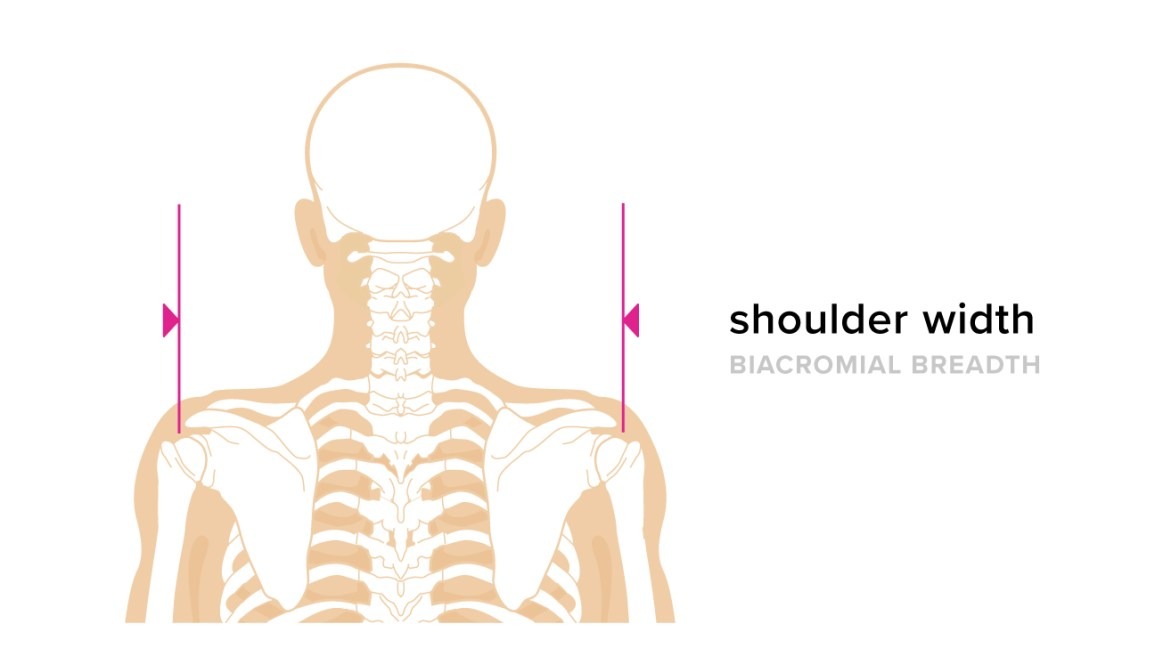
The CDC's NHANES III reference data (Table 54) put the mean biacromial breadth at 41.1 cm, or 16.2 inches, for 7,476 men aged 20 and older examined between 1988 and 1994. The median (50th percentile) is likewise 41.1 cm. The original measurement is in centimeters. Dividing 41.1 by 2.54 gives 16.18 inches, which rounds to 16.2.
Bone-to-Bone vs Muscle-to-Muscle: Which Shoulder Width Do You Mean?
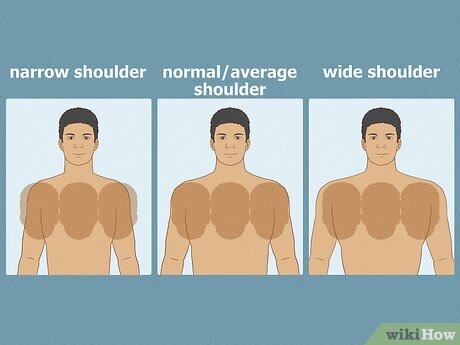
Shoulder width can mean several different things; the acromion is the bony prominence at the outer edge of the shoulder blade. Biacromial breadth is the straight line between the outer acromial points. Bideltoid breadth spans the outer shoulder muscles and soft tissue. Circumference is a tape loop around the upper body.
| Measurement | What it measures | Use the CDC biacromial reference? |
|---|---|---|
| Biacromial breadth | Straight distance between the lateral acromial points | Yes |
| Bideltoid breadth | Straight width across the outer deltoid contour | No |
| Shoulder circumference | Tape path around the shoulder and upper torso | No |
| Garment shoulder width | A dimension defined on a shirt or jacket | No |
A poster in r/tall described measuring the same body three ways:
I've been curious about shoulder width. I was wondering how much does it scale with height. Obviously taller people are going to have a larger frame but I'm curious to hear as to how wide it can get.
For example, here are my measurements at 6'3", standing relaxed:
Biacromial width (bone to bone) : 19.8 inches
Bi-deltoid width (muscle to muscle) : 24.2 inches
Shoulder circumference (tape around the widest part of the shoulder) : 52 inches
And I would love to hear what your height and measurements are. I've attached some pictures of how these can be measured.For the best measurement, stand flat against a wall, relaxed and have someone mark the end of your bone on the wall on either side and measure that. That's your biacromial width.
For your bideltoid width, stand against a wall and have someone measure the widest part of your shoulder muscle on either side and measure that. That's your bideltoid measurement.
The wall-marking method is the poster's own suggestion. Shoulder breadth, deltoid size, and overhead pressing are separate things, and the shoulder-press muscle guide explains the difference.
How Shoulder Breadth Was Measured and How to Approximate It at Home
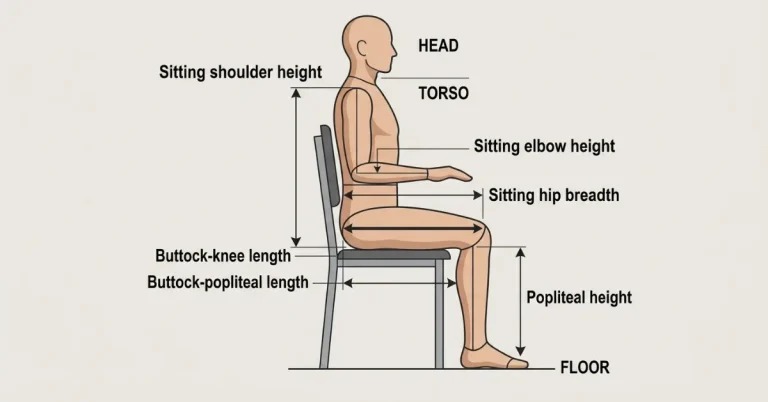
The CDC NHANES III Anthropometry Procedures Manual describes trained examiners using a large sliding caliper. The participant sat upright with arms hanging freely and shoulders relaxed. From behind, the examiner found the outer borders of the acromial processes and set the caliper across those bony points, pressing gently through the soft tissue.
| Feature | NHANES III examination | Home approximation |
|---|---|---|
| Person measuring | Trained examiner | Helper |
| Position | Seated upright, shoulders relaxed | Relaxed, often standing by a wall |
| Reference points | Lateral acromial landmarks | Bony points found by touch |
| Instrument | Large sliding caliper | Wall marks and a ruler |
| Reporting | Recorded to 0.1 cm | Estimate |
At home, a wall-and-ruler reading is an estimate of that straight distance.
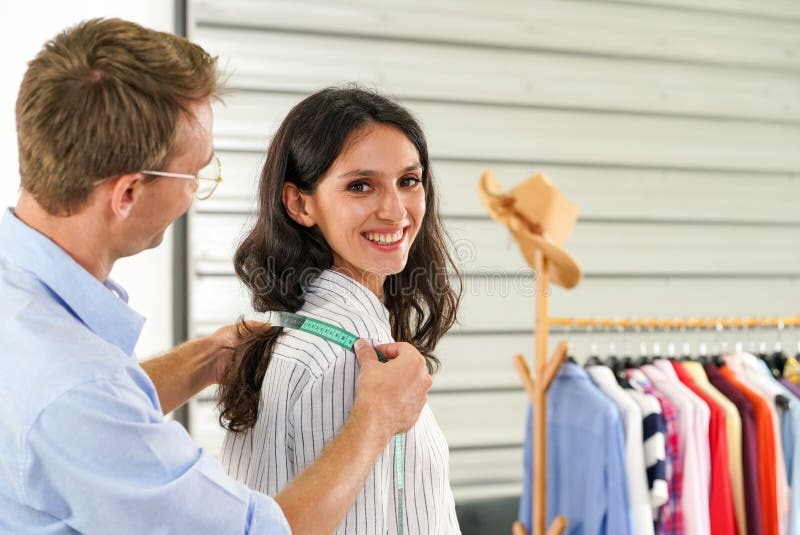
A practical home measurement
- Find the bony points. Feel for the bony prominence at the outer edge of each shoulder.
- Relax your shoulders. Let your arms hang naturally. Don't lift or round your shoulders.
- Get a helper. Ask them to mark the two bony points on a flat wall, or to hold a straight ruler between them.
- Measure the straight distance. Record the horizontal distance between the marks. A tape draped over the curve of the shoulders follows a different path.
Measuring yourself in a mirror makes it harder to find both points and keep the line horizontal.
Why Your Shoulder-Width Number May Be Off
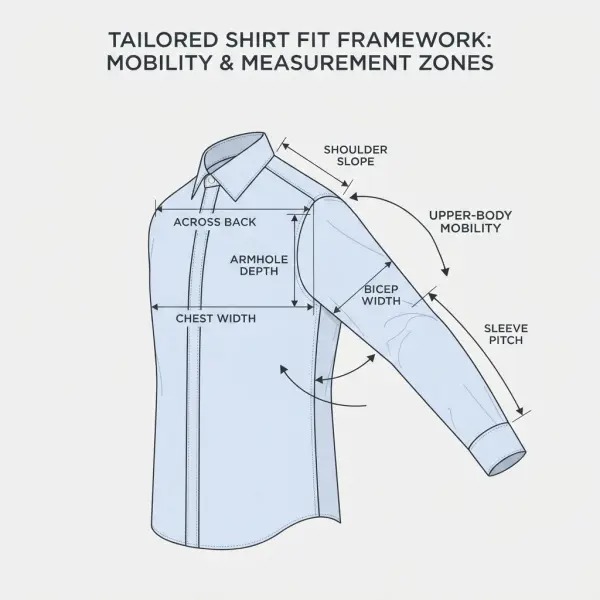
In r/tall, a commenter corrected an earlier shoulder-width estimate of more than 24 inches:
I just actually measured. 22 inches, give or take a 1/4 inch for me measuring myself. [...]
The commenter gives a new number and a quarter-inch margin, but never says which landmarks or method they used.
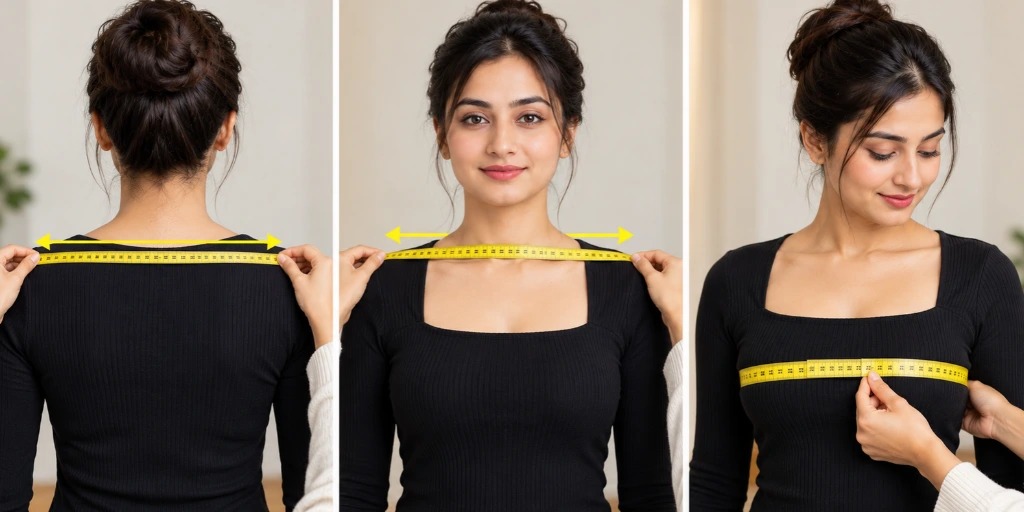
- Shifting endpoints: One reading stops at the bony point, the next at the outer shoulder muscle.
- Posture changes: Raised, tense, or rounded shoulders alter the setup.
- A curved tape path: A flexible tape follows the body's contour, while a straight breadth spans two points.
- Missing labels: A measurement without units or a definition is hard to interpret later.
When two readings conflict, repeat the measurement with the same landmarks and posture, and write the method next to the number.
What US Percentiles and Age Differences Mean
Percentiles show how measurements spread around the average. Table 54 of the CDC report gives these biacromial breadth values for US men aged 20 and older in the historical survey.
| Percentile | Breadth (cm) | Breadth (inches) |
|---|---|---|
| 5th | 37.3 | 14.7 |
| 25th | 39.6 | 15.6 |
| 50th (median) | 41.1 | 16.2 |
| 75th | 42.6 | 16.8 |
| 95th | 45.0 | 17.7 |
A reading of 42.6 cm, for example, sits at the 75th percentile of the survey-weighted distribution for civilian, noninstitutionalized US men aged 20 and older.
How age groups differ
In the CDC reference, mean breadth was 41.5 cm for men aged 20 to 29 and also for men aged 30 to 39. It was 41.0 cm for those aged 50 to 59.
Older groups had lower means: 39.7 cm at ages 70 to 79 and 39.0 cm at 80 and above. The survey compared people in different age groups at one point in time. Tracking a single man's changes would require longitudinal measurements.
The 2012 ANSUR II survey recorded shoulder measurements for 4,082 male US Army personnel, including separate biacromial and bideltoid fields. The Penn State Open Design Lab notes that this military dataset is unsuitable as an estimate of the overall US civilian population.
A rough home measurement is less precise than the table's one-decimal figures, so don't read much into a result near a percentile boundary.
Why Clothing Shoulder Width Doesn't Match Your Body Measurement
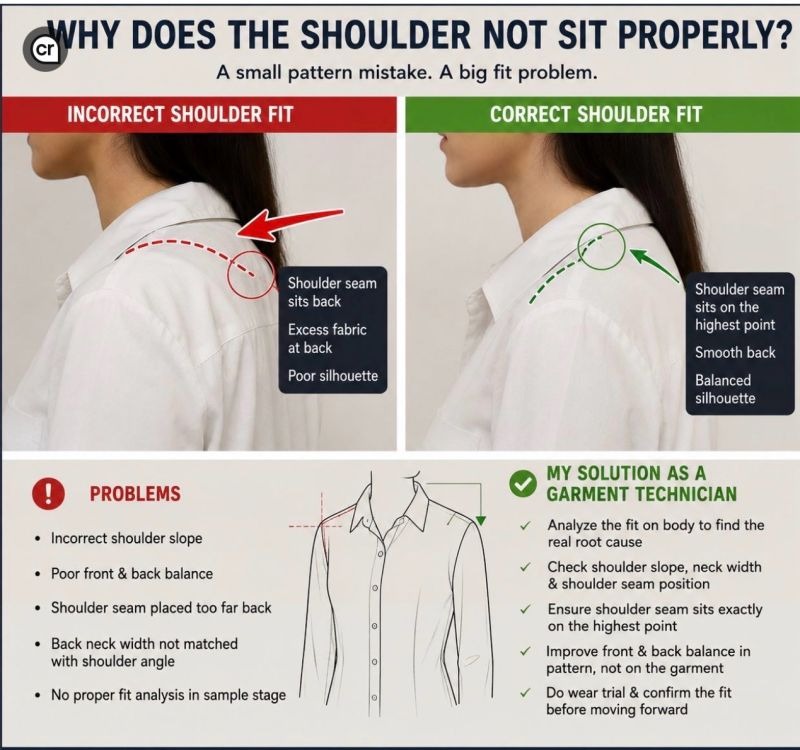
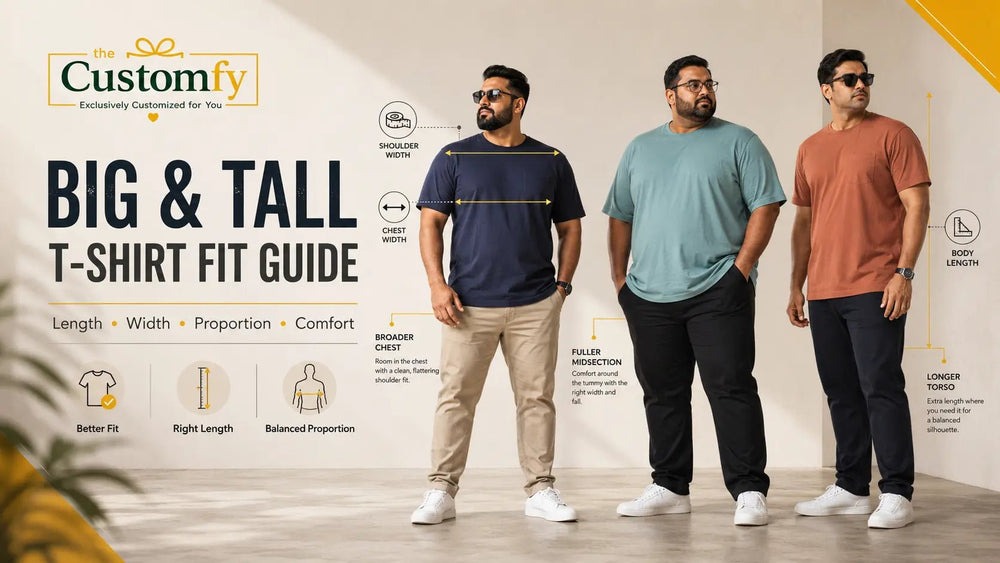
A garment's shoulder dimension comes from the clothing pattern or the finished item, following whatever method the brand specifies. A shirt or jacket is also cut for movement and the desired fit, so its shoulder dimension differs from a person's anatomical breadth.
One shopper in r/malefashionadvice tried to reconcile a tailor's measurements with an overshirt chart:
Recently got my measurements from my tailor and struggling to use them when buying clothing.. for example - Uniqlo Cord Overshirt sizing as follows:
L: 30.5” length, 36” sleeve length, 21.5” shoulder width, 26.5” chest (assuming half?,) 18.5” neck
XL: 31” length, 37” sleeve, 22” shoulder, 28” chest, 19.5” neck
My measurements are 32” jacket length, 34-35” sleeve, 18.5” shoulder, 45” chest (full), 17.5” neck
Do I go up so length is closer to jacket length? Down since shoulders are so far over? Do I want shoulders longer than my shoulder given it’s an overshirt? Does it matter that chest would be so much bigger?In many brands I wear an XL but am still trying to figure out how to USE measurements properly.
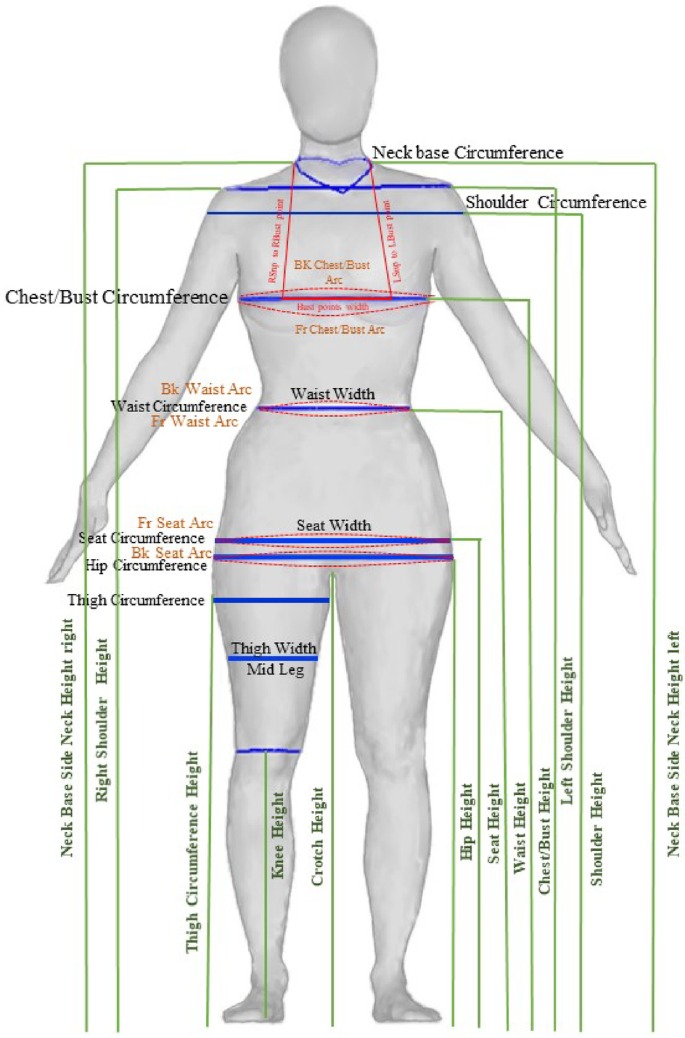
The size-chart figures come from the shopper's post and were not checked against the manufacturer's product specification. When buying clothes, use the brand's own definition of garment shoulder width and a matching fit measurement. No universal number of inches converts biacromial breadth into a shirt size.