
Why Do We Have Armpit Hair? Functions, Sweat, and Body Odor
Armpit hair develops normally during puberty. It reduces rubbing between skin surfaces and changes how moisture and odor behave. You don't need to remove it to stay clean, so leave it, trim it, or shave it based on what feels comfortable.
If irritation keeps coming back, get it checked instead of blaming the hair. Sweat comes from glands, and the familiar underarm smell develops largely as skin microbes break down secretions. Nobody has proven that armpit hair drives pheromone-based attraction.
Why armpit hair grows during puberty
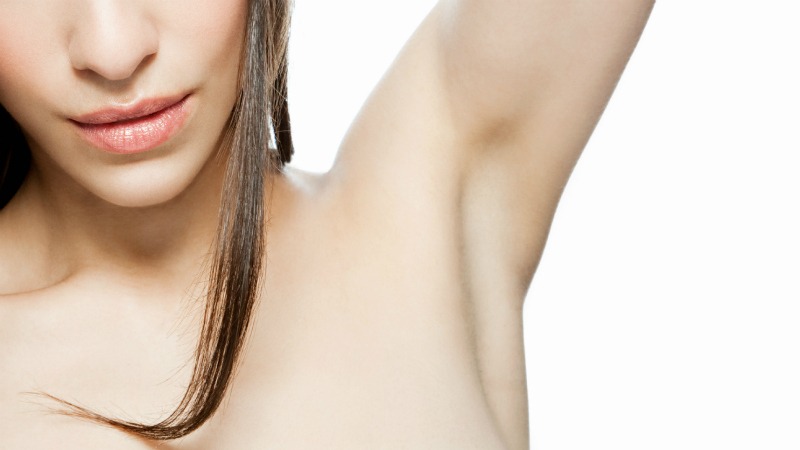
The thicker underarm hair that appears during puberty is terminal hair, whose growth is stimulated by hormones called androgens.
Before puberty, the follicles there usually make fine, barely noticeable vellus hair. As you mature, some follicles start producing longer, coarser, darker strands. DermNet's guide to skin changes at puberty describes this change in the armpits and pubic region.
Underarm follicles sit near sweat glands, which also change during puberty. The same hormones drive both hair growth and gland activity. Armpit hair, scalp hair, and hair density all follow different growth patterns. For the head, see the scalp-hair count explainer.
Androgens are present in people of every sex, but their visible effects and the timing of puberty differ. That is one reason armpit hair shows up earlier and grows thicker in some people than in others.
What armpit hair does for friction and skin contact
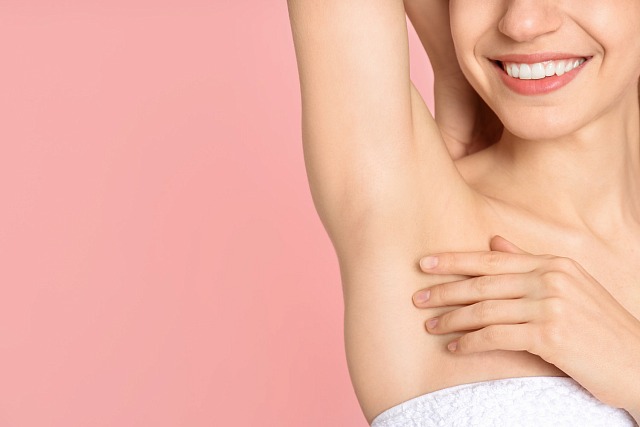
Armpit hair reduces some direct skin-on-skin contact. Your upper arm and the side of your torso rub together when you walk or run, and the hairs sit between those moving surfaces.
Cleveland Clinic lists less friction during activities like running as one job of armpit hair; how much it helps any one person hasn't been measured.
Rubbing along the side of your chest while running is a different problem from feeling sticky after sweating.
Does armpit hair make you sweat more or smell more?
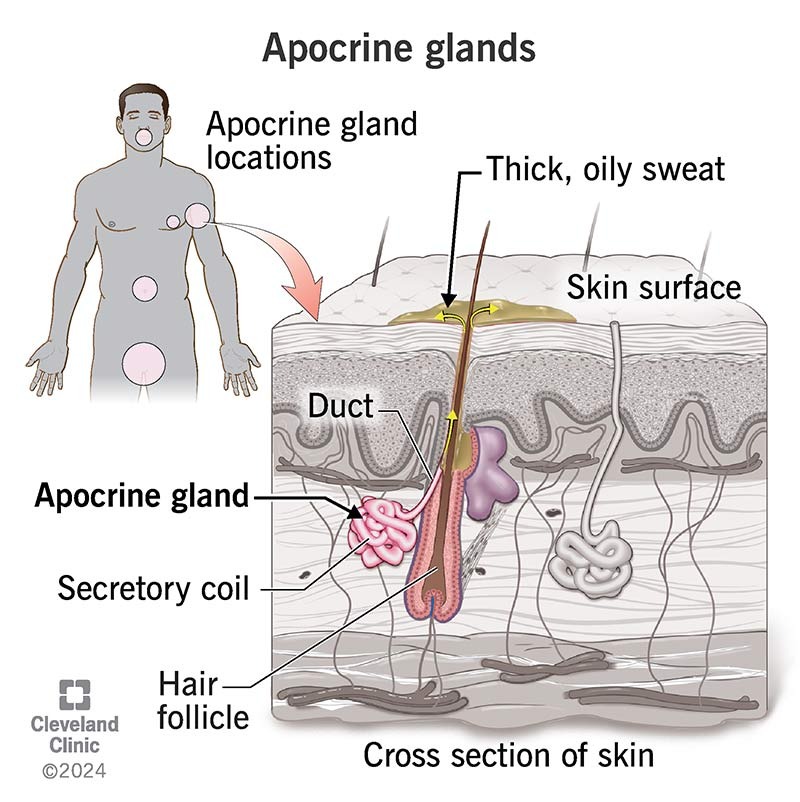
Sweat, dampness, and body odor have separate causes. Glands release the sweat, moisture changes how the underarm feels, and skin microbes produce the smell.
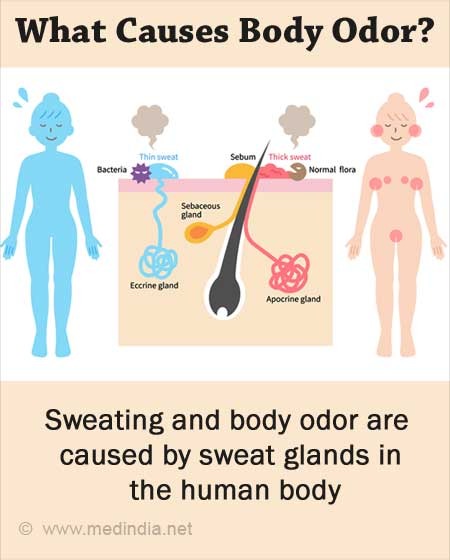
Eccrine glands cool the body by sweating. In the underarm, apocrine glands release other secretions tied to hair follicles. Some skin microbes turn compounds in those secretions into volatile odor molecules. A 2020 study in Scientific Reports described an enzyme pathway involved in making pungent compounds called thioalcohols.
Sweating, dampness, and odor
| What you notice | Main process | Hair's role |
|---|---|---|
| Sweat being produced | Secretion from sweat glands | Hair is outside the gland and does not control its output |
| Wetness, stickiness, or rubbing | Moisture distribution and skin contact | Hair can alter contact and how dampness feels |
| Characteristic underarm odor | Microbes processing gland-associated secretions | Hair can influence how long odor lingers; length alone doesn't predict it |
After shaving, sweat sits directly on bare skin, which can feel wetter.
After shaving ahead of summer, an r/hygiene writer noticed itching and odor within hours:
I rarely shave my armpits but decided to recently because it’s summer and I’ll be wearing sleeveless tops. Hours after shaving my armpits started getting itchy, chafing and smelling like BO. I used my normal deodorant (Native) and shower once a day like always. My pits smelled generally fine when I didn’t shave and it would take at least half a day to start smelling.
Am I shaving wrong? Does this go away once my pits get used to shaving? Is this what everyone who shaves their pits just deals with??
Did armpit hair evolve to carry pheromones or attract partners?
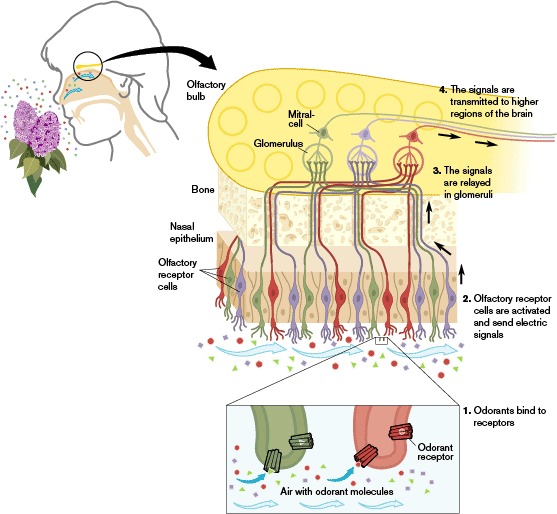
One proposed role for armpit hair is holding or spreading body scents that carry signals. No one has shown that hair-dependent sexual attraction works through an identified human pheromone.
Human body odors contain molecules that other people can detect. Researchers in chemical communication ask whether specific molecules change perception, physiology, or behavior. To establish a pheromone, you need to identify the chemical and show a reproducible response under suitable conditions.
In 2015, evolutionary zoologist Tristram D. Wyatt reviewed several widely promoted candidate human pheromones and found weak evidence behind the proposed molecules. His review of the search for human pheromones called for stricter identification and testing.
Scientists still study how smell works in human communication. Nobody knows why humans kept their underarm hair over evolutionary time.
Why some people have less armpit hair than others
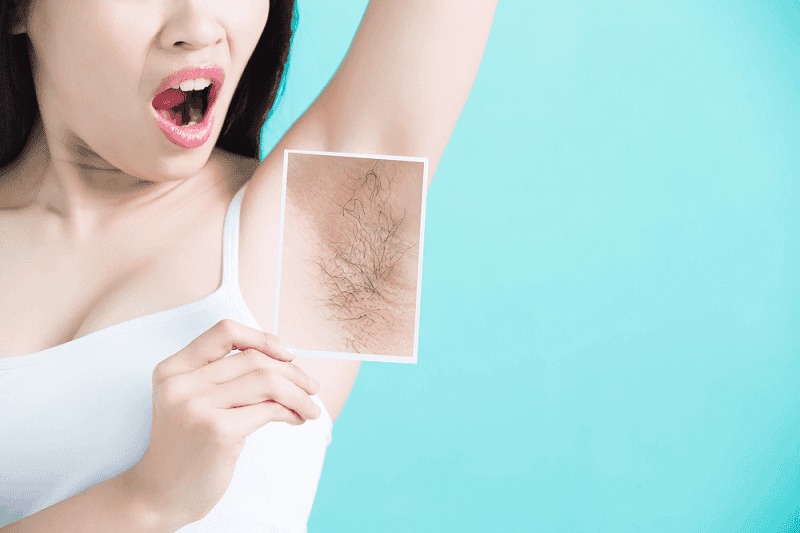
People differ in when armpit hair becomes noticeable, how densely it grows, and how thick the strands get. Androgen-related maturation influences all three, but the amount of hair you have doesn't tell you your hormone level or diagnose a condition. If sparse hair comes with other developmental changes that worry you, a doctor can look at the full picture.
Is it better to shave, trim, or leave your underarm hair alone?
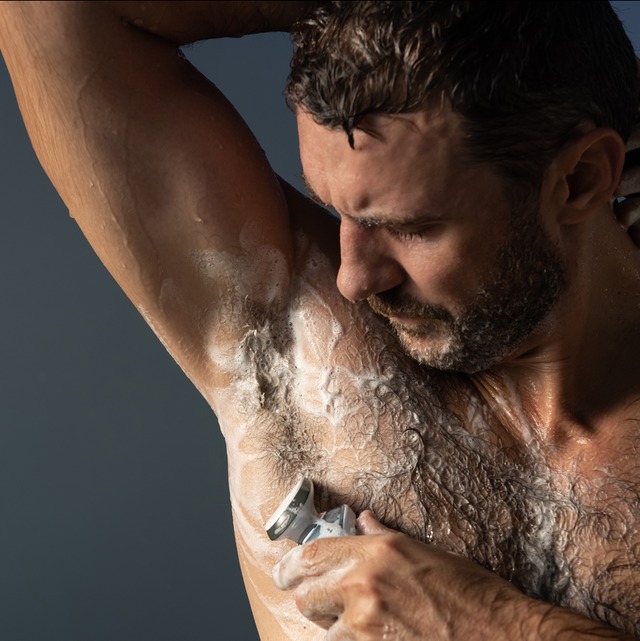
For normal underarm hair, shaving is a personal choice. The American Academy of Pediatrics' HealthyChildren guidance treats it as optional during puberty.
- Leave it: Keep the natural length and skip the irritation that removal can cause.
- Trim it: Shorten the strands but keep some hair. This is a middle option if you dislike both full growth and a close shave.
- Shave it: Remove visible hair close to the skin. Some people like how it feels or looks; others get itching, razor irritation, or ingrown hairs.
What a controlled odor study found
In a comparative study published in the Journal of Cosmetic Dermatology, 30 healthy Caucasian men aged 18 to 48 went through different underarm hair-removal procedures, each followed by standardized soap washing. Trained assessors scored odor. The comparative clinical study of hair removal and axillary odor reported these immediate reductions from each condition's baseline odor score:
| Condition | Immediate reduction in scored odor |
|---|---|
| Soap washing alone | 23.5% |
| Clipping with scissors and soap washing | 27.2% |
| Blade shaving and soap washing | 57.3% |
| Waxing and soap washing | 75.3% |
Clipping did not significantly improve the odor rating compared with washing alone. Shaving and waxing produced larger immediate reductions. Keep the limits in mind: odor was scored right after washing, the group was small and all male, and the researchers were affiliated with Procter & Gamble.
A separate four-week study reported more visible irritation among people who shaved their underarms more frequently.

Another poster, long self-conscious about body odor, tried growing the hair out:
So I used to shave my armpits normally and have always been very self conscious about my smell. Well upon my husband’s suggestion I decided to try not shaving them. It’s probably been 2 months now and they are fully grown out, and there has been NO smell. Like none. I’ll put deodorant on sometime to just add a good smell but if I don’t use deodorant there is no smell at all, even after a workout.
I’m traveling to Hawaii though next month and am wondering if I should shave them more for the social aspect. I don’t want to make anyone uncomfortable but I really don’t want to shave them either. Thoughts?