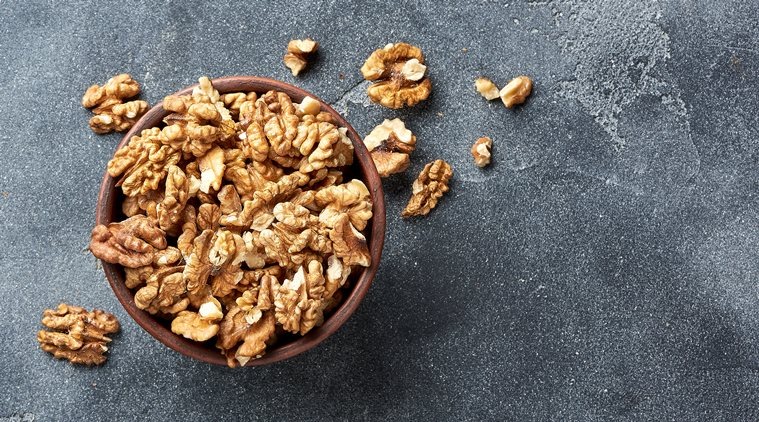
Walnut Nutrition: Calories, Protein, Fats, and Serving Sizes
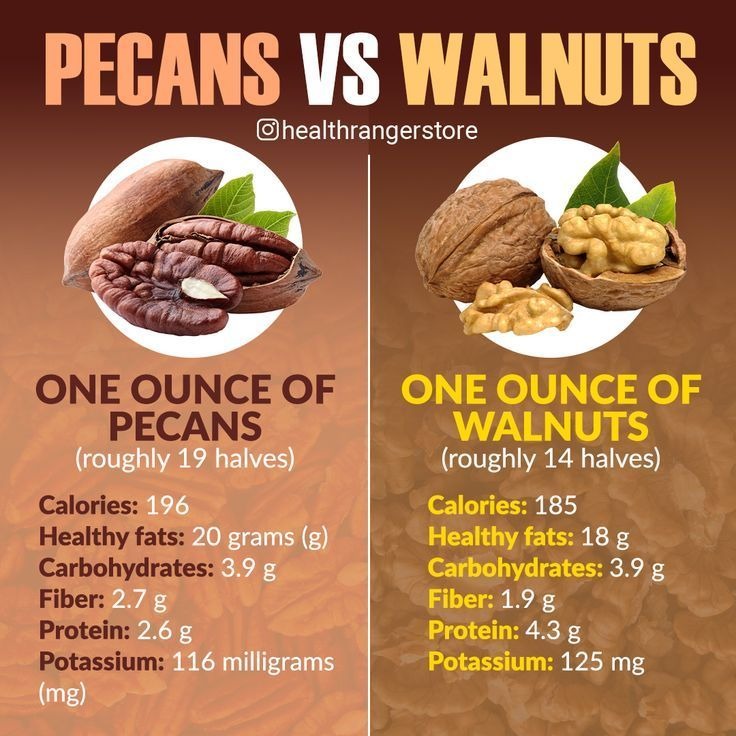
A one-ounce (28.35 g) serving of raw English walnut kernels has 185 calories, 4.3 grams of protein and 18.5 grams of fat. Most of that fat is unsaturated, including the plant omega-3 ALA. The relevant nutrition entry is the one for your shelled kernels, weighed as you actually eat them.
Walnut Nutrition Facts: One Ounce and 100 Grams
A 100-gram serving of raw English walnuts contains 654 calories. Fat accounts for most of that energy; protein and fiber make smaller contributions.
The figures below cover shelled kernels of the English or Persian walnut (Juglans regia) and come from the USDA-derived entry English walnuts, record 170187.
| Nutrient | Per 1 oz (28.35 g) | Per 100 g |
|---|---|---|
| Calories | 185 kcal | 654 kcal |
| Total fat | 18.5 g | 65.21 g |
| Saturated fat | 1.7 g | 6.13 g |
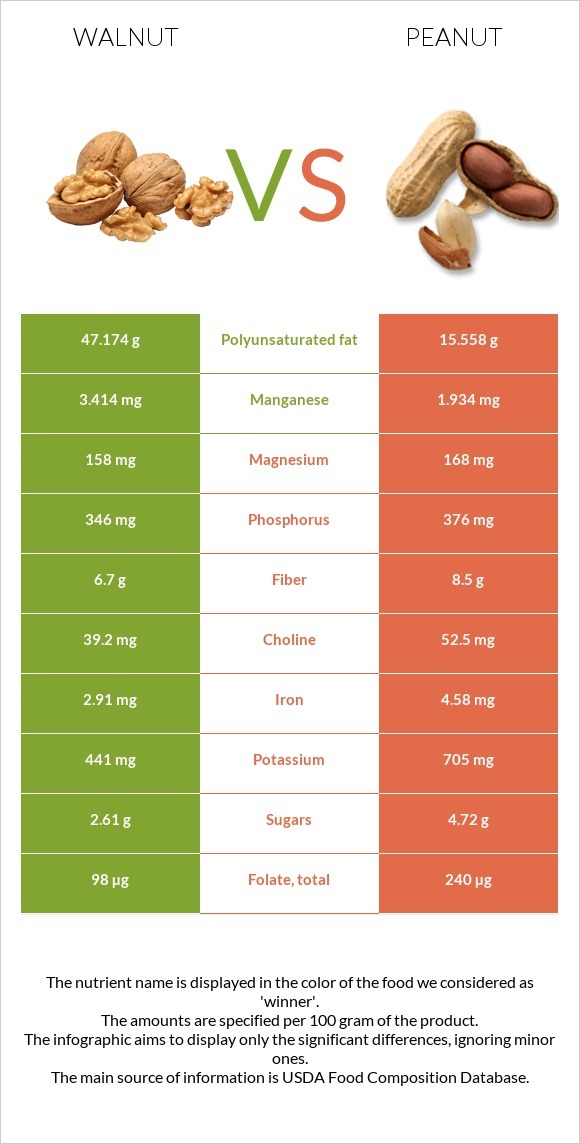
| Polyunsaturated fat | 13.4 g | 47.18 g |
| Protein | 4.3 g | 15.23 g |
| Total carbohydrates | 3.9 g | 13.71 g |
| Dietary fiber | 1.9 g | 6.7 g |
| Sugars | 0.7 g | 2.61 g |
| Magnesium | 44.8 mg | 158 mg |
| Potassium | 125 mg | 441 mg |
Total carbohydrates include the fiber and sugars listed below them.
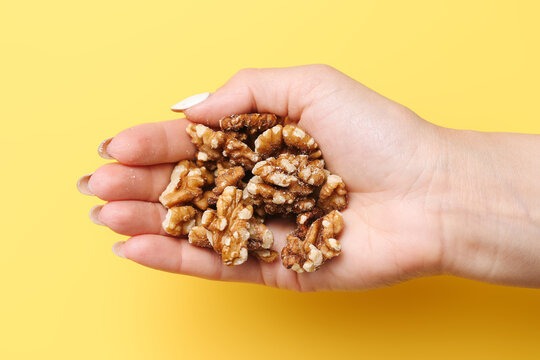
These numbers are for plain raw kernels; other databases and product labels can differ slightly.
How Many Calories Are in a Handful or Serving of Walnuts?
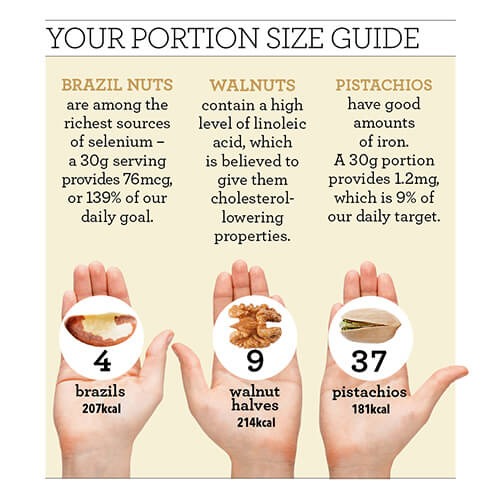
A handful has no fixed weight. An ounce is 28.35 grams of shelled kernels, often pictured as about 14 walnut halves. The real count shifts with piece size.
At 654 calories per 100 grams, the portions work out like this:
| Edible walnut weight | Approximate calories |
|---|---|
| 10 g | 65 kcal |
| 20 g | 131 kcal |
| 28 g | 183 kcal |
| 30 g | 196 kcal |
| 50 g | 327 kcal |
| 100 g | 654 kcal |
The formula is edible grams × 6.54 = approximate calories. For 15 grams, that gives about 98 calories.
Put the kernels on a food scale when you need a reliable number. If you bought walnuts in the shell, leave the shell weight out of your count.
A Reddit contributor weighed a small portion of mixed nuts and was surprised by its calorie total:
You know I had to weigh these little suckers out. The amount of calories for so little is, dare I say it, nuts!
Why Walnuts Are High in Fat and What That Fat Contains
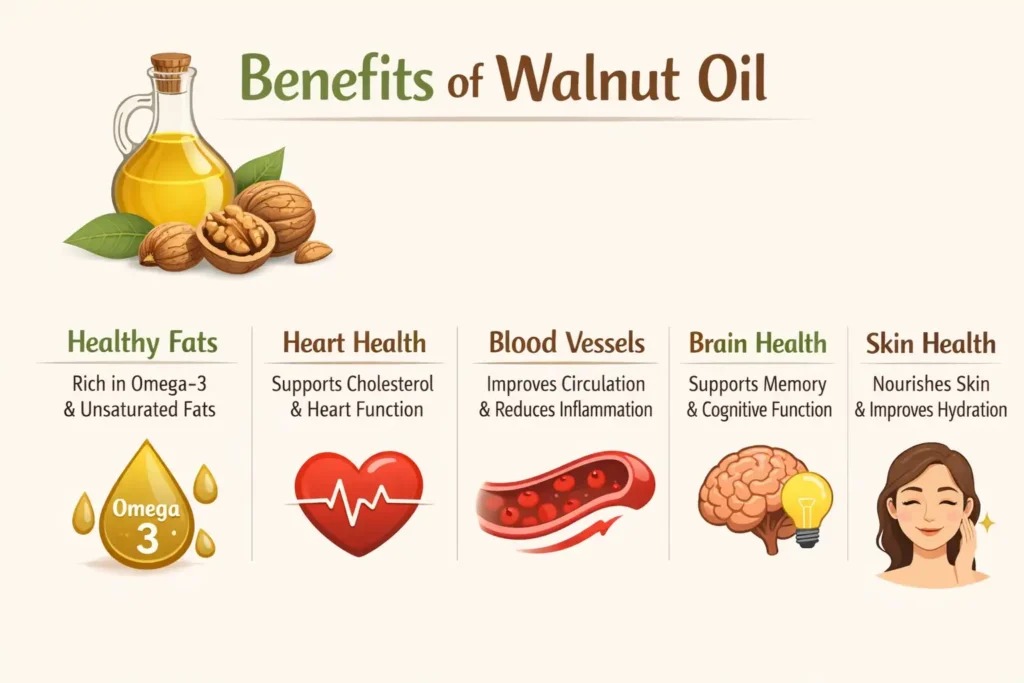
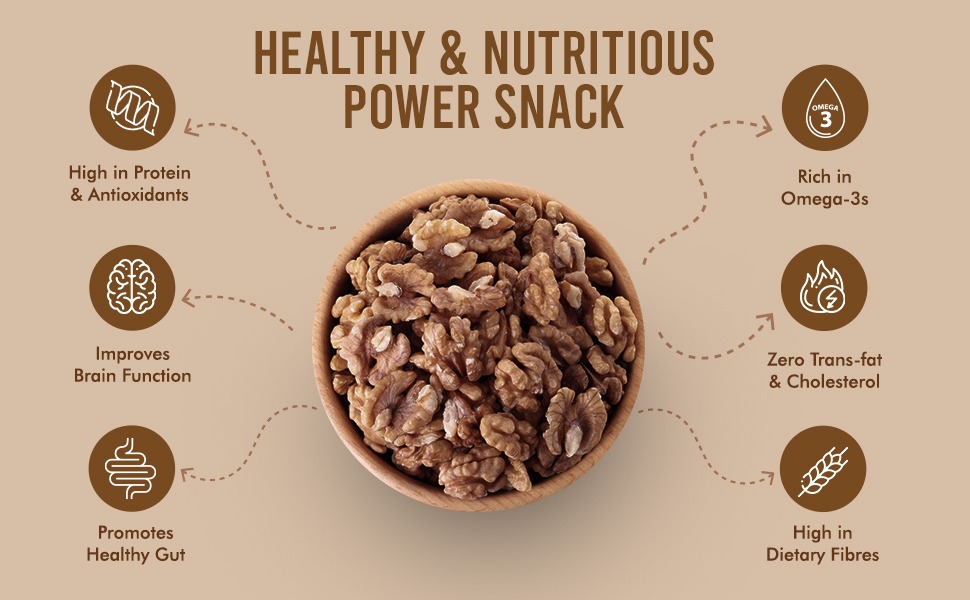
Walnuts get much of their calories from fat, mainly polyunsaturated. In 100 grams of raw English walnuts, 47.18 grams are polyunsaturated fat, 8.93 grams monounsaturated fat and 6.13 grams saturated fat.
The plant omega-3 alpha-linolenic acid (ALA) sets walnuts apart. The NIH Office of Dietary Supplements omega-3 fact sheet lists 2.57 grams of ALA per ounce of English walnuts.
ALA is a different compound from EPA and DHA, the omega-3 fatty acids found in seafood. Walnuts also contain linoleic acid, an omega-6 polyunsaturated fat.
Why Walnut Calorie Counts Don't Always Match
When two walnut calorie figures disagree, check three things: the weight, the database entry or preparation, and how the energy was calculated.
Scaled from the raw-food entry above, 28 grams comes to 183 calories, while a full 28.35-gram ounce rounds to 185. Another entry can cover a different sample or food form.
A controlled feeding study gives a different kind of number. In 2016, researchers measured how much energy healthy adults obtained from walnuts after accounting for energy losses.
What the 146-calorie study measured
The randomized crossover trial included 18 healthy adults and two three-week dietary periods. Researchers controlled intake, measured fecal and urine energy, and calculated metabolizable energy.
For a nominal 28-gram serving, the 2016 walnut metabolizable-energy study reported:
| Energy estimate | Per nominal 28 g |
|---|---|
| Conventional calculated energy | 185 kcal |
| Measured metabolizable energy | 146 kcal |
| Difference under trial conditions | 39 kcal, approximately 21% |
The trial's daily intervention contained 42 grams of walnuts. The published energy comparison uses a nominal 28-gram portion.
The study's 185-calorie figure comes from its own energy-estimation method. The 146-calorie result applies to the controlled study conditions. Don't use it to cut your own count or a package label by 21%.
Do Walnuts Have Benefits Beyond Their Nutrient Numbers?
Controlled studies of walnut-enriched diets have reported modest improvements in some blood-lipid measures, including LDL cholesterol and total cholesterol.
A 2018 meta-analysis combined 26 trials with 1,059 people. Compared with control diets, walnut-enriched diets lowered LDL cholesterol by 5.51 mg/dL and total cholesterol by 6.99 mg/dL on average.
The researchers found no statistically significant differences in body weight or blood pressure.
A 2026 review combined 49 randomized trials with 4,611 participants. It found average drops of 5.68 mg/dL in LDL cholesterol and 6.39 mg/dL in total cholesterol. Triglycerides fell by 6.24 mg/dL.

These are blood-lipid numbers. They don't show that walnuts prevent heart attacks or strokes.
Raw, Roasted, Candied, and Stored Walnuts: Which Numbers Apply?
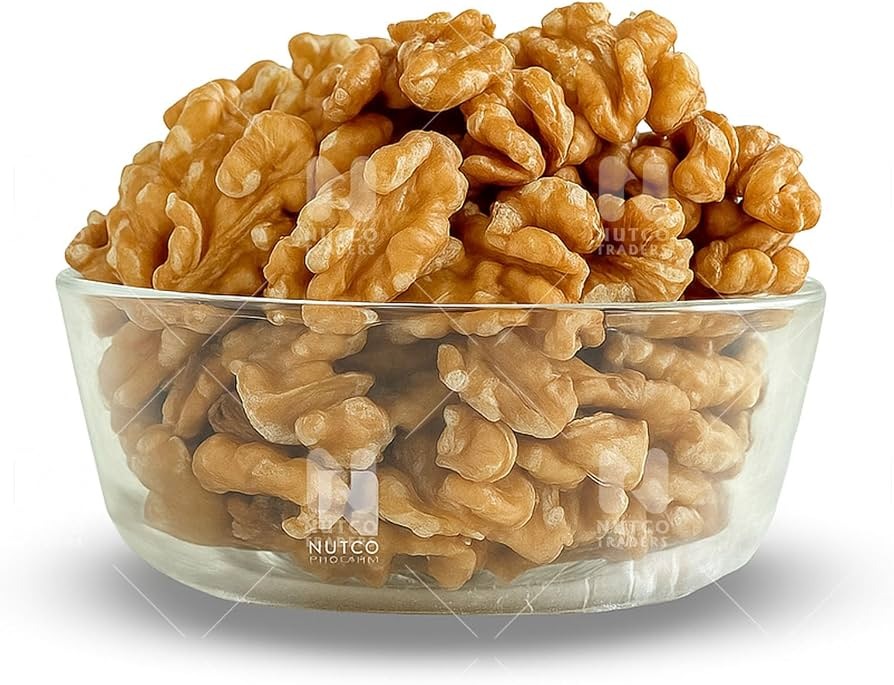
The main nutrition table applies to plain raw kernels. Dry-roasted, oil-roasted and candied walnuts are different foods, especially when oil, sugar or coatings are added.
A candied snack contains ingredients the raw-kernel numbers don't cover, so use its Nutrition Facts panel.
Freshness matters for taste. One shopper compared familiar packaged kernels with a later in-shell purchase:
The difference in taste and smell was night and day.
The University of California's Integrated Pest Management guidance supports refrigerating or freezing shelled walnuts. Follow the package's storage instructions as well.
Walnuts are tree nuts and can cause allergic reactions. If you have a walnut allergy, avoid them.
Walnuts Versus Other Nuts: What Is Worth Comparing?
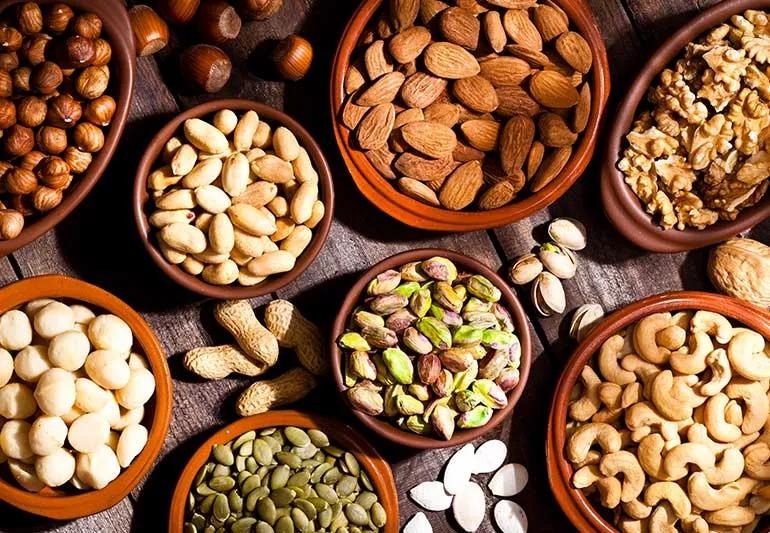
Compare nuts at the same weight, using the nutrient that matches your goal. An ounce of walnuts gives you 4.3 grams of protein for 185 calories. For plant omega-3, look at ALA. You can see walnuts, almonds, and macadamias compared by common portion in the nut nutrition table.
How to Check a Walnut Nutrition Label or Tracking Entry
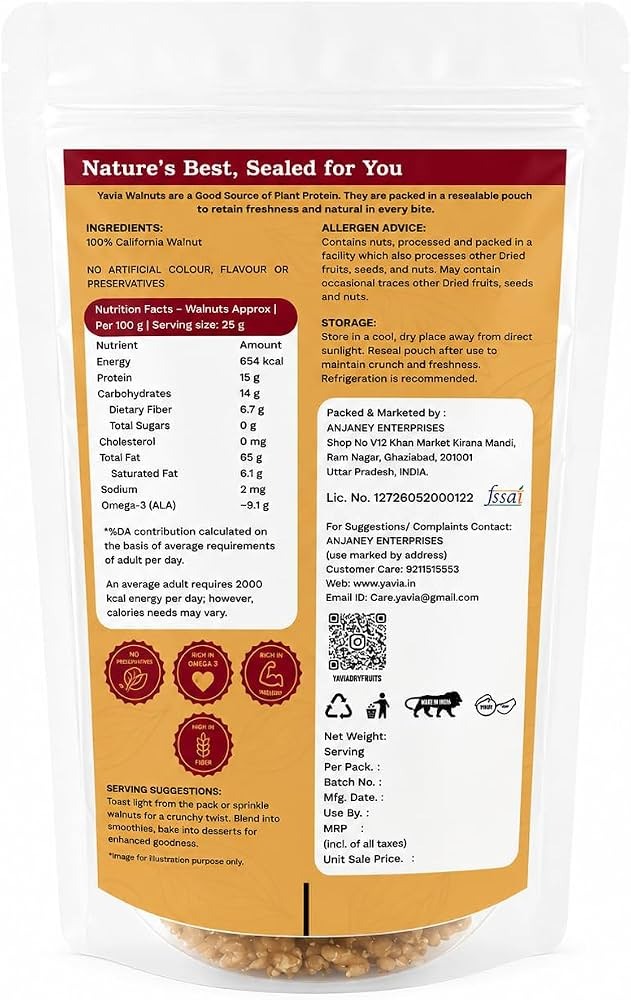
A food log is useful only when the entry matches the food you actually ate. A generic raw-walnut entry fits plain kernels, not a sweetened snack.
- Identify the product. Read the package description and ingredients to tell plain kernels from prepared walnuts.
- Find the label serving. Note its grams and calories, and whether the pack holds several servings. On a US panel, serving size reflects what people typically eat, not a recommended amount.
- Scale to your amount. Calculate
edible grams consumed ÷ label serving grams × label calories. - Record the matching entry. For plain raw English walnuts with no package label, use the raw-kernel values above.